

Lesson 1526: Alcohol Withdrawal Syndrome and Medical Management
Duration:60 minutes
Topic Introduction:This course focuses on "alcohol withdrawal syndrome," which refers to the series of dangerous bodily and nervous system reactions that occur when a long-term heavy drinker suddenly and drastically reduces or stops drinking. The course will help you distinguish between general discomfort and high-risk withdrawal symptoms, and understand why some people need to safely quit drinking in a hospital, specialist institution, or under the supervision of a doctor, rather than trying to "tough it out" at home. We will introduce common withdrawal symptoms, possible seizures and delirium, commonly used medical monitoring and intervention principles, and how to plan the quitting process safely. You will learn how to turn "I want to stop" into a prepared and supported plan, rather than pushing yourself to the brink of death.
○ Key Points of Alcohol Withdrawal Syndrome and its Medical Management
- Rebound of physiological dependence:Long-term heavy drinking can cause the central nervous system to become "accustomed" to operating under the influence of alcohol. Once alcohol is suddenly stopped, the nervous system will become overexcited, like a spring that has been suddenly stretched, resulting in withdrawal reactions such as tremors, palpitations, sweating, and anxiety.
- High-risk withdrawal symptoms:Some cases may present with severe symptoms such as seizures, hallucinations, confusion, and drastic fluctuations in blood pressure. These situations are considered medical emergencies and require immediate medical attention.
- Medical management principles:Depending on the severity of withdrawal and past medical history, professionals will assess whether outpatient follow-up, day treatment, or hospitalization for observation and medication support is necessary. The core principles are "safety, gradual approach, and monitorability".
- Family and self-care:Even within the healthcare system, maintaining a stable routine, replenishing fluids, electrolytes, and nutrients, and reducing additional stimulation can significantly alleviate discomfort and decrease the urge to relapse.
- Quitting is just the beginning:Successfully getting through the withdrawal period does not mean the problem is completely solved; long-term support including psychotherapy, lifestyle adjustments, and relapse prevention plans is still needed.
▲ AI Interaction: What are your thoughts on "safe drinking"?
For many, admitting that they may need to "quit drinking under medical supervision" is not easy in itself. It is often mixed with shame, self-blame, fear, and even denial and struggle with the question, "Am I really that serious?"
This lesson invites you to pause and honestly answer a few questions, both mentally and on paper: ① What physical discomforts did you experience when you tried to reduce or stop drinking? ② What symptoms made you feel scared or anxious? ③ What are you most worried about "going to the hospital or seeing a specialist"?
Please write down your first instinctive reaction to "alcoholics requiring medical management"—is it resistance, relief, or a mixture of both? Then try writing a sentence about your understanding of yourself, such as: "I am not failing, but facing a situation that requires professional help."“
You can also briefly record your past attempts to quit drinking: what circumstances did it occur? How long did you persist? How did it end in the end? This information will be an important basis for you to discuss your next steps with professionals.
Click the button below to work with AI to sort through your memories and concerns about withdrawal symptoms and discuss what support and resources might be helpful, prioritizing safety.
○ Alcohol Withdrawal Syndrome: Music Therapy
When a person prepares to face withdrawal or recalls past withdrawal experiences, the body often tenses up beforehand: a rapid heartbeat, stomach discomfort, and recurring images in the mind. This music therapy suggestion recommends choosing a piece of instrumental music with a steady rhythm and strong repetition, allowing the music to serve as a "safe background noise."
With music playing, please write two paragraphs: First, describe your various imaginings of "withdrawal," including the scary, shameful, and hopeful aspects; second, try to write "If I choose to quit drinking in a safe environment, how would I most like to be cared for?"
You can also do a short body scan while listening to music: from head to toe, feel the tense and relaxed parts of your body in turn, and write down "where is the most tense part of my body right now?" Let the music help you realize: before you actually take action, learn to take care of your body's feelings in this moment.
In conclusion, music cannot replace medication and monitoring, but it can provide a haven for your heart to briefly rest when you face reality.
○ Oriental healing tea
Recommended drinks:Chrysanthemum & Goji Berry Tea
Recommended reasons:Chrysanthemum helps clear the liver and improve eyesight, and relieves headaches and feelings of internal heat, while goji berries nourish the liver and kidneys and improve fatigue and weakness. For those who are just beginning to reduce alcohol consumption and are paying attention to the burden on their liver and sleep quality, this is a gentle drink that symbolizes "shifting from depletion to repair."
usage:Take 6 dried chrysanthemum flowers and 10 goji berries, steep in 80–90℃ hot water for about 5 minutes, and then drink. It is recommended to drink this at a fixed time in the evening as a "small step in taking care of your body today" ritual, but please remember: tea is an aid and cannot replace medical evaluation and treatment.
○ Japanese Food Therapy: Salt-grilled Saury (Sanma Shioyaki)
Pacific saury is rich in DHA/EPA and high-quality protein, which helps maintain cardiovascular and brain function and supports the body's gradual recovery from long-term alcohol consumption. Paired with light rice and vegetables, it creates a meal with moderate salt content and high-quality fat, which is beneficial for stabilizing blood sugar and mood fluctuations.
Healing Recipes
/home2/lzxwhemy/public_html/arttao_org/wp-content/uploads/cookbook/sanma-shioyaki.html(Please confirm that sanma-shioyaki.html has been uploaded)○ Free Mandala Healing: A Safe Anchor Point in Observation
Image Healing: Free Mandala Stability Guidance
Please choose a mandala image, sit quietly, and simply observe it. Gently place your gaze on the center or an area that makes you feel most at ease, coordinating with slow and even breathing. There is no need to interpret the meaning of the image, nor to change it.
Mandala drawing isn't about depicting anything; it's about observing. Especially when contemplating the risks of withdrawal and medical arrangements, the mind is easily drawn into the worst possible scenarios. By observing a mandala, you are training the ability to find a middle ground between intense thoughts and physical discomfort, allowing yourself to avoid being completely overwhelmed by fear.
You can repeatedly view the same mandala at different times, for just a few minutes each time, and observe whether there are subtle shifts in your feelings about "withdrawal." The point is not to let the image "help you make a decision," but to experience while viewing, "I can be with these thoughts for a few minutes without being immediately driven by them."

○ Suggestions for seal carving calligraphy practice
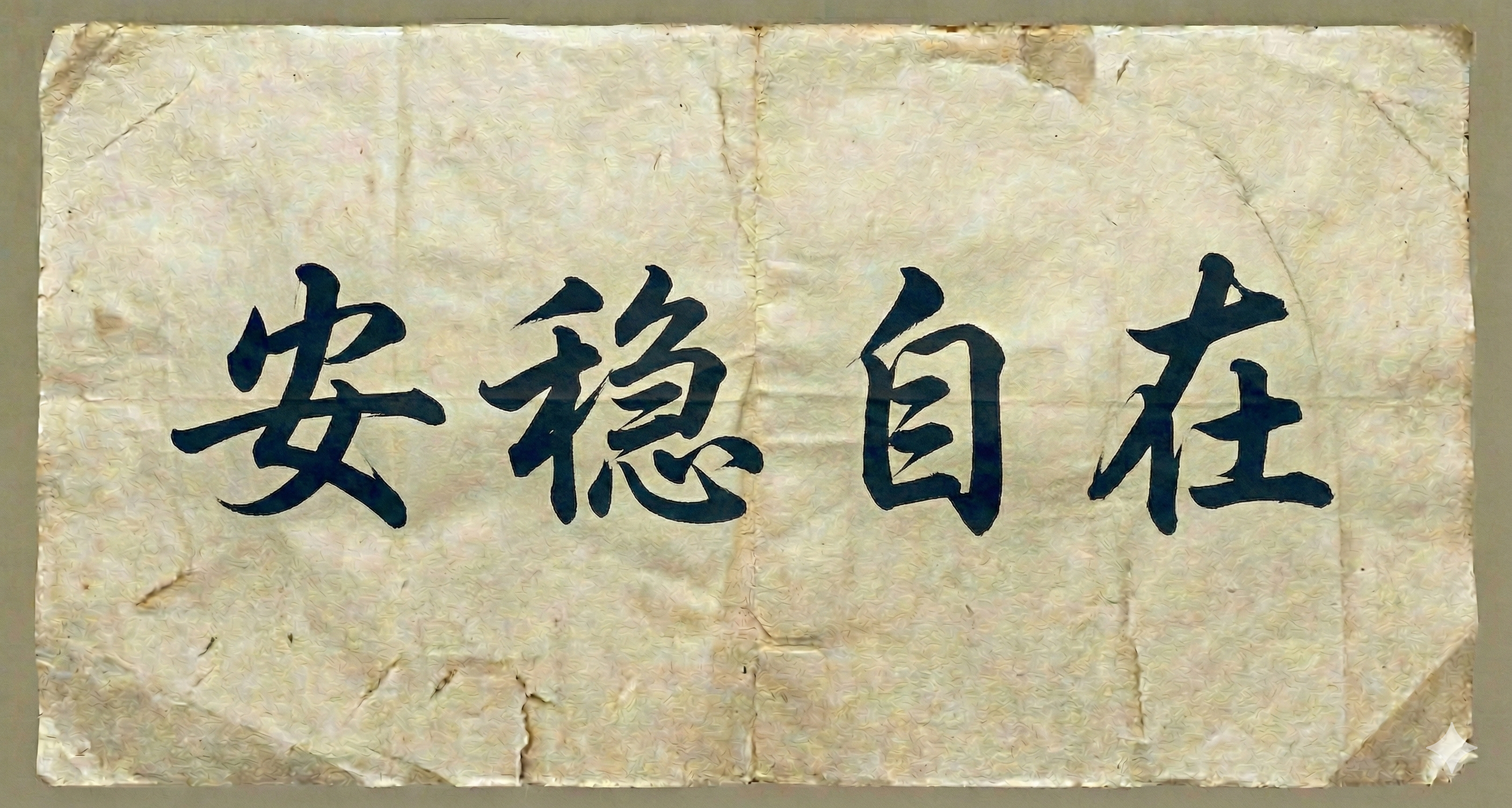
In this lesson, seal carving is used to symbolize "gradual, safe, and structured adjustment," echoing the medical management of alcohol withdrawal. Through each stroke of the carving knife, you practice slowing down, planning, and becoming more mindful, rather than impulsively trying to "get it all done at once."
- Written words:
Gradually reduce its power and remain secure in one's position.
Gentle Taper · Safe Holding - Psychological Intention:
Many people, when faced with withdrawal, only think about "whether to stop completely at once." Seal carving reminds us that some changes need to be carried out rhythmically and under supervision. Each small cut symbolizes a controllable adjustment, rather than pushing oneself to the extreme. - Knife skills:
Before each stroke, pause slightly to confirm the direction and pressure, then slowly carve. This rhythm of "pause before acting" is a habit you can bring back to life when facing desires and impulses in the future. - Emotional transformation:
When you think about the discomfort or failures you experienced during past withdrawal, channel that energy into the act of carving: let the focus of your hands replace the constant self-blame in your mind. After finishing, observe the entire impression and remind yourself that change is built up from many small, careful steps.
○ Alcohol Withdrawal Syndrome and Medical Management: Guiding Suggestions for Art Therapy
This page uses drawing to help you visualize the risks of withdrawal and the resources available for safe withdrawal. The goal is not to design your own medical plan at home, but to express your concerns and needs more clearly when discussing them with doctors or professionals. Drawing exercises are not a substitute for medical treatment; they are only for self-awareness and communication preparation.
I. Withdrawal Storm Chart: Symptom Intensity and Timeline
- Draw a timeline on a piece of paper from left to right. Write "the day you stop or significantly reduce your drinking" on the left and "one to two weeks later" on the right.
- Draw several "peaks" of varying heights on a timeline, and intuitively mark the symptoms you are most worried about experiencing at different times (such as hand tremors, insomnia, anxiety, hallucinations, etc.). The higher the peak, the greater the worry.
- Next to each peak, write down "What kind of help do I hope to receive at this stage", such as "having a doctor to monitor me", "having someone to accompany me", "being able to seek medical attention at any time", etc.
II. Safety Net Structure Diagram: What and what can support me?
- Draw a circle in the center of the picture to represent yourself, and write "Me preparing to safely quit drinking".
- Draw several lines extending outwards around the design, connecting to different shaped patterns, representing "medical resources," "family/friends," "work or financial arrangements," and "self-care habits (sleep, diet, exercise)."
- Write a specific and feasible step next to each picture, such as "find an addiction clinic at a nearby hospital", "communicate with a trusted family member in advance", or "arrange to start the alcohol rehabilitation program outside of a high-pressure period".
Friendly reminder: If you experience severe withdrawal symptoms (such as confusion, hallucinations, seizures, persistent high fever, or abnormal heartbeat), please do not wait until the drawing session is over before continuing. Prioritize seeking immediate medical attention or calling emergency services. Drawing can be done in a relatively stable state, allowing you to organize information and prepare for clearer self-expression in professional settings.
Please log in before submitting your drawings and feelings.
○ 1526. Alcohol Withdrawal Syndrome and Medical Management: Log-Based Guidance Suggestions
① Review your experience: If you have ever tried to reduce or stop drinking on your own, write down 3–5 physical or emotional reactions that occurred at the time, and how you dealt with them. Turn the memory into specific sentences, rather than vague fears.
② Graded self-assessment: Based on the content of this lesson, write a paragraph explaining "where I think my current risk of withdrawal might be," and supplement it with an explanation of why you make this judgment (including the amount and frequency of alcohol consumption, past withdrawal experiences, etc.).
③ Safety First: Write down a short "safety checklist," including: In what situations will I seek immediate medical attention? Whom do I want family/friends to know this information? What steps can I take to access medical resources in the coming week (e.g., consult a family doctor, check specialist appointments)?
④ Self-Attitude: Finally, write down a reminder you hope to see often during your alcohol rehabilitation process, such as: "My goal is not to be tough, but to live safely." Write this sentence in a prominent place as an important anchor for you in the coming period.
Please log in to use.
Quitting alcohol safely is more important than "quitting quickly." May you understand the risks of withdrawal while also securing adequate care and support for yourself.
 EN
EN  ZH
ZH  ES
ES  FR
FR  JA
JA