
Lesson 1531: Overview of Drug Therapy (Naltrexone, Acampate, etc.)

Duration:70 minutes
Topic Introduction:This lesson gently introduces medication options for alcohol use disorder, such as naltrexone and acamptolic acid, helping learners understand how medications can help reduce cravings or maintain recovery. The course emphasizes that any medication use requires a doctor's evaluation; self-medication is discouraged, and medication should not be considered the only solution. It also clarifies the next steps. More choices.
○ Course Topic Audio
Lesson 1531: Overview of Drug Therapy (Naltrexone, Acampate, etc.)
Click to view the read-aloud text
This lesson gently introduces medication treatment for alcohol use disorder. Medication is not a symbol of shame, nor is it the only answer, but rather a supportive tool on the road to recovery for some. Under a doctor's evaluation, naltrexone may help reduce cravings and the reward associated with drinking, acamprine may help maintain stability after quitting, and other medications may be considered depending on physical condition and comorbidities. The suitability of medication depends on liver and kidney function, medical history, current medications, drinking patterns, and treatment goals. Please do not self-medicate, stop using, or mix medications, and do not conceal your true drinking history out of fear of judgment. The more accurate your doctor's information, the safer the treatment plan will be. Medication often needs to be combined with psychological strategies, lifestyle adjustments, and support systems to be more effective. You can think of it as a handrail—it won't walk for you, but it can provide stability when you're prone to falling. Remember, every reminder in this lesson is not meant to make you more afraid, but to help you see yourself more safely. You can approach change at your own pace, and you can seek help from professionals, family, or trusted friends when needed. Recovery isn't about proving you've never fallen, but about being prepared before you fall, being willing to turn back after you fall, and repeatedly bringing yourself back to a more stable life. If this resonates with you, please don't rush to criticize yourself. You can write down the most important sentence of the day, or simply record a small action you're willing to try. Change often doesn't happen suddenly, but accumulates slowly through many gentle, specific, and actionable small choices. Please prioritize safety and place yourself back in a position where you deserve to be cared for. In the learning ahead, you don't need to solve all problems at once. Identify a risk first, reduce a trigger first, contact a supporter first, take care of your body first—these all count. May you feel less shame in understanding and more strength in action, so that recovery is no longer just endurance, but slowly regaining direction in life. This can serve as a gentle reminder for you today: having your problems seen doesn't mean your life is negated; needing help doesn't mean you're not good enough. Please give yourself some time to...

AI Healing Q&A
If you'd like to learn about medications like naltrexone and acampalic acid, you can let the AI help you prepare your questions for your doctor, such as their effects, contraindications, physical examination requirements, and concerns about medication use. Please remember that the AI can only assist in preparing the communication; it cannot prescribe medication, determine dosages, or replace medical monitoring. If you're hesitant to discuss medications, you can first have the AI help you organize your concerns into a few sentences to discuss with your doctor. Please also specify if you have liver disease, pain medication, sleeping pills, or other prescription medications to avoid overlooking any risks.

○ Music therapy guidance
When discussing medication, choose some calming, soothing background music to help clear your mind. While listening, organize your questions for the doctor: effects, risks, physical examinations, current medications, and concerns. The music is there to help you calm down; the actual medication decision should be left to a professional evaluation. After listening, save your questions on your phone for your next appointment. This way, even if you're nervous when entering the consultation room, you're less likely to forget your important concerns. It's definitely worthwhile.

○Eastern and Western Healing Teas
○ Eastern Healing Tea - Licorice and Peppermint Tea Introduction: The combination of licorice and peppermint is ideal for relieving anxiety, boosting spirits, and freshening breath. Peppermint helps relax nerves, reduce headaches and indigestion, while licorice helps soothe stomach discomfort and harmonize the body. This tea is perfect for indigestion and physical discomfort associated with anxiety. Directions: Steep 1 teaspoon of dried peppermint leaves and 1 teaspoon of licorice in hot water for 5-10 minutes. Add honey to taste and drink. Drink 1-2 times daily, especially after meals to aid relaxation and digestion.
○ Healing Recipes
○ Mediterranean Diet - Mediterranean Seafood Soup
Recommended dishes:Mediterranean Seafood Soup Recommended reasons:Mediterranean Seafood Soup, based on mild ingredients, light seasoning, and sustainable energy, is suitable as a daily dietary support in courses on alcohol and substance use disorders. When addressing topics like "Overview of Medication Treatments (Naltrexone, Acampate, etc.)," food doesn't play a therapeutic role, but it can help learners bring their focus back to their bodies, reducing imbalances caused by fasting, fatigue, mood swings, or impulsive eating. It reminds you that recovery is not just about avoiding risks, but also about rebuilding the ability to care for yourself through each meal. Recipe (1–2 servings): practice: When preparing Mediterranean seafood soup, separate the ingredients beforehand and observe their color, aroma, and the sensations in your hands. If you're feeling overwhelmed, make the simplest version; if you're physically tired, reduce the portion size. Before taking your first bite, pause for a few seconds to savor the temperature, aroma, and texture, making this meal a gentle reminder to rejuvenate your body. If you're feeling craving, anxious, down, or impulsive today, please don't turn cooking into stress. Being able to prepare a simple meal is already a good thing; food is support, not a task. Video Title:Mediterranean Seafood Soup: A Nourishing Recipe for Stabilizing Body and Mind Rhythms hint:Please understand diet within the overall care plan: regular sleep, a stable schedule, professional support, companionship, physical examinations, and necessary treatments remain important foundations for long-term recovery.Click to view healing recipes
◉ Mediterranean Diet - Mediterranean Seafood Soup
I. Recommended Dietary Therapy and Reasons
2. Recipe and Method
3. Small rituals for body and mind
4. Dietary Therapy Experience Record
V. Instructional Videos (approximately 3–5 minutes)
6. Precautions

○Mandala Healing
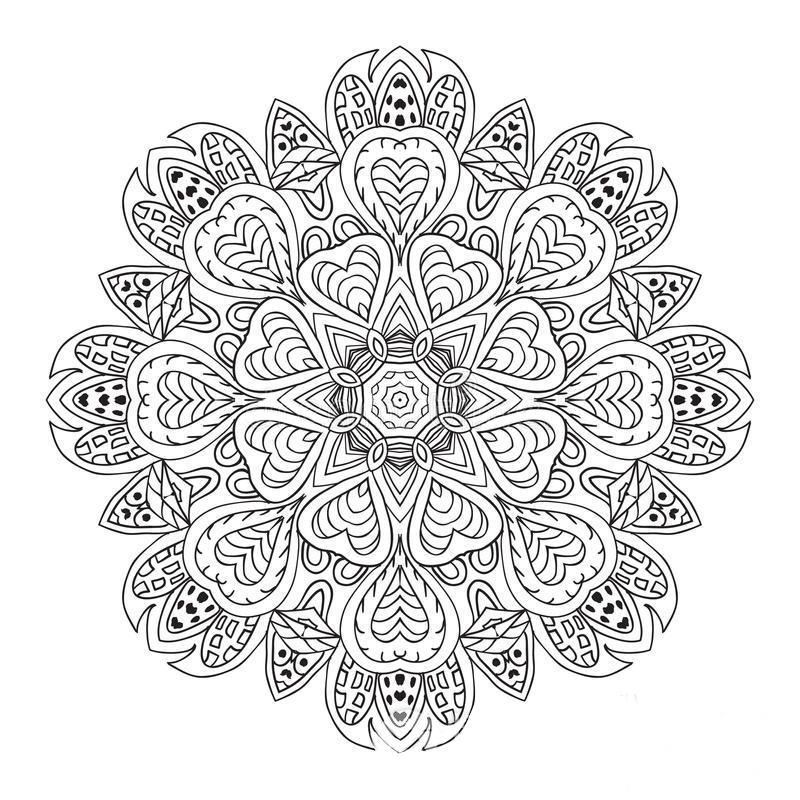
When it comes to medication, some people are hopeful, some are afraid, and some feel ashamed. Please include all these feelings in the diagram; you don't need to only draw the "positive" aspects. You can use stable circles to represent help and blurred lines to represent doubts. After you finish drawing, look at it. Medication isn't everything, but it can also be a form of support. What's truly important is finding a safer approach for yourself with professional guidance. Drawing your worries out loud actually creates more space for you to collaborate with your professional. You don't have to guess everything alone.
● AI Dynamic Geometric Vision Focus and Emotion Regulation Engine ●
AI Dynamic Geometric Vision Focus and Emotion Regulation Engine · v7.0.0
Before we begin, I'd like to know how you feel right now.
There is no standard answer; just choose the one that best reflects how you feel right now.
The experience is over. Tell us how you feel now.
There is still no standard answer; just choose the one that best reflects how you feel right now.
#FF5252
After the fluorescent line crawling is completed and stopped, first select a color, then click on the closed area in the graphic to fill in the color.
AI Digital Mandala Static Focus EngineAZ Image Coloring · 60 Colors
AI Digital Mandala Interactive Focus Engine
A–Z Free Selection · Layered Lines · 60 Color Fills

○ Calligraphy and engraving therapy practice
When discussing medication, anticipation, doubt, and shame may all arise together. During your practice, sit with yourself for a while, writing steadily with your pen. Don't write down the names of the medications, and don't make a decision immediately. Let each stroke of the pen be like a process of organizing, putting your worries on paper. Once you've clearly identified your concerns, communicating with a professional will be easier. After the practice, if you have any lingering desires for clarification, leave those to professional consultation. You don't have to guess alone, nor do you need to immediately find a solution.

○ Art Therapy Guidance
When discussing medication, some people feel anticipation, some fear, and some feel ashamed. You can incorporate all these different feelings into your painting; you don't have to only show the lighthearted aspects. Let stable blocks of color represent help, let blurred brushstrokes represent doubt, and let the painting encompass complexity. The purpose of painting is not to make decisions for you, but to allow you more room to understand and choose the support methods that suit you after your emotions have gradually calmed down. When your mind is more settled, many decisions will become clearer.
Please log in before submitting your drawings and feelings.

○ Diary Healing Suggestions
When discussing medication, if you have any concerns, write them down: fear of side effects, fear of being labeled, fear of becoming dependent on medication, or not knowing how to ask your doctor. Please organize these concerns into a few clear questions. A journal cannot decide your treatment plan, but it can help you be less flustered and more confident in expressing yourself when facing professionals. Before putting away your journal, put the questions you most want to ask your doctor at the top. Clearly stating your concerns is not a sign of weakness, but rather an active participation in your own care. You can bring this list with you when you ask questions, instead of guessing alone.
Please log in to use.
May you gradually return to a more stable, clear-headed, and gentler version of yourself through today's practice.