

Lesson 1554: Harm Reduction and Overdose Prevention (Naloxone)
Duration:75 minutes
Topic Introduction: This course focuses on the core principles of harm reduction and drug overdose prevention, particularly naloxone, widely used in opioid overdose emergency care. We do not encourage or glorify any substance use, but rather acknowledge that in the real world, some people remain in dependent, recurrent, or high-risk environments. Instead of simply blaming and intimidating, we should strive to reduce death, serious complications, and irreversible damage to the best of our ability. This course will help you understand: what harm reduction means, why reducing risk does not equate to "indulgence"; how to identify overdose signs, and when to immediately call emergency services; how naloxone can be used as an emergency tool under professional guidance, and how to legally obtain training and resources in different countries and regions. We will also discuss how to psychologically accept the complex feelings of "I'm not fully ready to quit yet, but I want to survive first and protect myself and others," making safety the starting point for change, not the enemy of change.
○ Harm Reduction and Overdose Prevention: Key Points
- Fundamental Ideas:Harm reduction is not about encouraging use, but about prioritizing the protection of life and basic functions in existing risky environments, making "survival" and "gradual change" goals that can coexist.
- Excessive identification:Be aware of the typical signs of opioid overdose (such as slowed or stopped breathing, unresponsiveness, bluish or grayish skin, etc.). If suspected symptoms occur, it is better to overestimate the risk than underestimate it.
- The role of naloxone:Naloxone is an emergency medication that can reverse the effects of opioids. It is available in many areas through training, usually with professionals demonstrating how to use it and the precautions.
- First aid priority order:In any situation where there is suspicion of overdose, the first step is always to call the local emergency services as soon as possible and provide assistance within your capabilities according to the training provided, rather than relying solely on online information.
- Environment and Companions:Communicate safety agreements with potential users: do not use alone in large quantities, avoid mixing with other users as much as possible, and confirm in advance who knows the emergency contact number and the location of naloxone.
- From "zero or one" to "a little safer":Even if it's not possible to stop all use immediately, safer practices can still be discussed, such as reducing shared use, avoiding use alone, and gradually seeking out professional services.
- Psychological support:Harm reduction also includes "reducing self-blame and despair" at the emotional level, helping users retain the protective function of shame while no longer being overwhelmed by it, thus creating space for change.
▲ AI Interaction: Design a "Survival First" Safety Checklist for Yourself and Others
In the real world, change is often not a one-size-fits-all "from something to nothing," but a slow movement from "more dangerous" to "slightly safer." This interaction does not judge your current situation, but only helps you prepare more buffers for your life.
Please write down: What high-risk situations related to medication do you or someone you care about currently have, such as using it alone, using it in combination (alcohol/sedatives/opioids, etc.), using it in large quantities before bedtime, or using it secretly without anyone knowing?
Then, break each high-risk scenario down into two columns: the left column is the "current situation," and the right column is "a slightly safer approach." Even something as simple as: letting at least one trusted person know, arranging for someone to be present, having emergency contact numbers readily available, and finding out if naloxone training is offered in your area.
Finally, please write down three "small safety actions" that you are willing to try to implement in the next month, and mark which one you would most like to start with.
Click the button below to submit your list to AI, which will help you organize it into a clearer "hazard reduction plan draft" for future discussion and revision with professionals or trusted individuals.
○ Harm Reduction and Overdose Prevention: Music Therapy
The theme of over-prevention is often accompanied by fear of death, guilt, self-blame, and complex interpersonal memories. Music therapy here is not about numbing these emotions, but rather providing a relatively stable "container" that allows you to gradually approach these real feelings while listening.
You can choose a piece of music with a steady but not oppressive rhythm, and while listening, gently close your eyes and focus on your breathing: when inhaling, silently repeat "I am still here," and when exhaling, silently repeat "I am learning to protect myself and others."
After the music ends, please write down your new understanding of "survival" today—maybe it's being more afraid, or maybe it's being more willing to ask for help; there's no right or wrong.
In conclusion: Every time you seriously consider safety and prevention, you are paving another way for your future self to come back.
○ Oriental healing tea
Recommended drinks:Ginger Oolong Soothing Tea
Recommended reasons:The aroma of oolong tea is mild, and when paired with a few slices of ginger, it brings a warm but not overly stimulating physical experience. It is suitable for helping the body slowly warm up after discussing high-risk topics, symbolizing the possibility of returning from extreme stimulation to a gentle rhythm.
usage:Take an appropriate amount of oolong tea leaves and steep them in hot water at approximately 85℃ for 1–2 minutes. After pouring out the tea, add 1–2 slices of fresh ginger and let it steep briefly before drinking. Please adjust the frequency and concentration of consumption according to your own physical condition and professional advice.
○ Japanese dietary therapy, ochazuke (rice with tea)
Pouring warm tea or broth over rice, topped with a small amount of nori (seaweed), sesame seeds, pickled plums, or grilled fish flakes, is a common and simple comfort food in Japanese households. For those experiencing mood swings, sleep disturbances, or eating disorders, ochazuke (rice with tea) symbolizes a "mild, digestible, and gentle" way to recover, allowing both the stomach and mind a chance to settle down.
Healing Recipes
/home2/lzxwhemy/public_html/arttao_org/wp-content/uploads/cookbook/kani-tofu-ankake.html(Please confirm that kani-tofu-ankake.html has been uploaded)🎨 Freedom Mandala Healing
Image Healing: Free Mandala Stability Guidance 16
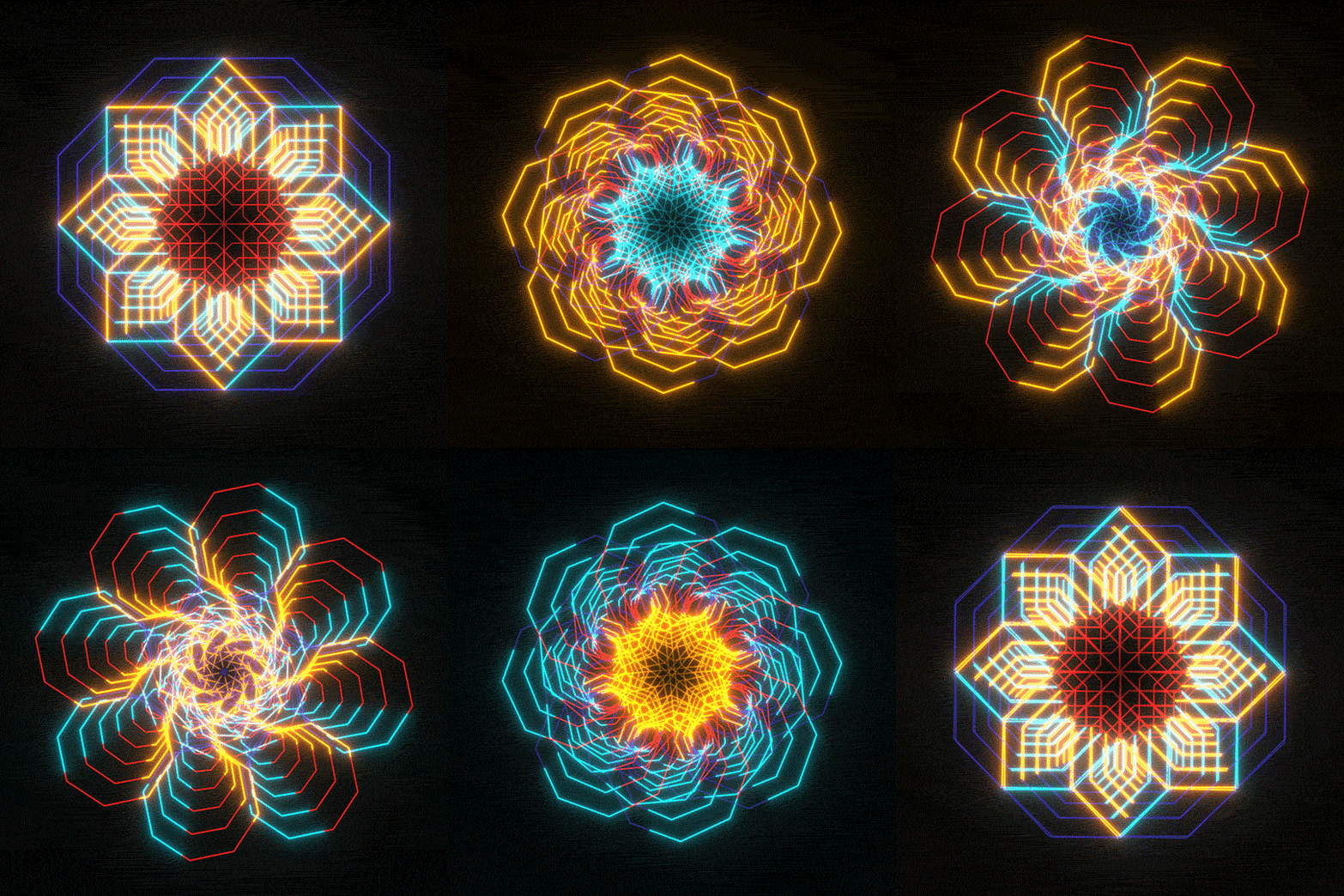
When viewing a mandala, consciously look for the connecting lines—they may be finer than the central pattern, yet they subtly bridge the gaps between different colors. Let your gaze slowly move along these connections.
The essence of hazard reduction is not finding the most dazzling answer, but building small bridges between "danger" and "safety." Remember: a mandala is not about drawing something, but about observing. You only need to see that even in complex patterns, there are many paths that gradually guide the eye towards safe areas—these paths may not be bright, but they truly exist.
When you feel that you or someone else is nearing danger, you can briefly gaze at a "connection point" in the mandala and say to yourself, "Maybe I can't leave it right now, but I'm willing to look at another line leading to safety."“
○ Suggestions for seal carving calligraphy practice
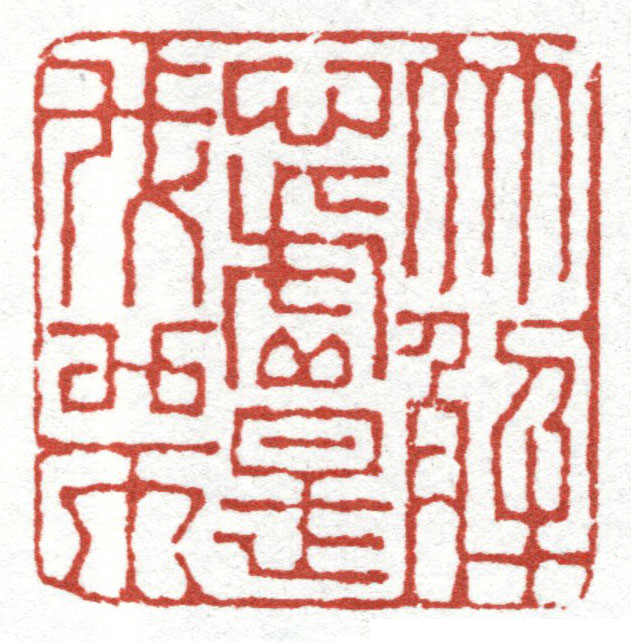
Under the theme of "harm reduction and overdose prevention", seal engraving and calligraphy can be a way to practice "leaving room for maneuver", so that every cut and every stroke reminds oneself that there is still a buffer zone between extremes.
- Introduction to the characteristics of seal carving:
Seal carving emphasizes structural stability, continuous lines, and the interplay of white space. Just as reducing harm requires emphasizing "structure and boundaries," it neither allows things to get out of control nor does it acknowledge the limitations of reality, seeking a relatively safe layout within a limited space. - Written words:
Stay and Protect Life
Pause to Protect Life - Psychological Intention:
When carving the "Stop and Protect Life" seal, you can reflect on moments in the past when, if you had paused just a little longer, the outcome might have been different. You are engraving this desire for "a little more space" into a tangible seal. - Knife skills:
Before making a cut, deliberately pause for a second, gently inhale, and feel the tool making contact with the stone surface; when retracting the knife, slowly raise your wrist, without rushing to finish. Through this "conscious pause," practice creating pauses for yourself in real life—adding a little extra time between impulsive actions and dangerous situations. - Emotional transformation:
If feelings of self-blame or heartbreak arise during the carving process, you can silently recall them while maintaining steady hand movements. In this way, you are experiencing a new possibility: even if your heart is turbulent, your body can still choose to respond in a gentler way.
○ Harm Reduction and Overdose Prevention: Guidance Suggestions for Art Therapy
This page uses images to help you organize information about medication-related risk levels, available resources, and emergency plans. All content is for educational and self-organization purposes only and should not replace professional medical judgment; any medication use, discontinuation of medication, or first aid procedures must comply with local laws and the guidance of professionals.
I. Risk Stratification Map: From "High-Risk Red Zone" to "Buffer Yellow Zone"“
- Draw three concentric circles on a piece of paper: the innermost circle is the "red zone" (highest risk), the middle circle is the "yellow zone" (risky but adjustable), and the outermost circle is the "green zone" (relatively safe).
- Write down the most dangerous situations and behaviors in the red zone, such as: using large amounts of substances of uncertain composition alone in an enclosed space, using multiple inhibitory drugs at the same time, or having one's whereabouts unknown.
- Write in the yellow area: the parts whose risks can be reduced by adjustments, such as reducing mixing, reducing dosage, avoiding use when extremely tired or emotionally overwhelmed, and letting at least one trusted person know your condition.
- Write down elements related to health and safety in the green zone: stable sleep, regular meals, supportive relationships, psychotherapy, mutual aid groups, hobby activities, etc., and circle the resources you currently have.
- Finally, draw an arrow from the red zone to the green zone, and write down three small actions you would be willing to try on the arrow, symbolizing the process of moving from extreme danger to relative safety.
II. Overload Response Flowchart: Turning Panic into Actionable Steps
- Draw a simple flowchart, starting with "Discovering an anomaly", and then write down the emergency numbers for your area, the people you can ask for help immediately, and the nearby places where you can get help (such as emergency rooms, addiction treatment centers, etc.).
- Next to “Detecting Abnormalities”, mark the key bodily signals you need to pay attention to, such as: breathing, consciousness, skin color, etc., to remind yourself not to be frightened by emotions and ignore key observation points.
- If your region offers naloxone training, you can write "Understanding the sources and training channels of naloxone in this region" on one side of the flowchart, and leave a blank for you to fill in specific information later.
- At the end of the flowchart, draw a "review node": write down the support steps that can be taken after the excessive events, such as medical check-up, psychological support, medication adjustment, contacting family or professional teams, etc.
Tip: When you draw out the coping steps on paper, even if you're not fully prepared to change, you're already preparing to avoid complete panic in a critical moment. If you experience intense fear, despair, or suicidal thoughts while drawing, please contact local first aid or crisis intervention resources first, and don't rely solely on online self-help.
Please log in before submitting your drawings and feelings.
○ 1554. Hazard Reduction and Overdose Prevention: Log-Guided Recommendations
① List three "highest risk scenarios" related to medication for yourself or someone you know, such as being alone, using medication together, or being unknown to others. For each scenario, write down "what I am most worried about if an accident occurs."
② Write down three “hazard reduction actions” that you can actually do in real life, even if it’s just a very small thing, such as: saving emergency numbers, finding out the location of nearby emergency rooms, or letting a trusted person know about your difficulties.
③ Reflect on your feelings about “reduced harm”: Have you ever felt that this is “giving up” or “indulgence”? Please respond to this voice with a whole paragraph and try to tell yourself: When it comes to life and death, safety is not a compromise, but a starting point.
④ Write down a short promise for tomorrow: "The first thing I'm willing to do regarding safety is..." Don't strive for perfection, just make it realistic and feasible.
Please log in to use.
Reducing harm is not the end, but a path that gives you the opportunity to walk into another clear-headed morning. Every time you think about "how to be safer" even once more today, you are reclaiming time and space for future change.
 EN
EN  ZH
ZH  ES
ES  FR
FR  JA
JA