

Lesson 1564: The Psychological Mechanisms and Reinforcement Cycles of Gambling Behavior
Duration:60 minutes
Topic Introduction: This course will focus on the psychological mechanisms and "reinforcement loops" behind gambling. Many people think gambling is simply about "wanting to win money" or "loving excitement," but at the brain level, it's more like a meticulously designed reward system: random rewards, the "almost" feeling of winning, and the "rebounding impulse" to recoup losses, constantly stimulating dopamine in the brain, leading people back to the card table, video games, or online platforms. This course will guide you through how gambling builds a habit chain from initial exposure to gradual addiction in the "expectation—betting—result—self-interpretation" cycle; which cognitive biases lead to overestimating the odds of winning and ignoring losses; and how feelings of depression, stress, and loneliness are temporarily "numbed" by gambling, only to lead to stronger shame and self-blame afterward. We will analyze the key nodes of this cycle together and lay the foundation for subsequent steps such as "stopping escalation," "severing the link," and "rebuilding the life reward system," helping you understand that the problem isn't that you're "too greedy," but that you're trapped in a psychological cycle that can be dismantled.
○ Psychological mechanisms and reinforcement patterns of gambling behavior
- Dopamine reward system:The brief excitement of winning at gambling is recorded by the brain as a "strong reward," causing people to constantly recall it and look forward to the next time.
- Random and intermittent reinforcement:Not every bet will win, and it is precisely this state of "uncertainty about winning" that makes people most likely to try repeatedly.
- Approaching the winning effect:“The result of "almost winning" is often misinterpreted by the brain as "success is imminent," leading to further betting.
- Cognitive biases:Phrases like "I have exceptional luck" or "I'm sure I can turn things around today" make people overestimate their sense of control but fail to reveal statistical patterns.
- Emotional avoidance function:When feeling stressed, empty, or helpless, gambling becomes a temporary "outlet" to numb emotions, but the negative emotions multiply after losing.
- Reinforcement loop:Stress or trigger → Betting → Temporary excitement or loss of control → Losses and self-blame → Wanting to make up for it by "gambling again" → Deeper predicament.
▲ AI Interaction: Draw Your Gambling "Reinforcing Cycle"“
Please recall your most recent or several instances of gambling that clearly went out of control, from the first thought of "wanting to gamble" to your emotional reaction afterward, and write down the process in as much detail as possible.
Next, try listing what happened in each step using the sequence of "triggering situation → inner thoughts → physical sensations → decision to place a bet → result → self-evaluation".
You can also keep a special record of the thoughts that came to your mind when you were "almost winning" or "just barely breaking even," and how they motivated you to keep gambling.
Click the button below to let AI help you organize this content into a "Personal Reinforcement Cycle Diagram," which will serve as the foundation for subsequent cycle interruption and rebuilding of the life reward system.
○ Gambling Psychological Cycle: Music Therapy
When reviewing the gambling process, feelings of shame, regret, or self-blame are inevitable. You can choose instrumental music with a steady rhythm and simple melody to allow your breathing to gradually calm down.
While listening to music, write down two columns on a piece of paper: one column is "the short-term feelings that gambling brings me" (such as excitement, numbness, forgetting troubles), and the other column is "the real consequences left behind" (such as losses, interpersonal conflicts, sleep disorders).
There's no need to force yourself to judge yourself; just let the two sets of facts appear side by side, so you can see "what I used to solve with gambling" and "what I ultimately lost because of this method."
○ Oriental healing tea
Recommended drinks:Roasted Oolong Grounding Tea
Recommended reasons:Roasted oolong tea has a mellow aroma and a smooth taste. It can help the mind and body gradually "cool down" after strong stimulation, making it suitable for use after gambling impulses or during nighttime reflection, helping to restore inner peace.
usage:Take 5 grams of roasted oolong tea leaves, pour in 90℃ hot water and steep for 1–2 minutes. Sip slowly, coordinating with slow breathing, and feel the temperature changes in your mouth and abdomen, shifting your attention from "winning" to your body.
○ Japanese Dietary Therapy: Chicken and Vegetable Miso Soup
Chicken and tofu provide mild protein, and when combined with vegetables such as carrots, kelp, and onions, and seasoned with miso, it creates a light yet deeply flavorful soup. It's perfect for soothing the stomach and nervous system after a long, stressful day or a late night of gambling, allowing the body to feel well cared for again.
Healing Recipes
/home2/lzxwhemy/public_html/arttao_org/wp-content/uploads/cookbook/asari-miso-shiru.html(Please confirm that asari-miso-shiru.html has been uploaded)Free Mandala Healing (Watch)
Image Healing: From the Whirlpool to the Center 01
A mandala is not about drawing something, but about observing it. Simply look quietly at the lines that spread outwards in the image, as if human impulses and desires are constantly expanding outwards; at the same time, there is also a path from the outer circle back to the center.
While watching, you can silently repeat to yourself, "My attention can slowly return from the noise of the outer circle to the center." You don't need to control the image or your thoughts; just gently guide your gaze from the outer edges of the circles back to the quiet center. Watching like this for a few minutes is an exercise in withdrawing from the "excitement of the gambling table" to "inner stability."

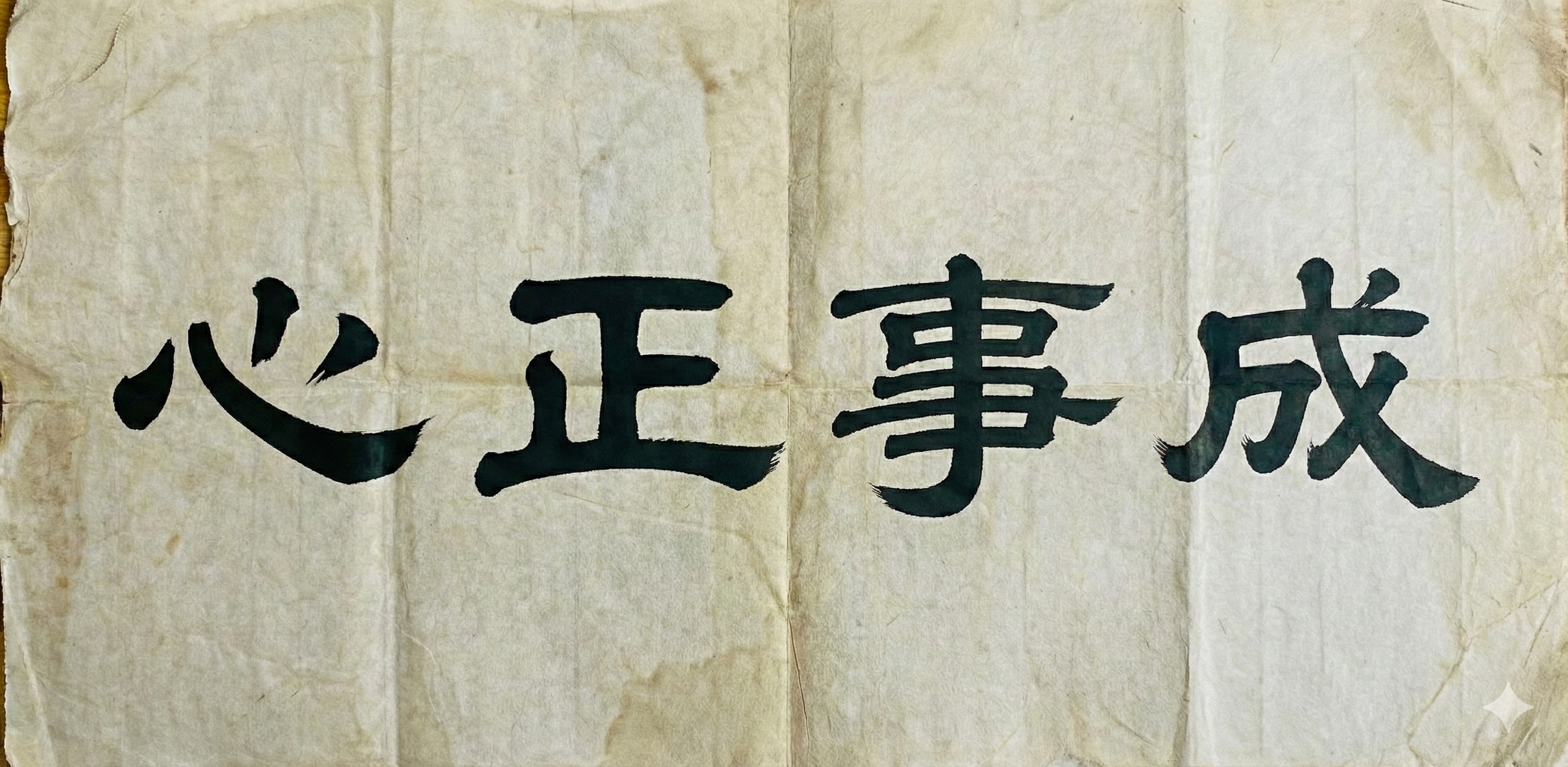
○ Suggestions for practicing regular script calligraphy
In the lesson "Psychological Mechanisms and Reinforcement Cycles of Gambling Behavior", the squareness and steadiness of regular script can serve as an exercise in combating impulses and wishful thinking: each stroke is straightened, as if rebuilding one's inner order.
- Introduction to the characteristics of regular script:
Regular script emphasizes straight horizontal and vertical strokes and a balanced structure, requiring the writer to slow down and pay attention to the beginning and end of each stroke. This process of "slowing down" helps to combat the urgency, excitement, and loss of control brought about by gambling. - Written words:
Knowing when to stop and maintaining moderation
Know When to Stop, Guard the Line - Psychological Intention:
When writing down "knowing when to stop and maintaining boundaries," you can reflect on the three boundaries you most want to uphold in gambling-related behaviors. For example, "not gambling with borrowed money," "not betting when emotionally extreme," and "not continuously refreshing your account balance until late at night." Make sure each transaction corresponds to a specific rule. - Penmanship techniques:
It is recommended to deliberately slow down the speed of each horizontal stroke, pausing slightly before finishing; for vertical strokes, let them fall steadily from top to bottom, without rushing to "finish" them. Treat this rhythm as practice: pause for an extra second before acting impulsively, and take an extra deep breath before making a decision. - Emotional transformation:
If you feel guilty about your gambling history, you can write in the margin after the exercise: "I am learning to stop, and I am learning to choose again." Let the calligraphy become a testament to "from disorder to gradual order," rather than just a beautiful writing exercise.
○ Gambling reinforces the cycle: Art therapy guidance suggestions
This page uses simple diagrams to help you visualize the "gambling reinforcement cycle," seeing how you gradually get caught up in it and how to find the exit point. Drawing is for awareness and organization and does not replace professional financial, legal, or psychotherapeutic advice.
1. Draw your "cycle": from trigger to consequence
- Draw a circle on a piece of paper, divide it into several small squares, and write down the steps you are familiar with in each square: seeing an advertisement/receiving an invitation, feeling down or excited, starting to bet, winning or losing briefly, continuing to increase the bet, regretting afterwards, etc.
- Connect the squares with arrows to form a complete loop. Mark the loop that's hardest for you to stop, such as "Just won a little" or "Feeling like I'm about to win back my losses".
- Draw an "exit line" between any two cells and write down the new behaviors you would like to try in the future, such as "leave the scene for 10 minutes first", "message someone first", or "go outside and get a glass of water first".
II. Reconstructing the "Non-Gambling Reward Map"“
- Draw a large circle on another piece of paper, divide the circle into several areas, and write down small things that bring you satisfaction: exercise, creating, chatting with friends, learning new skills, quietly drinking tea, taking a walk, etc.
- Next to each area, write a "minimum viable version," such as "just a 10-minute walk," "just 5 lines of text," or "just a short phone call." The key is feasibility, not perfection.
- Finally, write on the edge of the circle: "Reward systems can be rebuilt; gambling doesn't have to be the only option." Place this image where you're likely to gamble or visit related websites.
Tip: If you feel a strong urge or guilt while drawing, you can pause your practice, take a few slow abdominal breaths, or get up and walk around briefly to let your body relax a little before continuing.
Please log in before submitting your drawings and feelings.
○ 1564. Psychological Mechanisms and Reinforcement Cycles of Gambling Behavior: Journal-Guided Suggestions
① Recall your most memorable gambling experience and write down the entire process in the order of "triggering situation - thought - emotion - behavior - result".
② Mark the two most critical points in your opinion: one is "the place where it is most likely to be pulled into the loop", and the other is "the place where, if there were other options, we might have been able to stop".
③ Write down three new behaviors you would be willing to try to break the cycle in the future, such as "delaying the decision for 15 minutes", "leaving the scene first", and "contacting a trusted person first".
④ Finally, write yourself an encouraging sentence, not to deny the past, but to acknowledge that you are practicing new ways of responding, such as: "I was once trapped in a cycle, but I am learning to draw an exit."“
Please log in to use.
The reinforcing cycle of gambling is not fate, but a psychological program that can be seen, marked, and dissected. The clearer you understand how it works, the more opportunities you have to write new programs and find a way out for yourself.
 EN
EN  ZH
ZH  ES
ES  FR
FR  JA
JA