

Lesson 1565: The Role of the Reward System and the Dopamine Mechanism in Gambling
Duration:60 minutes
Topic Introduction: This course focuses on the brain's reward system and the role of dopamine in gambling, helping you understand why, even knowing you're "inevitably going to lose in the long run," your brain keeps pulling you back to the gambling table, lottery machine, or online platform. We'll explain in simple terms that dopamine isn't a "happy hormone," but rather an "anticipation signal"—that feeling of "something's about to happen," prompting you to keep pressing the betting button. The course will break down how random rewards intensify the dopamine response, how "almost winning" and "wanting to recoup losses" enhance the brain's sensitivity to gambling cues, and how sleep deprivation, stress, alcohol, or drugs further amplify impulses. This course isn't about blaming you for lacking willpower, but about showing you that you're being pulled by a understandable and trainable neural mechanism. Only by understanding this mechanism can you consciously adjust stimulus intensity, rebuild other reward sources, and lay a scientific and clear foundation for subsequent behavioral change and relapse prevention.
○ Key points of the reward system and dopamine mechanism
- Dopamine is a signal of "expectation":It's closer to the excitement of "something's about to happen" than simple happiness; fluctuations occur before and after placing bets.
- Random rewards are most effective at "hooking" the brain:The alternation of winning and losing makes the dopamine response highly unstable, yet exceptionally strong.
- Approaching the winning effect:“A situation that is "almost there" can be misinterpreted by the brain as "close to success," leading to higher dopamine levels and prompting the bettor to continue betting.
- Expected error:When the outcome is better or worse than expected, dopamine levels fluctuate significantly, and the brain adjusts its judgment on whether to play again next time.
- Stress and emptiness amplify impulses:When people are tired, lonely, or depressed, their brains crave rapid dopamine stimulation, making gambling a convenient outlet.
- The reward pathway has been "simplified":Long-term reliance on gambling for excitement can diminish sensitivity to other everyday rewards (interpersonal connection, sense of accomplishment, leisure).
▲ AI Interaction: Detect Your "Dopamine High Moments"“
Please recall the last few times you gambled or had a strong urge to gamble, and describe the scene in words: where you were, who you were with, and what the environment was like.
Next, write down your inner feelings at that time: Was it boredom, depression, anger, loss, or excitement and a desire to prove yourself? These could all be the starting points for dopamine to be "warmed up".
Let me make a note of what your body reacts in those moments when you are about to place a bet, almost win, or just win back your losses. For example, your heart rate increases, your palms sweat, and your breathing becomes shallow.
Click the button below to let AI help you create a "Personal Reward System Profile" to see which cues and situations most easily ignite your impulses.
○ Reward System and Awareness Training · Music Therapy
It is recommended to choose instrumental music with a steady rhythm and gradually unfolding layers, and listen for 10–15 minutes in a space free from screen interference.
While listening, write down three types of experiences on paper: the first type is the "highlight moment" that gambling brings you (excitement, tension, self-forgetfulness); the second type is the "low point" feeling left afterward (emptiness, regret, insomnia); the third type is the sense of satisfaction you have experienced from other activities (creation, exercise, deep dialogue).
Music helps you see that the brain doesn't only get dopamine through gambling; it also remembers other, more stable, and gentler sources of reward.
○ Oriental healing tea
Recommended drinks:Roasted Rice Matcha Blend
Recommended reasons:Matcha brings alertness and focus, while the roasted aroma of brown rice provides a solid, warm, and grounding feeling. When dopamine levels fluctuate wildly, this combination of alertness and stability helps to draw attention away from strong stimuli and back to the present physical sensations.
usage:Take 1 teaspoon of matcha powder and 1-2 teaspoons of genmaicha (brown rice tea), and brew with hot water at around 80℃. First, smell the aroma three times, then sip slowly. With each sip, pause for one or two breaths to observe the temperature changes in your mouth and abdomen.
○ Japanese Dietary Therapy: Salmon Genmai Chazuke (Salmon Brown Rice Tea Soup)
Made with brown rice as a base, topped with a small amount of grilled salmon, seaweed, and sesame seeds, then drizzled with hot ochazuke (brown rice tea) or clear broth. The aroma of tea and rice blend together, providing a satisfying meal without being overly greasy. It's a gentle way to unwind after a long day of stress or staying up late, a simple bowl of ochazuke that reminds you that recovery and healing deserve to be rewarded.
Healing Recipes
/home2/lzxwhemy/public_html/arttao_org/wp-content/uploads/cookbook/hotate-yaki.html(Please confirm that hotate-yaki.html has been uploaded)Free Mandala Healing (Watch)
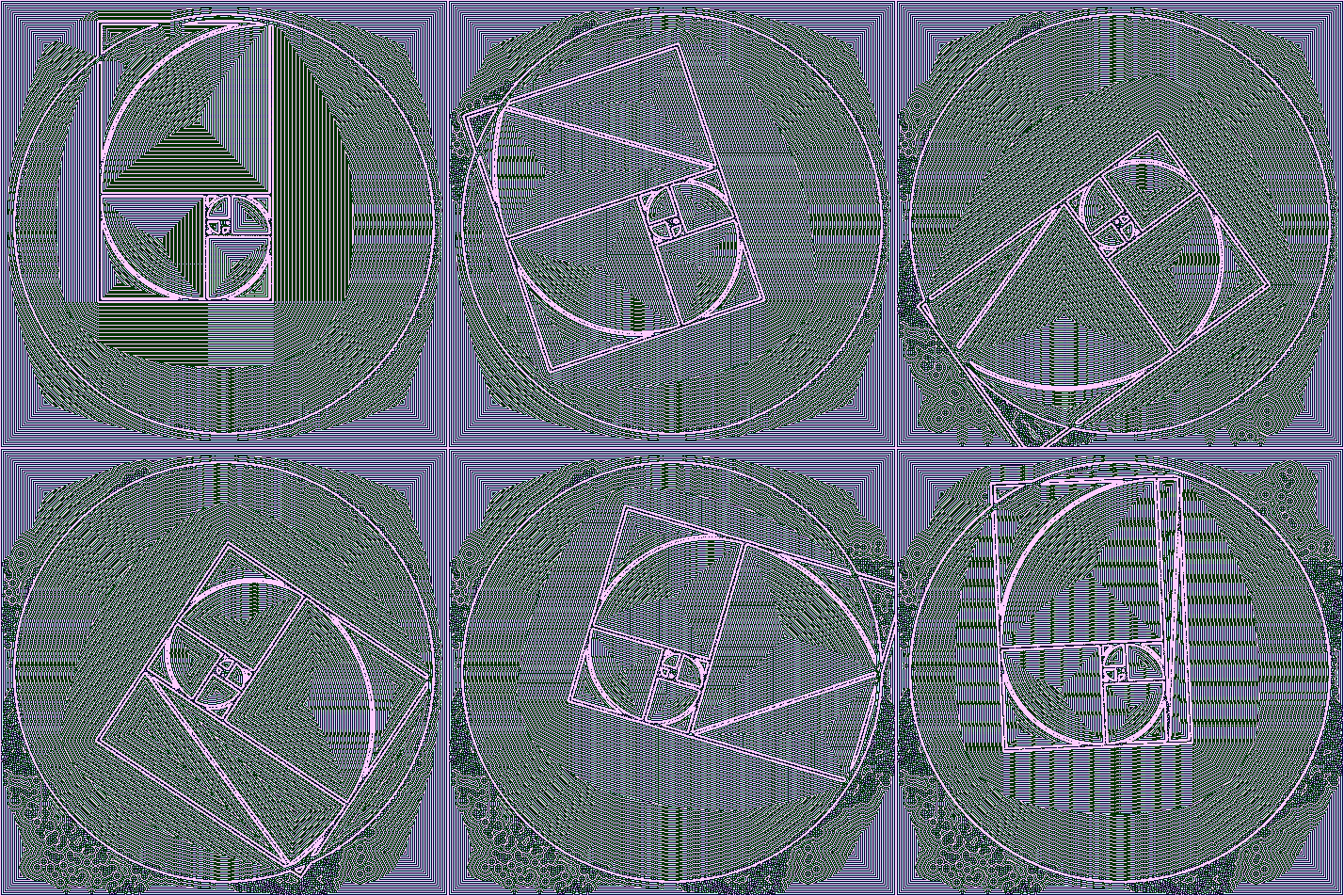
Image Therapy: Dopamine Peaks and Troughs 01
Please remember: a mandala is not about drawing something, but about observing it. Imagine the mandala before you is composed of concentric bands of light and dark color, like undulating waves of reward signals. Some areas have saturated colors and strong contrasts, while others are gentle and close to earth tones.
When viewing, there's no need for analysis; simply let your gaze move back and forth between the "intensely stimulating" bright colors and the "stable" soft colors. Whisper to yourself, "I can learn to retreat from the peaks to the plains, and I can also discover details worth lingering over on the plains." This is a gentle re-education of the reward system, not suppression or denial.
○ Suggestions for practicing regular script calligraphy
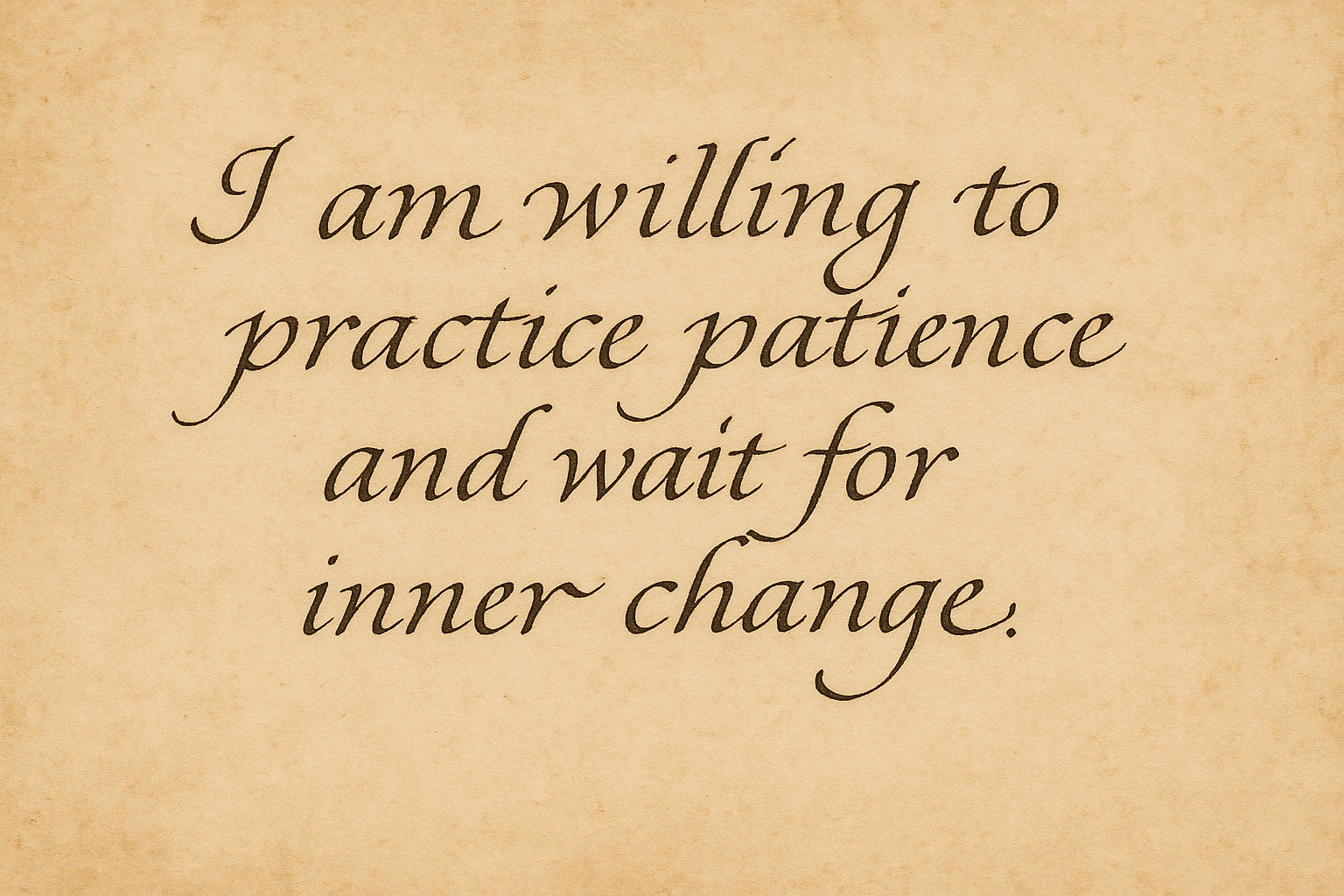
Under the theme of "reward system and dopamine mechanism", regular script practice can be a method to train "stable rhythm": when external stimuli are noisy, keep the speed and structure of each stroke in your hand.
- Introduction to the characteristics of regular script:
Regular script emphasizes straight horizontal and vertical strokes, clear beginnings and endings, and requires even force and sustained focus. Unlike the rapid button-pressing in gambling, regular script deliberately prolongs the time, allowing the brain to adapt to the rhythm of "non-strong stimulation." - Written words:
Use stillness to control movement
Calm Steadies Impulse - Psychological Intention:
When writing about "using stillness to control movement," you can recall which gambling clues you are most easily triggered by, such as push notifications, "battle situation sharing" in chat groups, or the lights and sounds of an entertainment venue. As you write, imagine: when these clues appear, can you first allow yourself to "still" for three breaths before deciding whether or not to take action? - Penmanship techniques:
When making vertical strokes, it is recommended to move steadily downwards from top to bottom without rushing to finish; pause slightly at the end of horizontal strokes before gently lifting the brush. Each pause is an exercise in "taking a second look at the consequences before the reward arrives." - Emotional transformation:
If you often regret your impulsiveness, you can write next to your practice session, "I am learning to make my brain like a slower pace." Let the calligraphy be a testament, rather than demanding perfection from yourself immediately.
○ Reward Systems and Dopamine: Guiding Suggestions for Art Therapy
This page uses simple diagramming exercises to help you visualize how your brain chases rewards, allowing you to see how you've been driven by high-stimulation behaviors over time, as well as other, gentler, but more sustainable sources of satisfaction. Drawing is for awareness and integration purposes only and is not a substitute for professional medical or psychological evaluation.
1. Draw a "Dopamine Valley Diagram": a comparison of peaks and troughs.
- Draw a horizontal timeline on a piece of paper, from "wake up" to "bedtime," and use wavy lines to represent the changes in mood and excitement throughout the day.
- Mark the time periods when you usually gamble or have a strong urge to gamble, use higher peaks to represent dopamine peaks, and write down "what you were thinking before" and "what happened after" next to the peaks.
- Write down feelings like "tired, empty, lonely, stressed" in the valley, and let yourself see that the brain is not pursuing peaks for no reason, but is escaping certain valleys.
II. Design a "Reward Map with Multiple Exits"“
- Draw a large circle, write "A Worthy Life" at the center, and branch outwards into several lines, labeled as: Body, Relationships, Growth, Creation, Peace, and Play.
- Write down two or three small things you can do in real life on each branch, such as "taking a 15-minute walk", "sending a sincere message to a friend", or "completing a short exercise or creative project".
- Use color to mark the one or two items that are easiest to implement at present, as "backup options" to replace gambling stimulation in the future. It is not required to completely replace them immediately, but just start to gradually increase them.
Tip: If you experience strong impulses or feelings of shame while drawing, stop, drink some hot tea, take three slow, deep breaths, and then continue. You are not criticizing yourself, but rather redesigning a safer, more flexible reward map for your brain.
Please log in before submitting your drawings and feelings.
○ 1565. Reward Systems and Dopamine Mechanisms: Log-Based Guidance Suggestions
① Record three moments in the past week when you felt “especially wanting to gamble”, and write down the context, emotions, and physical reactions at the time.
② Label these three moments as either "escaping a trough" or "pursuing a climax" to see what the underlying needs are.
③ Write down one possible alternative behavior for each moment, such as contacting a friend, doing a short workout, or soothing yourself with music and hot tea.
④ Finally, write a summary of today's events, for example: "I'm starting to understand my brain instead of just blaming it."“
Please log in to use.
When you begin to understand your reward system, dopamine is no longer just a force that pushes you toward gambling; it can also be guided to support longer-lasting and gentler life satisfaction.
 EN
EN  ZH
ZH  ES
ES  FR
FR  JA
JA