

Lesson 1568: The Comorbid Relationship Between Gambling Disorder and Anxiety and Depression
Duration:60 minutes
Topic Introduction: This lesson focuses on the two-way relationship between gambling disorder and emotional distress such as anxiety and depression. Many people don't gamble "because of greed," but initially use it to temporarily escape insomnia, tension, emptiness, low self-esteem, and interpersonal pressure: in the flashing lights and brief stimulation, anxiety seems to be paused, and depression is temporarily covered by the fantasy of "winning once and it'll all be over." However, in the long run, economic pressure, lies, and relationship conflicts can in turn exacerbate anxiety and depression, causing feelings of self-blame, hopelessness, and loss of control to accumulate, and even leading to self-harm or suicidal thoughts. This lesson will help you identify: which emotional distresses are "pushing you to gamble," and which are amplified after gambling; how to distinguish between pre-existing emotional disorders and gambling-induced emotional deterioration; and why addressing anxiety, depression, and sleep problems simultaneously during the process of quitting gambling is a crucial step in reducing the risk of relapse. The goal is to help you understand that you are not "weak-willed," but have been using a single method to combat heavy emotions for a long time, and now you can try a gentler and more effective approach.
○ Key points regarding the intertwining of anxiety, depression, and gambling disorder
- Emotion regulation function:Gambling often plays a "quick anesthetic" role in the early stages, temporarily reducing anxiety and feelings of emptiness.
- A vicious cycle is formed:The fluctuations in winning and losing cause strong emotional ups and downs, further disrupting sleep, concentration, and emotional stability.
- Self-blame and shame:Anxiety and depression are often exacerbated by self-criticism such as "Why can't I control myself again?"
- Comorbidity risk:Some individuals already have generalized anxiety disorder, major depressive disorder, or bipolar disorder, and gambling complicates their symptoms.
- Treatment suggestions:Simply "controlling oneself from gambling" is often not enough; it is necessary to address emotional disorders, sleep patterns, and daily routines simultaneously.
▲ AI Interaction: Please identify the chain of "emotion first, gambling second".
Recall the last two or three severe gambling impulses or behaviors, and write down your emotional state and events in the 24 hours prior to them: whether there were stressful conversations, work setbacks, loneliness, or insomnia.
Write down your emotional changes in the 24 hours following gambling: what percentage of each you experienced: anxiety, depression, self-blame, and numbness.
Finally, ask yourself this question: "If I didn't rely on gambling, how else could I cope with these emotions?"“
Click the button below to let AI help you organize these experiences into a "emotion-gambling-emotion" chain diagram, which can serve as a reference for subsequent treatment and self-help practice.
○ Soothing comorbid emotions: Music therapy
When you feel a mix of emotions—wanting to gamble, feeling exhausted, and feeling guilty—you can play a piece of instrumental music with a steady rhythm and gentle melody.
It is recommended to focus solely on your breathing and physical sensations for one or two minutes before the music starts: feel the tension in your chest, shoulders, and stomach, and silently tell yourself, "I know you are tired."“
In music, you can gently write down three words: your strongest emotion at this moment, your most feared consequence, and your most desired need to be seen, letting the music become the background for your dialogue with yourself.
○ Oriental healing tea
Recommended drinks:Aged Peel & Pu-erh Tea
Recommended reasons:The mellow sweetness of Pu-erh tea and the refreshing aroma of aged tangerine peel can help relieve chest tightness, stomach discomfort, and tension. It is suitable as a "grounding" support when feeling heavy-hearted and repeatedly blaming oneself, allowing the mood to calm down a little from chaos and internal conflict.
usage:Take 3 grams of Pu-erh tea and a suitable amount of dried tangerine peel. First, moisten the tea leaves with warm water, then pour in hot water at 90–95℃. Sip slowly. While drinking the tea, write down a word or phrase to describe your feelings every few sips, making the tea a rhythmic marker of your emotions.
○ Japanese Dietary Therapy: Kinpira Gobo (Burdock)
Shredded burdock and carrots, stir-fried with a little soy sauce, mirin, and sesame oil, offer a crisp texture and are rich in fiber, which helps stabilize blood sugar and prolong the feeling of fullness. As an everyday side dish, it doesn't feel heavy and symbolizes a "simple and down-to-earth" pace of life, providing a sensory transition from the high-stimulation gambling environment back to ordinary daily life.
Healing Recipes
/home2/lzxwhemy/public_html/arttao_org/wp-content/uploads/cookbook/tako-daikon.html(Please confirm that tako-daikon.html has been uploaded)Free Mandala Healing (Watch)
Image Therapy: Finding a Quiet Layer in the Emotional Vortex 02
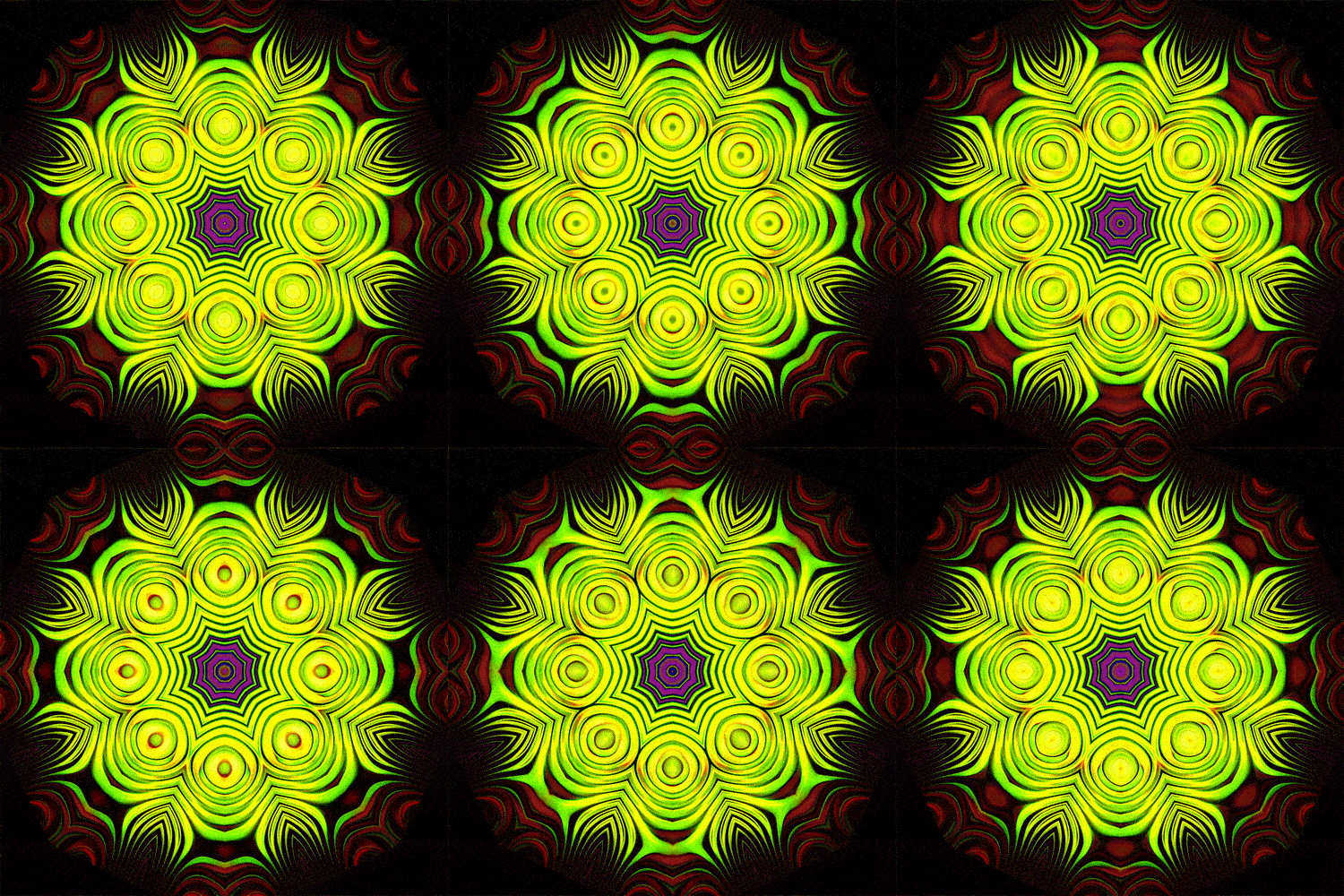
Please remember: a mandala is not about drawing something, but about observing it. Imagine a mandala where the outer circle has rapidly spinning lines, like the flickering lights of anxiety and gambling; the closer you get to the inner circle, the slower and softer the colors and lines become. You only need to observe quietly, letting your gaze slowly shift from the "rush" of the outer circle to the "quiet" of the inner circle.
While watching, you can coordinate your breathing: inhale when looking at the outer circle, acknowledging "I am very confused right now"; exhale when looking at the inner circle, telling yourself, "I allow myself to slow down a little." Don't rush to change your emotions; simply train your nervous system to perceive the process of moving from high arousal to moderate or slightly low arousal through watching.
○ Suggestions for practicing regular script calligraphy
Under the theme of "gambling disorder and comorbidity of anxiety and depression", regular script can be a gentle and structured companion: with each stroke, the chaos of emotions can be slowly written into readable sentences.
- Introduction to the characteristics of regular script:
Regular script emphasizes distinct strokes and a stable structure, with each character finding its place within the grid. Similarly, in the treatment of comorbidities, space needs to be reserved for anxiety, depression, and gambling addiction, rather than crowding everything into the conclusion, "I have problems, therefore I'm worthless." - Written words:
See the same cause
Seeing All Roots Together - Psychological Intention:
When writing "seeing the cause," you can gently remind yourself: today's predicament is not caused by a single flaw, but by the interplay of various emotions, experiences, and circumstances. The goal is not to find the "culprit," but to see the overall picture and thus choose the next step more gently. - Penmanship techniques:
Pause slightly at the beginning and end of horizontal strokes to symbolize "leaving a half-second gap between emotions and actions"; keep the brushstrokes steady in vertical strokes and do not rush to fall, practicing maintaining basic life structure such as regular eating and sleeping even when feeling down. - Emotional transformation:
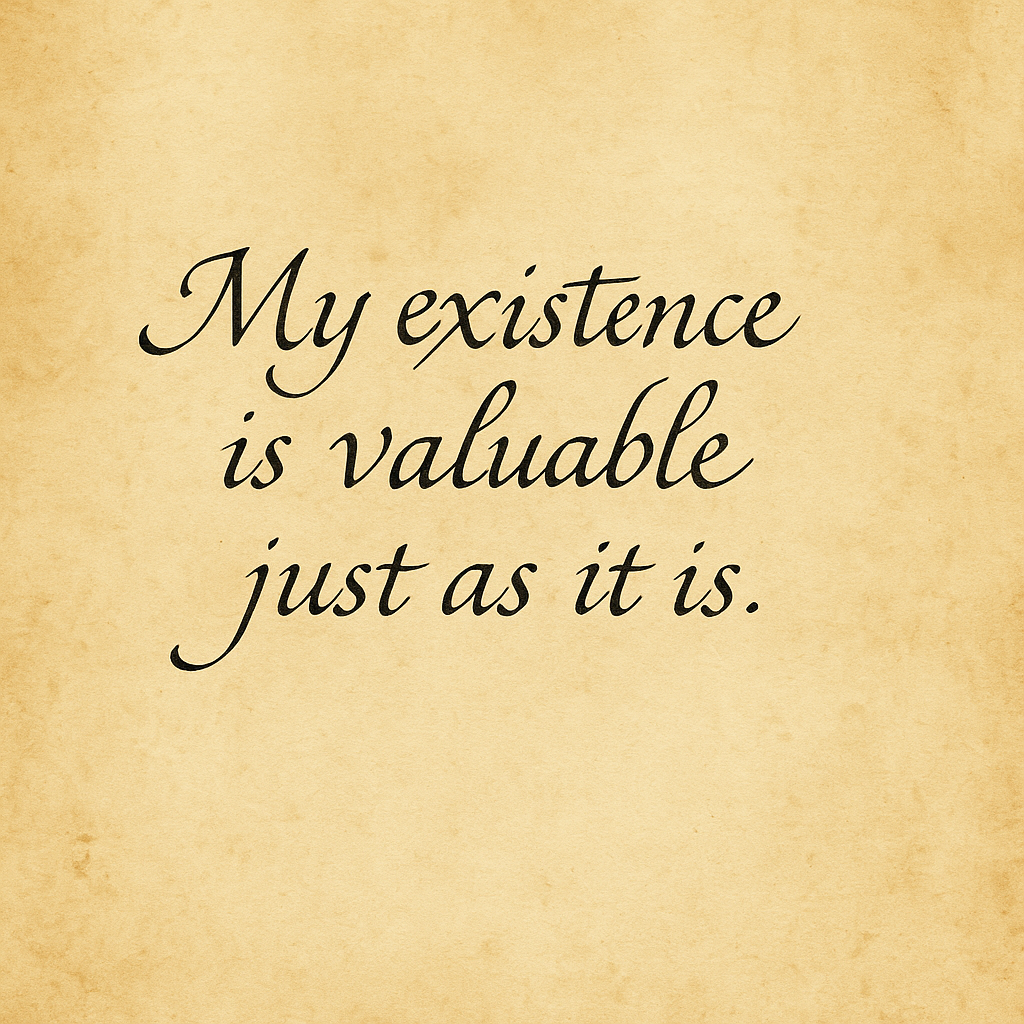
If thoughts like "I'm terrible" or "It's all my fault" arise while writing, you can add a short line next to it: "I am learning to understand myself, and I don't need to be perfect right away." Let regular script practice become a bridge for you to move from self-blame to understanding.
○ The comorbid relationship between gambling disorder and anxiety/depression: Guiding suggestions for art therapy
This page uses visual aids to help you see that the relationship between anxiety, depression, and gambling is not a simple cause-and-effect relationship, but rather a complex network of intertwined lines. The drawings are for self-understanding and do not replace professional psychiatric or psychological evaluations.
I. Emotion-Behavior Cycle: From "Stress" to "Loss"“
- Draw a circle on a piece of paper, dividing it into several nodes: stressful event → increased anxiety or depression → desire to escape the current situation → gambling impulse → actual betting → brief relief → self-blame and loss → interpersonal conflict or financial pressure → renewed emotional distress.
- Write down real-life examples from the past month for each node, even if it's just a few keywords.
- Use one color to mark the "emotional stage" and another color to mark the "behavioral stage," visually distinguishing where you can try to make changes first.
II. The Emotional Thermometer: Differentiating Between "Needing Rest" and "Heading Towards Collapse"“
- Draw an "emotional thermometer" from 0 to 10, marking the intensity of anxiety and depression; write down the signal "Can still work but needs attention" in the 0-3 area, "Needs to reduce burden and seek support" in the 4-7 area, and "May need professional intervention and safety assessment" in the 8-10 area.
- Looking back over the past three months, mark the points next to your scores if you were more prone to impulsive gambling or self-harming thoughts when you scored above 8.
- Next to areas 4–7, write down three alternative ways to "cool down" from gambling, such as taking a walk, soaking your feet, journaling, contacting someone you trust, or using online support resources.
Tip: When you map out your emotions, behaviors, and outcomes, you've already shifted from being "involved" to "observing." If you find yourself in a state of prolonged high fever, please consider seeking professional evaluation and support as soon as possible.
Please log in before submitting your drawings and feelings.
○ 1568. The comorbid relationship between gambling disorder and anxiety/depression: journaling guidance suggestions
① Choose your most recent gambling impulse or behavior, and write down what you were worried about, afraid of, or desperate about at the time.
② Place this experience in the sequence of "emotion - gambling - emotion" and see if you have other alternative reactions at each stage.
③ List three things that are unrelated to gambling but often make you feel slightly relaxed, as potential alternatives for the future.
④ Finally, write down a sentence: "When I am feeling very emotional, I hope I can remember first..." to remind my future self.
Please log in to use.
When you begin to distinguish between "emotional pain" and "secondary harm caused by gambling," you are already working towards a gentler and more lasting path to healing.
 EN
EN  ZH
ZH  ES
ES  FR
FR  JA
JA