

Lesson 157: The Combination of Drug Therapy and Psychotherapy
Duration:70 minutes
Topic Introduction:
In the recovery process from panic disorder and anxiety disorder, "medication vs. psychotherapy" is not an either-or choice.
The correct understanding is: **Medication helps stabilize your nervous system, while psychotherapy helps you change long-term thought and behavioral patterns.**
When used together, your brain learns more easily, your body relaxes more easily, and exposure training is more stable. This lesson will help you understand their roles, boundaries, and optimal combinations.
○ The best combination of medication and psychotherapy
- Medications reduce excessive physiological alertness:SSRIs and SNRIs can reduce panic sensitivity, making it easier for you to perform exposure exercises.
- Psychotherapy changes the "habitual fear circuit":Exposure therapy and CBT can reshape how you interpret bodily sensations and external situations.
- Parallel advancement rather than replacement:Medication is not a "solution"; psychotherapy can provide long-term, stable results.
Lesson 157: The Combination of Drug Therapy and Psychotherapy (Click to listen to the reading and view the content)
In the recovery process from panic disorder and chronic anxiety, medication and psychotherapy are not opposing paths, but rather synergistic tools serving different levels. Many people experience an underlying conflict: on the one hand, they hope to truly change themselves through psychotherapy, while on the other hand, they hesitate or feel guilty about using medication, as if it signifies weakness or failure. However, from a clinical perspective, medication doesn't "solve the problem" for you, but rather provides a temporarily stable physiological environment for the brain, allowing psychotherapy to function more effectively. Medication focuses on reducing the nervous system's hypervigilance, freeing you from the control of persistent, high-intensity symptoms; while psychotherapy helps you understand, cope with, and reshape your fear response patterns. Without psychological intervention, relying solely on medication often leads to renewed anxiety when tapering or stopping medication; and during periods of high symptom activity, relying solely on mental exercises may be difficult for the body to cooperate with. Truly effective cooperation involves viewing medication as background support to "reduce noise," not as the main focus. Only when the physiological storm subsides slightly can you have space to observe your thoughts, behaviors, and emotional responses. It's important to emphasize that psychotherapy does not become ineffective with medication; on the contrary, it often deepens more effectively with medication support. You still need to confront your fears, practice exposure, and learn to remain and bear; these core processes cannot be replaced by any medication. Furthermore, whether to use medication, for how long, and how to adjust should be done under the guidance of a professional physician, not driven by fear or moral judgment. Remember, you are not "living on medication," but rather creating conditions for recovery. As you gradually build stable psychological capacity, the role of medication will naturally change. The real goal is not to rely on a single method, but to gradually return you to a bearable and resilient state on both physiological and psychological levels.
▲ AI Interaction: What is your biggest question about "medication + psychotherapy"?
You can tell me your concerns: Will I become dependent on it? Will I be unable to stop? Will it affect my training?
Let's break down your vague concerns into understandable and discussable parts together.
Medication is not a sign of weakness, but rather a tool to "reduce pain and enable you to learn."
You are still in control of your own recovery.
Many people starting medication experience increased tension at night. Soft, rhythmic music can help the body adjust to this "re-establishment of a sense of security."
Listening to calming music for a few minutes before or after psychotherapy can also improve the absorption of the practice.
○ Eastern Healing Tea - Light Pu-erh (Raw or Roasted)
Recommended reasons:The warm and stable properties of Pu-erh tea can alleviate the mild tension that often occurs during the onset of medication, making it easier for the body to adapt to the new rhythm.
practice:Brew gently with hot water at 85–90℃. The tea should not be too strong and is suitable as a calming preparation before treatment.
○ Stable Dietary Therapy - Yam and Lemon Aromatic Salad (ID157)
During the phase of combining medication and psychotherapy, the body needs a gentle, stable, and non-stimulating nourishment. Yam symbolizes fundamental support, helping the body maintain its rhythm; the refreshing aroma of lemon brings clarity and balance. This salad is suitable for consumption during the treatment and adjustment period, reminding you that recovery is not about fighting, but about harmonizing.
Coordinated Regulation
Mild support
Open Recipe
◉ Japanese Dietary Therapy: Sweet Potato and Lemon Salad (ID 157)
This is a cold salad centered on the principles of "cleansing, stabilizing, and soothing." It uses diced Japanese taro (Nagaimo), which can be eaten raw, tossed with lemon juice and a small amount of lemon zest, resulting in a clean, tangy flavor and a light, rhythmic chewing motion. The mucilage of the taro gently coats the stomach lining, helping to relieve stress-induced acid reflux and tension-related stomach discomfort; while the crisp, crunchy texture, through a steady chewing rhythm, draws attention back to the present moment from excessive thinking. It is suitable as a "low-stimulation, sustainable" daily support during medication adjustment or mental training periods, allowing the body to gradually restore balance without disturbance.
Soothes and calms irritability Gentle stomach protection stable rhythm
I. Recommended Dietary Therapy and Reasons
Recommended dishes:Sweet Potato and Lemon Salad (ID 157)
Recommended reasons:During the recovery process from panic and anxiety, the body is often in a state of "high alertness and high consumption," with the stomach bearing the brunt of the stress. Taro is rich in mucoprotein and polysaccharides, which help protect and repair the gastric mucosa, reducing heartburn and discomfort caused by tension; it also contains digestive enzymes such as amylase, reducing the digestive burden. The tangy aroma of lemon promotes saliva secretion, making swallowing and eating smoother, and its refreshing scent helps the brain escape from drowsiness and anxiety. The advantages of this dish are its light flavor, low burden, and stable rhythm, making it suitable for long-term consumption to establish a sense of "daily stability."
2. Recipe and Method
Recipe (1–2 servings):
- Japanese Naga Yam (Raw Yam) 200g
- Juice of 1/2 fresh lemon
- A small amount of lemon zest (key source of aroma)
- 1 teaspoon of light soy sauce (or shirade sauce)
- 1 teaspoon of olive oil
- a pinch of salt
- 2–3 perilla leaves (finely shredded, optional)
- A few white sesame seeds (optional)
- Wasabi, very little (optional, subtle).
practice:
- Protection:It is recommended to wear gloves when handling taro to avoid skin contact with the sap, which can cause itching.
- Diced:Peel the taro and cut it into small cubes of about 1–1.5 cm for a crisper texture and a more "rhythmic" feel.
- Deacidity removal and whitening (optional):Soak diced taro in diluted vinegar water for 1–2 minutes, then drain.
- Prepare the sauce:In a bowl, combine lemon juice, light soy sauce, salt, olive oil, and a small amount of mustard, and stir well.
- Mix well:Add the diced taro, lemon zest, and shredded perilla leaves, and gently toss. The mucilage will naturally emulsify the sauce and coat the surface evenly.
- refrigeration:Chill for 10 minutes before eating for a clearer aroma and a more consistent taste.
3. Small rituals for body and mind
Keep your breathing even while dicing, and make each cut at the same speed, as if you are establishing a "predictable" rhythm for your brain.
When mixing in lemon zest, first take a sniff of the aroma before stirring, using your sense of smell to draw your attention away from your thoughts and back to your body.
Slow down your chewing, listen to the crisp cracking sound, and let it become a gentle "anchor of the present moment".
4. Dietary Therapy Experience Record
- Record whether the stomach feels lighter, warmer, or more stable within 30 minutes after consumption.
- Observe whether the jaw and neck relax naturally during chewing.
- Pay attention to whether your mind is clearer and whether it is easier to return to the task at hand after eating.
V. Instructional Videos (approximately 3–5 minutes)
◉ Video Title:Sweet Potato and Lemon Salad: Refreshing and Stomach-Soothing
6. Precautions
- Variety selection:Please be sure to purchase“"Japanese Naga Potato" or "Crispy Yam That Can Be Eaten Raw"”It is not recommended to eat regular yams raw.
- Allergy test:A small number of people are sensitive to the mucus of raw yam (itching of the lips). If you are consuming it for the first time, please try a small amount first.
- Treatment for itchy hands:If your hands itch after peeling, you can wash them with vinegar water or apply a warm compress briefly to relieve the itch.
- People with weak stomachs:If you are sensitive to acidity, you can reduce the amount of lemon juice or replace some of the acidity with a small amount of white juice.
hint:This dish supports recovery with its "low-stimulation + stable rhythm" approach, making it suitable for use in conjunction with regular mental exercises.
○ Chinese Calligraphy: Suggestions for Practicing Running Script - Lesson 157
Written words:
Ninghe Zhiyuan
In-depth analysis:
“"Peace and harmony lead to far-reaching goals" does not mean pursuing rapid improvement, but rather emphasizing the coordination of the internal system.
The natural flow of the running script symbolizes the parallel and non-conflicting nature of medication and psychological work.
When inner peace gradually settles, the path to recovery can go further.
Writing Skills (Advanced Version):
- The strokes begin gently:Avoiding haste symbolizes establishing a solid foundation.
- Spacing is generous:Leave room, just like the rhythm of therapy.
- The brushstrokes are fluid and continuous:This represents the synergy of two methods.
- The ending is subtle:Don't force the outcome.
- Write repeatedly:Let "coordination" enter the body's memory.
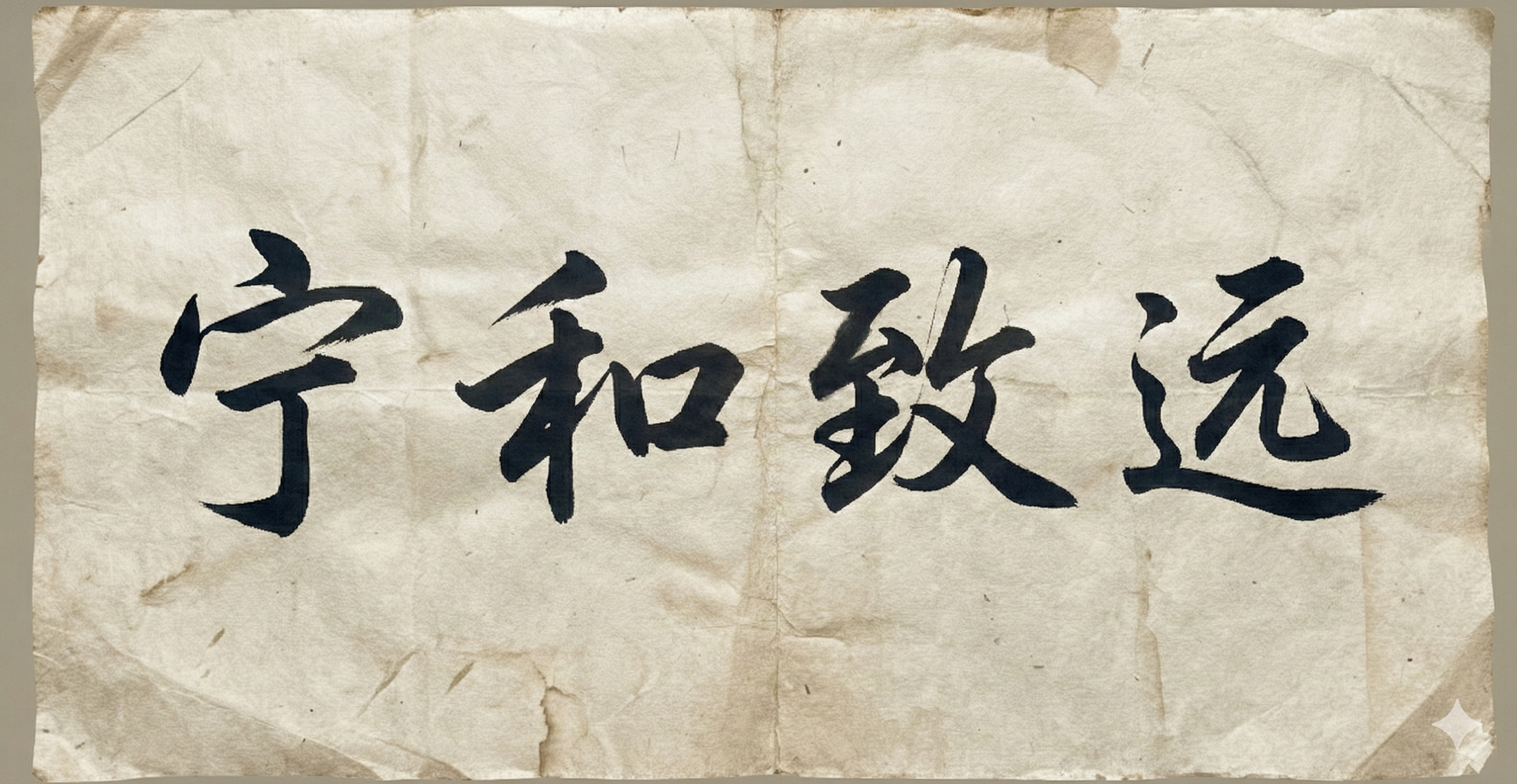
Image Healing: Guided Mandala Viewing - Lesson 157
Please select a mandala with a clear center and a gradually expanding outer circle.
First focus on the stability of the center, then feel the slow extension of the outer layer.
Let your gaze flow naturally between inside and outside.
A mandala is not about drawing something, but about observing it. When you allow different levels of power to coexist, restoration will unfold naturally.
The theme of this mandala is "inner and outer harmony," symbolizing the joint regulation of physiology and psychology.
◉ One gaze is sufficient; no need to repeat.

Lesson 157: Guided Drawing - Mind-Body Dual-Track Diagram
① Draw two parallel lines: the left one represents the "body" and the right one represents the "mind," and observe how they gradually approach each other.
② Different colors are used to represent "the stability of the drug" and "the transformative power of mental exercises".
③ Draw a connection point between the two lines to symbolize the beginning of cooperation between the body and mind.
Please log in before submitting your drawings and feelings.
○ 157. Drug-Assisted Therapy: Journal-Guided Recommendations
① At what moment today did I feel the stability brought by the medication?
② Which mental exercise was most helpful to me?
③ What concerns do I have about the medication? Which of these concerns are explainable?
④ Tomorrow I'm willing to try a "small-scale exercise" to allow my mind and body to continue working together.
Please log in to use.
Medication provides stability, while psychotherapy brings about change. When the two work together, your recovery path becomes more stable, clearer, and more sustainable.
 EN
EN  ZH
ZH  ES
ES  FR
FR  JA
JA