

Lesson 158: From Panic Disorder to Life Reconstruction
Duration:70 minutes
Topic Introduction:
Recovery from panic disorder is not just about "reducing the number of attacks," but about getting life back on track.
When your body no longer perceives the world as dangerous, you will gradually regain the ability to go out, socialize, work, pursue your interests, focus, and feel a sense of self-control.
This lesson will help you understand that recovery is not about going back to the past, but about building a new, more stable, authentic, and self-friendly lifestyle.
○ Key points for rebuilding life after panic
- Rebuilding rhythm:The body needs a regular routine to remain stable; consistent wake-up, meal, and exercise times are the foundation for recovery.
- Re-experience security:Start with small scenarios to help your body relearn "not to break down even when stressed".
- Restoring the multidimensionality of life:It's not just about reducing symptoms, but also about restoring social, work, psychological boundaries, and interests.
Lesson 158: From Panic Disorder to Life Reconstruction (Click to listen to the reading and view the content)
As panic attacks gradually decrease and the body stops sending out alarm signals so frequently, many people find that a new phase has quietly arrived. This is not the end of "complete recovery," but rather the starting point for moving beyond symptoms and rebuilding one's life. People long plagued by panic disorder often experience a very narrow and restrictive life, with limitations on their range of activities, planning abilities, interpersonal interactions, and even their imagination of the future. When symptoms subside, this contracted state doesn't disappear automatically; instead, it may bring new anxieties. You might ask yourself: What kind of life should I return to now? Do I still dare to plan? What if it recurs? These questions themselves don't signify regression, but rather indicate that you are facing real life anew. The key to rebuilding your life is not about immediately returning to "the old way," but about establishing a new safety structure. This structure allows for uncertainty while no longer focusing all your attention on bodily signals. You need to gradually shift your energy from "monitoring symptoms" to "participating in life," even if it's very small, such as a regular routine, predictable daily activities, and gentle interpersonal connections. During the rebuilding process, the important thing is not to force yourself to be positive, but to restore trust in your rhythms. When life presents stable moments, repetitive actions, and manageable responsibilities, the brain gradually learns: I no longer rely solely on vigilance to survive. At the same time, you need to accept the reality that people who have experienced panic disorder are often more sensitive to their own state. This is not a defect, but a capacity that needs to be repositioned. When this sensitivity is no longer used to scan for danger, but to perceive fatigue, boundaries, and needs, it becomes a protection rather than a burden. Rebuilding your life is not about returning to the old track, but about establishing a new path that better suits your true capacity. On this path, slowness, adjustment, and occasional unease are allowed. True recovery is not about no longer being afraid, but about knowing how to continue living even when fear arises.
▲ AI Interaction: What part of your life would you most like to restore?
Is it the freedom to go out? A good night's sleep? Or simply no more constant worry about the next attack?
You don't need to restore everything at once; just start with "one small thing."
Tell me the part of your life you want to rebuild, and we'll break it down into actionable steps together.
You are not starting from scratch, but from a more mature version of yourself.
During the recovery period, people are prone to entering a "semi-tense mode." Gentle music with a gradual rhythm can help the body regain a sense of rhythm in daily life.
It is recommended to listen for 3-5 minutes at a fixed time each day to restore "ups and downs" to life instead of tension.
○ Eastern Healing Tea - Light Oolong
Recommended reasons:The gentle fragrance of light oolong tea can help you regain focus and calm breathing during the "back to life" phase.
practice:Brew quickly with 85℃ hot water; the resulting tea is light and refreshing, making it a perfect morning ritual for rebuilding your life.
○ Stable Nutritional Refreshing Roasted Tomato Juice (ID158)
As we enter the rebuilding phase of life, the body needs a gentle, stable, and non-burdensome nourishment. Tomatoes, after being baked at a low temperature, release their natural sweetness, helping to soothe internal tension and providing a gentle, non-cold feeling. This soothing juice is suitable for consumption during the establishment of daily rhythms, reminding the body that stability can be gentle and continuous.
Refreshing and Balancing
Rhythm support
Open Recipe
◉ Japanese Dietary Therapy: Roasted Tomato Juice (ID 36)
This is a premium therapeutic drink called "Red Dew," inspired by "Tomato Water," a staple of modern Japanese kaiseki cuisine. Unlike regular tomato juice, this recipe involves slowly roasting tomatoes to release their rich umami and antioxidants, then filtering them to extract only the golden, clear essence. It has no fibrous texture, only a pure, sweet and sour taste. When palpitations, chest tightness, or anxiety cause your heart to race, this clear juice, rich in potassium and lycopene, can soothe your circulatory system like a tranquilizer.
Antioxidant and soothing Relieve heart palpitations Deep sedation
I. Recommended Dietary Therapy and Reasons
Recommended dishes:Roasted tomato juice (ID 36)
Recommended reasons:When tomatoes are heated and roasted, their cell walls rupture, significantly increasing the absorption rate of lycopene. Lycopene is a powerful antioxidant that can reduce the stress of oxidative stress on blood vessels and alleviate palpitations. Furthermore, the glutamate (a umami substance) released from roasted tomatoes stimulates the parasympathetic nervous system, bringing a deep sense of satisfaction and tranquility. This clear juice removes the burden of the fruit pulp, allowing the body to absorb these soothing factors at the fastest possible speed.
2. Recipe and Method
Recipe (1–2 servings):
- 3–4 fully ripe large tomatoes (about 500g)
- 1/2 teaspoon sea salt
- A little olive oil (to help release lycopene)
- One basil leaf or perilla leaf (for added aroma)
- 2–3 black peppercorns (optional)
practice:
- Cut into pieces:Wash the tomatoes, remove the stems, and cut them into large chunks.
- Baking (critical):Arrange the tomato chunks on a baking sheet and sprinkle with sea salt and a little olive oil. Bake in a preheated oven at 180°C for 20–30 minutes, or until the tomatoes are soft, the skin wrinkles, and juices are released. Baking concentrates the flavor.
- mashed:Pour the roasted tomatoes and their juices into a large bowl and gently mash them with a spoon.
- Filtration and extraction:Prepare a strainer lined with cheesecloth (or coffee filter paper) and place it on top of another clean container. Pour the mashed tomatoes into the strainer.
- Let stand:Place in the refrigerator and let it sit for 2–3 hours (or even overnight).Remember not to squeeze too hard.The juice is allowed to drip naturally under the influence of gravity, resulting in a crystal-clear, golden-yellow "clear juice".
- Enjoy:Remove the clear liquid from the bottom layer; it can be drunk cold or lukewarm.
3. Small rituals for body and mind
While waiting for the process to filter, practice the art of "non-action." Don't rush to squeeze; trust that gravity and time will give you the best results.
Looking at the glass of golden, clear liquid I had collected, I marveled at how such a pure soul could be hidden within the originally red tomatoes.
Take a small sip, feel the pure umami flavor spread on your tongue, and tell yourself: "My heart can be like this glass of water, enduring the test of time yet remaining clear."“
4. Dietary Therapy Experience Record
- Record whether your heart rate feels more stable after drinking it.
- Observe whether this pure umami gives you a sense of satisfaction that doesn't require chewing.
- Pay attention to whether your fatigue is reduced after consuming this "concentrated essence".
V. Instructional Videos (approximately 3–5 minutes)
◉ Video Title:Roasted Tomato Juice: A Golden Essence That Captures the Soul in a Single Drop
6. Precautions
- Remaining pulp:Don't throw away the remaining tomato pulp in the strainer! You can stir-fry it with some onions and garlic to make tomato pasta sauce, or make tomato soup.
- No oven version:If you don't have an oven, you can dry-fry the tomato chunks in a pan until they are soft and mushy. The effect is similar, but the caramelized flavor will be less pronounced.
- Sodium content:Because tomatoes naturally contain sodium, and the flavor is concentrated, please be careful when adding salt to avoid making them too salty and putting extra strain on your heart.
hint:This dietary therapy embodies the ultimate in "subtractive aesthetics," making it a suitable emergency drink for replenishing electrolytes and soothing the mind when you are feeling anxious and unable to eat anything.
○ Chinese Calligraphy: Suggestions for Practicing Running Script - Lesson 158
Written words:
Peace and good fortune
In-depth analysis:
“"Peace and prosperity" emphasizes a life that is not dictated by symptoms.
The fluidity of running script symbolizes a fresh start in life, rather than a rigid return to the old patterns.
When stability becomes the foundation, good fortune naturally follows.
Writing Skills (Advanced Version):
- The brushstrokes are fluid and continuous:Avoiding breakage symbolizes the continuity of life.
- Balanced rhythm:Not too fast, not too slow, in line with the daily pace.
- Structurally expansive:Leaving space for words is like leaving blank spaces in life.
- To conclude with peace of mind:Do not pursue brilliance.
- Write repeatedly:Allow a sense of security to enter your body's memory.
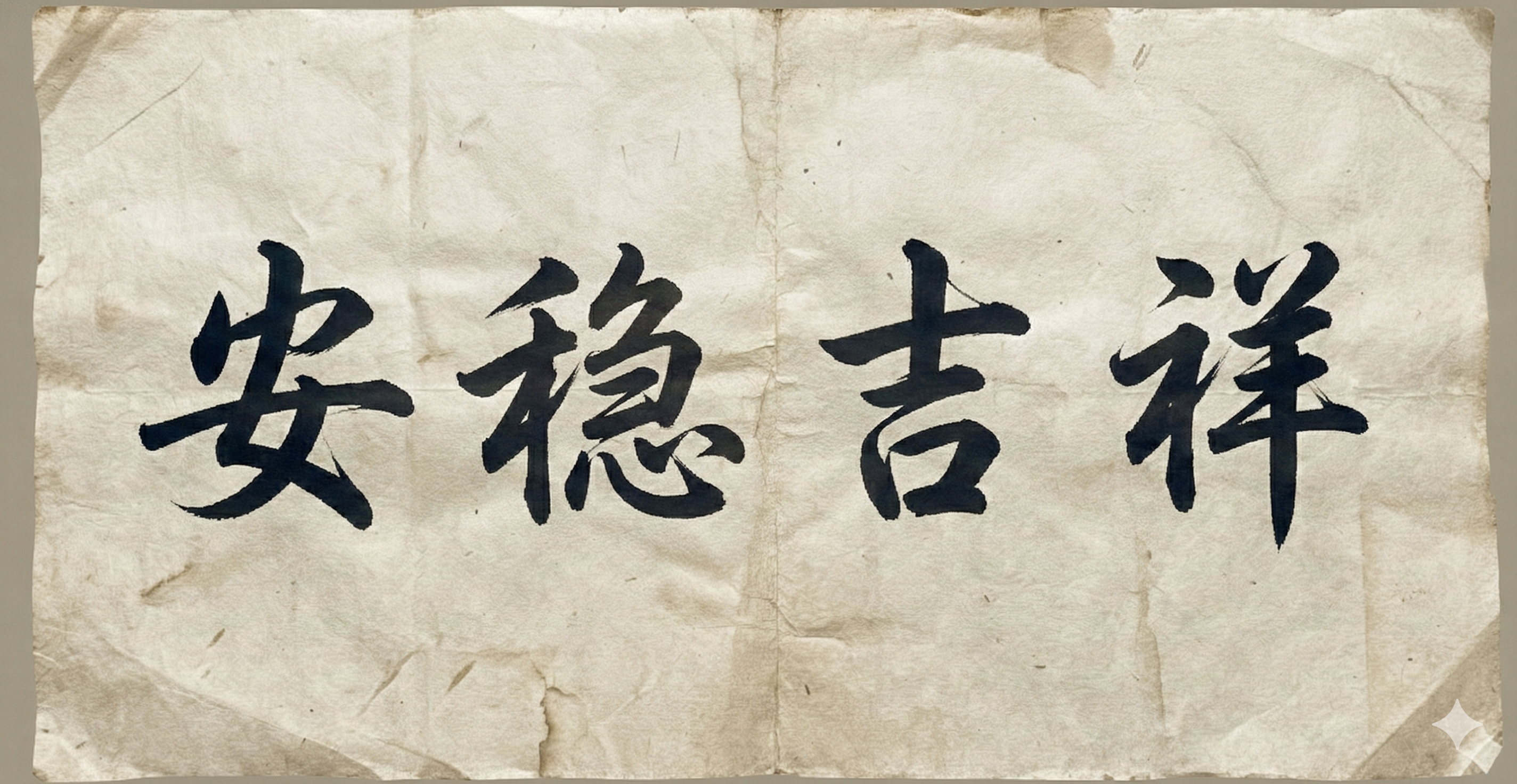
Image Healing: Guided Mandala Viewing - Lesson 158
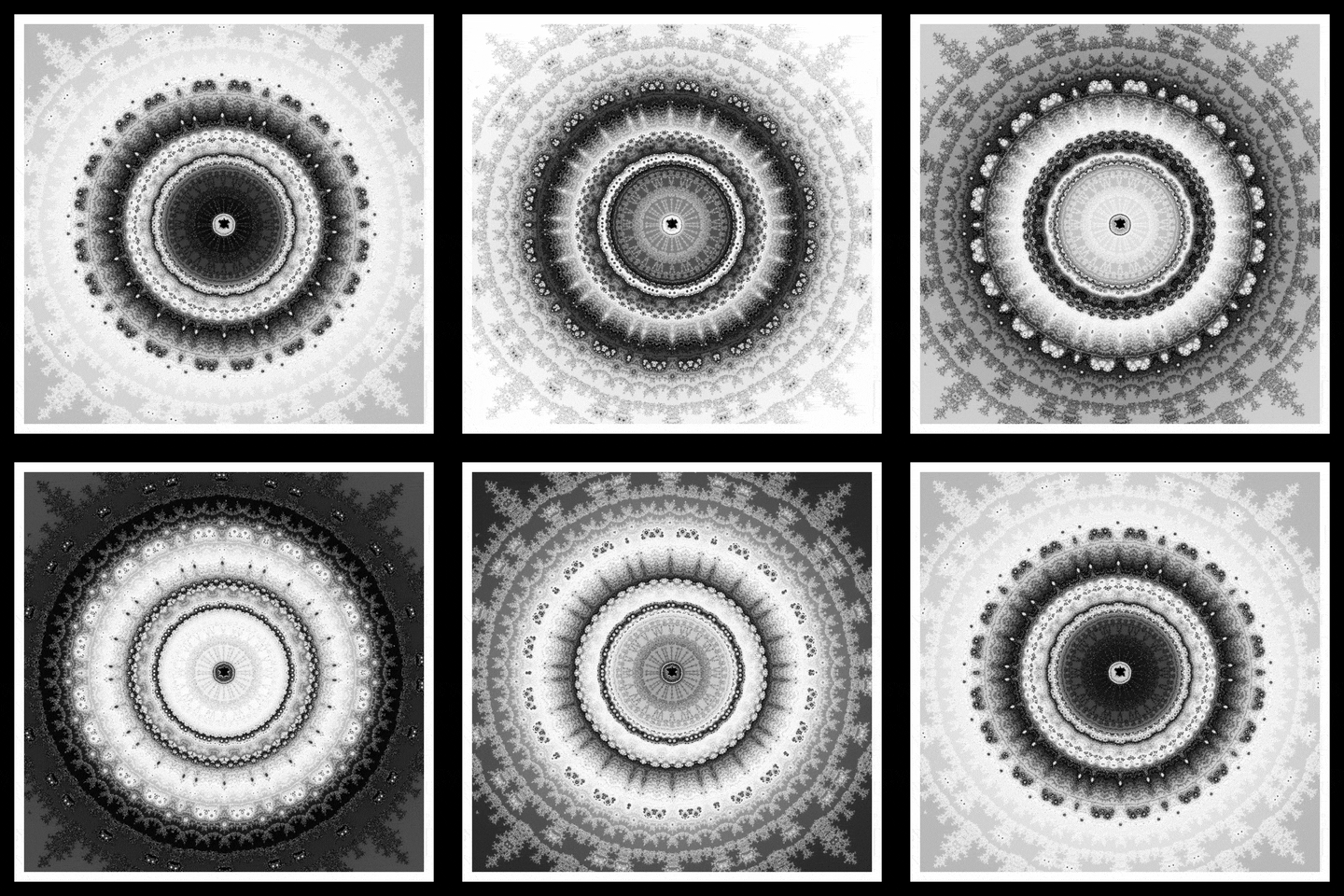
Please select a mandala with a clear structure and distinct layers.
First, focus on the overall structure and feel the sense of order.
Then slowly move your gaze, allowing the details to emerge naturally.
A mandala is not about drawing something, but about observing. When you learn to pause between order and flow, life unfolds anew.
The theme of this mandala lesson is "Unfolding in Stability," symbolizing the transition from symptoms to life.
◉ One gaze is sufficient; no need to repeat.
○ 158. Life Reconstruction: Journaling Guidance Suggestions
① Once the fear of the pandemic subsides, what part of life do I most want to return to?
② What "small thing that brought you back to normalcy" did you accomplish today?
③ What external stimuli still easily trigger tension? Are they easier to handle than in the past?
④ What small step am I willing to take in life tomorrow?
Please log in to use.
Panic disorder will not steal your future. You are gradually reclaiming your living space, and every small step is a cornerstone of rebuilding.
 EN
EN  ZH
ZH  ES
ES  FR
FR  JA
JA