

Lesson 16: Self-Soothing and Rebuilding Rhythm: "How do I get back into a functional state?"“
Duration:95 minutes
Topic Introduction: Anxiety isn't a constant, tearing explosion; it also has a "aftereffect period": the body relaxes, but the mind is chaotic, rhythms are disrupted, sleep is out of order, eating is irregular, and concentration is scattered. The goal of this lesson isn't to make you "efficient again," but to restore a breathable, sustainable, and self-blaming rhythm to your life. We will work together to design a "personal reassurance agreement."
○ Stable → Soft → Implementation (Personal reassurance agreement)
- stable:Settle your body into a safe and familiar position (lie on the sofa, lean against the bed, or sit in a fixed corner). Tell your body, "No one will attack you here."
- soft:Use low-stimulation soothing methods (warm water, weighted blankets, rubbing your palms together to apply to the eyes, foot bath, or a pillow) to help the nerves shift from high alert to low-power operation.
- OK:Choose a small action, such as washing dishes for 5 minutes, folding two pieces of clothing, or wiping a corner of the table. It's not about "high efficiency," but about "being able to move again."
Lesson 16: Self-Soothing and Rebuilding Rhythm "How do I get back into a functional state?" 🎧 Click to watch/listen to the reading.
When anxiety strikes, many people's greatest pain isn't the fear itself, but the feeling of being out of control, of "I'm no longer on the right track." Thoughts wander, the body tenses, efficiency drops, and even the simplest tasks become strenuous. Thus, an urgent question arises: "How can I get back to a functional state?" This doesn't mean demanding immediate calm, but rather finding a **rhythm for continuing to live**. Self-soothing doesn't mean forcing yourself to relax. True soothing is giving your nervous system a clear message when it's overloaded: there's no need to continue sounding the alarm. Many people mistakenly believe that only when emotions are completely stable can they continue doing things; but in reality, the opposite is true. **Gentle and controllable actions** are often the starting point for restoring stability. The first step is to downgrade the goal from "feeling better" to "recovering a little bit of function." You can ask yourself: "In my current state, what is the smallest action I can still perform?" Perhaps it's just washing your face, sitting up straight, or opening a window. These actions seem insignificant, but they send a signal to the brain: I'm not completely paralyzed; the system is still functioning. The second step is to use bodily rhythms to drive psychological rhythms. Anxiety disrupts breathing, muscle movement, and sleep, but the body is also the easiest entry point for readjustment. Regular meals, getting up and moving around, and exposure to natural light, even for short periods, can help the nervous system recalibrate. This isn't about solving everything, but about building a stable foundation. The third step is to establish a **transitional state**. Don't immediately return to high-intensity work or social activities; instead, give yourself a middle ground. For example, break tasks into ten-minute segments, allowing for short breaks after completion; or choose a low-stress connection between solitude and interaction. The pace isn't either fast or slow, but adjustable. At the same time, pay attention to inner self-blame. Many people tell themselves after anxiety, "How useless I am," or "I shouldn't have done this." This kind of language further depletes energy. Try replacing judgment with more neutral descriptions: "I'm in a recovery phase right now and need time." This attitude itself is a form of self-soothing. As you practice these steps repeatedly, you'll find that "functionality" isn't a fixed point, but a range. You don't need to be perfect, alert, or highly motivated to continue living. You just need to maintain a little consistency within your current capabilities. The ultimate goal of self-soothing is not to never be anxious again, but to know how to slowly bring yourself back after being disrupted. Once the rhythm is re-established, a sense of security will follow, and you will stand in life again, instead of being kept out by anxiety.
○ Audio • Rhythm Reconstruction Guide
Play the audio to guide you through a "three-minute rhythm calibration":
- First minute: Observe the environment (color, sound, temperature).
- Second minute: Observe the body (shoulders, hands, stomach, feet).
- Third minute: Decide what the next minimum action should be.
○ Eastern Tea Therapy: Tangerine Peel and Ginger Soothing Drink
Recommended reasons: Many people experience chills, weakness, and a tight, empty stomach after feeling anxious. Ginger warms the body, while dried tangerine peel regulates qi, helping the body return from a state of "stiffness" to one where it can "function slowly."
practice: Boil two slices of ginger, a small piece of dried tangerine peel, and warm water for 3-5 minutes, then drink it warm.
○ Stable Dietary Therapy - Buckwheat Tea Chicken Breast Salad (ID16)
This salad offers a good balance after physical exertion or when you need stable energy without adding extra burden. Chicken breast provides high-quality protein to help the body repair itself, while the mild aroma of buckwheat tea helps stabilize blood sugar and mood swings. This salad is suitable for consumption during recovery or routine maintenance phases to help the body stay alert and relaxed.
Open Recipe
◉ Japanese Dietary Therapy: Buckwheat Tea Chicken Breast Salad (ID 16)
This is a unique dish that combines the aroma of tea with a light meal. Instead of using oily salad dressings, we use the distinctive roasted, nutty flavor of Japanese buckwheat tea (Soba-cha) to create the sauce. This dish offers both high-quality chicken protein and the grainy aroma of buckwheat, effectively clearing away the damp heat accumulated in the body from oily foods. After eating, the body feels light and refreshed, and the mind awakens from drowsiness, entering a focused and clear state.
Clears heat and removes oil Improve focus mental stability
I. Recommended Dietary Therapy and Reasons
Recommended dishes:Buckwheat Tea Chicken Breast Salad (ID 16)
Recommended reasons:Buckwheat is rich in rutin, which helps with blood circulation and reduces internal heat; chicken breast provides tyrosine, which is needed to synthesize dopamine and helps improve focus. For those who feel mentally foggy and physically heavy due to a long-term diet high in oil and stress, this almost oil-free dish can reduce the burden on the digestive system, allowing more energy to be supplied to the brain and restoring mental sharpness.
2. Recipe and Method
Recipe (1 serving):
- 100–150 g of chicken breast
- 1 tablespoon of buckwheat tea seeds (Soba-cha)
- 50 ml of hot water (for brewing tea)
- 1/2 cucumber
- 3-4 cherry tomatoes
- Beilecai (or lettuce) as needed
- Sauce:1 teaspoon of brewed vinegar, 1 tablespoon of light soy sauce, and a little sugar substitute or honey.
practice:
- Preparing tea juice:Steep half a tablespoon of buckwheat tea leaves in 50ml of hot water for 5 minutes to extract a strong tea infusion. Strain the tea and set aside (keep the tea leaves if they are soft and sticky, discard them if they are hard). Reserve half a tablespoon of dry tea leaves to sprinkle on top at the end.
- Preparing the chicken:Place chicken breast in a pot of cold water, add a little cooking wine and cook (or steam) until done. After cooling, shred it into thin strips along the grain.
- Prepare vegetables:Cut cucumber into shreds or thin slices, halve cherry tomatoes, and wash and drain lettuce and place it on the bottom of a plate.
- Prepare the sauce:Mix the cooled concentrated buckwheat tea broth, soy sauce, vinegar, and a little honey until well combined.
- combination:Place the shredded chicken on top of the vegetables and drizzle the tea-infused sauce evenly over it.
- The finishing touch:Finally, sprinkle the remaining dried buckwheat tea granules on top to add a crispy "crunch" texture and a caramelized aroma.
3. Small rituals for body and mind
When sprinkling dried buckwheat grains, inhale the rustic aroma of roasted grains; this aroma has a wonderful "grounding" effect.
As you chew, savor the contrast between the tender chicken and the crispy buckwheat grains, focusing on this rich texture.
After eating, feel the lightness in your stomach and tell yourself, "I have shed the excess oil and burden."“
4. Dietary Therapy Experience Record
- Record whether your concentration at work improves after eating this dish for lunch (usually without feeling drowsy from the smell of food).
- Observe whether you feel "refreshed and no longer oily" subjectively.
- Record the improvement in facial oiliness or bitter taste after consuming it twice consecutively.
V. Instructional Videos (approximately 3–5 minutes)
◉ Video Title:Buckwheat Tea Chicken Salad: A Cleansing and Oil-Free Dish
6. Precautions
- Allergy warning:Buckwheat is a common allergen. If you have never eaten buckwheat or have a history of related allergies, please absolutely avoid eating it. You can use brown rice tea or genmaicha instead.
- Chicken preparation:When cooking chicken breast, do not use too high a heat. Cook until just done, then turn off the heat and let it simmer until fully cooked to prevent it from becoming dry.
- This dish is perfect as a dinner during a weight loss period, or a lunch that requires high concentration.
hint:This dietary therapy focuses on low fat and nutritional supplementation and is not a substitute for medical treatment. If you have hypoglycemia, please supplement with a small amount of staple food (such as rice balls).
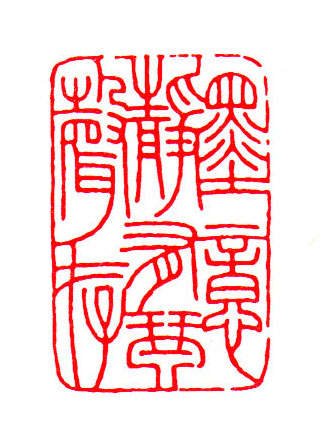
○ Seal Carving Practice Suggestions • Lesson 16: Self-Soothing and Rebuilding Rhythm – “How do I get back into a functional state?”
The seal carving practice in this lesson is designed to help you regain a sustainable rhythm of action when you are in a state of anxiety or disorder, allowing your body and mind to gradually return to a state where you can continue living and coping.
- Introduction to the characteristics of seal carving:
Seal carving emphasizes the continuity of rhythm, rather than speed. Through the steady progress of one stroke after another, it helps the mind switch from chaos to order. - Written words:
The ink's tranquility is imbued with the sound of a zither.
- Psychological Intention:
Anxiety is often accompanied by the judgment that "I can't do it anymore." This exercise helps you realize that as long as the rhythm exists, the process continues. - Knife skills:
Maintain a fixed pause between each cut to create your own rhythm, rather than pursuing speed. - Emotional transformation:
Transform the feeling of being out of control, "I can't hold on any longer," into the feeling of being able to take it slowly and make it feasible.
🎨 Image Healing · Rhythmic Mandala (Breathing-Movement-Rest)
Draw a mandala consisting of three rings:
- The inner circle reads "Rest".
- The word "breathing" is written in the middle circle.
- The word "Action" is written on the outer circle.
Then decide: which lap do I want to stop on today? Allowing yourself to stop for a "rest" is also a kind of accomplishment, not a failure.

○ Drawing Guidance: My Safe Rhythm Cards
- Divide a piece of paper into three sections: morning/daytime/nighttime.
- Draw one small action that you can manage in each square, such as "drinking warm water", "putting your phone away for 10 minutes", or "relaxing your shoulders once".
- Don't write a task list; write a "soothing action list." It's not about efficiency; it's about survival.
After taking a photo and uploading it, you can treat it as a "personal recovery prescription" and open it whenever needed, instead of grabbing it randomly on the spot.
Please log in before submitting your drawings and feelings.
○ 16. Suggestions for Self-Soothing and Rhythm Rebuilding Journal Guidance
① Which of the following is my current overall state more like: tense, relaxed after a breakdown, or frozen like an empty shell?
② Which time of day was the hardest for me today? Morning/Daytime/Evening? Why?
③ What does my body want most right now? (Heat, quiet, a pillow, someone to be with, music, complete solitude)
④ Write down one way in which I am willing to take care of myself, rather than the way in which I have to put up a tough job for others.
⑤ What self-care actions, even the smallest ones, did I take today? Write them down, don't delete them.
⑥ Tomorrow's small steps: How much slower can I allow myself to go? (For example: Take two extra minutes to sit in the car and take deep breaths before leaving home)
Please log in to use.
Rhythm is not something externally dictates to you, but rather a peace agreement you and your body re-establish.
 EN
EN  ZH
ZH  ES
ES  FR
FR  JA
JA