
Lesson 1600: Summary of Internet Addiction Courses and Recovery Pathways

Duration:70 minutes
Topic Introduction:The final lesson will guide you through reviewing the personal triggers, risk scenarios, effective support, and next steps for recovery from the internet addiction course. You will organize sleep, digital boundaries, real-world connections, alternative activities, and family collaboration into a life plan that you can consistently practice. The course isn't over; it's about preserving the experiences you've gained. If you slip up again in the future, you can return to this path and reconnect with yourself and real life. Please save it for your future self.
○ Course Topic Audio
Lesson 1600: Summary of Internet Addiction Courses and Recovery Pathways
Click to view the read-aloud text
Please give yourself some space as we summarize and guide your "Internet Addiction Course Summary and Recovery Path." The course will conclude with a review of your personal triggers, risk scenarios, support resources, and recovery direction. The goal is to make recovery a sustainable, practiceable life path, not a one-time commitment. Internet or gaming addiction is often not simply laziness; it can temporarily mask stress, loneliness, frustration, and boredom, and it can also lead to a constant pursuit of instant gratification, forgetting that your body and real life are already exhausted. Therefore, this section doesn't aim to push you into shame, but rather to help you see: when you most want to pick up your phone, when it's easiest to continue playing, and when you're clearly tired but still can't stop. When these moments are recognized, boundaries cease to be just slogans and gradually become actionable plans. You can think of today's theme as a gentle process: first, observe the triggers, then narrow down your goals, next, design an offline transition, and finally, gradually reconnect with reality. While listening, please don't rush to see all devices as enemies, nor should you use shame to push yourself further away. Truly helpful change often doesn't involve cutting everything off at once, but rather identifying the parts that are most harmful to your body, disrupt your sleep, and affect relationships, and gradually reducing them. Perhaps today, all you need to do is put down your phone ten minutes earlier, complete a small offline task, or turn an automatic scrolling session into a conscious pause. If your family is facing this issue together, remember that the rules need to be clear, and your tone needs to be respectful; shaming usually only makes people want to hide behind the screen, while stable companionship is more likely to bring people back to life. Leave this path behind so you can find your way again when things get tough in the future. If you feel guilty, frustrated, or want to argue after hearing this, that's okay; it means this topic has touched on real life. Please don't rush to argue about who's right or wrong; just ask yourself: Has this way of using your phone recently made things harder for your body, relationships, or work/studies? Just taking an honest look is already a step more clear-headed than automatically scrolling down. Leave this path behind; your future self will need it. Please save it.
AI Healing Q&A
At the end of the course, you can have the AI guide you through reviewing your personal triggers, risk scenarios, most effective support, and the next steps for recovery. The AI will help you organize your takeaways into a checklist for further practice. Remember, recovery isn't a one-time event, but rather a process of gradually returning with support after each deviation. After the Q&A session, please save this checklist. In the future, if you deviate from the plan, don't blame yourself again, but rather follow the path back. This is also part of recovery. Please keep it.
○ Music therapy guidance
At the end of the course, please choose a calming, concluding piece of music to help you review the triggers, risky scenarios, effective support, and areas that still need practice. Don't just focus on what you didn't do; also hear the efforts you've made to look back and organize your thoughts. During the last minute of the music, focus your attention on your breathing. Recovery isn't a one-time event, but a repeated practice of bringing yourself back to reality. Please save this review; it will remind you that you can come back when you experience a low point in the future.

○Eastern and Western Healing Teas
○ Healing Tea Drinks · Western Herbal Teas · Ginger Tea Introduction: Ginger tea is warm and spicy, suitable for drinking when feeling cold, tired, or with an upset stomach. It helps warm the body, promotes circulation, and is also suitable for bringing yourself back to reality with a cup of hot tea when feeling down. Instructions: Slice fresh ginger and boil in hot water for 5-10 minutes; drink 1-2 slices each time, with a small amount of honey added. Suitable for drinking in the morning or afternoon.
○ Healing Recipes
○ Chinese Food Therapy · Soup Dishes · Longan and Tremella Soup
Recommended dishes:Longan and Tremella Soup Recommended reasons:Longan and white fungus soup, based on light, regular, and easy-to-prepare ingredients, is suitable as a daily dietary support in courses summarizing and guiding recovery from internet addiction. During addiction recovery or behavioral adjustment, people often experience impulsivity, anxiety, emptiness, fatigue, or disrupted sleep patterns. A stable meal cannot replace treatment, but it can help the body find a gentle footing. When preparing this dish, focus on the ingredients, temperature, and your breathing, making eating a small step back into real life. Recipe (1–2 servings): practice: When preparing longan and white fungus soup, put your phone away for a few minutes to focus on the ingredients at hand. The chopping, mixing, boiling, and baking don't need to be fast or perfect. If you're in a rush, simplify the steps; if you're feeling down, allow yourself to make a small portion. Food isn't a task, but a reminder: I can still take care of myself gently. Before taking your first bite, pause for three seconds to savor the color, smell, and temperature. If you experience urges that day to gamble, scroll through social media, escape, or continue to stimulate yourself, treat this meal as a pause point. Let your body catch up before deciding on your next step. Video Title:Longan and Tremella Soup: A Healing Recipe for Stabilizing Your Circadian Rhythm hint:Please understand diet within the context of a holistic care plan: regular sleep, financial or digital boundaries, professional support, companionship, emotional journaling, and necessary treatment remain important foundations for long-term recovery.Click to view healing recipes
◉ Chinese Food Therapy · Soup Dishes · Longan and Tremella Soup
I. Recommended Dietary Therapy and Reasons
2. Recipe and Method
3. Small rituals for body and mind
4. Dietary Therapy Experience Record
V. Instructional Videos (approximately 3–5 minutes)
6. Precautions
Open the healing recipe
○ Roasted sweet potato with nuts
I. Recommended Dietary Therapy and Reasons
Recommended dishes:Roasted sweet potato with nuts
Recommended reasons: Baked sweet potatoes with nuts are a suitable healing recipe after a social anxiety course. It's gentle, easy to prepare, and low-burden, providing a stable energy boost to the body after learning about "common manifestations, causes, and misconceptions of social anxiety." Sweet potatoes offer natural sweetness, a soft texture, and moderate satiety, while nuts provide a small amount of healthy fats and a satisfying chew, helping the body gradually return to calm after periods of tension, hunger, or fatigue. The presentation is simple, warm, and provides sustainable daily support, without elaborate plating.
2. Recipe and Method
Recipe (1 serving):
- 1 medium-sized sweet potato
- Break 2-3 walnuts into small pieces.
- 5–8 almonds or cashews, optional
- A small amount of roasted sesame seeds, optional
- A pinch of cinnamon powder, optional
- 1–2 tablespoons of unsweetened yogurt, optional
- A little honey is optional and can be omitted if not needed.
practice:
- Wash the sweet potatoes and pat them dry with kitchen paper.
- Use a fork to gently poke a few small holes in the surface of the sweet potato to ensure even heating.
- Preheat the oven to 200°C and place the sweet potatoes in a baking pan.
- Bake for 35–50 minutes, or until the sweet potato is completely soft inside.
- After removing it from the oven and letting it cool slightly, cut it in half lengthwise.
- Sprinkle with walnuts, almonds, toasted sesame seeds, or a small amount of cinnamon powder.
- For a smoother texture, you can eat it with a small amount of unsweetened yogurt.
3. Small rituals for body and mind
While waiting for the sweet potatoes to bake, you can use this time as a quiet buffer and not rush to do anything else.
When you cut open a sweet potato, observe the heat and soft texture, reminding yourself that a tense body can also relax slowly with gentle care.
Slow down while eating, savoring the natural sweetness, the sensation of chewing, hunger, satisfaction, and relaxation, allowing food to become a daily support for soothing the nervous system.
4. Dietary Therapy Experience Record
- Record when you eat it: before a social event, after a class, or as a light evening snack.
- Observe changes in hunger, tension, and body stability within 30–60 minutes after consumption.
- If you consume it when you experience significant social anxiety, you can record whether it helps reduce hunger pangs and mood swings.
V. Instructional Videos (approximately 3–5 minutes)
Video Title:Roasted sweet potatoes with nuts: Warm and stable post-class nutrition for social anxiety.
6. Precautions
- Nuts are high in calories, so it's recommended to add them in small amounts rather than too many at once.
- People managing their blood sugar should control their sweet potato intake and avoid adding extra honey.
- Those allergic to nuts can use roasted sesame seeds, pumpkin seeds, or simply omit the nuts altogether.
- If you experience significant bloating, you can eat a small amount first and observe your body's reaction.
hint:This recipe is for daily physical and mental well-being and is not a substitute for any medical diagnosis or treatment. If you have diabetes, nut allergies, kidney disease, or special dietary restrictions, please prioritize following the advice of your healthcare provider and nutritionist.

○Mandala Healing
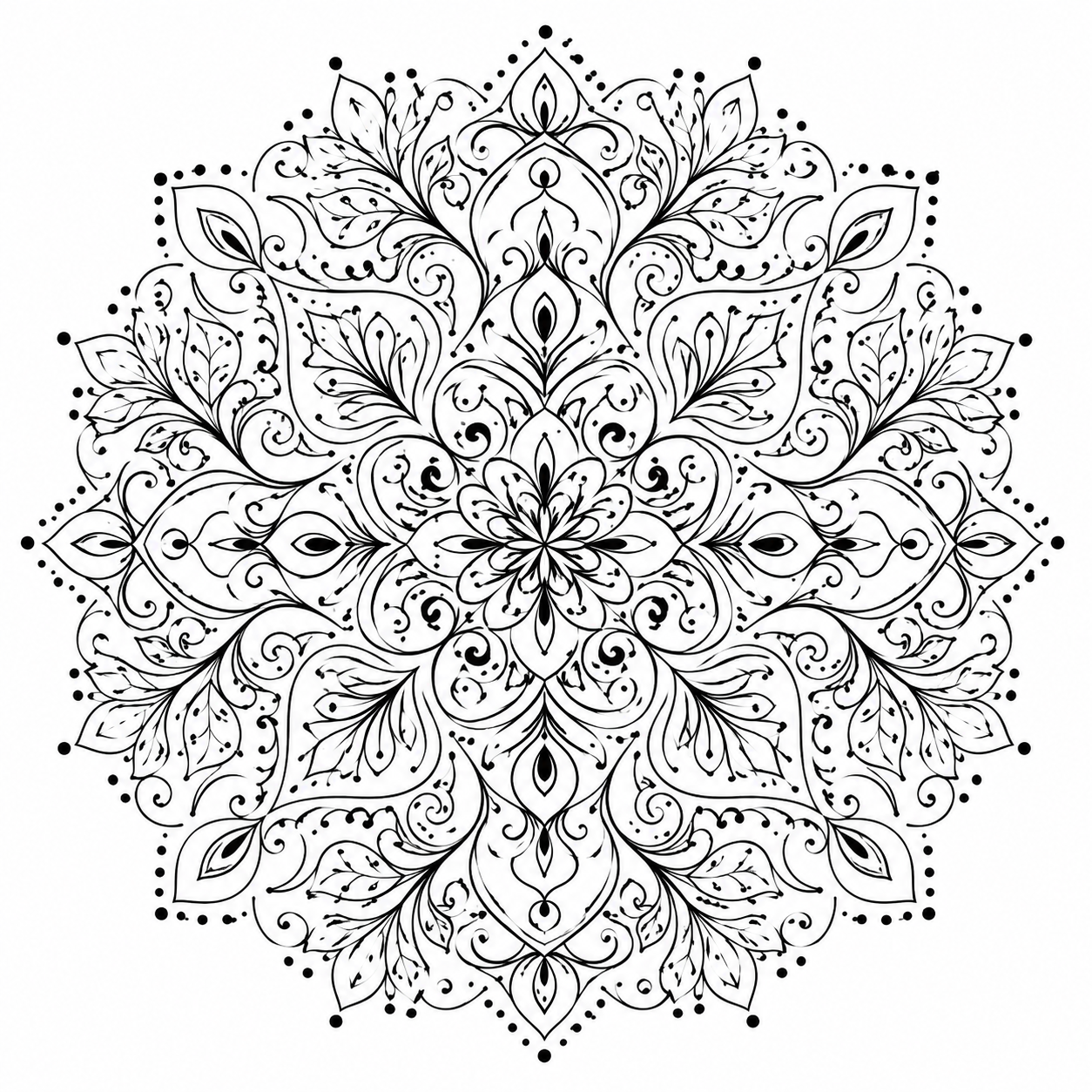
When the course concludes, you can draw a map of your journey home. The outer circle represents triggers and risks, while the inner circle represents supportive resources, usage plans, sleep, real-world connections, and directions for continued practice. Don't just draw the problems; also mark what you've already accomplished. The end isn't the destination, but rather a record of the experience. Later, when you feel down, this mandala will remind you: you've taken steps to improve, and you can come back. This map doesn't need to be perfect; it simply gently reminds you: you can always return.
● AI Dynamic Geometric Vision Focus and Emotion Regulation Engine ●
AI Dynamic Geometric Vision Focus and Emotion Regulation Engine · v7.0.0
Before we begin, I'd like to know how you feel right now.
There is no standard answer; just choose the one that best reflects how you feel right now.
The experience is over. Tell us how you feel now.
There is still no standard answer; just choose the one that best reflects how you feel right now.
#FF5252
After the fluorescent line crawling is completed and stopped, first select a color, then click on the closed area in the graphic to fill in the color.
AI Digital Mandala Static Focus EngineAZ Image Coloring · 60 Colors
AI Digital Mandala Interactive Focus Engine
A–Z Free Selection · Layered Lines · 60 Color Fills

○ Calligraphy and engraving therapy practice
When it comes to summarizing, treat writing as a process of gathering and refining. Don't just focus on the problems; also look at the parts of yourself that you've been willing to organize, willing to return to, and willing to seek support. Let your writing flow slowly, like leaving a signpost for the future. The course will end, but the practice won't. When you feel down, want to escape, or lose control again, this writing will remind you: I've come back, and I can come back again. Cherish this experience of returning; it will continue to remind you during future difficulties: the road is still open.


○ Art Therapy Guidance
When it comes to the course summary, don't just focus on the parts where you lost control; also look at the adjustments you've made along the way. You can draw your own little map of triggers, support, boundaries, and hopes. Later, when your state fluctuates, look back at this map; it will remind you: you've learned some ways to take care of yourself, the path hasn't ended, you're just continuing. Please keep this drawing; it will remind you in the days to come: you are no longer the same person you used to be.
Please log in before submitting your drawings and feelings.
○ Diary Healing Suggestions
When summarizing this lesson, consider writing down: what triggers have you identified, what protective actions have you learned, and where are you still prone to making mistakes? Also, write down a realistic expectation for the future—it doesn't have to be grand, just something you're willing to continue pursuing. Recovery is never a sudden, complete change overnight, but rather a gradual process of taking your attention, body, and life back into your own hands. Finally, leave a message for your future self: Even if I stumble occasionally, I know how to get back. Writing this down is keeping hope at hand. Keep this message; it will help you in many moments to come.
Please log in to use.
May you gradually return to a more stable, clear-headed, and gentler version of yourself through today's practice.
This unit's comprehension test
After completing the lesson's main topic, you can access the corresponding lesson's comprehension test here.