

Lesson 1605: Gamification Strategies and Behavioral Reinforcement: How are you trained by the platform?
Duration:70 minutes
Topic Introduction: This course focuses on "gamification strategies and behavioral reinforcement," explaining how various online platforms and games, through levels, win streaks, consecutive logins, loot boxes, badges, leaderboards, and limited-time events, gradually train your brain, transforming neutral app use into a compulsive "I must play another game" or "I must refresh the page." We will break it down from the perspectives of behavioral psychology and reinforcement learning: why variable-ratio rewards (occasionally giving a big prize), task chains, and "almost there" designs can so effectively capture attention, making you unconsciously contribute time and data to the platform. This course will not demonize technology but will help you see which designs are exploiting your vulnerabilities and how, by understanding these mechanisms, you can regain control over "who is choosing and who is directing," gradually transforming you from a "trained player" into a "conscious user."
How can gamification strategies gradually enhance your behavior?
- Level and experience bar:Visualizing progress satisfies your instinct to "move forward," making you unwilling to break the task chain.
- Change rate bonus:Treasure chests, drop rates, and random drops keep the brain constantly thinking, "Maybe next time will be better."
- Consecutive Sign-in and Winning Streak System:By leveraging the loss aversion that makes it "too good to lose," we draw you back to the platform every day.
- Social Comparison and Rankings:Use rankings and badges to evoke competition, shame, and belonging, making you spend more time "looking good".
▲ AI Interaction: How were you "trained" step by step?
Think back to a game or platform that you are most easily addicted to: Is it the daily check-in, skin drops, gacha rewards, or social likes and follower count that make you keep going back? Please describe to the AI the three design details that most captivate you and the feelings they evoke (such as tension and anticipation, fear of falling behind, or worry about being seen as lagging behind).
Next, you can ask AI to help you map these designs to the language of behavioral reinforcement: Which one is "reinforcement of change ratio"? Which one is utilizing "loss aversion"? Which one is activating the need for "being seen and compared"?
Finally, work with AI to design an "anti-training plan": for example, turn off some notifications, shorten online time, and set rewards for "deliberately going offline," so that you gradually transform from a player who passively responds to the system into a user who can adjust the rules.
Click the button below to tell the AI about your most typical game or platform, and we'll break down how it "trained" you, and how you can gently train yourself back.
○ Stepping out of "high arousal mode": a music therapy buffer zone
Gamification strategies often keep the brain in a state of high arousal and strong anticipation for extended periods: heart rate slightly increases, breathing becomes shallow, and attention is fixed on the screen. This section suggests choosing instrumental music with a clear structure and a gradually slowing rhythm, and allowing at least 5 minutes of "time to log off" after you finish a round of gaming or scrolling through the screen.
You can do a simple exercise with the music: as the musical phrases rise and fall, coordinate with slow, deep breathing, and shift your attention from thoughts like "I almost won" or "I could have played another round" to your current body weight and posture. Let the music be a buffer as you step out of the platform system, rather than jumping directly into the next task.
○ Western Herbal Healing Tea: Rosemary Lemon Clarity Tea
Recommended reasons:Rosemary is often seen as a symbol of "memory and clarity," and can moderately enhance focus and awareness; lemon slices bring a refreshing tart aroma, helping to "wake up" from long hours of gaming or information overload. When you're used to being led by task rewards, this cup of tea can become a ritual: reminding yourself to pause, reflect, rather than automatically moving on to the next level.
Usage suggestions:Steep 1g of rosemary and 1-2 thin slices of lemon in about 250ml of hot water for 5 minutes, then let it cool slightly before drinking. This is suitable when you've just finished using the app or are about to reconsider whether to continue online, while deliberately keeping your phone out of arm's reach.
Awareness Tips:With each sip, you can quietly ask yourself: "Did I choose this round, or did the system choose it for me?"“
Ancient Roman Natural Food Therapy: Walnut and Fig Whole Wheat Bread Slices
Made with whole-wheat bread, topped with chopped walnuts and dried figs, and drizzled with a touch of olive oil, this dish embodies the ancient Roman principle of "simple yet satisfying" in natural diet therapy. Complex carbohydrates and healthy fats help maintain a more stable energy level, providing sustained fuel for the brain and reducing irritability and impulsive internet use caused by sudden spikes and drops in blood sugar.
Healing Recipes
/home2/lzxwhemy/public_html/arttao_org/wp-content/uploads/cookbook/roman-natural-10(Alternatively, you could try relaxed="1" or use an existing filename.)○ Mandala Viewing Healing: Return to the "Center Point" from the quest interface.“
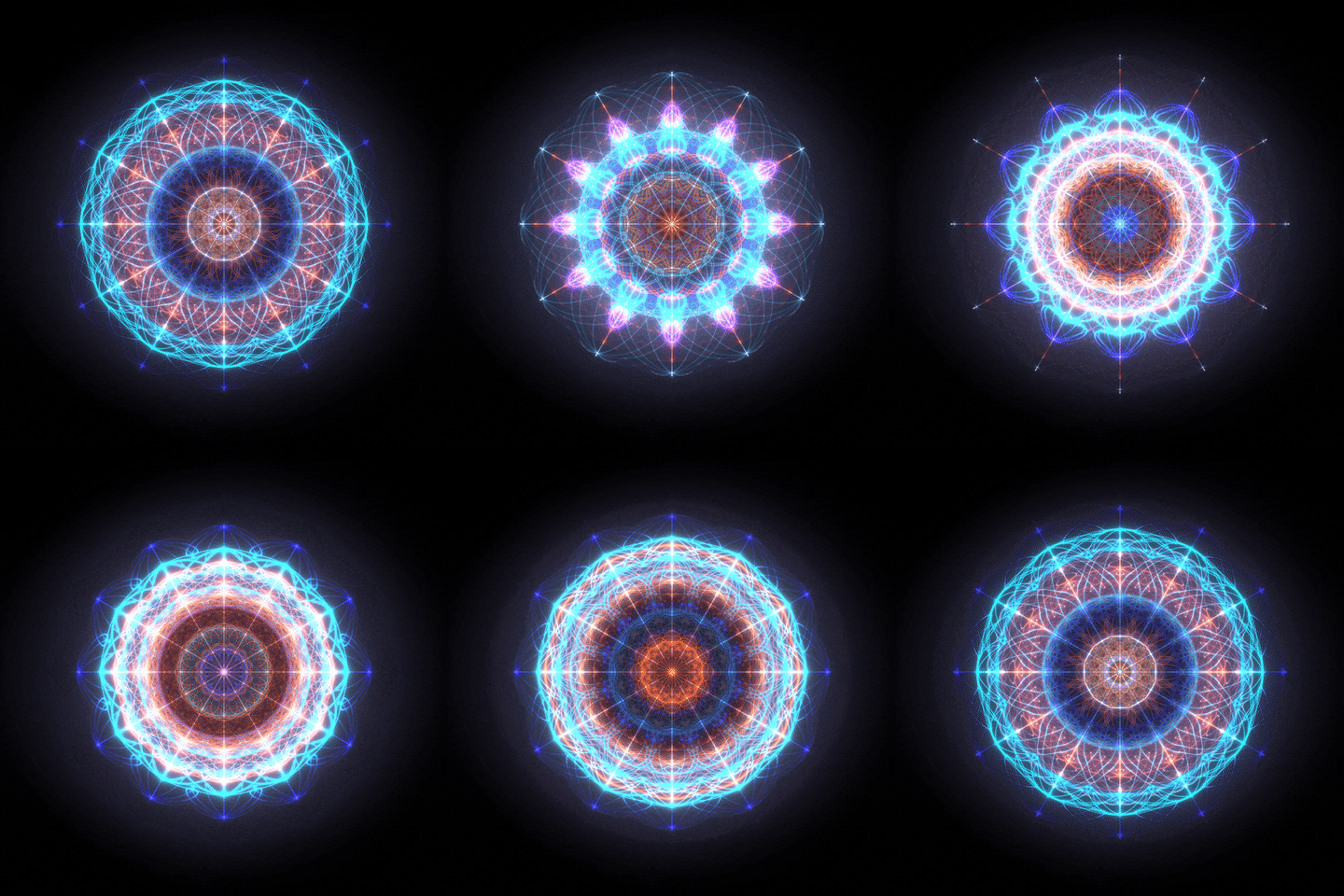
This lesson continues to emphasize that mandalas are not about drawing something, but about observing. Gamified interfaces are often filled with red dots, progress bars, and flashing rewards, constantly stimulating the urge to "there's always a next step." Mandala observation exercises invite you, outside of all tasks, to return to a "center" without levels and rewards.
Please choose a mandala image, sit quietly, and slowly move your gaze along the outer circle, then back to the center. Observe whether your breathing becomes slightly more even as you follow the lines, and silently remind yourself: "No one is grading me right now, and there is no task counting down."“
You don't need to make any decisions immediately; just let your brain know that there is a space that is not occupied by winning streaks, consecutive wins, and reward systems.
○ Suggestions for practicing medieval Gothic script
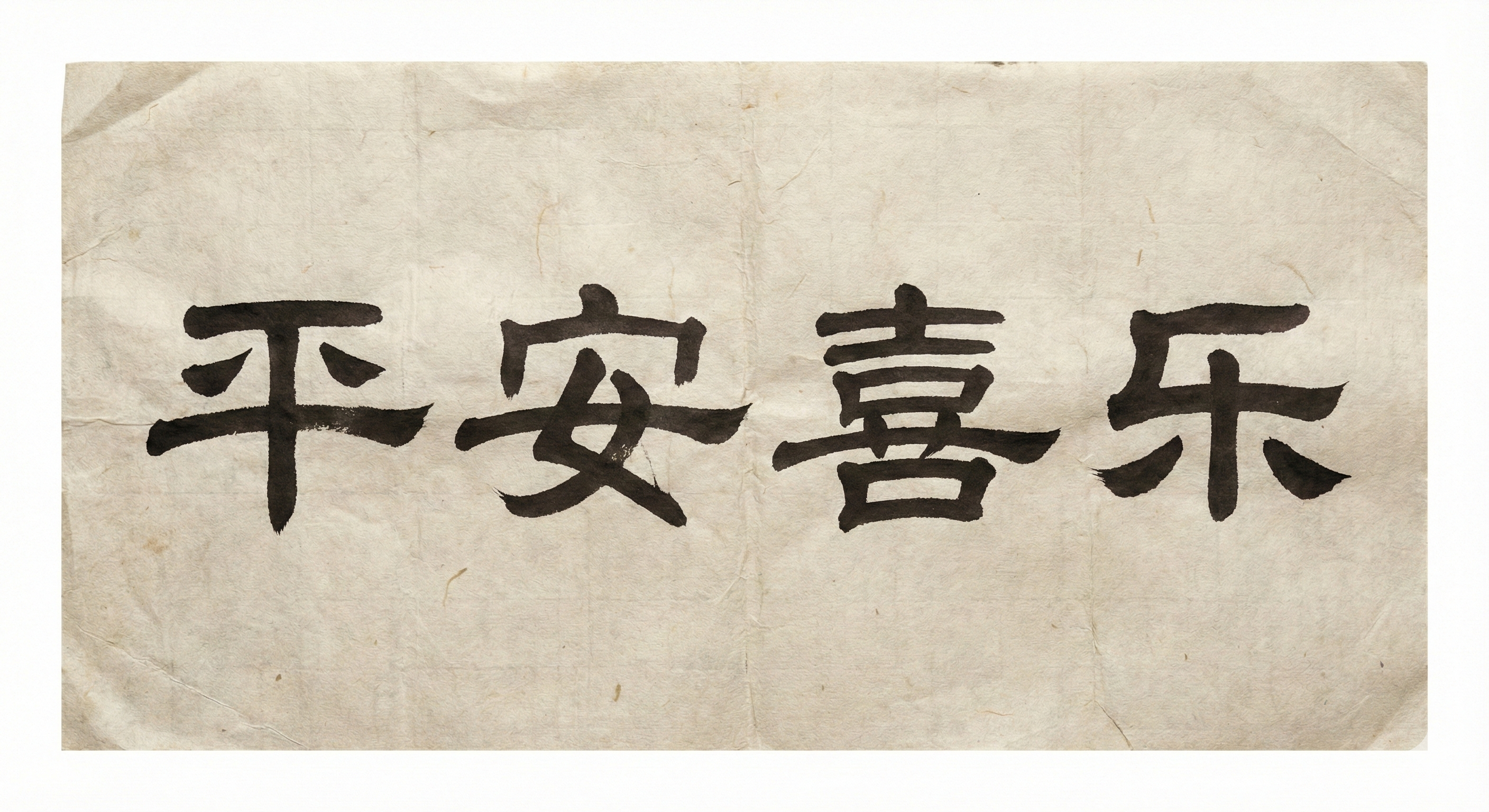
In this lesson, Gothic calligraphy embodies the intention of "moving from being manipulated to self-regulation." The heavy, rhythmic strokes are like practicing setting clear boundaries for one's own behavior, rather than letting the system push one along.
- Writing words:
Latin:Regere Consuetudinem
Meaning in Chinese: To be in control of one's own habits. - Psychological Intention:
Every time I write "Regere Consuetudinem," it's a declaration to myself: I can understand these designed reinforcement mechanisms, but I don't have to completely obey them. Habits can be adjusted, not dictated by fate. - Writing method:
Using a square-tipped pen or a thick-tipped ballpoint pen, write slowly on lined paper. Deliberately maintain the verticality of the vertical strokes and the stability of the horizontal strokes, making each letter look like a "steady brick," symbolizing regaining control of your rhythm. - Emotional transformation:
When you're strongly drawn to winning streaks, consecutive wins, or the task system, try writing "Regere Consuetudinem" three times before deciding whether to continue playing or spamming. Let writing become a buffer between you and the system, rather than just another task.
○ Gamified Training Map: Guidance and Suggestions for Art Therapy
This page uses drawing to visualize the process of "how you are trained by the platform," allowing you to briefly step back from being a player to an observer. No drawing skills are required; only honest annotation and connections are needed.
I. A diagram connecting rewards and behaviors
- Draw three of your most frequently used function modules or game scenarios on paper (such as "card drawing", "leadership", "consecutive logins"), and represent them with small icons or boxes.
- Write down your most frequent behaviors under each module (e.g., "spend another ten minutes online", "play one more game", "go online in the middle of the night").
- Connect the action with the reward using arrows, and write the "feedback language" the system gives you next to it, such as "Try again" or "Today's reward has been refreshed".
II. From "Being Trained" to "Redesigning" Annotation
- Next to each arrow, write the "interruption sentence" you want to add in a different color, such as "Do I really want to play now?" or "I can get it tomorrow."
- Draw a small circle in the blank space of the paper and write "My Rules". List 1-2 new rules that you plan to try, such as "Don't go online after 10 pm" or "You must leave the screen for 5 minutes after completing the task".
- Remind yourself: You are not trying to defeat the system immediately, but rather to begin acknowledging and adjusting this training relationship.
Tip: Seeing how you are being trained doesn't mean you're weak; it means you have the ability to redesign relationships. If needed, take a picture of this image and save it as a reference for adjusting your approach in the future.
Please log in before submitting your drawings and feelings.
○ 1605. Gamification Strategies and Behavioral Reinforcement: How Are You Trained by the Platform? · Log-Guided Suggestions
① Write down a game or platform feature that you find most irresistible, and describe its three most appealing design features.
② Explain in one or two sentences how these designs affect your emotions and behavior, such as "making me afraid of falling behind" or "making me feel like I'm just a little short of success".
③ Choose one of the designs and write down a small "anti-training action" you plan to try, such as turning off some notifications, reducing one card draw, or shortening one game time.
④ At the end of your log, write an encouraging sentence for yourself, such as: "I have begun to understand the rules, instead of just running within them."“
Please log in to use.
When you're willing to consider the question, "Am I playing, or am I being trained?", a subtle shift in your power dynamic with the platform begins. May you give yourself a little more choice before your next click.
 EN
EN  ZH
ZH  ES
ES  FR
FR  JA
JA