

Lesson 1606: From "Bored, Lonely, and Stressed" to Addiction: A Comprehensive Analysis of the Triggering Mechanism
Duration:70 minutes
Topic Introduction: This course focuses on the "starting point" behind internet addiction—those seemingly insignificant triggers that repeatedly push you deeper into the screen: prolonged periods of boredom, a sense of loneliness with no one to talk to, and the suffocating pressure of performance targets and reality. This course will help you see that you are not inexplicably addicted, but rather that in moments of wanting to "escape," you subconsciously open social media, short videos, or games, filling the void with scrolling, numbing frustration with victories, and masking your emotions with constantly updated information. We will guide you through three typical trigger chains—boredom-related, loneliness-related, and stress-related—and differentiate between "functional internet use" and "emotional internet use." Through case studies, illustrations, and self-questioning exercises, you will learn to treat each moment when your hand reaches for your phone as a clue, not new evidence, gradually developing the ability to pause at trigger points, name needs, and choose alternative actions, laying the foundation for subsequent withdrawal plans and boundary setting.
○ Three major emotional trigger chains: the process from feeling to addiction
- The chain of boredom:Lack of novelty and stimulation in the environment → Feeling "unmotivated by anything" → Subconsciously seeking the fastest source of dopamine (scrolling through short videos, reading news).
- The Loneliness Chain:Feeling "nobody understands me" or "I am not needed" → Temporarily experience being seen and responded to by liking, commenting, and chatting online.
- Pressure chain:Academic, work, and family responsibilities can be overwhelming → people temporarily escape reality through games or immersive storylines → upon returning, the pressure intensifies, creating a vicious cycle.
▲ AI Interaction: Where do you usually start when you "open the screen"?
Please select the scenario that occurred most frequently in the past week: Are you so bored that you're spacing out? Are you feeling particularly lonely in your room? Or have you just been criticized or failed an exam? Describe 1-2 of the most typical scenarios to the AI: where you are, what time it is, what you are thinking, and how you are feeling.
Next, ask the AI to help you break this scenario down into several stages: triggering event (external) — internal feeling — automatic thoughts — behavior (which app to open / what game to play) — short-term effect. You can also ask the AI to help you find: in the same situation, is there a less harmful alternative that can provide some relief?
Finally, keep in mind the "new option" that resonates with you the most. Even if it's just changing from scrolling for 2 hours straight to getting up to drink water after 30 minutes, it's still changing the chain.
Click the button below to tell the AI the moment when you most often reach for your phone, and together we'll gradually illuminate the steps before you become addicted.
○ Music therapy: Add a pause to the moment when you "want to escape".
Boredom, loneliness, and stress often put the brain into a "I need to find something to numb myself" mode, leading to reaching directly for the screen. This section invites you to try this: When you have a strong urge to go online or play games, first play a gentle but structured instrumental piece, allowing the music to create a short "pause" between you and your device.
For the first three minutes of the music, do only two things: feel your breath and body weight, and mentally say, "I feel bored/lonely/stressed right now." Once your emotions are gently named, then decide whether to continue playing, instead of being pushed along.
○ Western Herbal Healing Tea: Chamomile Lavender Soothing Tea
Recommended reasons:Chamomile and lavender are often used to soothe nervous tension and mild anxiety, serving as a gentle alternative when feeling overwhelmed and unwilling to confront the situation. Instead of diving headfirst into a deluge of information, try a warm cup of herbal tea and allow yourself to slow down a bit.
Usage suggestions:Steep 2g of chamomile and a pinch of dried lavender in 250ml of hot water for 5-7 minutes, then let it cool slightly before drinking. You can prepare this drink intentionally for yourself during your most frequent "escape to the internet" times—such as late at night or after working overtime—treating it as a small ritual of "taking care of yourself."
Awareness Tips:While drinking tea, you can whisper to yourself, "I'm not running away, but giving myself a little safe buffer time."“
○ Ancient Roman Natural Dietary Therapy: Olive, Chickpea, and Vegetable Bowl
A simple bowl, primarily made with chickpeas, seasonal vegetables, olives, and a touch of olive oil, continues the ancient Roman principles of natural diet: "simple, sustainable, and moderate." Stable plant-based protein and fiber help maintain stable blood sugar levels, reducing irritability and impulsive internet use caused by hunger or sudden energy spikes.
Healing Recipes
/home2/lzxwhemy/public_html/arttao_org/wp-content/uploads/cookbook/roman-natural-11(Alternatively, you could try relaxed="1" or use an existing filename.)○ Mandala Viewing Healing: Seeing "Blank Moments" Does Not Equal Failure
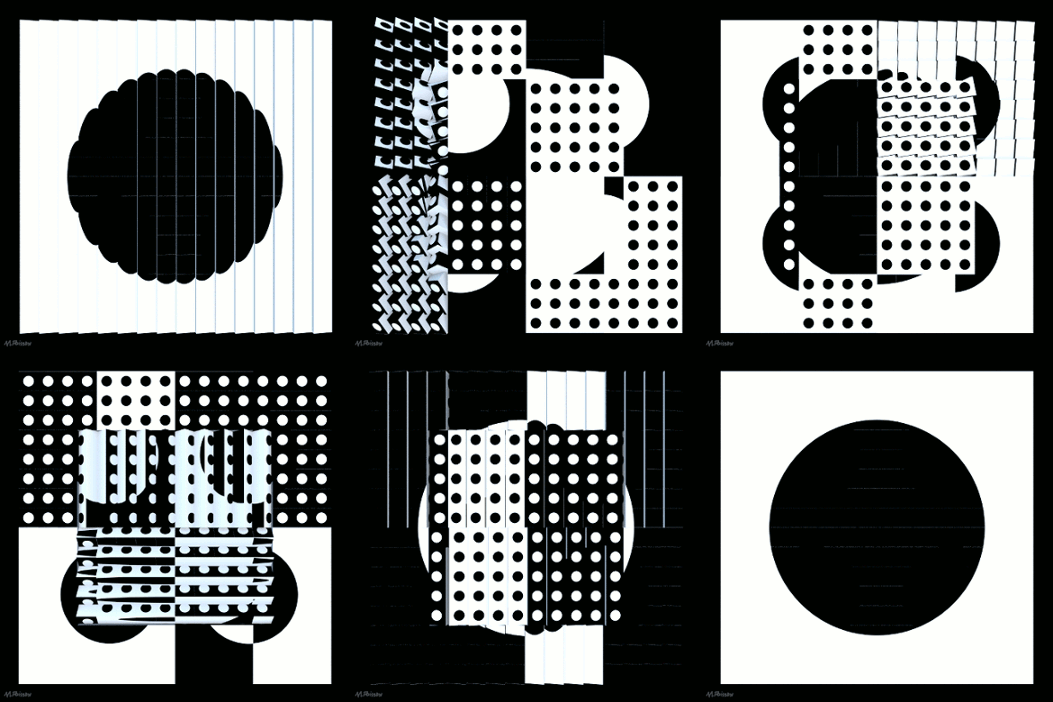
This lesson continues to emphasize that mandalas are not about drawing something, but about observing. Boredom, loneliness, and stress are often misunderstood as "I'm not good enough" or "I'm useless," so we rush to fill every void with the internet. Mandala observation exercises invite you not to immediately escape these moments of emptiness, but to try to linger for a while.
Please choose a mandala image. At the moment you're about to scroll through your phone or start a game, let your eyes slowly move across the image: from the outer lines to the inner structure, and finally to the center. Allow yourself to think, "I feel empty/lonely/under a lot of pressure right now, but I'm still here at this moment."“
You don't need to make huge changes immediately; just let your brain know that there can be a little bit of bearable space in emptiness and discomfort, instead of only escaping to the screen as the only way.
○ Suggestions for practicing medieval Gothic script
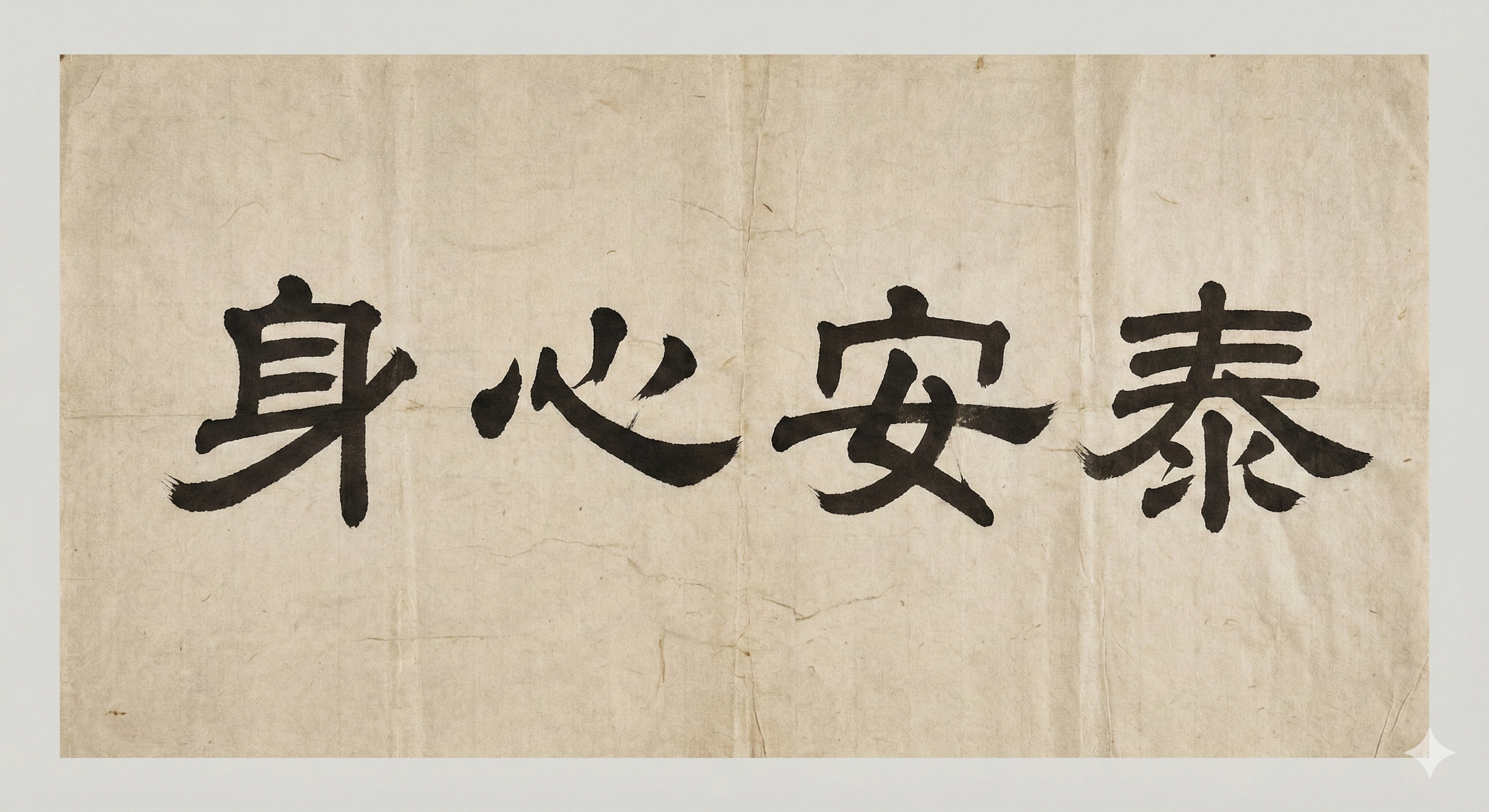
In this lesson, Gothic calligraphy carries the intention of "carving vague emotions into clear words." The thick, distinct strokes are like helping you transform "unspeakable repression" into language that can be seen and thought.
- Writing words:
Latin:Sentire Clarum
Chinese meaning: To clearly perceive. - Psychological Intention:
Every time I write "Sentire Clarum", I am telling myself: I am not trying to solve all the problems immediately, but rather to allow myself to clearly feel the boredom, loneliness, or stress at this moment, and to transform them from vague lumps into something that can be understood. - Writing method:
Using a square-tipped pen or a thick-tipped ballpoint pen, slowly outline each letter, paying particular attention to the strength of the vertical strokes and the spacing between the letters. Let each stroke be like drawing a boundary for your emotions—this is feeling, this is me. - Emotional transformation:
When you feel the urge to binge-watch games out of boredom, to stay online endlessly out of loneliness, or to escape into a game due to stress, try writing down "Sentire Clarum" 3-5 times before deciding on your next step. Many people are surprised to find that once their emotions are written down, the impulse itself is significantly reduced.
○ From "boredom, loneliness, and stress" to addiction: a diagram illustrating the trigger mechanism
This page uses drawings to visualize your personal "roadmap before addiction," allowing you to see how you gradually descended from emotions into the depths of the screen. You don't need to draw beautifully; just honestly mark the nodes and connections.
I. Three Emotional Paths: Draw Your Own Version
- Draw three starting points on a piece of paper: boredom, loneliness, and stress, each forming a small circle.
- Draw arrows from each starting point and write down your most frequent thoughts, such as "just scroll through," "I'll log on to see who's online," or "I'll play one more game and then go to sleep."
- Next, draw the behavior (opening an app/game) and the short-term results (feeling more relaxed, time flying by, reality being temporarily pushed aside).
2. Add an "optional branch" block to each path.“
- Add a small diamond at a certain point on each path and write "What else can I do?".
- Draw another branch from the rhombus and write down a small alternative you would be willing to try, such as brewing a cup of herbal tea, writing a three-sentence diary entry, or standing up and stretching.
- Remind yourself: You're not going to immediately take a completely new route; you're just adding a small optional exit to the existing automatic mode.
Tip: This diagram is not for self-blame, but rather a "navigation draft" for your collaboration with yourself. The next time you feel like escaping to the internet, you can look back at it and remind yourself: I know this path, and I also know there are other paths I can try.
Please log in before submitting your drawings and feelings.
○ 1606. From "Bored, Lonely, and Stressed" to Addiction: A Comprehensive Analysis of Trigger Mechanisms & Log Guidance Suggestions
① Record at least one moment today when you "wanted to surf the internet or play games like crazy": What happened at that time? Who was around you? How did you feel physically?
② Try to determine from the log: Is this more of a "boredom-type", "lonely-type", or "stress-type" trigger? If you are unsure, you can also write it as a mixed type.
③ Write down your most genuine need at that moment, such as "I just want someone to be with me," "I'm so tired, I want to catch my breath," or "I don't know what else I can do."
④ Finally, make a list of small alternative actions that you are willing to try, and try them the next day or the next time you are triggered. Regardless of the results, it is worth recording and seeing them.
Please log in to use.
When you begin to discern "what I'm running away from," the internet ceases to be merely a black hole of addiction and slowly transforms into a mirror, reflecting your more authentic needs. May you see a little more of yourself every time you want to hide behind a screen.
 EN
EN  ZH
ZH  ES
ES  FR
FR  JA
JA