

Lesson 1608: Disruption of Sleep Rhythm: The Vicious Cycle and Physical and Mental Consequences of Late-Night Screen Scrolling
Duration:70 minutes
Topic Introduction: This lesson focuses on how "late-night screen scrolling" gradually disrupts sleep rhythms and quietly pushes people into a vicious cycle of internet addiction, emotional imbalance, and physical and mental exhaustion. Many people think they're just "scrolling for a few more minutes before falling asleep," but the blue light suppresses melatonin, the information overload continuously stimulates the brain, and emotions become increasingly excited, making the nervous system more and more awake. The result is delayed sleep onset, shallow sleep, frequent awakenings, daytime inattention, decreased memory, irritability, or increased feelings of emptiness. To combat fatigue and weakness, they become even more reliant on phones and the internet for "energization" and "escape," further reinforcing the vicious cycle. This lesson will help you understand: the typical triggers for late-night screen scrolling (loneliness, compensation, procrastination, revenge staying up late, etc.), the short-term and long-term effects on the brain and body, and how to design "nighttime protective boundaries"—gradually restoring sleep rhythms through small actions like putting down your phone, allowing the body to regain true rest rather than passive exhaustion.
How does scrolling through social media late at night create a vicious cycle for both physical and mental health?
- Physiological level:Blue light inhibits melatonin secretion, continuously activates the sympathetic nervous system, delays sleep onset, and reduces sleep quality.
- Psychological level:Using short videos and social media to relieve daytime stress and emptiness actually keeps the brain in a state of "high alert".
- Behavioral level:The more tired you are, the more you want to "relax" with your phone. The next day, you feel listless and your work and study efficiency drops, making it even harder to resist the temptation to go online at night.
▲ AI Interaction: How does your phone "eat up" your midnight hour?
Think back to a typical late night: What time did you originally plan to go to sleep? What time did you finally turn off the lights? What did you do during that time (scroll through short videos, read news, reply to messages, play games), and what were your feelings behind each step (reluctance to end, fear of missing out, making up for lost time, not wanting to face tomorrow)?
You can describe this "late-night screen-scrolling chain" in detail to the AI and ask it to mark a few key nodes: from "a little tired and want to lie down" to "phone in hand" to "completely awake and unable to sleep." You can also ask the AI to design an alternative action for a certain node, such as changing "pick up the phone" to "play some soothing music and do 3 minutes of breathing exercises."
If you'd like, you can write down "the moment when it's hardest to put down your phone" for the AI, and together we can explore what's truly needed behind that moment. Perhaps it's not more information, but rather comfort, understanding, or permission to rest.
Click the button below to analyze your nighttime circadian rhythm with AI and find starting points for subtle adjustments.
○ Music Therapy: Replacing Endless Swiping with Sound
Late at night, your brain is already tired, yet it's still being pulled along by a rapid flow of information. This lesson invites you to try "shifting from visuals to sound." Choose a slow, repetitive, and simple instrumental piece, turn off the lights, and listen to it without looking at anything. Combine this with slow diaphragmatic breathing to allow your nervous system to shift from excitement to calm.
You can set it as a "rest reminder" at a fixed time each day (e.g., 11 PM): once the music starts, it means your phone is about to go offline, and your brain switches from "intake mode" to "repair mode." Even if you're distracted at first, as long as you consistently link this music to your bedtime ritual, your brain will gradually learn the new connection.
○ Western Herbal Healing Tea: Chamomile, Lemon Balm, and Night Tea
Recommended reasons:Chamomile helps relieve tension and anxiety, while lemon balm is often used to improve mild insomnia and irritability. For those who are used to scrolling through their phones late at night, brewing themselves a warm cup of soothing tea before "the last time they scroll on their phones" is a gentle "signal to slow down."
Usage suggestions:Steep 2g of chamomile and 1g of lemon balm in 250ml of hot water for 5-8 minutes, then sip slowly. It is recommended to drink this tea at a fixed time at night and link it to "screen-off time": after drinking the tea, put your phone on silent mode and away from the bed, letting your body know "it's time to stop for today".
Awareness Tips:While drinking tea, whisper to yourself, "I don't need to look at anything more before I feel like resting." Let your body give you permission first, so your mind can have space to relax.
Ancient Roman Natural Dietary Therapy: Lentil and Vegetable Soup with Whole Wheat Bread
A simple dinner consisting of lentils, root vegetables, olive oil, and a small amount of whole-wheat bread aligns with the ancient Roman principles of natural diet: "simple, filling, and moderate." Stable complex carbohydrates and plant-based protein help stabilize blood sugar, reducing the likelihood of getting up repeatedly at night due to hunger or blood sugar fluctuations, leading to screen time. Instead of ordering sugary takeout late at night, it's better to prepare your body with a warm but not overwhelming source of energy before dinner.
Healing Recipes
/home2/lzxwhemy/public_html/arttao_org/wp-content/uploads/cookbook/roman-natural-13(Alternatively, you could try relaxed="1" or use an existing filename.)○ Mandala Viewing Healing: Returning from the Information Vortex to the Breath Center
This lesson reiterates that mandalas are not about drawing something, but about observing. Late-night screen scrolling fragments tear your attention apart, while mandala observation exercises invite you to bring your gaze back to an ordered whole. You don't need to create any new content; simply put down your phone at set times, choose a mandala image, and quietly observe it for 3 minutes.
Slowly move your gaze from the outer circle to the inner circle, then back to the center, coordinating with even breathing. Feel your brain shift from passively receiving information to actively choosing its focus. You can tell yourself, "Right now, I only need to look here." Let the mandala act as a buffer between you and the screen, helping you practice moving from rapid scrolling to quiet contemplation, from over-excitement to a manageable tranquility.
○ Suggestions for practicing medieval Gothic script
In this lesson, Gothic calligraphy embodies the intention of "re-establishing order for sleep." The heavy, vertical strokes, like solid bricks, help you rearrange the scattered moments of the night into a reliable rhythm.
- Writing words:
Latin:Somnus Ordinatus
Meaning in Chinese: Orderly sleep. - Psychological Intention:
When you write "Somnus Ordinatus" over and over again, you're not blaming yourself for staying up late in the past, but setting a gentle direction for future nights: I hope my sleep is cared for and respected, rather than being arbitrarily encroached upon by algorithms and anxiety. - Writing method:
Using a square-tipped pen or a thick-tipped ballpoint pen, write each letter slowly, keeping vertical strokes upright and horizontal strokes stable. You can add a Chinese pledge below each letter, such as "No more using my phone after 11:30 PM," making the text a symbol of boundaries. - Emotional transformation:
When you feel like you're going to spend another hour scrolling in bed, try writing "Somnus Ordinatus" 3-5 times first. The hand gesture will remind your brain that true restorative processes come from sleep, not from looking at a few more pages.
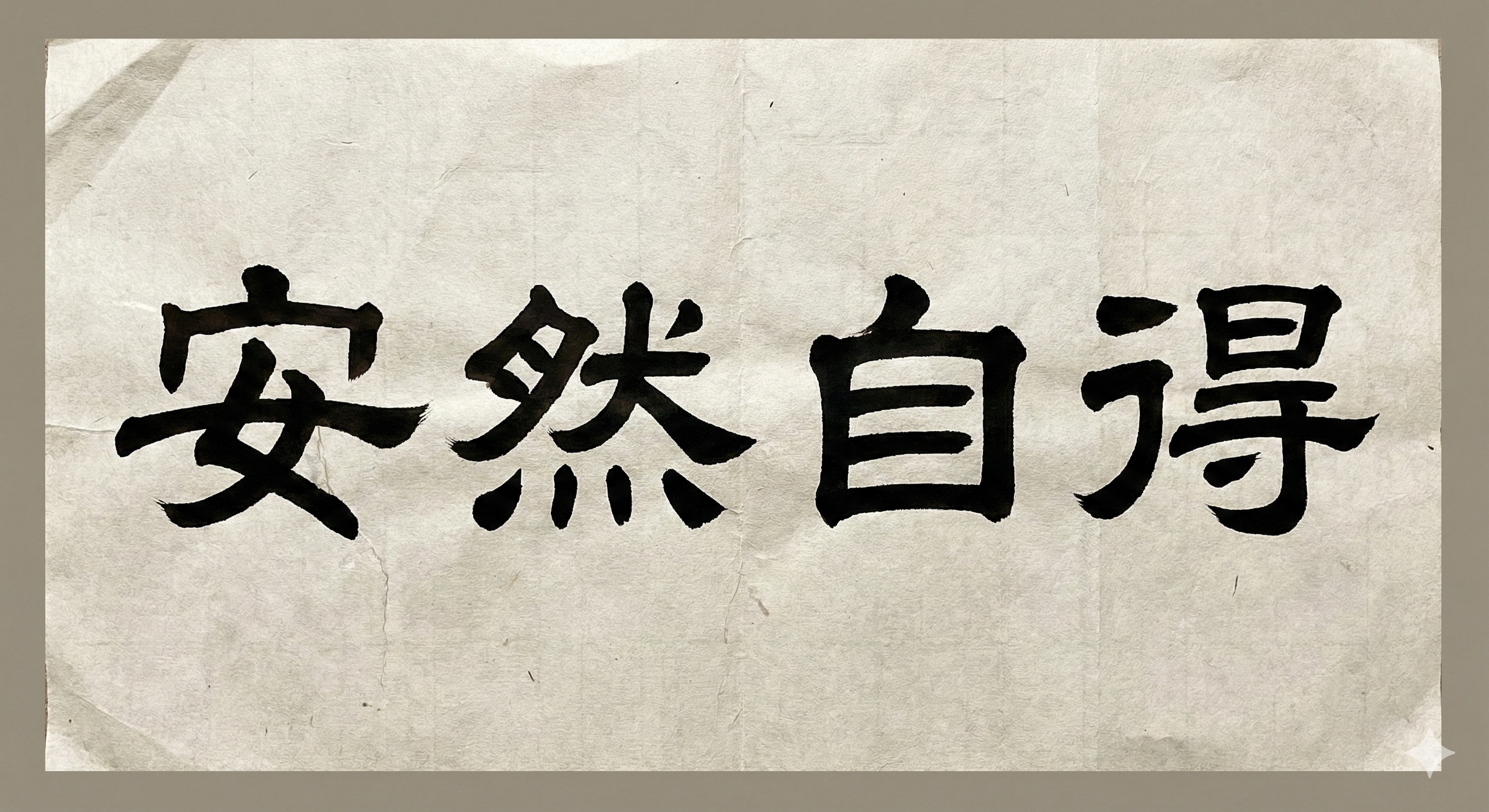
○ The vicious cycle of scrolling through social media late at night: Sleep rhythm drawing chart
This page uses illustrations to depict the cycle of "scrolling through social media late at night - insomnia - daytime fatigue - wanting to escape even more at night," allowing you to visually see where you are and where you can subtly make small changes.
1. Draw your 24-hour biological clock.
- Draw a circular clock on a piece of paper and mark the time periods in sequence, starting from your wake-up time: work, study, commute, meals, leisure, etc.
- Circle the time period in red when you most often start using your phone or computer (especially after 10 PM), and mark "what time I was originally planning to go to sleep" and "actual time I fell asleep".
- On the second day, during the daytime, write down "when I'm most sleepy" and "when I'm most likely to get angry or space out" in different colors.
Second, design a "small exit" to break the vicious cycle.“
- Draw an arrow chain: scrolling through screens in bed → becoming more and more awake → delayed falling asleep → feeling tired the next day → wanting to escape to the internet even more at night.
- Draw a small door-shaped symbol for the part you think is easiest to adjust, and write down feasible alternatives, such as "switching to audio", "moving the phone further away", or "writing three lines in a diary before deciding whether to continue watching".
- Remind yourself: You don't need to change everything at once. Just open a small exit in one place, and the cycle will begin to loosen.
Tip: If you're usually very hard on yourself, write a gentle caption somewhere in the image, such as "I'm learning to take care of my sleep, not being a loser." Let this image be a starting point for change, not new evidence of self-blame.
Please log in before submitting your drawings and feelings.
○ 1608. Disruption of Sleep Rhythm: The Vicious Cycle of Late-Night Scrolling and its Physical and Mental Consequences · Journaling Guidance Suggestions
① Write down your sleep timeline for a typical workday recently: what time you planned to sleep, what time you actually slept, whether you woke up during the night, and how you felt when you woke up in the morning.
② Reflect on the last 30 minutes before bed last night. What were you looking at and thinking about? Which part of the time was the hardest to put down your phone? Please record it truthfully.
③ Design a small change you can try tonight, such as turning off your screen 15 minutes earlier, listening to audio instead, or doing 3 minutes of breathing exercises first. Write down the specific steps you are willing to try.
④ Finally, thank yourself for observing and recording today in a sentence or two, such as "Thank you for starting to care about sleep instead of continuing to pretend that everything is fine."
Please log in to use.
Scrolling through social media late at night may seem like just "looking at a little more," but it actually depletes your energy and mood for tomorrow. May you, on your journey to re-establish your sleep rhythm, not force yourself to be perfect immediately through self-reproach, but rather gently and firmly turn off your screen time, slowly returning the night to your body and restoring alertness for the day.
 EN
EN  ZH
ZH  ES
ES  FR
FR  JA
JA