

Lesson 1609: Real-life "Reward Poverty" and High-Stimulation Competition Online
Duration:70 minutes
Topic Introduction: This course focuses on an often overlooked yet highly damaging reality: in many people's daily lives, real-world rewards are extremely scarce—learning and work yield slow returns, interpersonal interactions are dull or conflict-ridden, and daily experiences are repetitive and lack novelty. Meanwhile, the online world delivers intense stimulation at an extremely high frequency, such as likes, upgrades, red envelopes, level completion, and winning streaks, causing the brain to experience rapid dopamine releases in a short period. When "poverty of real-world rewards" and "high stimulation of the internet" compete for a long time, individuals easily surrender almost all their attention, expectations, and emotional regulation to the screen: real-world frustrations, boredom, and loneliness are amplified, while virtual achievements, role-playing, and instant feedback online create an increasingly difficult-to-break dependence. This course will help you identify the specific manifestations of "reward poverty" in your life, understand why the brain automatically favors high-stimulation online environments, and gradually reduce the allure of internet addiction by building a gentler, more stable, and realistic offline reward system, allowing life to regain the possibility of being seen, affirmed, and nourished.
○ A contrast between the lack of real-world rewards and the high stimulation of the internet
- Delayed rewards in reality:Academic performance, career growth, and relationship repair often require a long period of investment and waiting, with slow and unstable feedback.
- Real-time reinforcement of networks:Likes, winning streaks, and near-instantaneous responses to push notifications allow the brain to quickly form preferences and dependencies.
- Misalignment of self-worth:The powerlessness, exhaustion, and lack of control experienced in real life are increasingly compensated for by virtual identities and roles achieved online.
- Vicious cycle:The more scarce reality is, the more people rely on high-stimulation networks; the more addicted they are to the internet, the more their real-world development is neglected, forming a self-destructive closed loop.
▲ AI Interaction: What does your life's "reward map" look like?
Looking back on the past week, in real life: what moments made you feel affirmed, appreciated, needed, or had a sense of accomplishment? How frequently and intensely did these moments occur? In contrast, how many "instant rewards" did you receive in the online world (games, social media, short videos, etc.)?
You can list these two parts separately and give them to AI to help you create a simple "reward comparison table": where real-world rewards are scarce, weak, and where long-term potential lies; and where online rewards are frequently concentrated in which operations (brushing, clicking, liking, recharging, winning).
Next, you can invite AI to help you design one or two "achievable small sources of reward" for real life, such as a short break ritual after completing a 30-minute focused task, or a weekly self-reward list, so that new sparks of light can slowly appear in the real world.
Click the button below to write down your real and virtual "reward experiences" for the AI, and together we'll explore the possibility of making reality more interesting again.
○ Music therapy: Moving away from highly stimulating sound effects to gentle rhythms
Background sound effects in online games and online activities are often fast-paced and intensely rhythmic, specifically designed to activate the brain's excitatory system. This lesson suggests that you try replacing them with "slow, nuanced" instrumental music during specific periods: after turning off games or social media apps, give yourself a period of time to listen to music without looking at the screen, allowing your nervous system to gradually transition from the excited state of being "chased and pulled" back to a quiet rhythm where you can "appreciate the details."
You can intentionally incorporate "small tasks + music" into your daily life, such as listening to a piece of music while tidying your desk or listening to a piece of piano or string music while doing simple housework. This allows quiet actions in the real world to establish a new connection with pleasure, rather than relying solely on the dazzling lights and sound effects on the screen.
○ Western Herbal Healing Tea: Lavender Passionflower Soothing and Harmonizing Tea
Recommended reasons:Lavender is often used to relieve tension and improve sleep quality, while passion fruit is considered in traditional herbal healing to help alleviate over-excitement and anxiety. For the nervous system that has been "over-stimulated" in a highly stimulating online environment for a long time, these gentle herbal drinks can help to slowly reduce noise from within.
Usage suggestions:Steep 1g of lavender and 1g of passionflower, along with a small amount of lemon peel, in 250ml of hot water for 5-7 minutes. It is recommended to drink this tea during key moments when you are "leaving" from screens, such as after finishing a game or closing social media, making this cup of tea a ritualistic anchor point for "returning from virtual rewards to real-world experiences."
Awareness Tips:While drinking tea, you can ask yourself, "Besides the screen, is there anything else I can do for myself that I can do?" Even something as simple as tidying up your desk, stretching, or giving yourself some quiet time is a tangible reward for the real world.
○ Ancient Roman Natural Dietary Therapy: Olive Oil and Chickpea Vegetable Bowl
This simple meal, primarily made with chickpeas, olive oil, seasonal vegetables, and a small amount of whole grains, continues the ancient Roman approach to natural diets: "simple, filling, and close to the earth." Stable protein and complex carbohydrates help maintain stable blood sugar levels, reducing mood swings and impulsive internet use caused by hunger, hypoglycemia, or overeating. Making such a meal yourself not only nourishes the body but also adds a sense of control and satisfaction to "real life."
Healing Recipes
/home2/lzxwhemy/public_html/arttao_org/wp-content/uploads/cookbook/roman-natural-14(Alternatively, you could try relaxed="1" or use an existing filename.)○ Mandala Viewing Healing: Shifting Focus from "Refreshing" to "Staying"“
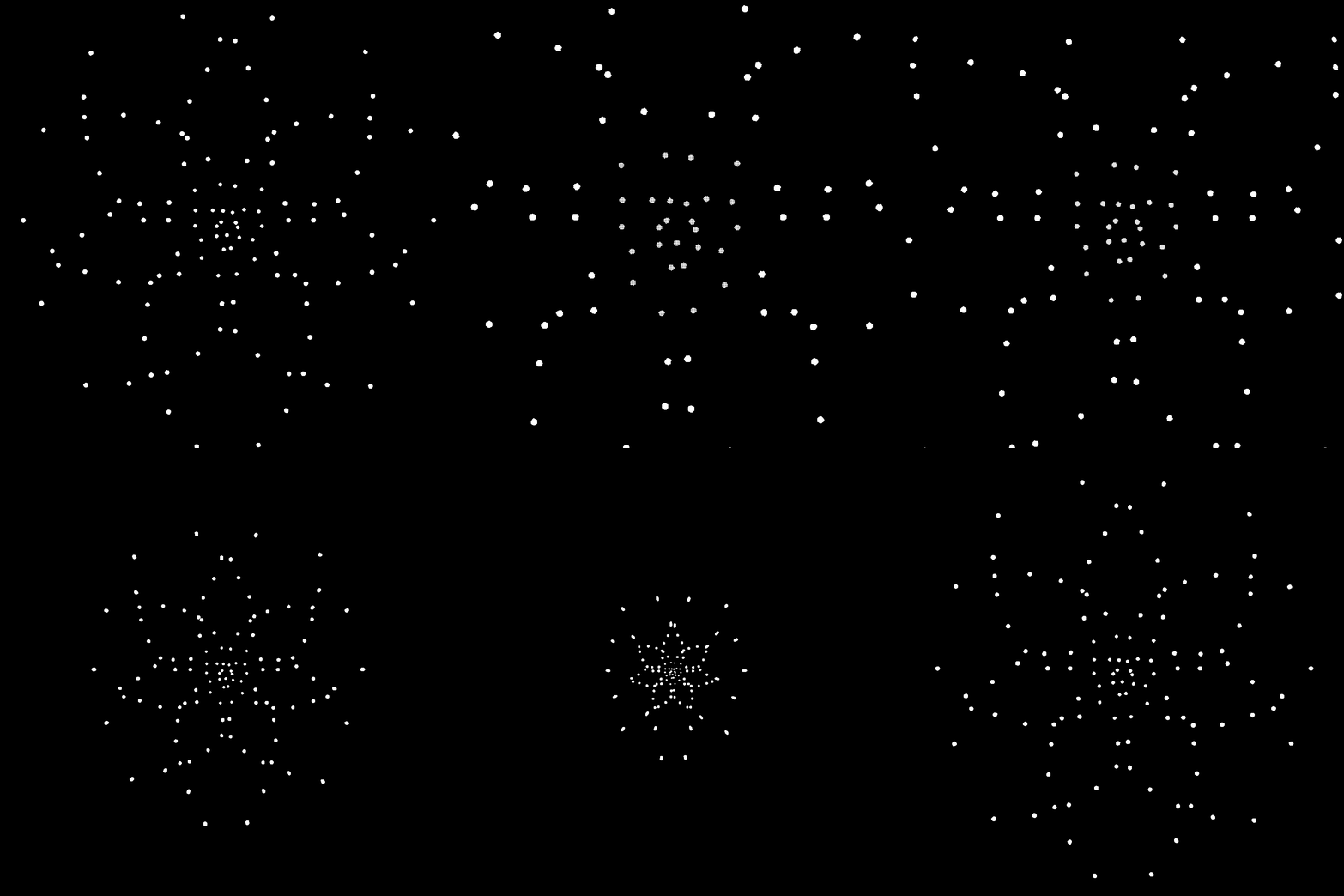
This lesson continues to emphasize that mandalas are not about drawing something, but about viewing it. The reward mechanisms of the internet and games require you to constantly refresh, click, and switch to ensure a continuous influx of stimulation; while mandala viewing exercises invite you to practice the ability to "stay" within a stable image.
Choose a mandala image and do only one thing within a limited time: observe it quietly. From the details of the outer ring to the structure of the inner ring, notice the color blocks, lines, repeating patterns, and subtle changes in your mind. You don't need an "instant reward" or to "do something right." Simply spend a few minutes telling your brain: slowing down, pausing, and observing carefully is also a worthwhile experience. Let this kind of viewing, "without points or leaderboards," subtly counteract the dominance of online rewards over your attention.
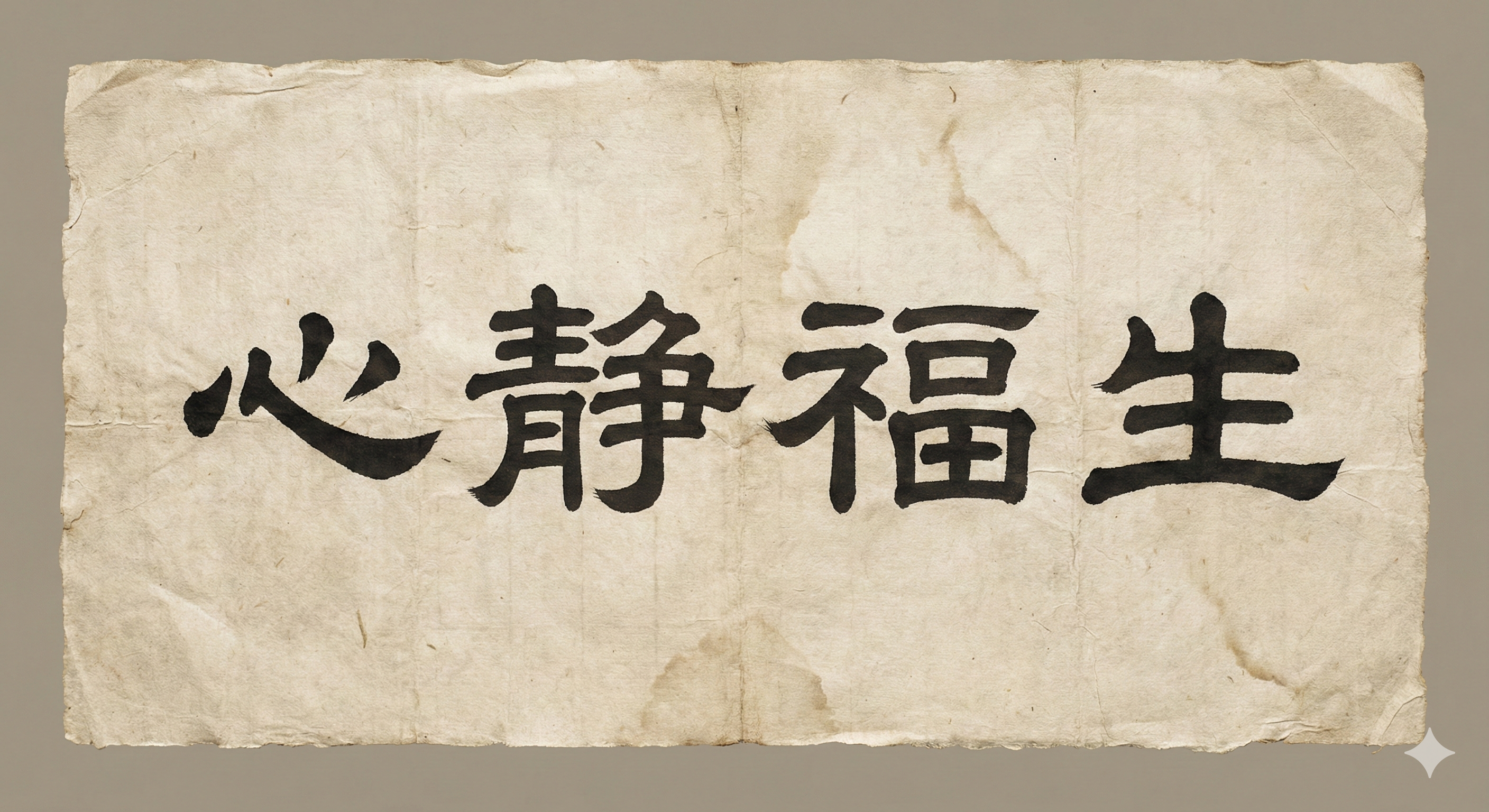
○ Suggestions for practicing medieval Gothic script
In this lesson, Gothic calligraphy embodies the desire to "regain a sense of reward in reality." The thick, powerful strokes, like stacked bricks, symbolize the achievements accumulated little by little in real life, rather than the time repeatedly consumed by the high-stimulation internet.
- Writing words:
Latin:Praemium Verum
Meaning in Chinese: A real reward. - Psychological Intention:
When you type "Praemium Verum" over and over again, you can imagine yourself laying the foundation for small goals in reality: completing a task, taking care of a meal, or having a sincere conversation with someone important are all "real rewards" that deserve to be seen and don't need to be attached to a screen to exist. - Writing method:
On a lined piece of paper, slowly write each letter with a square-tipped pen or a thick-tipped ballpoint pen, keeping the vertical strokes straight and the horizontal strokes firm. Below each letter, you can write a small, realistic goal you want to try this week, such as "walk for 20 minutes every day" or "write a page of reading notes". - Emotional transformation:
Whenever you feel that real life is “boring and meaningless”, you can stop and write “Praemium Verum” a few times, and recall even one small thing you have accomplished today, shifting your attention from “I am worthless” to “I am slowly building something”.
○ Limited Rewards and Highly Competitive Incentives: Life Experience Mapping Guidance
This page uses illustrations to visualize the "sense of reward" you receive in the real world and the online world: where there are blank spaces, where there are highlights, and where things are being overemphasized, helping you see what kind of competitive structure you are in.
I. Drawing a "Reality vs. Network" Two-Quadrant
- Draw two large squares on a piece of paper, write "Real Life" on the left and "Online World" on the right.
- In the box on the left, use different colors to mark the areas where you might find satisfaction in your daily life: learning, work, hobbies, relationships, physical condition, etc.; use the number of dots to represent the "reward frequency".
- In the box on the right, draw your usual online activities (watching videos, social media, playing games, etc.), and use more obvious symbols to mark the excitement of each "like, level up, or complete a level".
II. Designing new "micro-reward entry points" for real-life applications“
- In the blank area of the "Real Life" box, draw a few small stars or sprout shapes and write down specific actions you can try to add, such as "take an outdoor walk once a week", "have a cup of your favorite tea after completing a task", or "record three small achievements of today".
- Draw a small gate somewhere in the "Online World" box and write down the behavior you most want to adjust first, such as "limit the total daily video viewing time" or "only play one game on weekends".
- Finally, write a footnote at the bottom of the drawing paper, such as: "I'm not trying to reject all the internet right now, but rather to make reality worthy of my liking again."“
Tip: This image doesn't need to be aesthetically pleasing; it simply helps you see how real-world rewards have been gradually squeezed over time, and how you have the opportunity to bring back even a glimmer of light.
Please log in before submitting your drawings and feelings.
○ 1609. Real-life "reward poverty" versus the highly stimulating competition of the internet: Log guidance suggestions
① Write down three moments in your real life that you felt "pretty good" and three moments in the online world that you felt "awesome" and "exciting". Compare their duration and subsequent effects.
② Honest record: In what real-world situations are you most likely to turn to the internet for high stimulation (e.g., after get off work, after failing an exam, after an argument)? How do you feel in reality during these moments?
③ Design a “small reality reward experiment” for yourself: Choose a specific area (study, work, health or relationships), write down one small thing you can accomplish this week, and how you will gently reward yourself after you finish it.
④ Finally, summarize today's experience in one or two sentences, for example: "It turns out that it's not that I'm too lazy, but that the rewards in reality are too few; from today onwards, I'm willing to help reality grow a little more light."“
Please log in to use.
The reason why the internet is so hard to let go of is not largely because you have "poor willpower," but because reality has long lacked experiences that make you feel worthwhile, needed, and rewarded. May this lesson be the starting point for you to cooperate with yourself: gently reduce the stimulation of the internet while patiently adding small lights to your real life.
 EN
EN  ZH
ZH  ES
ES  FR
FR  JA
JA