

Lesson 1610: From Dependence to Autonomy: Building a Long-Term Sustainable Digital Life Plan
Duration:70 minutes
Topic Introduction: This course focuses on the transformation from being led by the screen to planning and choosing for oneself. Many people initially use the internet or games for relaxation and entertainment, but gradually develop a habitual dependence: time is allocated by algorithms, attention is guided by push notifications, and emotional regulation is almost entirely handed over to the screen. When the rhythm of life and emotional fluctuations increasingly revolve around "scrolling through the screen, playing another game," a sense of autonomy, control, and long-term goals quietly erode. This course will guide you to systematically review your current digital life, identify high-risk periods and high-consumption behaviors, learn how to set "boundaries, rhythms, and priorities," and design a gradually adjustable and sustainable digital life plan for the coming months or even a year: neither over-relying on the internet nor excessively suppressing real needs, but rather reintegrating online tools into the overall blueprint of life, transforming "going online" from passive avoidance to conscious and purposeful use.
○ Three Paths from Dependence to Autonomy
- Be aware of the current situation:Identify the key times of the day when you are "inseparable from the internet," record the usage duration, emotional changes, and real-world consequences, and gain a clearer understanding of your dependency patterns.
- Reconstructing the rhythm:By setting fixed "online/offline time windows," maintaining a screen-free living space, and a "digital buffer zone" before bed, we can gradually restore the basic rhythm of life.
- Long-term planning:Incorporate learning, work, relationships, interests, and rest into a "digital life roadmap," clearly defining which aspects should be handled offline and which should be supplemented online, rather than letting the internet automatically fill all the gaps.
▲ AI Interaction: How serious is the "autopilot" of your digital life?
Think back to the past week. How many times did you actively decide to go online to do something specific, and how many times did you just "click on it casually" or "scroll around when you're bored," only to find yourself unable to stop? What were your emotional, physical, and task completion statuses during those moments?
You can roughly divide your day into several time periods (after waking up, before and after commuting or studying, lunch break, evening, and before bed), write down your general internet usage patterns for each time period, and then give this information to AI to help you conduct a "digital life check-up": where is the necessary usage, where is the habitual procrastination, and where is it to escape from reality.
Next, you can invite AI to work with you to design a simple "digital life experiment plan" for the coming week, such as trying to shorten usage time during one or two periods, increasing offline activities, or setting up a small "screenless ritual".
Click the button below to write your real day to AI and together draw a sketch of a digital life that moves from dependence to autonomy.
○ Music Therapy: Design a gentle transition piece for "going offline"
When disconnecting from the online world, the brain is often still in a state of high stimulation and high information intake. If you try to "force yourself not to use your phone," you'll easily be pulled back to the screen after a few minutes. This lesson suggests designing a "ritualistic exit music" for yourself: when you decide to end a period of online or gaming time, immediately play a piece of music of fixed length with a gradually slow tempo, allowing yourself to do only one thing during those few minutes—feel the music, allowing your attention to return to your body and breathing.
You can set this piece as your "lullaby for digital life" or "closing music after a task is completed," teaching your brain that when this melody plays, it means a period of use has come to a successful end, rather than "not having had enough fun yet." Over time, music will help you build new rhythmic memories, paving the way for a transition from dependence to autonomy.
○ Western Herbal Healing Tea: Lemon Verbena and Chamomile Balanced Tea
Recommended reasons:Lemon verbena helps relieve mental tension and brain fatigue, while chamomile is considered a gentle partner for "evening relaxation" in traditional herbal healing. For a brain that is constantly bombarded with information and multitasking, this combination helps slow down the internal rhythm, supporting clearer thinking and self-planning.
Usage suggestions:Steep 1g of lemon verbena and 2g of chamomile in 250ml of hot water for 5-7 minutes. This tea can be consumed when making digital life plans, organizing to-do lists, or preparing for your bedtime "logout ritual." Let this cup of tea serve as a reminder to "move from automatic scrolling to conscious planning."
Awareness Tips:While drinking tea, you can silently repeat to yourself: "I am choosing how to use time, rather than being pushed around by time." Write this sentence into your new digital life blueprint.
Ancient Roman Natural Dietary Therapy: Whole Wheat Bread with Olive Oil and a Platter of Fruits and Vegetables
Simple whole-wheat bread paired with extra virgin olive oil, fresh tomatoes, olives, and a touch of cheese embodies the "rough and simple" spirit of ancient Roman natural diets: minimal processing and seasoning, focusing on stable energy and connection to the land. Preparing such a meal requires you to cut, arrange, dip, and taste it yourself; every action reminds you that your body's rhythm and sense of fullness come from reality, not from the thrill of "playing one more game."
Healing Recipes
/home2/lzxwhemy/public_html/arttao_org/wp-content/uploads/cookbook/roman-natural-15(Alternatively, you could try relaxed="1" or use an existing filename.)○ Mandala Viewing Healing: From "Slide to Update" to "Quiet Gazing"“
In this lesson, we continue to emphasize that a mandala is not about drawing something, but about viewing it. The habits of the internet and gaming lead fingers and eyes to constantly swipe down and tap back, chasing the next stimulus; mandala viewing invites you to temporarily stop all swiping and focus solely on the image.
Choose a mandala image and set aside a short viewing time for yourself, such as three minutes. During these three minutes, you don't need to think about whether it's "beautiful" or "meaningful." Just slowly move your gaze along the lines and colors, noticing whether your inner tension has eased slightly. You'll find that the first step from dependence to autonomy often doesn't come from grand resolutions, but from the practice of "willingness to linger" during these few minutes.

○ Suggestions for practicing medieval Gothic script
In this lesson, Gothic script symbolizes "the right to make sound choices." The bold, angular strokes resemble solid stone walls, reminding you that even with the rapid flow of external information, you can still establish clear boundaries and directions for yourself.
- Writing words:
Latin:Consilium
Meaning in Chinese: A decision made after careful consideration, a plan made after thorough deliberation. - Psychological Intention:
When you practice "Consilium," you can think of it as a symbol of "reclaiming control over my digital life." Each stroke reminds you: I can pause and think clearly about why I'm online this time, instead of being led astray by push notifications. - Writing method:
Using a square-tipped pen or a thick-tipped ballpoint pen, write slowly on lined paper, slightly emphasizing each vertical stroke to give the characters a sense of "solid" weight. Below the words, you can write down your digital lifestyle goals for the coming month, such as "fixed screen-free hour in the evening" or "set two low-information days per week". - Emotional transformation:
When you find yourself unconsciously scrolling through screens and switching apps, stop, write "Consilium" a few times, and ask yourself, "What do I really need right now?" Let writing become a path from automatic dependence back to autonomous choice.
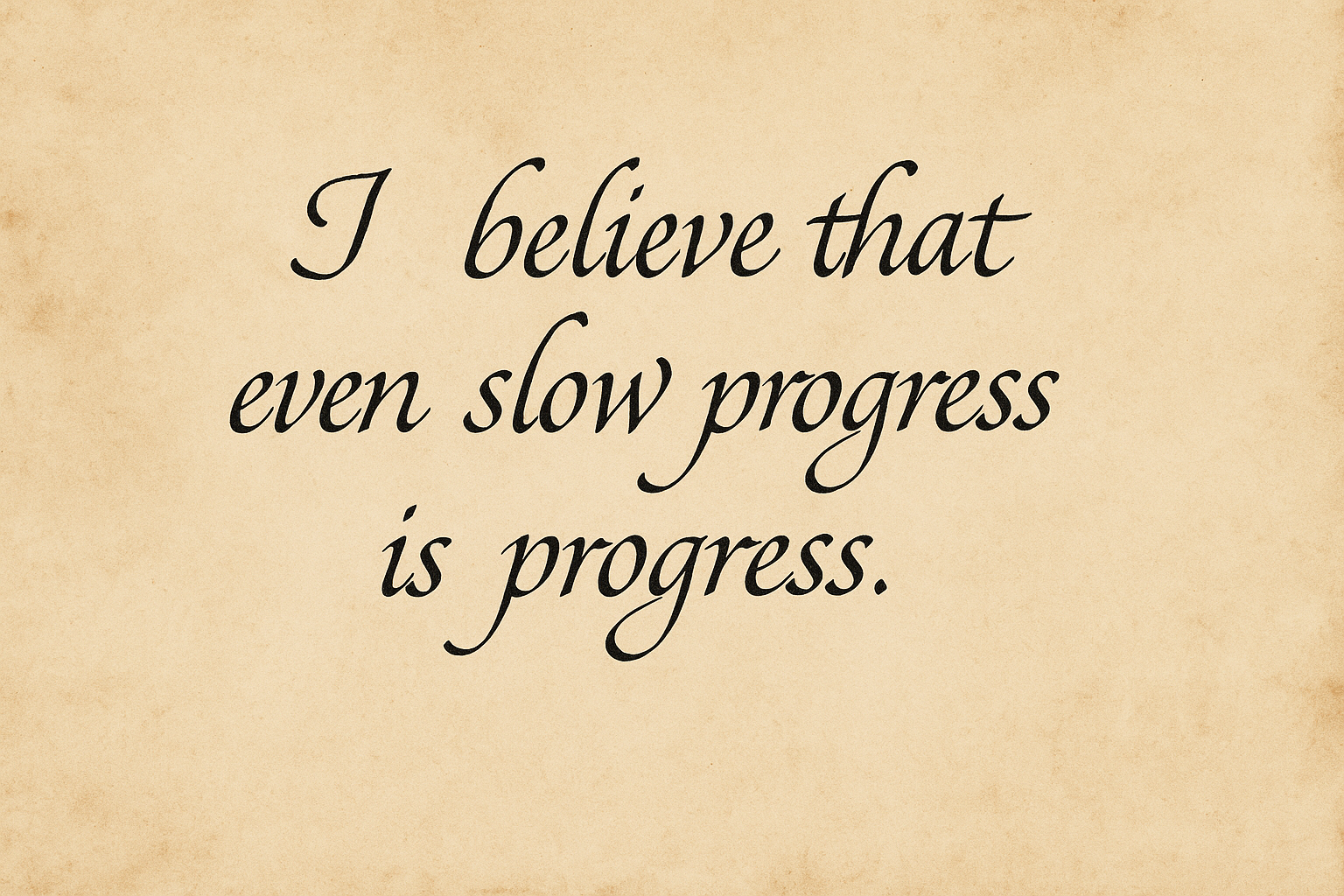
○ Digital Life Blueprint: A Visualized Plan from Dependence to Autonomy
This page uses illustrations to create a "digital life map" of your relationship with the internet/games: where are the high-risk areas, where are the nurturing areas, where boundaries need to be set, and where real connections can be increased, helping you gradually move from passive dependence to proactive planning.
1. Draw your "digital daily routine"“
- Draw a timeline on a piece of paper from morning to night, mark the times when you usually go online or play games with different colors, and write simple keywords next to them (such as "browse as soon as I wake up", "procrastinate before studying", "can't stop before bed").
- Use wavy lines to mark the moments when emotions are most likely to fluctuate, such as anxiety, emptiness, over-excitement, or a state of being unable to stop.
- Circle the short period of time that you feel you "most want to change first," and mark it with an asterisk or a special symbol.
II. Sketching a New Digital Life Plan for the Next Three Months“
- Draw three concentric circles on another piece of paper, and write "What I really care about" in the center, such as health, relationships, growth, creation, and a sense of security.
- Write down the parts that the internet can help with in the middle circle (such as online courses, remote communication, and information search), and write down the parts that I want to deliberately leave for offline activities in the outermost circle (such as walks, in-person gatherings, and hands-on creation).
- Finally, write a gentle promise you're willing to make to yourself at the bottom of the paper, such as: "I will gradually shift my time away from unconsciousness and towards things that are truly important to me."“
Tip: Planning doesn't have to be perfect. Starting with one or two small changes is already a slow step towards "long-term sustainability".
Please log in before submitting your drawings and feelings.
○ 1610. From Dependence to Autonomy: Building a Long-Term Sustainable Digital Life Plan - Log-Guided Suggestions
① Record your "digital time bill" for today: How much time did you spend online or gaming from waking up to bed? Which time periods are most likely to get out of control?
② Write down the three things you most want to protect in your digital life (such as learning efficiency, sleep quality, intimate relationships, and creative time), and think about whether your current usage is helping you or hindering you.
③ Draft a "small but specific" rule for the coming week, such as "Don't use your phone 30 minutes before bed" or "Don't look at the screen while eating," and write down how you plan to remind yourself to follow this rule.
④ At the end of your diary, write a sentence to encourage yourself, such as: "I don't need perfect self-discipline, I just need a little more choice than yesterday." Let this sentence accompany you as you take a small step from dependence to autonomy.
Please log in to use.
The long-term plan to transition from internet addiction to a digital life is not a one-time transformation, but rather the accumulation of many small, different choices made each day. May this lesson help you regain control of your life's rhythm, allowing the screen to return to its role as a tool, and you to return to the center of your life.
 EN
EN  ZH
ZH  ES
ES  FR
FR  JA
JA