
Lesson 1665: Caring for Adults with Digital Exhaustion

Duration:70 minutes
Topic Introduction:Digital fatigue in adults often hides beneath work, family responsibilities, and chronic stress. It may appear as simply being busy, but the mind is already weary. Today, we need to learn to give ourselves some undisturbed space. This doesn't mean continuing to scroll until numb, but rather finding ways to truly rest. Taking care of your tired self is a crucial step in restoring digital balance. Treat rest as a serious matter; don't wait until you're completely numb to stop. Both your body and mind need to be properly given a break. This isn't laziness; it's about allowing yourself to heal.
○ Course Topic Audio
Lesson 1665: Caring for Adults with Digital Exhaustion
Click to view the read-aloud text
Adults also experience digital fatigue, it's just often unseen. Work messages, family responsibilities, bills, news, social responses—all flood your phone. It may seem like you're just busy, but your mind is already exhausted. Many adults continue scrolling after get off work, not to truly relax, but because they're too tired to know how else to rest. This talk aims to remind you that fatigue needs to be taken seriously, not numbed by more information. Ask yourself: Do I really want to look at my phone right now, or do I just want to temporarily step away from my responsibilities? True rest might be taking a hot bath, having a quiet meal, taking a short walk, or simply refraining from responding to any messages for ten minutes. Don't see rest as a waste. A person who is chronically overworked will find it difficult to maintain their digital limits through willpower alone. Take care of your body first, let your mind calm down, and recovery will have a foundation. You are not a machine; you need genuine pauses and deserve undisturbed time. Next, you can apply "Caring for Digital Fatigue in Adults" to a small exercise: distinguish whether you genuinely want to look at your phone or are simply too tired to truly rest, and schedule a quiet break. In the topic of "Caring for Adults with Digital Exhaustion," you don't need to immediately change your habits completely, nor do you need to prove to anyone that you have great self-control; simply being willing to stop and observe is already a form of recovery. If you feel the urge to return to the screen during practice, gently acknowledge this impulse within the framework of caring for adults with digital exhaustion, and give yourself some breathing room. You are learning how to care for adults with digital exhaustion, which requires patience and understanding. You can also leave a personal reminder after finishing "Caring for Adults with Digital Exhaustion," placing it somewhere easily visible tomorrow. This reminder about "Caring for Adults with Digital Exhaustion" doesn't need to be beautifully written; just be sincere, useful, and understandable tomorrow. Regarding caring for adults with digital exhaustion, don't strive for complete change at first; simply strive to be a little more aware than yesterday. If you can only achieve a little today, consider that a real exercise from Lesson 1665.
AI Healing Q&A
Digital fatigue in adults often hides behind a busy schedule. You can ask AI to help you distinguish whether your post-get off work scrolling is a form of rest or numbness. Please write down your most tiring responsibilities and the moment you most wanted to escape. AI will help you schedule a truly restful activity. After answering questions, give yourself ten minutes without responding to messages. After answering questions, schedule a genuine rest activity—no need to respond to messages, and no need to continue numbing yourself with scrolling. Let fatigue be acknowledged. Let your mind rest first.
○ Music therapy guidance
When adults experience digital fatigue, choose music that truly slows down the body, rather than continuing to stimulate yourself with sound. After get off work, listen to some low-volume music first, without rushing to reply to messages or scroll through videos. Let your shoulders, eyes, and breath slowly detach from the burden of responsibility. After the music ends, schedule a real rest activity, such as taking a shower, going for a walk, or eating quietly, allowing the fatigue to be truly acknowledged. Those who have truly rested are more energetic to return to life, rather than continuing to scroll until they become numb.

○Eastern and Western Healing Teas
Cocoa ginger tea is a great choice for adults experiencing digital fatigue. Add 2 tablespoons of raw cocoa powder to 250ml of hot water, then add 1 tablespoon of fresh ginger juice. Honey can be added for flavor. It provides warmth and a touch of energy, perfect for replacing mindless scrolling in the afternoon. While drinking it, ask your body: Do I really want to look at my phone, or do I need rest and care? After drinking it, schedule a real rest activity to prevent fatigue from hiding behind messages and videos. Only after a proper rest can you regain your energy.
○ Healing Recipes
○ Japanese Dietary Therapy: Sea Bream and Kelp Soup (Boosts Basal Metabolism)
Recommended dishes:Sea bream and kelp broth (boosts basal metabolism) Recommended reasons:Sea bream and kelp soup (to boost metabolism) is a warm soup base with miso, kelp, root vegetables, tofu, and fish or chicken. It's suitable as basic care in courses on digital lifestyle imbalance and internet addiction recovery. Excessive internet use often leads to sedentary lifestyles, eye strain, lack of sleep, or eating disorders. This dish uses gentle, warm food to slowly bring people back to reality. When addressing the topic of "caring for digital fatigue in adults," it reminds you: taking care of your body makes it easier for your mind to return to the screen. Recipe (1–2 servings): practice: When preparing sea bream and kelp soup (to boost metabolism), please place your phone out of your reach and give yourself some uninterrupted cooking time. The washing, chopping, waiting, and stirring don't need to be perfect; just be slow and steady. When your attention is drawn back to the screen, focus on the color, temperature, and aroma of the ingredients. Before taking your first bite, remind yourself: I am gently supporting my recovery today with a real meal. If you're feeling tired today, simplify your cooking to the bare minimum; if you're feeling irritable, slow down your movements. Food isn't a new task, but rather a gentle support for your mind and body. Video Title:Sea bream and kelp broth (boosts basal metabolism) - A gentle and nourishing recipe for recovering from digital life hint:Please understand diet within the overall recovery plan: regular sleep, moderate exercise, digital boundaries, real-world connections, emotional journaling, and necessary professional support remain important foundations for recovering from digital life.Click to view healing recipes
◉ Japanese Dietary Therapy: Sea Bream and Kelp Soup (Boosts Basal Metabolism)
I. Recommended Dietary Therapy and Reasons
2. Recipe and Method
3. Small rituals for body and mind
4. Dietary Therapy Experience Record
V. Instructional Videos (approximately 3–5 minutes)
6. Precautions
○Mandala Healing
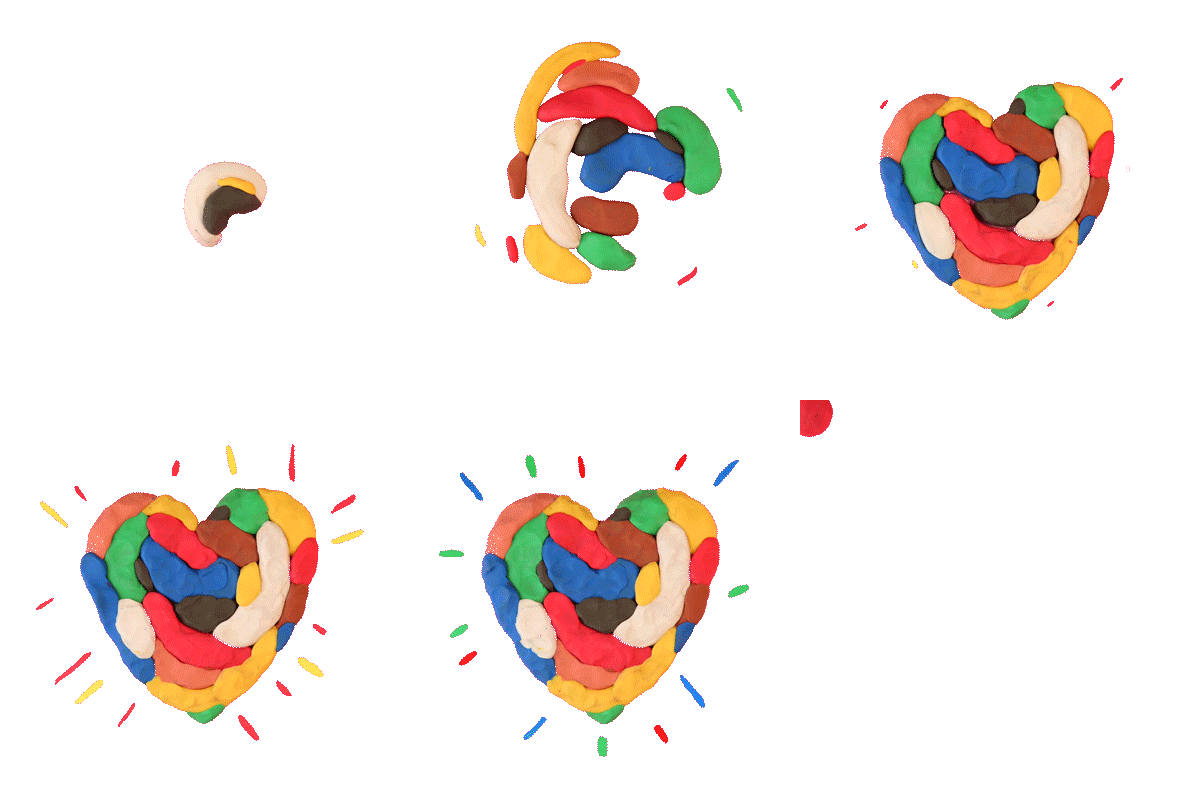
When adults experience digital fatigue, choose mandalas with muted colors and stable structures. After get off work, look at them for a few minutes, without rushing to reply to messages or continue scrolling through videos. Let your eyes and mind step away from responsibility, and feel a moment of peace without being pressured. After watching, schedule a genuine rest, allowing the fatigue to be truly acknowledged. Those who have truly rested have more energy to return to life, rather than continuing to scroll until numb. First, let yourself relax. Rest first.
● AI Dynamic Geometric Vision Focus and Emotion Regulation Engine ●
AI Dynamic Geometric Vision Focus and Emotion Regulation Engine · v7.0.0
Before we begin, I'd like to know how you feel right now.
There is no standard answer; just choose the one that best reflects how you feel right now.
The experience is over. Tell us how you feel now.
There is still no standard answer; just choose the one that best reflects how you feel right now.
#FF5252
After the fluorescent line crawling is completed and stopped, first select a color, then click on the closed area in the graphic to fill in the color.
AI Digital Mandala Static Focus EngineAZ Image Coloring · 60 Colors
AI Digital Mandala Interactive Focus Engine
A–Z Free Selection · Layered Lines · 60 Color Fills
○ Calligraphy and engraving therapy practice
For adults experiencing digital fatigue, handwriting can serve as a buffer after get off work. Don't rush to reply to messages or continue watching videos; simply let your hand slowly rest on the paper. The practice isn't about fulfilling a task, but about letting your tired body know: now is the time to pause. After finishing, schedule a genuine rest and take good care of yourself. This buffer allows learners to step back from responsibilities and information overload, rediscovering that they too need rest. Let the fatigue be acknowledged.


○ Art Therapy Guidance
For adults experiencing digital fatigue, drawing can be a buffer after get off work. Ask learners to draw how they felt throughout the day, pushed along by messages, responsibilities, and screens, and add a touch of genuine rest. The drawing doesn't need to be positive, just honest. After finishing, depict a real-life break, preventing fatigue from being numbed solely by scrolling. Once fatigue is drawn out, learners are more likely to acknowledge their need for rest, rather than continuing to scroll until they become numb. Acknowledging that you're tired is crucial.
Please log in before submitting your drawings and feelings.
○ Diary Healing Suggestions
When adults experience digital fatigue, a journal can record which messages and responsibilities propelled them through the day. Record the moment you scroll through your screen after get off work: are you truly resting, or are you too exhausted to know how to rest? Next, write down one truly restorative activity—it doesn't have to be complicated; a shower, a walk, or a quiet meal will do. Finally, remind yourself: I am not a machine; I need undisturbed time. If you find yourself unable to truly rest, don't blame yourself. Try writing down a recovery method in your journal that doesn't require a screen, giving your body a choice. This recovery method doesn't need to be sophisticated; just something that truly relaxes the body will suffice.
Please log in to use.
May you gradually return to a more stable, clear-headed, and gentler version of yourself through today's practice.