

Lesson 173: The Link Between Spatial Anxiety and Panic Disorder
Duration:70 minutes
Topic Introduction:
Spatial anxiety and panic disorder may seem different on the surface: one is related to the "environment," while the other is related to "physical reactions."
However, in real-life experiences, these fears often intertwine—a specific space triggers bodily alarms, which in turn amplify the fear of that space.
This lesson will help you understand how the two influence each other, thus laying a clearer foundation for subsequent exposure training and body conditioning.
○ Typical linkage between spatial anxiety and panic
- Space makes the body "more alert":Subways, shopping malls, enclosed spaces, and bridges create a sense of inescapability, making it easier for the body to enter a state of high alert.
- Physical reactions are misinterpreted as "danger is imminent":If abnormal heartbeat, dizziness, or breathing occurs, it will be associated with "something bad is going to happen in the space".
- A chain reaction creates habitual fear:Space → Physical reaction → Fear → Avoidance → Fear of it happening again.
- Decreased predictability:Panic reactions often occur without warning, further reducing a person's sense of control over their environment.
Lesson 173: The Link Between Spatial Anxiety and Panic Disorder (Click to listen to the reading and view the content)
There is a closely intertwined relationship between spatial anxiety and panic disorder, but they are not simply causal substitutes. Many people do not exhibit obvious spatial avoidance when they first experience a panic attack, but as intense physical reactions occur in specific locations, the brain begins to associate these spatial cues with the experience of loss of control. Over time, the space itself becomes associated with threat, triggering alarm systems even before the body is actually in a dangerous state. This is a crucial pathway in the gradual development of spatial anxiety. The core of panic disorder is not the fear of death or going insane, but the fear of losing control of bodily reactions, and spatial anxiety provides a concrete stage for this loss of control. When you are in an environment where you cannot quickly leave or find support, your body's sensitivity to panic increases significantly. This sensitivity does not represent vulnerability, but rather a natural response of the nervous system in a hypervigilant mode. It is important to understand that spatial anxiety does not exist in isolation; it often depends on the developmental stage of panic disorder. When panic is repeatedly avoided or suppressed, space gradually assumes the role of a container for fear. Lesson 173 focuses on helping you distinguish the relationship between space and symptoms. Space does not create panic; it merely triggers your anticipation of bodily reactions. When you begin to observe similar bodily fluctuations in different spaces, yet the outcomes remain consistently controllable, your brain gradually disentangles itself from this erroneous connection. True recovery isn't about eliminating spatial tension, but rather restoring the space to a neutral context. As you shift your focus from whether a space is safe to your own capacity to bear it, the link between spatial anxiety and panic disorder slowly loosens.
▲ AI Interaction: The Link Between Spatial Anxiety and Panic Disorder?
Click the interactive module below to tell the system: "In which spaces am I most likely to experience physical reactions?"“
“What usually triggers my panic? Breathing? Heartbeat? Dizziness?”
AI will help you draw your "space-body interaction diagram" and point out a minimum entry point to practice first.
○ Musical guidance on sound rhythm and steady breathing
For many people, the first sign of terror comes not from the space around them, but from the sudden increase in speed of their body.
Before entering an environment that might make you nervous, use music with a steady rhythm to regain your baseline breathing and heart rate.
Make sure your body lands first, so that space won't easily carry you away.
The practice is not about suppression, but about letting the body find a rhythm it can rely on in advance.
○ Oriental Tea Drinking - Tangerine Peel, Ginger, and Jujube Tea
Recommended drinks:Dried tangerine peel + ginger + red dates
Recommended reasons:The combination of tangerine peel (dried tangerine peel) to regulate qi, ginger to warm the body, and red dates to soothe the stomach can reduce common panic reactions such as "stomach tightness and shortness of breath," making the body more stable.
practice:Simmer 2g of dried tangerine peel, 2-3 slices of ginger, and 1-2 red dates over low heat for 8 minutes. Enjoy it warm and let it slowly relax your body from the inside out.
○ Stable Dietary Therapy - Steamed Egg with Green Tea (ID173)
During the stage of understanding the connection between spatial anxiety and panic, the body needs gentle, non-stimulating nourishment. Eggs provide stable and gentle energy support, while the fragrance of green tea brings awareness and clarity without increasing the burden on the nervous system. This steamed egg dish is suitable for consumption after spatial awareness exercises to help the body return to a stable and manageable state.
Nerve soothing
Space adaptation period
Open Recipe
◉ Japanese Food Therapy: Steamed Egg with Green Tea (ID 43)
This is a refined variation of Chawanmushi. Traditional Chawanmushi uses bonito broth, but this recipe replaces it with a fragrant green tea broth. The egg mixture solidifies into a smooth, pudding-like texture under the gentle steam, each bite infused with the refreshing sweetness of green tea. When anxiety leads to restlessness, agitation, or a poor appetite, this dish not only provides high-quality protein but also instantly calms agitated nerves with its tea aroma.
Gentle and calming Stabilize nerves Clears away heat and relieves fire
I. Recommended Dietary Therapy and Reasons
Recommended dishes:Steamed Egg with Green Tea (ID 43)
Recommended reasons:Eggs are rich in tryptophan and lecithin, essential raw materials for the synthesis of serotonin (the "happy hormone"). Theanine in green tea has a significant relaxing effect, counteracting the stimulating effects of caffeine and putting the body in a state of "calm wakefulness." The combination of eggs and green tea—eggs nourishing yin and blood, green tea calming the mind and relieving irritability—provides an ultimate, gentle soothing comfort to a tense stomach.
2. Recipe and Method
Recipe (1–2 servings):
- 2 eggs
- 2 teaspoons of green tea leaves (sencha or Longjing)
- 300ml of hot water
- a pinch of salt
- 1/2 teaspoon mirin (or sugar) (to neutralize the bitterness of the tea)
- 1/2 teaspoon light soy sauce (to keep the color light)
- Garnish: Shrimp, ginkgo nuts, or a tea leaf
practice:
- Making tea soup:Pour hot water into the tea leaves and steep for 2–3 minutes. Strain the tea.It must be cooled to room temperature.(A crucial step: the hot tea will scald the eggs and turn them into egg drop soup).
- Beat the eggs:Beat the eggs, trying not to create too much foam.
- mix:Pour the cooled tea into the egg mixture (ratio approximately 1 part egg to 2 parts tea), and season with salt, mirin, and light soy sauce.
- Sieving:Strain the egg mixture through a sieve 1–2 times. This is the secret to achieving a smooth, mirror-like finish by removing any stringy strands and air bubbles.
- Steaming:Pour into a heat-resistant container (tea bowl), cover with plastic wrap (poking a few small holes) or a lid. Place in a steamer, bring water to a boil over high heat, then turn...Minimum fireSteam for 10–12 minutes.
- Remove from heat:Shake the container; if the center of the egg mixture solidifies and is elastic, it's ready.
3. Small rituals for body and mind
When filtering the egg mixture, imagine you are filtering out the impurities in your thoughts, leaving only the purest essence.
The moment you lift the steamer lid, close your eyes and feel the steam that is a blend of egg and tea aromas, and take a deep breath of "tranquility".
Scoop up that trembling mouthful with a spoon, feel its gentle melting on your tongue, and tell yourself, "My heart has become so soft and peaceful."“
4. Dietary Therapy Experience Record
- Record whether the silky texture made your tense throat feel relaxed when you ate it.
- Observe whether the bitterness and sweetness of tea can calm your mind and make you feel more composed.
- Notice the feeling of lightness in your body after eating this oil-free, easily digestible dish.
V. Instructional Videos (approximately 3–5 minutes)
◉ Video Title:Green tea steamed egg - a mirror glaze dish to soothe anxiety
6. Precautions
- The key to controlling the heat:High heat is the worst thing you can do when steaming eggs. High heat will cause the egg mixture to boil, creating honeycomb-like air pockets (making it tough) and resulting in a coarse texture. Always use low or medium heat throughout the entire process.
- Tea temperature:The tea must be cooled! If you pour hot tea over an egg, it will instantly turn into egg drop soup.
- Tea selection:We recommend using green tea with a delicate aroma, such as Japanese sencha or Chinese Longjing; we do not recommend using roasted tea with a strong flavor, as it will overpower the egg aroma.
hint:This dietary therapy is suitable as the "first food" after recovering from illness, poor appetite, or high stress, and is extremely gentle.
○·Chinese Calligraphy·Regular Script·Lesson 173 Writing Practice
The topic of this lesson:Resolving faulty connections in stable structures
In-depth analysis:
Spatial anxiety is essentially the brain misattributing unstable experiences to environmental cues. Regular script calligraphy is known for its clear structure and distinct strokes, with each component having its proper place. This writing process helps the brain re-experience boundaries and realignment, gradually dissolving confused connections.
Writing Instructions:
This lesson focuses on practicing the independence of each stroke. Each stroke should be completed independently without rushing to connect them. After completing one stroke, move on to the next, corresponding to the mental process of separating spatial awareness from physical reaction.
Written words:
Smooth and peaceful
Motivational words:
When relationships are clarified, fear loses its anchor.
Writing Tips:
When writing the character "然", pay attention to the connection between the upper and lower structures to make the fire radical stable without being overly flamboyant, and experience the feeling of emotions being properly placed.
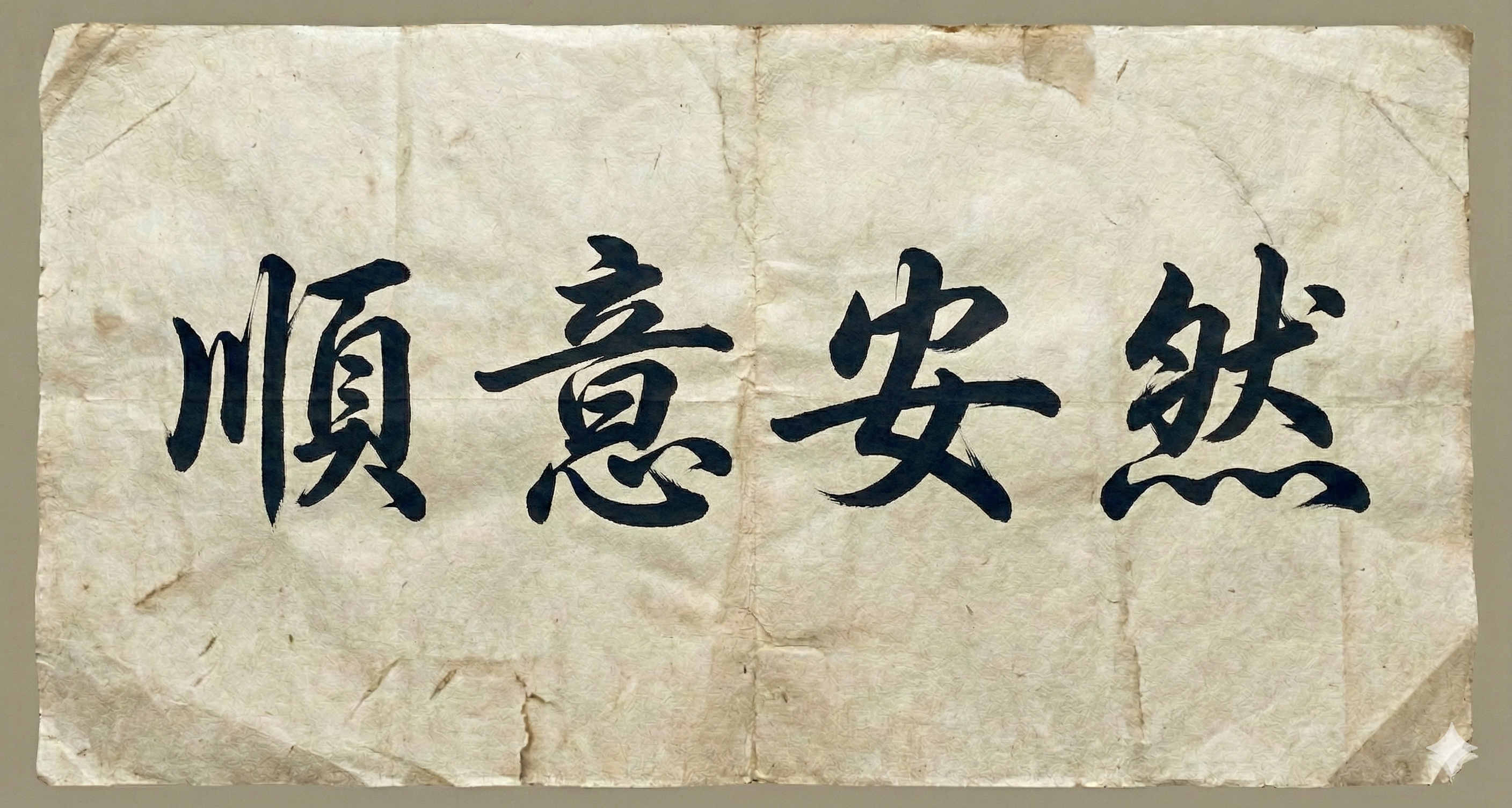
Image Healing: Guided Mandala Viewing - Lesson 173
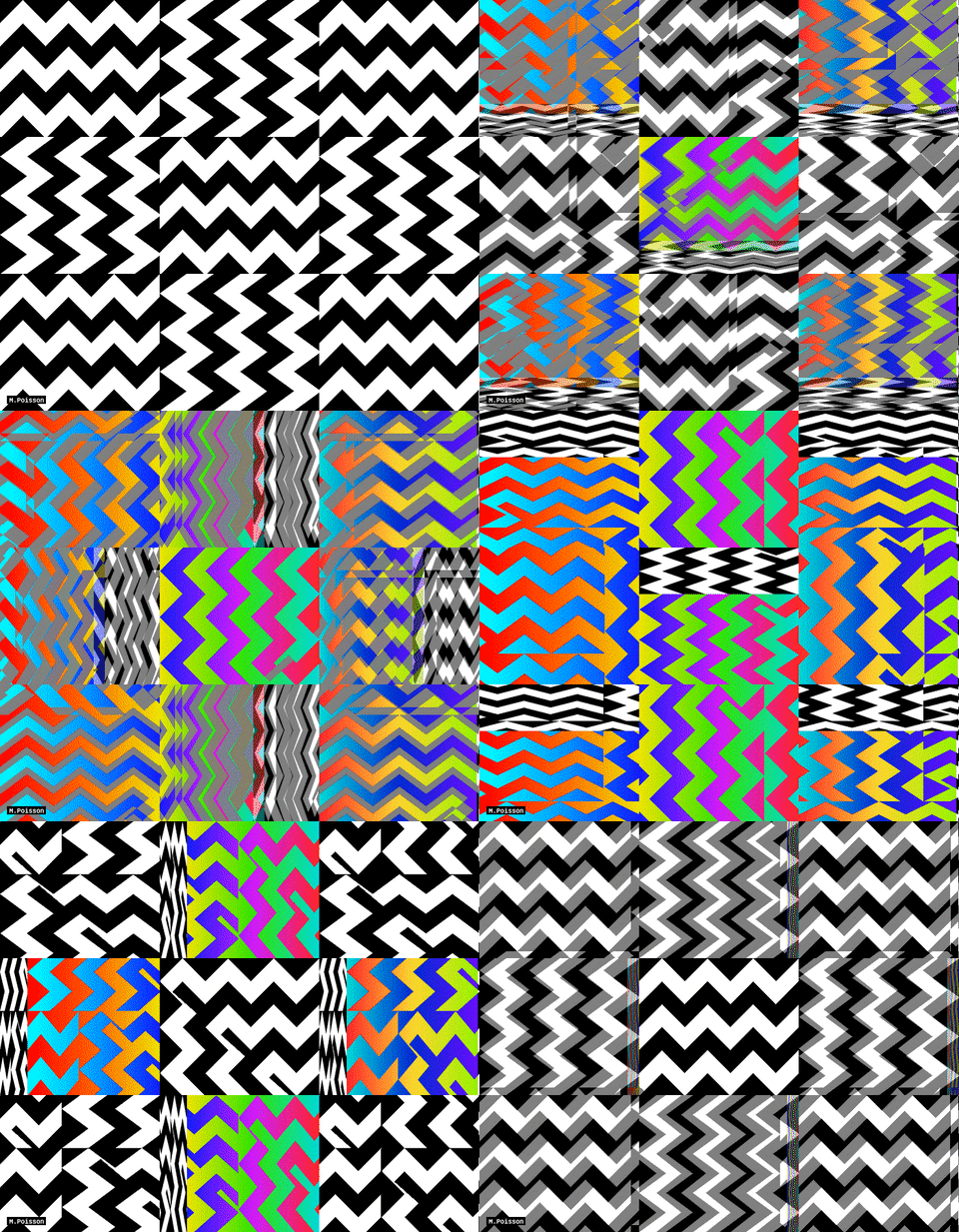
Choose a mandala with a clear central point and distinct layers.
First, observe the separation between the various blocks.
Then feel the overall harmony and balance.
Mandala drawing is not about drawing something, but about observing. It's about practicing the ability to differentiate and integrate while observing.
The theme of this mandala is "relationship unraveling," symbolizing the breaking of the erroneous connection between space and the fear response.
◉ One gaze is sufficient; no repetition is required.
Lesson 173: The Connection Between Spatial Anxiety and Panic (Guided Drawing)
Purpose:Draw out the cycle of "spatial trigger - physical reaction - emotional escalation" to help your brain better understand your trigger points.
step:
Draw a simple three-part cycle: space → bodily sensation → emotional interpretation.
Write down your typical reactions in each paragraph, such as "subway entrance → heart racing → feeling dizzy again".
Next, write down a small action you would like to replace it with, such as "pause for 10 seconds to breathe".
Let painting become an exercise in reorganizing your internal rhythm.
Please log in before submitting your drawings and feelings.
○ 173. The Link Between Spatial Anxiety and Panic: A Journal-Guided Approach
- Write down the three spaces where you are most prone to anxiety, and mark which physical reactions most often accompany them.
- Recall a terrifying experience: Did it begin with the body or with the scene?
- In today's life, have you experienced a small cycle of "space → body → emotion"?
- Write down a "breakpoint" you'd be willing to try (such as slowing down, taking a breath, or stopping at a doorway).
- Finally, conclude with a gentle restatement, such as: "I am learning to deal with the body and space in a gentler way."“
Please log in to use.
Space triggers the body, and the body also influences the spatial experience; understanding this is the first key to readjusting your rhythm.
 EN
EN  ZH
ZH  ES
ES  FR
FR  JA
JA