

Lesson 180: Coping with "Pre-Departure Anxiety"“
Duration:70 minutes
Topic Introduction:
The anxiety before leaving home doesn't come from reality, but from "mental rehearsals."
You might wonder: Will I get dizzy? Will I lose control? Will I have to escape?
The power of anticipatory anxiety lies in the fact that the body has already started working on it before the event even happens.
This lesson helps you identify the mechanisms of this "premature tension" and learn to use your body and attention to bring yourself back to the present moment.
Transform the fear of going out from "starting to be afraid before even setting off" into "being able to face it step by step".
Lesson 180: Facing Pre-Leave Anxiety (Click to listen to the reading and view the content)
In the recovery process from panic disorder and spatial anxiety, many people are truly stuck not because of going out itself, but because of the highly tense anticipation phase before they even leave the house. The characteristic of anticipatory anxiety is that the body enters a state of emergency before the event even occurs, with the mind constantly rehearsing the worst possible outcome, as if the danger is already certain. Lesson 180 focuses on helping you recognize and understand that this pre-departure anxiety is not a warning but a conditioned preemptive reaction. The brain tends to project past unpleasant experiences onto the upcoming behavior, thus labeling the neutral action of leaving the house as a threat signal. It's important to clarify that anticipatory anxiety cannot predict the outcome; it merely repeats old learning. The first step in dealing with this state is not to suppress it, but to acknowledge that you haven't left the house yet, but your body has already begun to react—this in itself is a crucial distinction. The second step is to shift attention from the future outcome back to the preparation process, such as putting on shoes, grabbing a bag, and checking the keys. These concrete actions provide the brain with realistic cues, stopping endless imaginings. The third step is to allow the anxiety to go with you, rather than waiting for it to disappear before acting. When you repeatedly complete the act of leaving the house despite anticipatory anxiety, the brain gradually corrects its judgment, understanding that leaving the house is not the same as losing control. It's important to note that anticipatory anxiety often decreases after the action begins because the nervous system shifts from imagination to reality. The real way to weaken it isn't by addressing it beforehand, but by repeatedly carrying out the action while still experiencing anticipatory anxiety. When you stop viewing pre-trip tension as a sign of failure and instead see it simply as the body's natural initiation process, anticipatory anxiety gradually loses its dominance.
▲ AI Interaction: Describe three typical thoughts you have before leaving the house
Tell the AI: What are the three worries that most often arise before you leave the house?
Are you afraid of dizziness, embarrassing yourself, being unable to get away, or others seeing your nervousness, or are you afraid you can't hold on?
AI will generate a personalized message for you.
“"Anti-expectation anxiety breakdown diagram"”It provides a minimal entry point, making it easier for you to take the first step.
○ Voice guidance: Slow down the expected speed
Listening to a slow-paced audio track for 2-3 minutes before going out can help your brain switch from "high-speed prediction" back to "the present moment".
You don't need to completely relax, but rather bring your thoughts back from the future to the present moment.
Herbal Tea - Rose and Mint Balancing Drink
Recommended reasons:Roses soothe emotions, while peppermint brings clarity, helping you shift from "anticipated chaos" to "light preparation."
How to drink:Sip slowly and let the aroma guide your attention back to your body.
○ Stable Dietary Therapy - Greek Salad (ID180)
During the pre-trip anxiety phase, the body needs a refreshing and non-stimulating nourishment. The combination of fresh vegetables and olive oil provides a light yet stable energy boost, helping to maintain clarity and focus before action. This salad is suitable for consumption before or during preparation, helping the body transition from anticipation to the present moment.
Operational preparation
Clear support
Open Recipe
◉ Greece – Mediterranean Diet: Greek Salad (ID 180)
This dish is known as "Horiatiki" in Greece, meaning "village salad." It's the epitome of the Mediterranean diet: rugged, fresh, and full of life. For those suffering from chronic brain fog, low mood, or chronic inflammation, it's more than just a plate of vegetables; it's a powerful "antioxidant injection." It doesn't involve meticulous cutting or complicated sauces, just sun-ripened tomatoes and "liquid gold" olive oil, helping to clear mental blockages and restore clarity and vitality.
Anti-inflammatory and brain-protective Eliminate brain fog Release stress
I. Recommended Dietary Therapy and Reasons
Recommended dishes:Greek Village Salad
Recommended reasons:
1. Brain nourishment:Extra virgin olive oil is rich in polyphenols and healthy fatty acids, which are the nervous system's favorite fuel and can directly improve cognitive function and mood.
2. Emotional release:The crisp texture of cucumbers and onions requires vigorous chewing. This biting action can physiologically relax the masseter muscles and relieve trismus caused by anxiety.
3. Rainbow Antioxidant:The combination of lycopene (red), anthocyanins (purple onion), and chlorophyll (oregano) can effectively combat the oxidative stress on the body caused by cortisol.
2. Recipe and Method
Recipe (1–2 servings):
- Two ripe red tomatoes (must be at room temperature, not refrigerated).
- 1 cucumber (with skin, cut into chunks)
- 1/4 purple onion (sliced or ringed)
- A small handful of Kalamata olives
- Feta cheese, 1 whole block (about 100g)
- Soul Sauce:
- 3 tablespoons extra virgin olive oil
- 1 teaspoon red wine vinegar (optional)
- 1 tablespoon of dried oregano leaves (essential)
practice:
- Ingredient preparation:Cut tomatoes into irregular large chunks (wedge-shaped); cut cucumbers into thick round slices or rolling cuts; cut purple onions into rings.Notice:Authentic Greek salad doesn't include lettuce leaves; it's all made with real fruits and vegetables.
- Remove spiciness (optional):If you don't like the pungent taste of raw onions, you can soak the onion rings in ice water for 10 minutes, drain them, and then use them. They will taste crisper and sweeter.
- mix:Place the tomatoes, cucumbers, onions, and olives in a large bowl.
- Reaching the summit:Place a whole block of feta cheese on top of the vegetables like a brick (this is the most traditional way of presenting it, symbolizing abundance), or you can break it into smaller pieces.
- Drizzle with oil and sprinkle with fragrance:Drizzle with olive oil and red wine vinegar, and finally rub dried oregano leaves over the cheese and vegetables.
3. Small rituals for body and mind
Visual Meditation:Gazing at the vibrant red (tomatoes) and pristine white (Feta) cheese on the plate, a symbol of Mediterranean sunshine and white walls, one can feel the saturation of dopamine.
Auditory release:As you crunch through the cucumber, imagine you're shattering those stubborn, troubling thoughts. Each chew is a release of stress.
Bread dipping sauce:Finally, soak up the sauce (Greeks call it "Papara") at the bottom of the plate with a slice of whole wheat bread, then savor this essence and experience the purest, most authentic flavor of life.
4. Dietary Therapy Experience Record
- Observe whether your mind is clearer and more organized after eating this meal compared to when you ate a large carbohydrate meal (such as noodles or rice).
- Pay attention to whether your tense facial muscles relax while chewing raw, crunchy foods.
- Feel the lubrication of olive oil; does it relieve your dry throat or intestines caused by stress?
V. Instructional Videos (approximately 3–5 minutes)
◉ Video Title:Greek Salad: A plate that captures the sunshine of the Mediterranean
6. Precautions
- About olive oil:The key to this dish's therapeutic benefits lies in the olive oil. It's essential to use extra virgin olive oil and consume it as soon as possible after opening. Inferior oil can worsen inflammation in the body.
- Regarding sodium content:Feta cheese and olives are typically brine-cured and high in sodium. Therefore, in salads...No extra salt is needed.People with high blood pressure can reduce the amount of cheese they use, or soak the cheese in water to remove salt.
- People with sensitive stomachs:Raw onions and cucumbers may irritate some people prone to bloating (IBS patients). It is recommended to peel them before eating, or blanch the vegetables briefly (but this will ruin the essence of Greek salad; it is recommended to substitute with a cooked Mediterranean warm salad).
hint:This is an "honest" dish; the freshness of the ingredients directly determines its therapeutic power. Be sure to use the best tomatoes you can find.
○·Chinese Calligraphy·Regular Script·Lesson 180 Writing Practice
The topic of this lesson:Establish a stable order before launch
In-depth analysis:
Anticipatory anxiety is essentially chaos in the initiation phase, while regular script emphasizes positioning and order before the first stroke. Each stroke needs to confirm its position before being placed. This writing process helps the brain learn to remain stable before taking action rather than rushing to predict the outcome.
Writing Instructions:
This lesson focuses on practicing the pause before starting to write. The brief pause before each stroke to confirm direction corresponds to the mental rhythm of standing still before setting off.
Written words:
Good fortune follows
Motivational words:
When you start walking, your heart will naturally follow.
Writing Tips:
When writing the character "随", pay attention to the continuity of the left-side radical "走之底" (walking radical), making each stroke point forward and experiencing the stability brought by the movement itself.
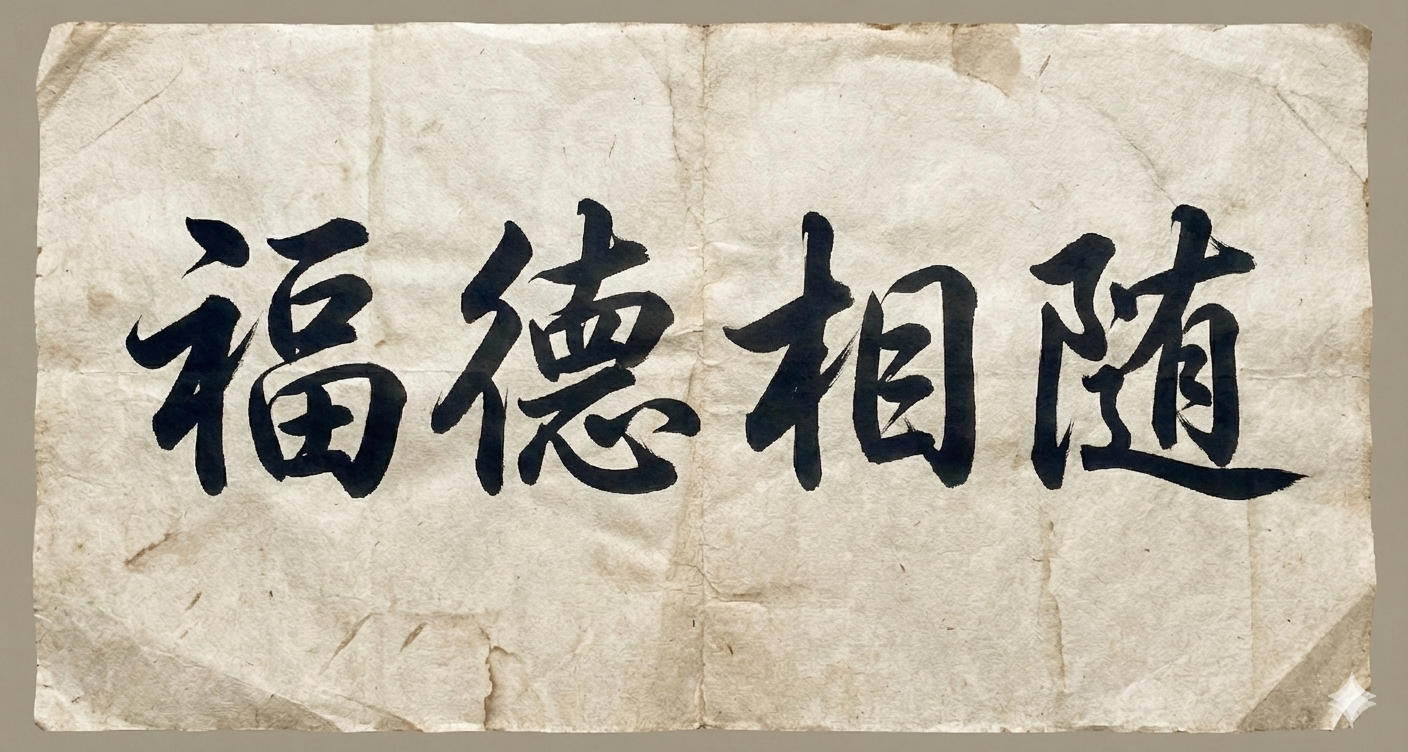
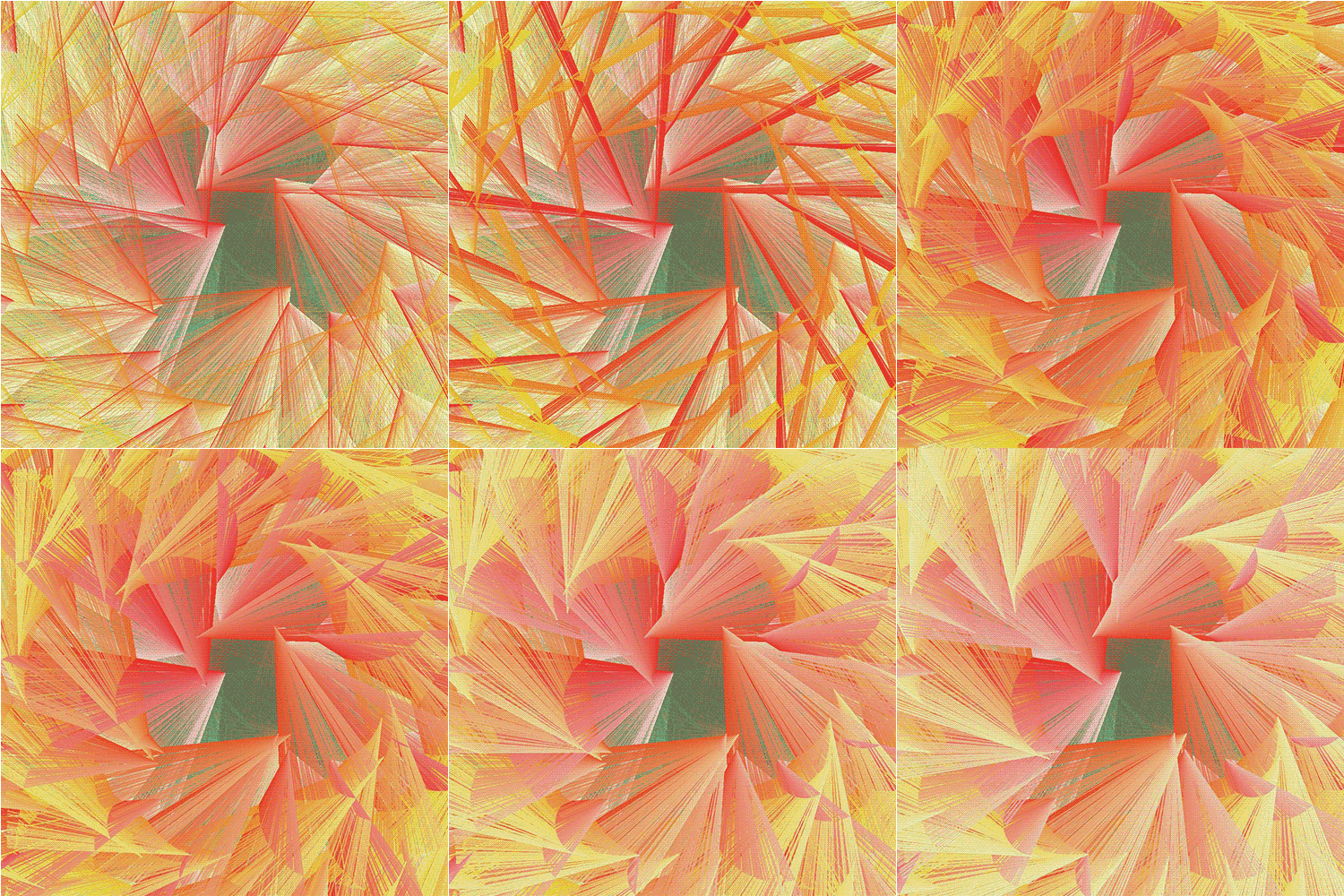
Image Healing: Guided Mandala Viewing - Lesson 180
Choose a mandala that unfolds outward from the center but has a clear structure.
First, focus on the center and then slowly expand your field of vision.
Experience the continuity and safety of the startup process.
Mandala drawing is not about drawing something, but about observing. In observing, you practice a smooth transition from expectation to action.
The theme of this lesson's mandala is the starting point of action, symbolizing that going out is not a leap but a natural unfolding.
◉ One gaze is sufficient; no repetition is required.
Lesson 180: Draw Your "Pre-Departure Safety Map"“
①Draw a simple circle to represent your center at this moment.
②Draw 2-3 light ripples outside the circle to symbolize anticipated anxiety, but do not exacerbate it.
③Write your stable phrase inside the circle, such as: I can return from imagination to the present.
Please log in before submitting your drawings and feelings.
○ 180. Anticipatory Anxiety Before Going Out: Log-Guided Approach
- What was the first worry that popped into my mind before I left the house today? What was the real fear behind it?
- What are the most obvious physical signals of anticipating anxiety? (Stomach, chest, breathing...)
- After today's practice, by how much did my sense of "being back in the present moment" improve? (0–10)
- Which little gesture is most likely to hold me back? (Looking at my feet, shaking hands, taking a deep breath, looking up...)
- Write down a sentence you want to say to yourself before you leave the house tomorrow.
Please log in to use.
Anticipatory anxiety stems from imagination, not reality; when you bring your attention back to the present moment, going out becomes something you can take one step at a time.
 EN
EN  ZH
ZH  ES
ES  FR
FR  JA
JA