

Lesson 183: Visualization Training of Outing Routes
Duration:70 minutes
Topic Introduction:
For many people with spatial anxiety, the "unknown before going out" is more nerve-wracking than the actual journey.
The purpose of visualization training is not to imagine the perfect route, but to let your brain know in advance: what is there, what to do next, and where to stop along the way.
When the path becomes visible and predictable in the mind, anxiety decreases significantly, and the body finds it easier to take the first step.
Lesson 183: Visualization Training for Outing Routes (Click to listen to the reading and view the content)
In the recovery process from spatial anxiety and avoidance behavior, many people are not afraid of the act of going out itself, but rather lack a clear mental picture of the entire process. The route visualization training introduced in Lesson 183 aims to address this uncertainty. When the route is vague and disjointed in the brain, the nervous system automatically fills in dangerous assumptions, thus triggering an early alarm. The core of visualization training is not imagining a smooth journey, but making the route itself concrete, continuous, and predictable. The first step is to break down the path. You need to break down a single outing into multiple clear nodes, such as leaving the house, closing the door, walking to the intersection, and entering the store. Each node is a real, tangible action, not an abstract result. The second step is to replay these nodes one by one in a quiet state, without adding emotional evaluation, simply observing how the path connects naturally. When the brain repeatedly sees a continuous route, it no longer needs to fill the gaps with fear. The third step is to add images of stopping and turning back, such as stopping at a certain node or returning the same way, to make the brain aware that the route is not unidirectional and irreversible. It is important to note that visualization is not about forcing yourself to believe everything is okay, but about allowing the nervous system to familiarize itself with the structure in advance. When you actually walk this route later, the brain will develop a sense of familiarity, thus reducing the intensity of alertness. With repeated practice, you will find that going out is no longer an unknown, but a known path. True security comes not from guaranteed outcomes, but from a clear understanding of the process. When the path becomes visible in your mind, actions will naturally follow.
▲ AI Interaction: Tell the AI your next step
Enter your route (e.g., from home to the supermarket, from the station to the clinic).
AI will generate a document for you.“"Visualized Path Map"”:
① Three landmark anchor points
② Two safe points where you can pause
③ A minimum achievable movement node
○ Voice assistance: Make the route "light up" in your mind“
Playing music with a steady rhythm before visualizing the route can help focus attention on the "path itself".
Instead of images of anxiety.
Sound is like a thin thread, guiding your imagination step by step.
Herbal Tea - Rose Lemongrass Soothing Tea
reason:Roses soothe emotions, lemongrass clears away clutter, making it easier for the brain to focus on the route rather than on worries.
Way:Drink half a glass before visualizing the temperature, making it the first "controllable path".
○ Stable Nutrition - Hummus (ID183)
During the route visualization and outdoor training preparation phases, the body needs stable and continuous energy support. The thick, even texture of hummus symbolizes a continuous and uninterrupted path experience. The combination of olive oil and tahini helps maintain a stable nervous system. This nourishing dish is suitable for consumption before and after outdoor training to enhance the perception of the continuity of the process.
Establishment of Continuity
Operational preparation
Open Recipe
◉ Greece – Mediterranean Diet: Hummus (ID 183)
Hummus is more than just a dipping sauce; it's been a "mood stabilizer" for thousands of years in the Middle East and the Mediterranean. Blending tough chickpeas with tahini into a silky smooth paste is itself a softening process. For those who are strong-willed, easily stressed, or feel that life is full of rough edges, eating this creamy, mild-tasting food can subconsciously send a signal of "safety and gentleness," helping the body soften from a fighting state.
emotional stability Soothes the mind and helps with sleep Blood sugar balance
I. Recommended Dietary Therapy and Reasons
Recommended dishes:Classic Hummus
Recommended reasons:
1. Happy Hormone Factory:Chickpeas are rich in plant protein and tryptophan, a key ingredient in the synthesis of serotonin, which helps combat depression and insomnia.
2. Blood glucose homeostasis:As a low glycemic index (LGI) food, it can provide a stable energy flow for several hours, avoiding "hunger anxiety" and palpitations caused by a sudden drop in blood sugar.
3. Mineral supplementation:Tahini is rich in calcium and magnesium, two minerals that are natural muscle relaxants and can relieve muscle soreness in somatization symptoms.
2. Recipe and Method
Recipe (Serves 2–4):
- Cooked chickpeas (canned or homemade) 1 can (approx. 400g, drained)
- 1/2 cup tahini (about 120g, key ingredient)
- Juice from 1 lemon (freshly squeezed)
- 1–2 cloves of garlic (remove the core to reduce spiciness)
- 2 tablespoons extra virgin olive oil (mixed into the paste) + as needed (for drizzling).
- 1/2 teaspoon cumin powder (to aid digestion)
- salt to taste
- Secret weapon:2–4 tablespoons of ice water (the key to making the texture fluffy)
practice:
- Preprocessing (optional but recommended):For an extra smooth texture, peel the cooked chickpeas. A gentle pinch is all it takes for the skin to separate from the flesh. This repetitive action is quite stress-relieving.
- Emulsified sesame paste:In a food processor, add only sesame paste and lemon juice. Blend for 1 minute, until it becomes a thick, creamy consistency. This is the secret to removing the greasiness of sesame paste.
- mix:Add garlic, olive oil, cumin powder, and salt, and mix well again.
- Add beans in batches:Add the chickpeas in two batches, beating thoroughly each time.
- Ice and Water Magic:The bean paste may be quite dry at this point. While the machine is running, slowly pour in ice water. You will see the bean paste emulsify instantly, lighten in color, and become as fluffy and light as whipped cream.
- Plating:Place the bean paste in a dish, swirl it in the center with the back of a spoon, drizzle with olive oil, and sprinkle with paprika or chopped parsley.
3. Small rituals for body and mind
Peel-off meditation:If you choose to peel chickpeas, treat it as a mindfulness exercise. With each layer you peel, imagine you are removing a layer of defense or a mask from yourself. Leave only the softest, most authentic core.
Whirlpool drawing:When plating, use a spoon to draw perfect concentric swirls. This action is like drawing a mandala, symbolizing the gathering of chaotic thoughts back to the center.
4. Dietary Therapy Experience Record
- Insert vegetable strips (carrots, celery) into the smooth bean paste and feel the resistance of being "wrapped".
- After taking a sip, close your eyes and feel the silky smooth sensation melting on your tongue. Does it make your brow relax involuntarily?
- Eat it as an afternoon snack and observe whether it helps maintain your mood for the next 3 hours better than dessert.
V. Instructional Videos (approximately 3–5 minutes)
◉ Video Title:A cloud-light, zero-failure guide to hummus.
6. Precautions
- About garlic:While raw garlic has antibacterial properties, it may irritate people with IBS (irritable bowel syndrome) caused by anxiety. It's recommended to reduce the amount used, or roast the garlic with the skin on before adding it; this will result in a milder, sweeter flavor.
- About Tahini:You must buy pure sesame paste (the ingredient list should only contain sesame seeds), not the kind that has been flavored. Stir it thoroughly before opening the jar, as the oil and paste are prone to separating.
- Food pairings:The most classic pairing is pita bread, but to reduce the burden of carbohydrates, people with anxiety are advised to eat it with bell pepper strips and cucumber strips to increase the chewing experience and relieve stress.
hint:Homemade hummus contains no preservatives and can be stored in an airtight container in the refrigerator for 3–4 days. The garlic flavor will intensify and improve over time.
○ Gothic script - Lesson 183 writing exercises
In-depth analysis:
The essence of route visualization is to establish a sense of structure for action. Medieval Gothic script is known for its highly ordered and repetitive vertical structure, with letters resembling predictable paths.When you write Gothic script, each vertical stroke is a node, and the overall arrangement forms a clear direction of movement, which is a psychological reflection of the route you take when you go out.
Writing Skills (Advanced Version):
- The Path:Maintaining equal spacing between vertical strokes symbolizes the orderly appearance of route nodes.
- Repetitive rhythm (Sequence):Maintaining the same rhythm for each letter trains the brain's trust in continuity.
- Boundary convergence:The shape of the characters does not expand outward to prevent energy dissipation, and the corresponding path is not pulled by fear.
- Stable landing point:Each stroke clearly landing on the baseline symbolizes that each step has a landing point.
- One-way propulsion:Complete the training line by line without looking back, moving forward rather than repeatedly checking.
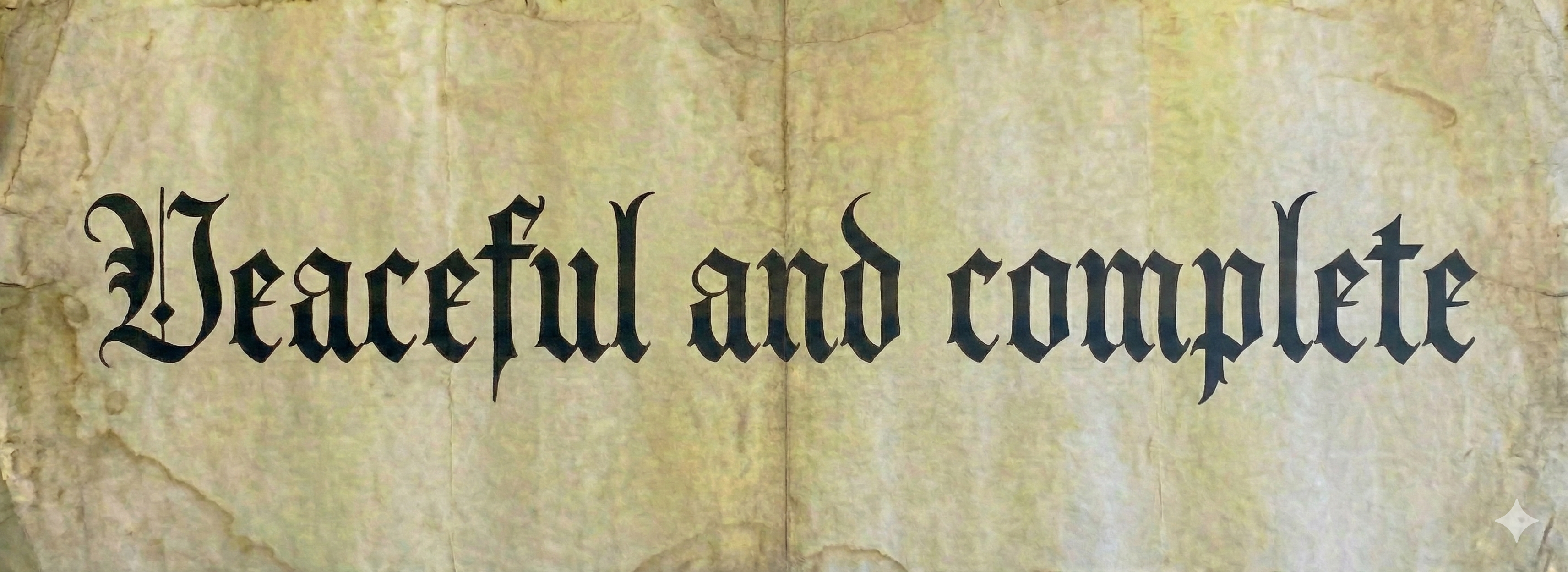
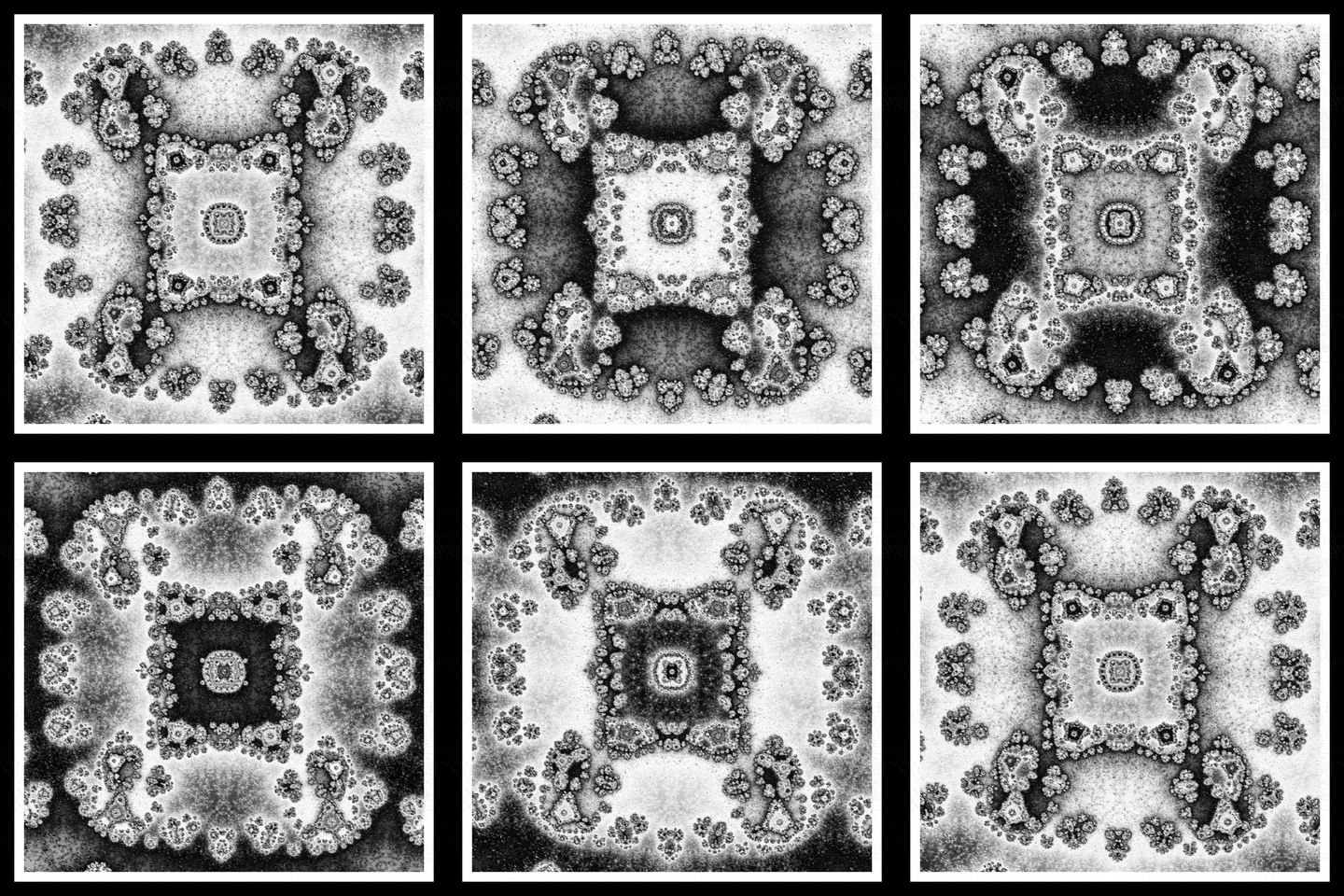
Image Healing: Guided Mandala Viewing - Lesson 183
Choose a mandala with a sense of path or a radial structure.
Let your eyes follow the graphic naturally.
Experience the continuity and predictability of visual movement.
Mandala drawing is not about drawing something, but about observing. In observing, you practice trust in the path and process.
The theme of this lesson's mandala is a clear path, symbolizing that going out is no longer an unknown journey but a journey that is understood.
◉ One gaze is sufficient; no repetition is required.
Lesson 183: Draw Your Visual Roadmap
① Origin and Destination:Clearly draw your "starting point" and "destination" on paper. This could be your home, a train station, a shopping mall, or a place you'd like to practice approaching recently. The key is not realism, but rather to first visualize "where you start and where you're going" on the drawing, making the route concrete and tangible.
② Three possible routes:Draw three different lines connecting the starting point and the destination: one direct, one more circuitous, and the easiest. Keep the lines smooth and flowing, symbolizing that these are three possible directions. Through this visual representation, you are training your brain to understand that going out is not a single path, but rather flexible and offers choices.
③ Stop point marking:Mark two or three "stopover points" at any point along the three routes. These could be near a convenience store, a chair, a corner, or an exit. This will allow you to see spaces along the way where you can rest, adjust, and regain your balance. Let these marked stops become your "mental buffer zones" during your outdoor practice.
Please log in before submitting your drawings and feelings.
○ 183. Route Visualization & Log Guidance
- Which route did I visualize today? From where to where?
- What part of the route made me most nervous?
- Which nodes make me feel "worthy of staying"?
- What changes did my body experience after the visualization? (Tense/Relaxed/Temperature/Breathing)
- Write down an encouraging sentence: Which part would I like to see more clearly next time?
Please log in to use.
As the route becomes visible and predictable, your anxiety will gradually subside; familiarity brings strength, and the path will become gentler through your practice.
 EN
EN  ZH
ZH  ES
ES  FR
FR  JA
JA