

Lesson 19: The Real-World Effects of Diet, Caffeine, and Stimulants on Anxiety
Duration:70 minutes
Topic Introduction:
When the body is in a hypersensitive state, seemingly "ordinary" eating habits, such as coffee, strong tea, energy drinks, sugary snacks, and high-fat, high-salt diets, can act like invisible amplifiers, amplifying anxiety responses such as palpitations, tension, dizziness, and restlessness. This course will help you understand how these stimuli affect the nervous system and learn how to adjust your daily eating rhythm to bring your body back to a soothing state.
○ Key Links Between Diet and Anxiety
- The physiological amplification effect of caffeine:It can stimulate adrenaline, causing a rapid heartbeat, hand tremors, and restlessness, which highly overlap with anxiety symptoms.
- Mood instability caused by high blood sugar fluctuations:A rapid rise and fall in blood sugar can cause emotions to fluctuate wildly between fatigue and tension.
- Both fasting and overeating can trigger anxiety:When the body is short of energy or has an excessive digestive burden, it will send "danger signals" to the brain.
- Additive effect of stimuli:Coffee, high sugar, and lack of sleep can keep the nervous system in a "red alert" state.
- A mild diet can help reduce the intensity of anxiety:Increasing your intake of protein, complex carbohydrates, and magnesium-rich foods can help stabilize the nervous system.
Lesson 19: The Real-World Effects of Diet, Caffeine, and Stimulants on Anxiety 🎧 Click to watch/listen to the reading
Many people, when dealing with anxiety, focus almost entirely on their thoughts and emotions, neglecting a very real aspect: **what the body is being fed daily**. Diet, caffeine, and various stimulants don't "create" anxiety, but they can significantly amplify or mitigate its intensity. For a sensitive nervous system, these effects are often more direct than imagined. First, there's the fluctuation in blood sugar. Prolonged fasting, or consuming only high-sugar or highly refined foods, causes blood sugar to rise and fall rapidly. When blood sugar drops, the body releases stress hormones to maintain energy; this physiological response is easily misinterpreted as "emotional anxiety." You might feel palpitations, trembling hands, or irritability, but think it's a psychological problem. In fact, regular meals, including protein and complex carbohydrates, are themselves a basic strategy for emotional stability. The effects of caffeine are particularly pronounced. Its mechanism of action highly overlaps with anxiety symptoms: increased heart rate, narrowed attention, and heightened alertness. For some, small amounts of caffeine can bring alertness and pleasure; but for those prone to anxiety, it often directly triggers a "physical alarm." The issue isn't whether you "can't drink coffee," but whether your nervous system is already under high stress. The cumulative effect of stimuli is often underestimated. Coffee, energy drinks, nicotine, and certain weight-loss or energizing products may seem to have limited effects individually, but when combined with sleep deprivation and excessive stress, they can push the nervous system to a breaking point. At this point, anxiety may seem like a sudden worsening, but it's actually a natural result of long-term cumulative stimulation. Understanding these effects doesn't mean becoming extremely disciplined or completely abstaining. The key is **building awareness**. You can observe: After consuming certain foods or drinks, are your body and emotions more prone to tension? Is it harder to fall asleep? Are you more likely to fall into recurring worries? This observation isn't judgment, but rather gathering information for yourself. Next, try small adjustments instead of changing all habits at once. For example, reduce coffee consumption on an empty stomach, move your coffee time earlier, or replace some intake with low-stimulation drinks; during high-pressure periods, prioritize stable food and water intake. These seemingly simple changes can often significantly reduce the physiological noise of anxiety. When you begin to incorporate diet and stimulants into your overall regulation, anxiety becomes more understandable and manageable. You're no longer just "enduring symptoms," but creating a more supportive environment for your nervous system. Anxiety isn't caused by a single factor, and stability often comes from many small, consistent supports.
▲ AI Interaction: Is your body sensitive to caffeine?
Some people feel energized after drinking coffee; others experience a racing heart, chest tightness, and restlessness.
This is not a matter of willpower, but rather a characteristic of the nervous system.
When anxious, the brain is already in a state of "over-vigilance," and caffeine will further accelerate this state.
You can start by observing: What happens to your body within 10 to 20 minutes after drinking coffee or sweets?
Awareness is the first step to change and also the ability to regain control over the body.
Click the button below to analyze your eating habits with AI and get personalized adjustment suggestions.
Music is especially important during dietary adjustments, as it can balance the mild discomfort caused by the withdrawal of stimulants.
Let the rhythm of the music gently envelop your body, allowing your over-excited nervous system to gradually calm down.
Close your eyes and you'll hear a gentler rhythm replacing the tension.
Let your body rediscover its rhythm of self-regulation in the melody.
○ Eastern Healing Tea - White Tea (Shoumei)
Recommended drinks:White tea (Shoumei)
Recommended reasons:White tea is mild and low in caffeine, which can soothe the palpitations and tension caused by caffeine, making it an ideal alternative to gradually transition from strong coffee and energy drinks.
practice:Take 3 grams of Shoumei tea leaves and steep them in 85℃ water for 3-4 minutes. The tea soup is mellow and slightly sweet, and can be drunk in the morning or afternoon to help stabilize your mood throughout the day.
○ Stable Dietary Therapy - Tea-Scented Tofu Soup (ID19)
When thoughts are racing or inner turmoil is felt, a delicate and soothing soup can provide lasting comfort. The soft texture of tofu helps the body relax, while the subtle aroma of tea helps stabilize concentration. This soup is suitable for moments requiring quiet and focus, helping the mind and body enter a calm and stable rhythm.
Gentle and soothing
Delicate and easily absorbed
Open Recipe
◉ Japanese Food Therapy: Tea-Scented Tofu Soup (ID 19)
This is a calming soup inspired by the vegetarian cuisine (shojin ryori) of Kyoto temples in Japan. Unlike ordinary tofu soup, it uses green tea as a base and is thickened with kudzu starch or cornstarch to create a silky smooth "stew." The bittersweetness of the tea and the lightness of the tofu permeate each other, creating a truly Zen-like taste experience. When you feel restless and agitated, this steaming, fragrant tea soup can quickly soothe your nervous system.
Stabilize emotions Clear the mind and reduce internal heat Relax your nerves
I. Recommended Dietary Therapy and Reasons
Recommended dishes:Tea-scented Tofu Soup (ID 19)
Recommended reasons:The theanine (L-Theanine) abundant in green tea has been scientifically proven to promote the production of alpha waves in the brain, bringing a relaxed and alert state; tofu is rich in magnesium, which helps relieve muscle tension and nerve sensitivity. The thickened broth has excellent heat retention, providing a continuous warm and enveloping feeling in the stomach when drunk. This "warm gravity" can effectively soothe palpitations caused by anxiety.
2. Recipe and Method
Recipe (1 serving):
- Soft tofu (silk tofu) 150g
- Green tea (sencha or Longjing) 1 tea bag (or 1 teaspoon of tea leaves)
- 300ml of clean water
- Water starch (potato starch or kudzu starch + water) as needed
- a pinch of salt
- 1/2 teaspoon light soy sauce (or pale soy sauce)
- A touch of wasabi paste or ginger paste (the finishing touch).
practice:
- Prepare tea:Pour hot water into the tea leaves and steep for 2 minutes. Strain the tea and pour it into a pot. The tea should be clear and bright in color; it should not be too strong to avoid bitterness.
- Boiled tofu:Cut the soft tofu into small cubes and gently place them into the tea broth. Bring to a boil over medium heat, then reduce to low heat and simmer for 3–5 minutes to allow the tofu to absorb the tea aroma.
- Seasoning:Add a pinch of salt and light soy sauce. Keep the soup light in color.
- Thickening (key):Turn the heat to the lowest setting or remove the pot from the heat temporarily. Slowly pour the cornstarch slurry into the pot while gently stirring the broth until it becomes thick and glossy, like a thin jelly.
- Remove from heat:Pour into a bowl and top with a little wasabi or ginger paste. This subtle spiciness will instantly refresh you and complement the mellowness of the tea soup.
3. Small rituals for body and mind
Watching the tea leaves unfurl in the water is like watching a furrowed brow slowly relax.
When thickening the sauce, focus on observing the moment the sauce changes from watery to thick, feel the power of "cohesion" and "holding", and tell yourself: "I am being steadily supported."“
Take a small sip of the tea soup, feel it slide smoothly into your stomach, leaving a trail of tea fragrance.
4. Dietary Therapy Experience Record
- Record whether the aroma of the tea made you involuntarily take a deep breath when you consumed it.
- Observe whether the previously restless hands and feet become calm and relaxed after consumption.
- Pay attention to whether this mild and smooth texture relieves the burning sensation in your chest.
V. Instructional Videos (approximately 3–5 minutes)
◉ Video Title:Tea-infused Tofu Soup: A Bowl of Drinkable "Meditation"“
6. Precautions
- Starch selection:Kuzu starch is recommended. It not only thickens sauces smoothly but also has excellent stomach-soothing and muscle-relaxing effects, making it ideal for people with anxiety. If kuzu starch is unavailable, potato starch can be used instead.
- Tea temperature:If you're worried about bitterness, you can brew the tea with 80°C water, or use hojicha, which has a richer aroma and lower caffeine content.
- Consumption time:It's suitable as an appetizer for dinner or a snack when you feel anxious in the afternoon.
hint:This dietary therapy combines tea therapy and food therapy, aiming to calm emotional fluctuations, and is not a substitute for medication. Those with severe insomnia are advised to consume it before lunch.
○ Seal Carving Practice Suggestions · Lesson 19: The Actual Effects of Diet, Caffeine, and Stimulants on Anxiety
This lesson helps you experience the real impact of your physical state on your psychological rhythm through seal carving practice, and enhances your ability to perceive and adjust to stimuli.
- Introduction to the characteristics of seal carving:
Seal carving requires a high degree of hand stability and can directly reflect the level of excitement or tension in the body. - Written words:
Old age may be as one wishes - Psychological Intention:
Writing "stability comes from moderation" is about establishing the realistic understanding that "the body's state is adjustable." - Knife skills:
If you find your hands are agitated, slow down your knife movements instead of resisting them forcefully. - Emotional transformation:
Transform confusion about bodily reactions into observable and adjustable lifestyle choices.
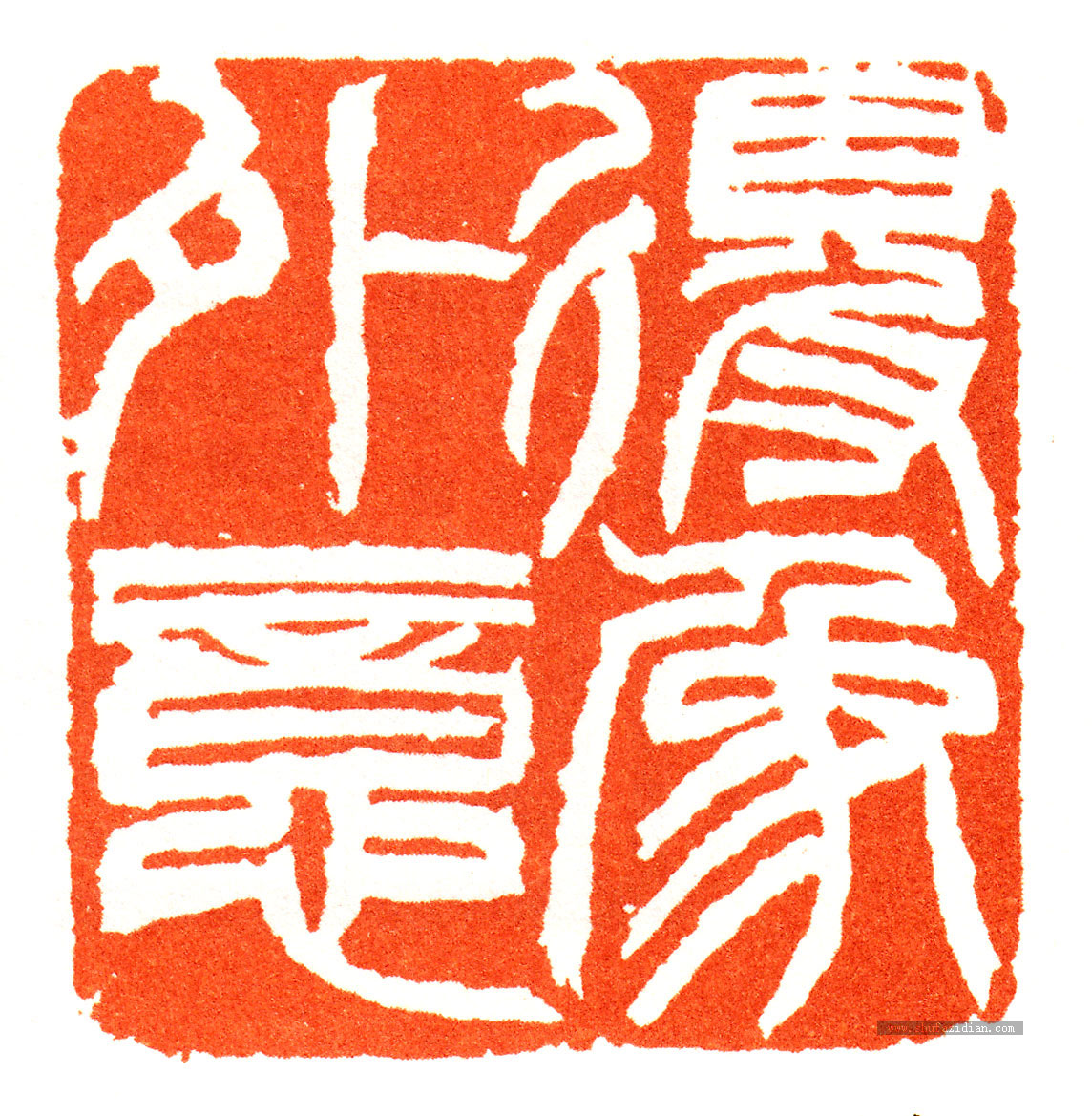
Image Healing: Mandala Stability Guidance 19
Imagine a soft circle of light slowly spreading from the center, like a warm soup flowing through your body. The sharp lines outside the circle gradually become rounded, symbolizing the stimuli gradually withdrawing from your body. With each exhale, the ripples of tension slowly subside; with each inhale, your body moves closer to a stable temperature.
Traditional mandalas symbolize stability, order, and inner circulation. When you gaze at soft blocks of color and structures, your body automatically enters "restoration mode."
◉ Please stare and watch twice.

Lesson 19: Draw Your "Body Stimulation Map"“
Purpose: To help you understand how different diets and stimulants affect your body, providing a clear basis for subsequent adjustments.
Steps: Draw a body outline on paper, and use different colors to mark the "location of body reactions after drinking coffee" (e.g., chest, hands, stomach), "changes after eating sweets," and "stable areas after eating mild foods." After completing this, write down a dietary adjustment you would be willing to try.
Please log in before submitting your drawings and feelings.
○ 19. Recommendations for a Diet and Irritant Observation Log
① Record the caffeine, sugar, fats and stimulants you consumed today (you can write it down briefly).
② Write down the changes in your body 10-20 minutes after ingestion (heart rate, stomach, restlessness, etc.).
③ Describe a small action to “reduce the stimulus” (e.g., switch to half a cup of coffee).
④ After completing the warm soup or tea experience, write down your physical sensations (0–10).
⑤ Today's anxiety intensity score (0–10), and its possible relationship with diet.
⑥ Tomorrow's dietary micro-plan: mild alternatives to breakfast/lunch/afternoon tea.
Please log in to use.
A gentle diet helps reset the nervous system to a safer rhythm. May you begin today to make your body feel lighter and your mind more at peace.
 EN
EN  ZH
ZH  ES
ES  FR
FR  JA
JA