

Lesson 201: Understanding the Roots of Separation Anxiety
Duration:70 minutes
Topic Introduction:Separation anxiety isn't limited to childhood. Adults can also experience intense emotional turmoil when faced with loss, separation, and loneliness. This course will help you understand the psychological basis of separation anxiety, its early developmental trajectory, and its hidden impact in adult life.
○ Common manifestations of separation anxiety in adults
- Over-dependence:It is difficult to be independent in a relationship and you worry that your partner will leave.
- Separation disaster imagination:Often fantasize about collapsing if I lose him/her.
- Fear of being alone:Even if it is objectively safe, it is impossible to relax in solitude.
Lesson 201: Understanding the Roots of Separation Anxiety (Click to listen to the reading, view the content)
Separation anxiety doesn't just occur in children; it often exists in a more subtle way within the emotional structure of adults. When you experience intense unease, worry, loss of control, or difficulty settling down when alone, out, or temporarily separated from important people, it doesn't mean you're weak, but rather that early attachment experiences are being activated in the moment. The core of separation anxiety isn't the fear of being alone, but the fear of losing the external support for emotional regulation. Many people develop a habit of relying on the presence of others for stability during their development; once that presence temporarily disappears, the nervous system misinterprets it as danger. The first step in understanding the root cause is recognizing that attachment isn't wrong, but a learned way of life. It helps you gain security early on, but when the environment changes, if this approach isn't updated, it will trigger alarms during separation. The second key is distinguishing between real loss and temporary separation. Separation anxiety often interprets short distances as permanent ruptures, thus amplifying the fear. When you start repeatedly reassuring yourself that this is separation, not disappearance, the alarm intensity decreases. The third point is recognizing bodily reactions. Separation anxiety often initially manifests as chest tightness, stomach discomfort, or an urge to contact others; these are not instructions but signals. The fourth stage is gradually internalizing regulatory abilities. By completing small tasks in brief periods of solitude, the brain learns that it can be at peace even without others. It's important to understand that separation anxiety doesn't mean cutting off relationships, but rather inviting you to increase autonomy and stability within them. When you bring a part of your sense of security back into yourself from the outside world, separation ceases to be dangerous and becomes a bearable state. True mature attachment isn't about constant connection, but about maintaining an inner connection even when separated.
▲ AI Interaction: Have you ever been afraid of being “left where you are”?
The root of separation anxiety often comes from a deep fear of losing companionship.
You are not fragile, but you are particularly sensitive to relationships.
Please say to yourself: "I am afraid because I cherish."
Accept this feeling gently, it is another expression of love and attachment.
Click the button below to explore with AI the root causes of your separation anxiety and how it may be related to past experiences.
○ Understanding the root causes of separation anxiety · Music guidance
Separation anxiety often stems from the fear of being left behind. Acknowledging this anxiety isn't a sign of weakness, but rather a cherishing of connection.
Play a gentle melody and let the notes cover your chest like a thin quilt to help you calm down.
Say to yourself, "I can find the rhythm between closeness and independence." The music will mark that rhythm for you.
Write down your current experience in a few phrases, bind them to a fixed song, and make it a comfort package that you can always take with you.
○ Herbal Tea· Ginseng Honey Tea
Recommended drinks:Ginseng Honey Tea
Recommended reasons:It replenishes Qi and regulates the nervous system, and is suitable for gently stabilizing emotions in states of separation anxiety.
practice:Boil 3g of ginseng for 10 minutes, let it cool and add honey to drink.
○ Stable Dietary Therapy: Yam and Lotus Seed Porridge (ID201)
During the process of dealing with separation anxiety, the body needs gentle and continuous nourishment. Yam and lotus seeds provide slow and steady support, symbolizing inner care even in solitude. This nourishing dish is suitable for consumption after practicing solitude or separation to help the body establish a self-soothing rhythm.
Open Recipe
◉ Chinese Food Therapy: Yam and Lotus Seed Porridge (ID 201)
In traditional Chinese dietary therapy, this porridge is known as a gentle remedy for "strengthening the body's foundation and nourishing the vital energy." It uses white ingredients (yam, lotus seeds, and rice), which correspond to "lungs" and "metal" in the Five Elements theory of Traditional Chinese Medicine, while also deeply nourishing the "spleen and stomach" (the foundation of acquired constitution). For those suffering from restlessness, insomnia, and loose stools due to excessive thinking and anxiety, this porridge is neither too hot nor too cold, gently helping to gather back scattered "qi" (vital energy).
Strengthen the spleen and replenish qi Nourishing the heart and calming the mind Warm and nourishing
I. Recommended Dietary Therapy and Reasons
Recommended dishes:Chinese Yam & Lotus Seed Porridge
Recommended reasons:
1. Spleen and stomach repair agent:Yam contains abundant mucoprotein, which can form a protective layer on the surface of the gastric mucosa. Traditional Chinese medicine believes that "the spleen and stomach are the source of qi and blood production." When the spleen and stomach are strong, somatic symptoms caused by anxiety (such as stomach pain and fatigue) will naturally subside.
2. Heart and kidneys:Lotus seeds have a unique "astringent" effect, which can nourish the heart and calm the mind, helping those who have difficulty falling asleep, have many dreams, and wake up easily to stabilize their spirit.
3. The King of Tonics:Unlike the potent tonic of ginseng, this porridge is a mild tonic, suitable for long-term consumption by people of any constitution, especially modern people who are in a sub-healthy state and feel "mentally tired".
2. Recipe and Method
Recipe (Serves 2):
- 1 fresh Chinese yam (about 200g, peeled and cut into chunks)
- 30g dried lotus seeds (soaked in advance)
- Rice (Japonica rice) 80g (provides rice oil, key to stomach health)
- 1000ml of clean water
- A small handful of goji berries (added last, as a garnish and to nourish the liver and kidneys).
- (Optional) A little rock sugar (add according to taste, light flavor recommended)
practice:
- soak:Soak dried lotus seeds in warm water for 1 hour beforehand; this will soften them and make them easier to cook until soft and tender. If you are worried about bitterness, break them open to check if the green lotus seed hearts have been removed.
- Processing yams:Wear gloves (to prevent itchy hands), peel the Chinese yam, and cut it into chunks. Soak the cut yam in water immediately to prevent oxidation and discoloration.
- Cooking porridge:Bring water to a boil in a clay pot (adding rice to boiling water is the secret to getting rice oil), then add the washed rice and lotus seeds. After bringing to a boil over high heat, reduce to low heat and simmer for 20 minutes.
- Cook together:Add the yam chunks and simmer over low heat for 15–20 minutes.
- Congee:Continue cooking until the yam becomes soft, the rice grains burst open, and the broth thickens.
- Key Point:Add goji berries 2 minutes before turning off the heat. After turning off the heat, let it sit for a while to allow the rice oil to rise to the surface.
3. Small rituals for body and mind
White Meditation:Looking at the milky white porridge in the bowl, you see the purest color. Imagine this white energy, like clouds, gently enveloping your rough, damaged stomach lining and filling the emptiness in your heart.
Chew slowly and thoroughly:Although the yam is soft and tender, try to melt it in your mouth with your tongue. Feel that soft, chewy texture—it's a feeling of being supported by Mother Earth.
4. Dietary Therapy Experience Record
- Record whether you feel a warm current flowing in your abdomen after drinking hot porridge, and whether this warmth relaxes your furrowed brow.
- Observe whether your sleep that night became slightly deeper because your mind and spirit were nourished (due to the effects of lotus seeds).
- Pay attention to your bowel movements. Yam and lotus seeds have astringent and antidiarrheal properties. See if they improve diarrhea caused by anxiety.
V. Instructional Videos (approximately 3–5 minutes)
◉ Video Title:How to cook a pot of smooth and creamy "divine porridge" to nourish the spleen and stomach.“
6. Precautions
- Yam allergy:When handling fresh yams, the saponins in their mucus can cause severe skin itching.Wear glovesPeel it. If it itches, you can wash your hands with vinegar or lightly heat them over a flame.
- Regarding lotus seed hearts:The green lotus seed hearts are extremely bitter, but they can clear heat from the heart. If you've been feeling irritable or have mouth ulcers lately, you can keep a few lotus seed hearts while cooking; if you just want to nourish your spleen and stomach, it's recommended to remove them all.
- Constipation precautions:Both yam and lotus seeds have astringent properties. If you are constipated (have hard, dry stools that are difficult to pass), please do not drink this porridge, as it may worsen your symptoms.
hint:Choose "Iron Stick Yam" instead of the ordinary "Vegetable Yam". Iron Stick Yam has less water content, a denser texture, higher medicinal value, and a soft, powdery texture when cooked.
○ Chinese Calligraphy: Clerical Script Writing Practice: Lesson 201
By re-understanding the relationship between dependence and independence through writing, stability can be gradually internalized.
Written words:
May good fortune always be with you.
Pre-writing advice:
Before writing, sit quietly for a moment, take three deep breaths, and feel the presence of your body in the present moment. Then, slowly begin writing in the clerical script.
Writing Tips:
The horizontal strokes of the clerical script are expansive, while the vertical strokes are restrained, making it suitable for expressing a sense of support amidst separation. When writing "good fortune," the horizontal strokes can be slightly longer to symbolize external support, and the inward convergence at the end of the two characters often reminds us of stability that does not disappear with separation. Each stroke is an exercise in bringing a sense of security back from others to oneself.
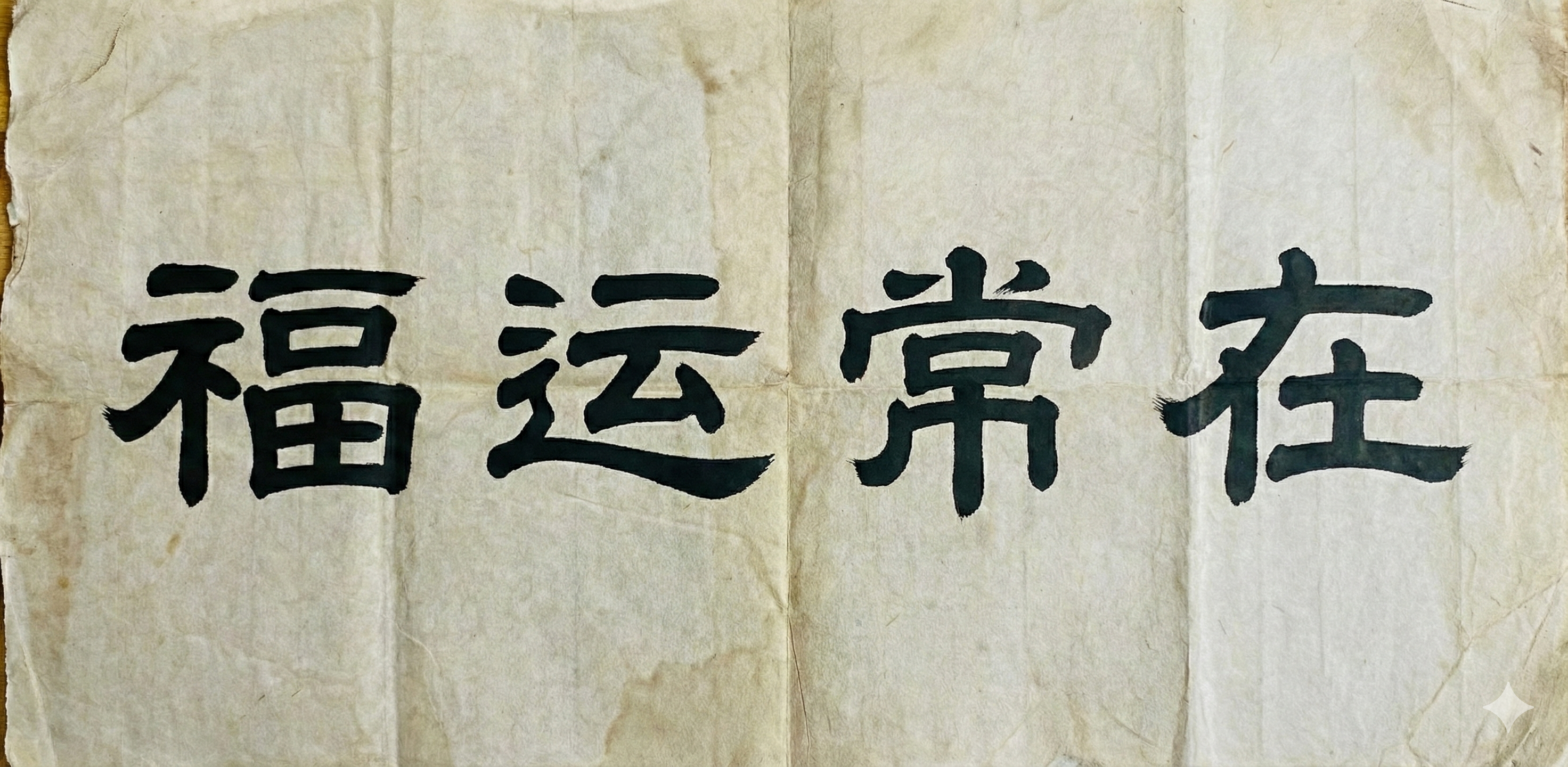
Image Healing: Guided Mandala Viewing - Lesson 201
Choose a mandala with a soft center and an outer ring.
Let your gaze slowly return from the outer circle to the center.
I feel supported even when I am alone.
A mandala is not about drawing something, but about observing what you are doing. In observing, you practice tranquility in separation.
The theme of this lesson's mandala is inner attachment, symbolizing that a sense of security can be carried.
◉ One gaze is sufficient; no repetition is required.

Lesson 201: Understanding the Roots of Separation Anxiety
Objective: To understand that separation anxiety is not weakness, but a natural reaction to early childhood insecurity. Drawing allows you to see where this fear of being left behind comes from.
Steps: Draw a "tree of attachment". Write down the people you relied on in childhood at the base, the important relationships you had during your growth at the trunk, and the current anxiety-triggered situations at the leaves.
Please log in before submitting your drawings and feelings.
○ 201. Understanding the Roots of Separation Anxiety: Journal-Based Guidance Suggestions
① Take three slow, gentle breaths. Recall a moment related to separation today (parting, being alone, waiting for news), and gently write down the scene and the first thought that flashed through your mind.
② Record physical cues: chest tightness, throat tightness, stomach emptiness, warmth or coolness in the palms of your hands, each on a scale of 0–10. Remind yourself: These feelings are asking for help.
③ Tracing Back: What moments in your childhood or past did you feel left behind or worried about losing? Write down the beliefs they brought to your mind (e.g., “leaving = being abandoned”).
④ Write a gentle restatement: Change "leaving = not being loved" to "leaving is temporary, love can be carried over." Feel the physical and emotional impact of this statement.
⑤ The smallest action I am willing to practice today: when I am alone for a short time, give myself a glass of warm water/three soothing words/a foot-feeling exercise.
⑥ Write a sentence to your younger self: "I see you are scared, I am here and I will not leave." Put this sentence in the notes on your phone so you can read it at any time.
Please log in to use.
Separation does not mean rupture. You are still in love and connection, but you have learned to live tenderly alone.
 EN
EN  ZH
ZH  ES
ES  FR
FR  JA
JA