

Lesson 227: Maintaining Self-Stability Amidst Longing
Duration:70 minutes
Topic Introduction:
Longing is a tender yet sharp emotion; it makes you feel connected, but it can also amplify anxiety due to distance and waiting. When you miss someone, your brain easily focuses all its attention on their state, forgetting that "I am still here, with my own life and pace." This lesson will teach you to practice stability in longing, so that love is not unbalanced, but a supported and resilient emotion.
Why does longing make you uneasy?
- Focus your attention only on the other person:The more emotions are directed outward, the more easily the self becomes unbalanced.
- Expectations for a response are too high:Longing often carries expectations, and when those expectations go unmet, they turn into anxiety.
- Escaping the emptiness of the present:By focusing all your emotions on others, you neglect your own needs.
- Past experiences of separation were recalled:Childhood neglect and separation anxiety can make longing more intense and painful.
Lesson 227: Maintaining Self-Stability Amidst Longing (Click to listen to the reading, view the content)
Longing itself isn't the problem; what truly throws people off balance is the gradual loss of self-worth in the process. When someone important is absent, it's easy to be drawn into their time and state, with attention repeatedly returning to the past or future while neglecting the present. This state, seemingly affectionate, is actually a form of self-contraction. Learning to remain stable in longing isn't about suppressing emotions, but about giving them a container. The first step is acknowledging that longing is a natural reaction, not proof of weakness. Allowing longing to exist reduces the internal friction caused by conflict. The second key is distinguishing between longing and pursuit. Longing is a feeling, while pursuit is an impulsive action. When you can remain stable at the level of feeling, you create space. The third stage is shifting longing from the relationship center back to the self center. You can miss the other person, but you don't need to suspend your life rhythm because of it. The fourth key is establishing self-anchors when longing, such as fixed action rituals like exercise, writing, or eating to let your body know you're still moving forward. The fifth stage is transforming longing into connection rather than consumption, for example, completing it in your heart with blessings or gratitude instead of repeatedly assuming the other person's state. The sixth key is trusting the continuity of the relationship. True connection doesn't disappear with distance but exists in different forms. It's important to understand that stability doesn't mean indifference, but rather that you remain on your own side amidst the flow of emotions. When you learn to continue living, breathing, and choosing yourself even while missing someone, you won't be emptied out; instead, relationships will become freer. Longing can be deep, but you will remain whole.
▲ AI Interaction: Missing someone doesn't mean losing them, and you don't mean being empty inside.
You miss someone because you care;
But you don't need to lose yourself in longing.
Longing itself is tender.
What makes it painful is that you "forgot yourself" in it.
When you bring your attention back to your body, back to your rhythm, back to the present moment...
You will find:
Longing can be warmth, not a storm.
Click the button below to learn "stable thinking techniques" with AI.
Music can transform intense longing into flowing emotions, and tangled feelings into gentle ones.
Let the melody bring you back to your own breath, instead of getting stuck in waiting.
○ Oriental Healing Tea - Osmanthus Oolong
Recommended drinks:Osmanthus Oolong
Recommended reasons:The fragrance of osmanthus can soothe the mind, while the warmth of oolong tea can ground emotions, making longing lighter and more stable.
practice:Add a few osmanthus flowers and 3 grams of oolong tea, then steep in 90°C water for 3 minutes.
○ Stable Nutrition - Olive Lentils (ID227)
During periods of intense longing and emotional turmoil, the body needs grounding and gentle nourishment. Olives and lentils provide sustained energy, symbolizing maintaining stability amidst emotional fluctuations. This dish is suitable for consumption during emotional processing or for settling down at night.
Self-stabilization
Emotional support
Open Recipe
◉ Roman Dietary Therapy: Olive Lentils (ID 227)
In ancient Rome, lentils were considered a "commoner's food that could sustain physical strength for a long time." They don't seek immediate gratification, but rather provide energy in a slow, steady manner. Simmering lentils in olive oil over low heat is a typical restorative dish: gentle and light, yet it gradually restores physical strength and focus after fatigue and anxiety. When you feel completely drained but not ready for meat or complex dishes, this dish fills that void perfectly.
Stable energy supply Restore physical strength Gastrointestinal friendly
I. Recommended Dietary Therapy and Reasons
Recommended dishes:Olive lentils cooked in olive oil
Recommended reasons:
1. Slow-release energy:Lentils are rich in plant protein and complex carbohydrates, which can prevent rapid fluctuations in blood sugar and reduce the feeling of feeling weaker after eating.
2. The restorative properties of olive oil:Mild fats aid nutrient absorption and are more beneficial for the nervous system and cell repair.
3. Suitable for long recovery periods:This is a basic dish that can be eaten for several days in a row without causing any discomfort.
2. Recipe and Method
Recipe (Serves 2):
- 120g dried lentils (red or brown lentils)
- 700–800ml of water or vegetable broth
- 1.5 tablespoons of olive oil
- 1/2 onion (diced, optional)
- 1 bay leaf (optional)
- A small amount of salt
- A pinch of black pepper (optional)
practice:
- Cleaning:Rinse the green beans repeatedly with clean water to remove impurities.
- Remove from heat:Add olive oil to a pan and sauté the diced onions over low heat until softened (optional).
- Cooking:Add lentils and water/broth, along with bay leaves, and simmer over low heat for 25–35 minutes, or until the lentils are completely tender.
- Seasoning:Add a little salt and black pepper before serving, and stir gently.
- Let stand:After turning off the heat, let it sit for 3 minutes to allow the oil and bean aroma to fully blend.
3. Small rituals for body and mind
Stability Practice:Before eating, tell yourself that the purpose of this meal is not to energize, but to support your body.
Impressions upon landing:Feel the thickness and warmth of the lentils, and bring your attention back to your abdomen, not your mind.
4. Dietary Therapy Experience Record
- Record changes in physical strength and concentration 1–2 hours after a meal.
- Observe whether the need to "rely on coffee or sweets to get by" decreases.
- Pay attention to your stomach's reaction; if you experience bloating, cook it softer next time.
V. Instructional Videos (approximately 3–5 minutes)
◉ Video Title:How to slowly replenish your energy with a pot of green beans?
6. Precautions
- Bloating warning:For those who are new to beans, it is recommended to start with small amounts and cook them thoroughly until soft.
- Acute gastrointestinal discomfort period:Temporarily refrain from use if you have diarrhea or severe bloating.
- Avoid strong flavors:Excessive spiciness or heavy seasoning will destroy its restorative properties.
hint:It can be paired with a small amount of cooked vegetables or whole wheat bread to form a complete and stable meal.
○ Suggestions for Chinese Calligraphy and Seal Carving Practice - Lesson 227
The seal carving practice in this lesson is used to stabilize oneself under the pull of emotions and prevent longing from overwhelming one's actions.
- Introduction to the characteristics of seal carving:
Seal carving emphasizes focusing the mind and maintaining a steady rhythm to complete the correspondence of lines and to maintain daily continuity in thought. - Written words:
What I like - Psychological Intention:
Writing down one's thoughts and preferences is a way to train oneself to refocus attention on inner values and present actions, so that emotions are no longer disordered. - Knife skills:
A steady start, even strokes, and a clear finish symbolize unwavering focus in one's thoughts. - Emotional transformation:
Transform the feeling of tension into the rhythm of lines, so that emotions become support rather than a burden.
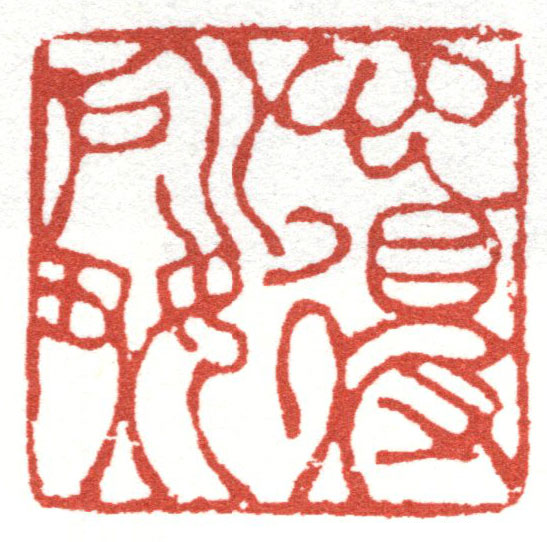
Image Healing: Guided Mandala Viewing - Lesson 227
Choose a mandala with a stable center and a soft outer circle.
Let your gaze linger on the center before slowly expanding it outwards.
Feeling the longing exists, yet the self remains.
A mandala is not about drawing something, but about observing. In observing, you practice standing firm in your thoughts.
The mandala theme of this lesson is the circle of mindfulness, symbolizing self-stability in the flow of emotions.
◉ One gaze is sufficient; no repetition is required.

Lesson 227: The "Stable Line" of Longing“
Purpose: To help you visualize your longing and transform it into something gentle, stable, and resilient.
Steps: Draw a dark "stabilizing main line" on the paper, symbolizing your breath and center. Then, draw some soft curves or dots of light outside the main line, symbolizing the flow of thoughts. Make sure these lines don't break the center line, but rather surround it. Finally, write a sentence:
“"Longing flows, and I am at the center."”
Please log in before submitting your drawings and feelings.
○ 227. A Guide to a Stable Remembrance Log
① At what moment today do you miss someone the most?
② What signals did your body send at that time? (Tightness/Emptiness/Acidity/Heat/Sinking)
③ Have you been "done off guard" by missing someone? How?
④ What did you do to bring yourself back to center? (Breathing/Music/Touch/Writing…)
⑤ Write a sentence about your understanding of "longing and stability".
⑥ In what situation would you like to practice "longing does not equal instability" tomorrow? What are the criteria for success?
Please log in to use.
Longing doesn't have to consume you.
When you calm yourself down, longing will become a gentle companion, rather than a source of anxiety.
 EN
EN  ZH
ZH  ES
ES  FR
FR  JA
JA