

Lesson 241: Understanding the Nature of Selective Mutism
Duration:70 minutes
Topic Introduction:Selective mutism isn't simply shyness or social withdrawal; it's a self-protective reaction stemming from extreme anxiety. This course will help you understand its mechanisms, common symptoms, and the impact of the family environment, providing gentle and effective responses for individuals and caregivers.
○ Common manifestations of selective mutism
- Specific environmental silence:Reticent in school and social settings, but expresses normally in familiar environments.
- Unintentional choice:It’s not that they are unwilling to speak, but that they are “unable to speak” - which comes from physical anxiety freezing.
- Strong inner conflict:Longing to be understood, but extremely afraid of exposing oneself.
Lesson 241: Understanding the Nature of Selective Mutism, Click to listen to the reading, View the content
Selective mutism is not a reluctance to speak, nor is it deliberate silence; rather, it's a state where the language system is completely suppressed by anxiety in specific situations. Many mistakenly believe this is due to introversion or stubbornness, but it's essentially a highly conditioned safety response. When an individual enters an environment where they are evaluated, observed, or expected to express themselves, their nervous system quickly enters a freeze mode, and language, as the most socially exposed behavior, is shut down first. This isn't a matter of willpower, but rather the body protecting itself with silence. Understanding this is the first step to recovery. The second key is distinguishing between ability and state. Individuals with selective mutism possess full language ability in a safe environment; it's just that the situation triggers a temporary inability to activate it. The third stage is understanding the function of silence: it avoids the risks of judgment, error, and exposure, thus reducing anxiety in the short term. The fourth point is recognizing the costs: prolonged silence solidifies avoidance pathways, making the brain more convinced that speaking is dangerous. The fifth stage is reshaping the safe channel. Recovery doesn't begin with forced speech but with reducing situational threats, such as reducing eye contact, allowing nonverbal responses, and gradually building successful experiences. The sixth key is respecting rhythm. Language recovery requires time and consistency; language will naturally return when the body confirms the environment is safe enough. It's important to understand that selective mutism is not a defect but an oversensitive protective mechanism. True healing is not about forcing people to speak, but about teaching the body that it is safe to be seen and heard. As a sense of security gradually builds, silence will slowly loosen, and expression will become possible again.
▲ AI interaction: Have you ever been “speechless” in certain situations?
The essence of selective mutism is not "unwilling to speak" but "unable to speak".
This is a form of protective inner tension, not a character flaw.
Please be gentle with yourself: "It's not that I can't do it, I just need time."
Understanding the essence is the starting point of healing.
Click the button below to explore the causes of selective mutism with AI and understand the protective logic behind your reactions.
○ Understanding the Nature of Selective Mutism · Music Guide
Summarize the methods available during this period into a "portable score": four columns: trigger - song - action - review.
Record your experience in one sentence after each use so that the changes can be seen and affirmed.
Arrange a "starting song" for tomorrow, and remind yourself at the beginning: I have choices and rhythm.
When the music plays, what you are practicing is not perfection, but sustainable gentleness and stability.
○ Herbal Tea· Chrysanthemum and Wolfberry Tea
Recommended drinks:Chrysanthemum and wolfberry tea
Recommended reasons:It clears the liver, improves eyesight, and relieves tension. It is suitable for people who are nervous about speaking or anxious about expressing themselves.
practice:3g of chrysanthemum and 10 wolfberries, brew with hot water for 5 minutes, can be drunk warm.
○ Stable Nutrition - Turmeric Brown Rice (ID241)
During the period of understanding and soothing a frozen reaction, the body needs warm and stable nourishment. Turmeric brown rice provides sustained energy and offers gentle support, symbolizing the slow, silent recovery of inner strength. It is suitable for consumption after study or exposure practice to help the body return to a sense of security.
Freezing reaction
Safe recovery
Open Recipe
◉ Indian Ayurvedic Diet Therapy: Turmeric Brown Rice (ID 241)
In Ayurveda, turmeric is known as the "spice of life." Its vibrant golden color comes from curcumin, one of nature's most potent anti-inflammatory agents. When anxiety triggers micro-inflammation in the body, causing unexplained aches and pains or fatigue, this rice dish, combining whole-grain fiber with anti-inflammatory spices, can dispel the gloom and inflammation within, like warm sunshine.
potent anti-inflammatory Stabilize blood sugar Purify blood
I. Recommended Dietary Therapy and Reasons
Recommended dishes:Golden Turmeric Brown Rice (Anti-inflammatory)
Recommended reasons:
1. Inflammation Buster:Curcumin can block the pathways of inflammatory molecule formation. It has a significant effect on improving chronic low-grade inflammation caused by long-term stress (such as brain fog and a feeling of heaviness in the body).
2. Stabilizing emotional energy:Brown rice is rich in low glycemic index (GI) complex carbohydrates and B vitamins. It provides a slow and sustained release of energy, avoiding the "blood sugar rollercoaster" of refined white rice, thus stabilizing anxiety.
3. The magic of black pepper:This dish must include black pepper. Studies have shown that piperine in black pepper can increase the body's absorption rate of curcumin by 2000%! This is the essence of Ayurvedic wisdom.
2. Recipe and Method
Recipe (Serves 2):
- 1 cup (about 150g) of brown rice (soaked in advance)
- 1–2 teaspoons of turmeric powder (adjust to taste; the color should be bright yellow).
- 1/2 teaspoon freshly ground black pepper (essential, aids absorption)
- 1 tablespoon of coconut oil (or ghee) (good oils bring out fat-soluble nutrients)
- 2–2.5 cups of water (brown rice absorbs more water than white rice)
- A pinch of sea salt
- (Optional) 1/2 teaspoon cumin seeds (to aid digestion)
practice:
- Brown Rice Revitalization:Brown rice has a hard texture, so it's recommended to soak it in cold water for 4 hours or overnight. This activates the enzymes in the rice, making it easier to digest and resulting in a softer, more glutinous texture when cooked.
- Sautéing spices:Add coconut oil to a pot (preferably a thick-bottomed pot or the inner pot of a rice cooker). Once the oil is hot, add cumin seeds (if using) and sauté for 10 seconds until fragrant.
- Fried rice (key):Pour in the drained brown rice and stir-fry over medium heat for 1–2 minutes to coat the rice grains with oil.
- Add soul:Sprinkle in turmeric powder, black pepper powder, and salt, and continue to stir-fry until the rice grains turn a beautiful golden yellow.
- Cooking rice:Pour in water. If using a rice cooker, press the "brown rice/mixed grains" button; if using a pot, bring to a boil over high heat, then cover and simmer over the lowest heat for 30-40 minutes. Turn off the heat and let it sit for another 10 minutes.
- Loose:Open the lid and gently loosen the rice with a rice spoon to allow the moisture to evaporate and the grains to separate.
3. Small rituals for body and mind
Golden visualization:As you stir-fry the turmeric powder, watch the brown rice transform instantly into a dazzling gold. Imagine this golden energy representing the sun and life force, infusing your food.
Chewing awareness:Brown rice requires more chewing than white rice. Turn this strenuous chewing into a mindfulness practice; each chew tells your body, "I'm willing to spend time taking good care of you."“
4. Dietary Therapy Experience Record
- Pay attention to how you feel 1-2 hours after eating. Do you feel less sleepy (Food Coma) and more alert than when you ate white rice?
- Record whether the stiffness or joint pain in the morning is reduced after consuming it continuously for a week.
- Observe your digestion. Turmeric and black pepper are both spices that warm the stomach and aid digestion. Do you feel a warm feeling in your stomach?
V. Instructional Videos (approximately 3–5 minutes)
◉ Video Title:Anti-inflammatory and blood sugar-controlling: How to make a perfect bowl of golden brown rice
6. Precautions
- Dyeing warning:Turmeric powder has an extremely strong staining ability! Please be careful not to get it on white clothes or plastic tableware, as it will be very difficult to clean. Glass or ceramic bowls are recommended.
- Use with caution during pregnancy:While turmeric is safe as a spice, medicinal doses (in large quantities) may irritate the uterus. Pregnant women should consume it in normal cooking amounts and not in excess.
- Patients with gallstones:Turmeric can promote bile secretion. If you have severe bile duct obstruction or gallstones, please consult your doctor before consuming it.
hint:This rice dish has a subtle spice flavor and is delicious with simple curry or roasted vegetables. Leftover rice can be made into fried rice, where each grain is distinct and separate.
○ Suggestions for Practicing Clerical Script in Chinese Calligraphy - Lesson 241
Written words:
Books nourish the mind
In-depth analysis:
The core of selective silencing is not language but security.
The horizontally expansive structure and steady brushstrokes of the clerical script are very suitable for soothing a tense nervous system.
When you slowly write each stroke and each line, you are training your body to allow for rhythm and pauses.
Writing itself does not require expressing an opinion, but only to exist.
Books remind you that even when you can't speak, you can still nourish your inner self through movement and rhythm.
Writing Techniques (Safe and Reassuring Version):
- Horizontal strokes slow down:Extending the horizontal strokes corresponds to reducing tension.
- Structural widening:Reducing the feeling of oppression symbolizes that the environment becomes more bearable.
- Clear distinction between beginning and end:Make each stroke have a beginning and an end to create a sense of predictability.
- Breathing synchronization:A stroke of the pen, a breath, helps to unfreeze the system.
- Repeat the writing:Let the body remember that it can exist safely without speaking.
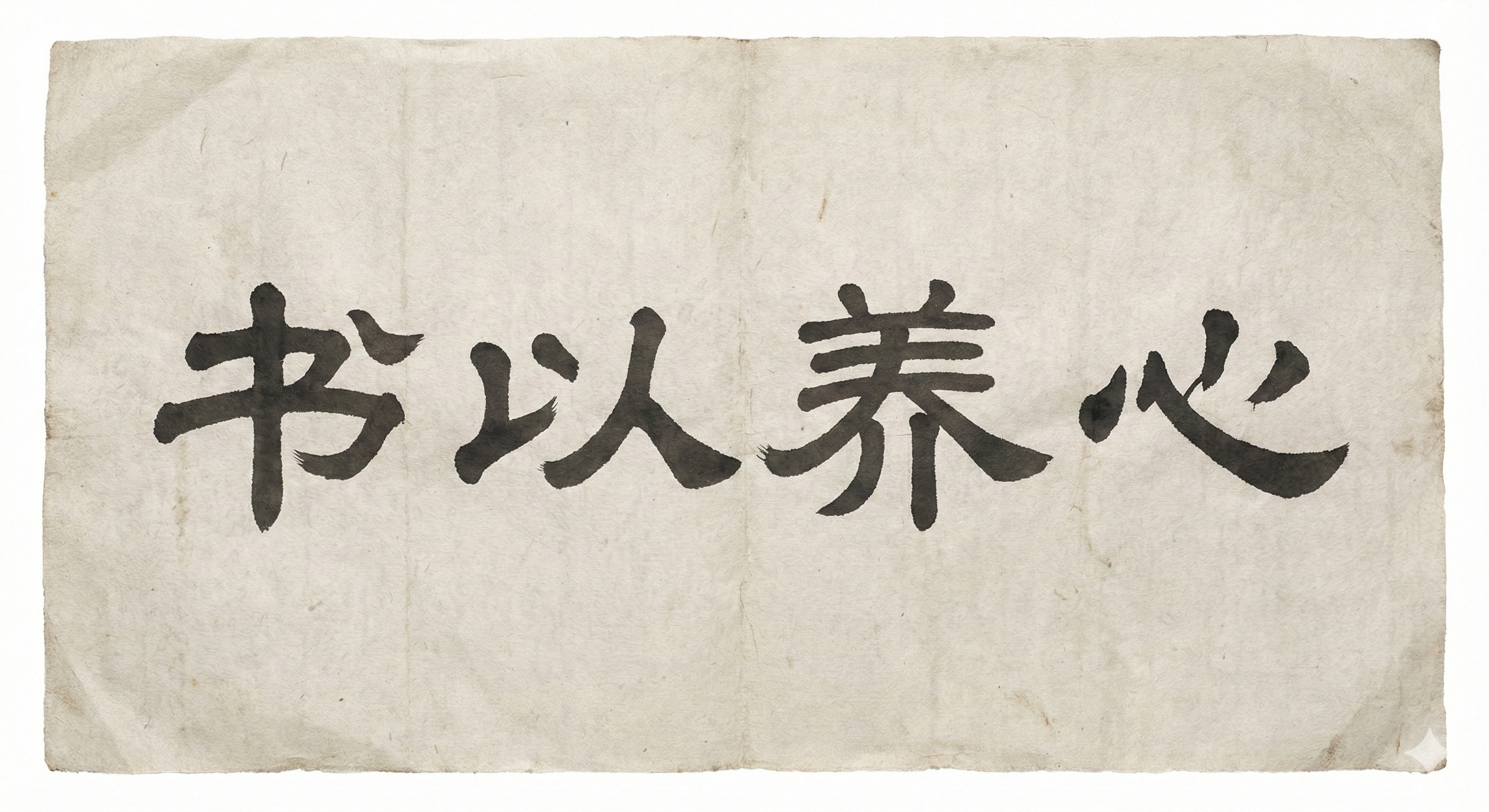
Image Healing: Guided Mandala Viewing - Lesson 241
Choose a mandala with soft lines and ample white space.
Let your gaze move slowly without focusing on the center.
Feel the space where silence is permitted.
Mandala is not about drawing something, but about observing. You practice while observing, and it is safe even without making a sound.
The mandala theme of this lesson is the Ring of Stillness, symbolizing recovery and support in silence.
◉ One gaze is sufficient; no repetition is required.

Lesson 241: Understanding the Nature of Selective Mutism
Objective: To understand that silence is not "not wanting to speak," but a "language freeze reaction" under anxiety, and to help oneself break free from misunderstanding and shame.
Steps: Draw a "door of sound," behind which lies warmth and safety, while outside lies tension and fear. Mark your current location and draw a beam of light through the crack in the door, symbolizing "I am learning to take a step forward."
Please log in before submitting your drawings and feelings.
○ 241. Understanding the nature of selective mutism: journal-guided suggestions
① Take three slow, gentle breaths. Then, write down a time today when you were speechless: the scene, the person you were with, and the first words that came to your mind.
② Record body signals: Tight throat, rapid heartbeat, sweaty palms, knotted stomach, and hot cheeks, each on a scale of 0–10. Tell yourself: This is your protective system at work, not "I can't do it."
③ Gently paraphrase your belief: Rephrase “I don’t dare to say/I can’t do it” to “I’m very nervous at the moment, but I can express it in other ways first.” Feel the impact of this statement on your body.
④ Support Map: List three people who make me feel most relaxed, three safe places, and three times when I feel most comfortable speaking up. These are my little havens.
⑤ Today’s micro-action: Choose a silent expression (nod, gesture, writing, emoticon sticker) to complete a communication and record the changes in your feelings.
⑥ Say thank you to yourself: "Even though I'm afraid, I'm willing to try a little bit." Put this sentence in the notes on your phone so you can read it at any time.
Please log in to use.
Silence is not an end, but a journey inward. When you are ready, words will flow from your heart again.
 EN
EN  ZH
ZH  ES
ES  FR
FR  JA
JA