

Lesson 242: Enhancing Nonverbal Communication Skills
Duration:70 minutes
Topic Introduction:When words can't express your emotions, drawing, body language, color, and movement can all become channels for expression. This course will help you understand the psychological significance of nonverbal expression and, through a series of exercises, develop a broader range of communication methods, giving voice to those who are often silent.
○ The core role of non-verbal expression
- Release emotional stress:When language is stuck, stretch your inner energy through images, movements, and colors.
- Connect with your inner feelings:Images are closer to the subconscious than words and help to enhance emotional awareness.
- Create a safe distance:Drawing and gestures can serve as “surrogate expressions” to alleviate the pressure of direct communication.
Lesson 242: Enhancing Nonverbal Communication Skills (Click to listen to the reading, view the content)
In situations where language is limited or anxiety freezes, nonverbal communication is not a fallback but an equally complete channel of communication. Those who selectively remain silent or experience high social anxiety often overlook the expressive power inherent in their bodies: eye contact, posture, gestures, rhythm, and actions themselves can convey intentions and emotions. Understanding this can significantly reduce the pressure to speak. The first step is acknowledging that expression is not the same as speaking. When you nod, shake your head, write instructions, or respond with gestures, you are already engaged in the relationship. The second key is establishing clear and predictable nonverbal cues, such as consistent gestures indicating agreement, needing to pause, or requesting help, allowing others to understand your state. The third stage is training body visibility; in safe settings, practice looking up, making brief eye contact, or turning towards the other person—these small movements gradually break the freeze. The fourth key is rhythmic synchronization: synchronize your nods with the other person's speech rate or coordinate with your breathing rhythm to create a sense of connection rather than exposure in the interaction. The fifth stage is using actions as expression, such as handing over a note, choosing an item, or completing a task, allowing meaning to be understood through the result. The sixth key is gradual transition; once a safe nonverbal channel is established, language will be more easily reinstated. It's important to understand that nonverbal communication isn't avoidance, but rather a bridge. It allows the body to first confirm its safety before inviting language back. When you respect the body's rhythms, expression becomes more natural and stable, and you'll feel seen rather than forced in relationships.
▲ AI interaction: Are you willing to "express" yourself in different ways?
Non-verbal expression skills are equally important.
You can try using expressions, gestures, and drawings to convey your ideas.
These methods will gradually increase your sense of security in expressing yourself.
Even when you don't speak, you can still be understood and accepted.
Click the button below to explore the non-verbal expression channels you have mastered so far with AI and practice expanding new ones.
○ Improve non-verbal expression skills · Music guidance
Turn what you want to say into non-verbal expressions first: emoticons, gestures, icons, simple drawings, all count as expressions.
Equipping these expressions with fixed prompt sounds makes it easier for both others and yourself to understand the signals.
Each time a communication is completed, it is checked off the list and a short reward song is played.
There is more than one way to express oneself, and multiple paths will gradually be paved towards language.
○ Herbal Tea· Chrysanthemum and Wolfberry Tea
Recommended drinks:Chrysanthemum and wolfberry tea
Recommended reasons:It can clear the mind, improve eyesight, soothe irritability, and help to establish a stable state before expression practice.
practice:3g of chrysanthemum and 10 wolfberries, brew with hot water for 5 minutes, and add honey as appropriate.
○ Stable Dietary Therapy - Indian Khichdi (ID242)
During the training phase of nonverbal expression and bodily rhythms, the body requires gentle, easily digestible nourishment. Ketchum, with its blend of rice and beans, provides stable energy, symbolizing the synergy of multiple modes of expression. Suitable for consumption after practice to help the mind and body return to a state of gentle stability.
Body rhythm
Safe communication
Open Recipe
◉ Indian Ayurvedic Dietary Therapy: Spiced Lentil Rice (ID 242)
Khichdi is a traditional Indian "healing" food made by simmering peeled mung beans (Moong Dal) and white rice with spices. In Ayurveda, it is considered one of the most easily digestible foods, balancing the three energies (Doshas: air, fire, and water) in the body. When your digestive fire (Agni) is weak, or when anxiety causes your stomach to malfunction, Khichdi allows your digestive system to rest completely while providing the complete protein needed for repair.
Deep detox Repair the stomach and intestines Balance mind and body
I. Recommended Dietary Therapy and Reasons
Recommended dishes:Ayurvedic Detox Khichdi
Recommended reasons:
1. The perfect protein:Although it is vegetarian, the combination of rice and beans constitutes "complete protein," providing all the amino acids needed for the body to repair itself, without the digestive burden that meat does.
2. A holiday for the digestive system:This dish is usually cooked until it's like a porridge. This paste-like texture, combined with the lubrication of ghee, helps to moisturize dry intestines and remove old toxins (ama) from the intestinal walls.
3. Ignite the fire of digestion:The added cumin, turmeric, and ginger gently reactivate sluggish metabolic functions, helping the body burn excess fat and emotional waste.
2. Recipe and Method
Recipe (Serves 2):
- 1/2 cup Basmati Rice
- 1/2 cup peeled mung beans (Yellow Moong Dal) (Make sure to buy yellow peeled mung beans, this is crucial)
- 1 tablespoon of ghee (key for bowel regularity)
- 1/2 teaspoon turmeric powder
- 1 teaspoon of cumin seeds
- 1 teaspoon of ginger paste
- Add 4-5 cups of water (more water, cook until it becomes a porridge-like consistency).
- sea salt (appropriate amount)
- (Optional) Diced vegetables (such as carrots and zucchini; not recommended during detoxification period)
practice:
- Cleaning and soaking:Mix rice and peeled mung beans, wash them, and soak them for 20–30 minutes. This will further improve their digestibility.
- Awaken the spices:Heat the ghee in a heavy-bottomed saucepan. Add the cumin seeds and fry for 10–20 seconds until fragrant. Add the minced ginger and stir-fry briefly.
- stir fry:Add the drained rice and beans, along with turmeric powder. Stir-fry over medium heat for 1 minute, ensuring each grain of rice and bean is coated with golden ghee.
- Boiling:Pour in water and bring to a boil over high heat.
- Slow cook:Cover and simmer on the lowest heat for 30–40 minutes. Alternatively, cook in a pressure cooker for 15 minutes.
- Texture inspection:The finished product should be a paste-like, soft texture, with the rice and beans blended together, rather than fried rice with distinct grains.
- Remove from heat:After serving, you can drizzle a little more ghee and sprinkle with cilantro leaves.
3. Small rituals for body and mind
Mono-diet:Ayurveda recommends eating only this one food on detox days (such as weekends) (for breakfast, lunch, and dinner). Tell yourself: "Today I don't need to make choices, I don't need to complicate things, I'm just consuming this one pure energy."“
Thanksgiving Link:Looking at this bowl of golden porridge, I'm grateful to the earth for providing such a simple yet nutritious food. I feel the warmth and relaxation as it enters my stomach.
4. Dietary Therapy Experience Record
- Record whether the bloating in the abdomen disappeared and whether the body felt lighter after one day of consumption.
- By observing bowel movements, Khichdi can usually help the body produce formed, healthy stools.
- Pay attention to your mental state; does your mind become clearer when your body no longer uses a lot of energy to digest complex foods?
V. Instructional Videos (approximately 3–5 minutes)
◉ Video Title:Reset Your Body: Authentic Indian Khichdi Recipe
6. Precautions
- Bean selection:Please be sure to usePeeled yellow mung beans (Split Yellow Moong Dal)Do not use whole mung beans or other red or black beans, as they will produce gas and are difficult to digest, which defeats the purpose of this dish being "easy to digest".
- Don't be stingy with ghee:Ghee is the soul of this dish; it lubricates the intestines and carries the medicinal properties of the spices into the cells. Don't skimp on it because you're worried about gaining weight.
- Texture Notes:If it's too dry when you cook it, add boiling water and continue cooking. It should be like thin porridge, not like fried rice.
hint:This is an excellent "comfort meal when you're sick." When you have a cold, fever, or stomachache and don't know what to eat, this is definitely a good choice.
○ Suggestions for Practicing Clerical Script in Chinese Calligraphy - Lesson 242
Written words:
Peace of mind brings happiness
In-depth analysis:
Nonverbal communication emphasizes rhythm and presence rather than persuasion.
The horizontally extended and stable structure of the clerical script is very suitable for training the body's visibility and stability.
When you slowly write each horizontal stroke, letting the brush tip rest naturally, you are practicing a state that can be understood without words.
Peace of mind and happiness remind you that when your heart is at peace, expression will naturally follow.
Writing Techniques (Rhythmic Expression Version):
- Horizontal extension:Lengthening horizontal strokes is a training exercise that can be performed with ease.
- Structural relaxation:Reducing the feeling of pressure corresponds to opening up the body.
- Clear start and end points:Establish predictability by ensuring each transaction has a beginning and an end.
- Breathing coordination:Synchronizing the writing with breathing enhances stability.
- Repeat the writing:Let your body remember that you can express yourself without speaking.
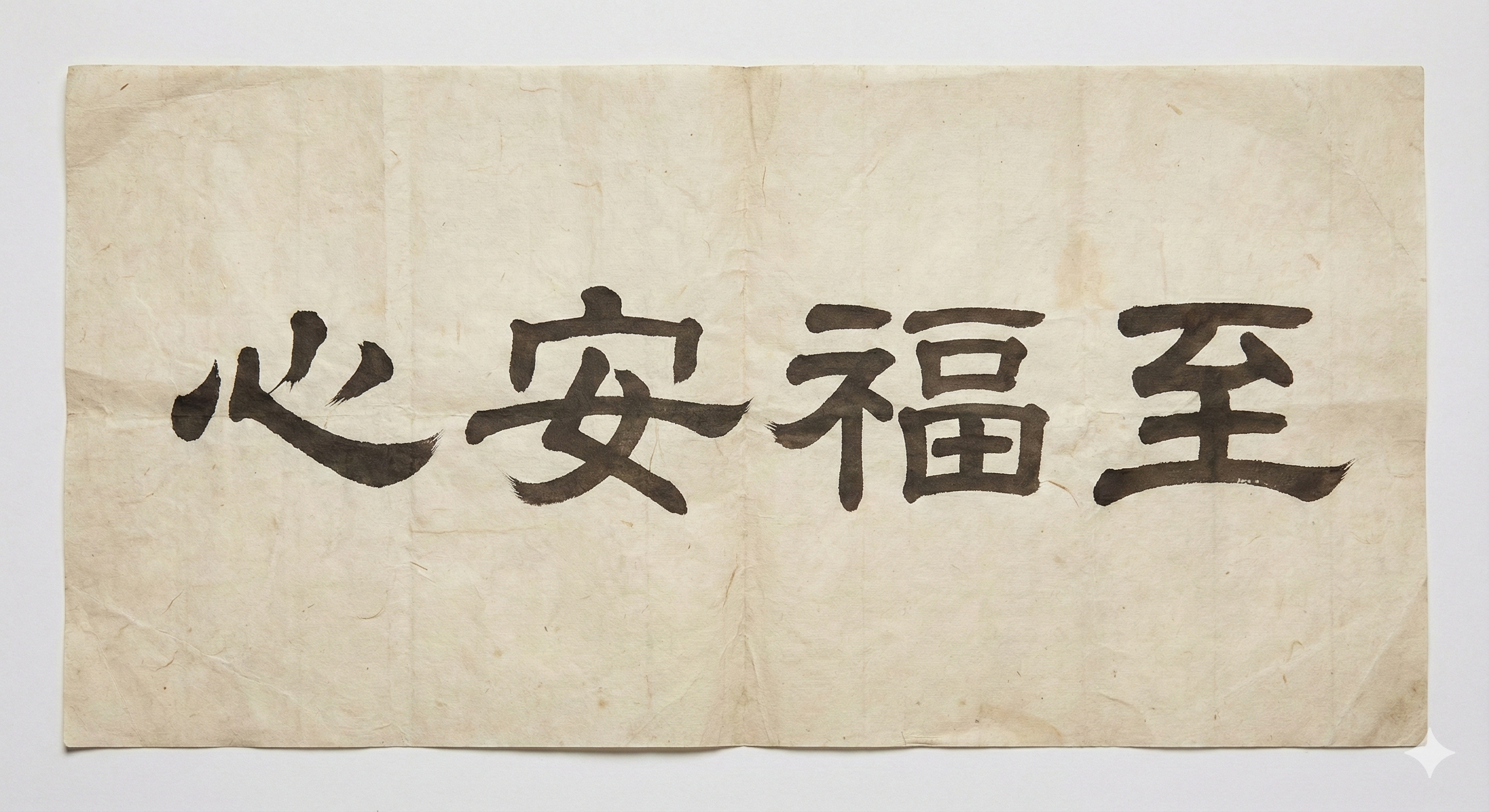
Image Healing: Guided Mandala Viewing - Lesson 242
Choose a mandala with clear lines and a gentle rhythm.
Let your gaze slowly move along the lines.
Feelings can be connected without language.
Mandala is not about drawing something, but about observing and practicing expression through the body.
The theme of this lesson's mandala is the rhythmic heart, symbolizing the stability and connection brought about by nonverbal communication.
◉ One gaze is sufficient; no repetition is required.

Lesson 242: Enhancing Nonverbal Communication Skills
Objective: When speech is still difficult, restore the ability to be understood through body language and facial expressions, allowing communication to flow again.
Steps: Draw five nonverbal expressions (eye contact, gestures, smiles, postures, nods). Write an energy phrase for each action (e.g., "I am responding," "I am connecting") and color it with a bright hue.
Please log in before submitting your drawings and feelings.
○ 242. Suggestions for Enhancing Nonverbal Communication Skills through Journaling
① Take inventory of my available silent tools: nod/shake head cards, hand gesture agreements, emoji stickers, writing pad, typing on my phone, and a color scale (0–10). Pick the three that work best.
② Design a "ladder of expression": from pointing to cards → nodding → lip-syncing → whispering a word → short sentence. For each level, write a scenario that can be practiced at home.
③ Today’s gentle practice: Use “writing or emoticon stickers” to complete a greeting or answer, and record the other person’s response and your own feelings score.
④ Connection practice: Agree on two “safety gestures” (need a break/need help) with someone you trust, so that your body can speak for you.
⑤ Kudos list: Write down three small communications I completed today, no matter how small. They are all paving the way for "opening up."
⑥ Make a promise to my future self: take the tool that works best today and try it again in another safe scenario.
Please log in to use.
Expression is not just about speaking, it is about letting your heart find an outlet. Your silence is also creating meaning.
 EN
EN  ZH
ZH  ES
ES  FR
FR  JA
JA