

Lesson 242: Redefining "Safety" and "Companionship"“

Duration:70 minutes
Topic Introduction:Use nodding, gestures, facial expressions, and writing to build visible communication bridges, lowering the barrier to speaking and allowing the body to participate in communication first, laying a safe foundation for subsequent vocalization. When practicing, keep your goals small, completing only one gentle action. You don't need to change yourself immediately, just understand one more reaction.
○ Course Topic Audio
Lesson 242: Redefining "Safety" and "Companionship"“
Click to view the read-aloud text
When learning to "improve nonverbal communication skills," please put aside any feelings of shame. Selective mutism is not about deliberately not speaking, nor is it impolite; rather, it's anxiety that freezes the language system, throat muscles, and social safety simultaneously. Use nods, gestures, facial expressions, and writing to build visible communication bridges, lowering the threshold for speaking and laying the foundation for subsequent vocalization. When language freezes, your mind may clearly know what you want to say, but your throat feels constricted, your lips tighten, your face stiffens, your heart races, and the more people are waiting, the harder it is to speak. Remember, this isn't about not trying, nor is it about intentionally embarrassing others; it's about your nervous system misinterpreting speaking as a high-risk event. The first step in this lesson is to change the pressure of "having to speak" to "allowing expression to exist first." Expression isn't limited to complete sentences; it can also be nodding, gestures, writing, eye contact, lip movements, whispers, a single word, or a pre-prepared short sentence. Each small expression tells the body: I can be seen, but I don't have to expose myself to the limit all at once. The second step is to establish a safe process before speaking. You can start by slowly exhaling, relaxing your jaw and neck, gently touching your chest or collarbone, and giving yourself a self-affirmation: I can say just one word; I don't need to be perfect. Then choose a minimum-intensity goal, such as reading a prepared sentence or saying a keyword to a safe person. The third step is to review your successes, not just focus on what you didn't say. Record whether you made a small signal today, whether you tried to speak, and whether you paused for a few seconds longer than last time. Language recovery is not achieved through a single breakthrough, but through repeated small successes that gradually rebuild neural pathways. If silence is accompanied by intense panic, significant impairment in school or workplace, long-term avoidance, traumatic memories, or severe self-blame, seek help from a psychologist, doctor, teacher, family member, or trusted supporter. Course exercises are suitable for learning and self-support, but cannot replace professional assessment and treatment. Finally, give yourself a reassuring reminder: My silence once protected me, but now I can learn new ways to protect myself. Completing just one nonverbal expression, one low-volume exercise, or one gentle review today is already a step closer to language confidence. After reading aloud, write down a minimum-intensity expression task and an action that can help your body relax. Before you speak next time, don't strive for a perfect, natural sound. Just breathe, allow yourself to breathe, and say the smallest possible word. You're not learning to please others, but rather to gradually bring yourself out of your comfort zone. Each time you speak softly, you're adding new evidence to your brain that it's safe to speak aloud. After reading aloud, write down a minimum-intensity expression task and a movement to help your body relax. Before you speak next time, don't strive for a perfect, natural sound. Just breathe, allow yourself to breathe, and say the smallest possible word. You're not learning to please others, but rather to gradually bring yourself out of your comfort zone.

AI Healing Q&A
When you rediscover the meaning of safety and companionship, AI can help you sort out: which companionship comes from genuine support, and which from anxious reassurance? You can write down the moments when you fear being left the most. AI will help you see that security isn't just about having someone by your side; it can also come from memories, symbols, breathing, and self-soothing. Just one small step today. If the pain intensifies, please seek professional support promptly. Give yourself some patience and space. Take your time; you don't need to be perfect the first time.

○ Music therapy guidance
When rethinking the concepts of safety and companionship, choose gentle, repetitive, and not overly sad music. Let the sound remind you that companionship comes not only from the presence of the other person, but also from memories, symbols, and physical comfort. After listening, gently ask yourself: Where can I get some support right now? Just one small step today. If the pain intensifies, seek professional help promptly. Give yourself patience and space. Take it slow; you don't need to be perfect the first time. Just one small step today.

○Eastern and Western Healing Teas
For this lesson, we recommend choosing a mild, low-stimulation hot beverage to help stabilize your body's rhythm after improving your nonverbal communication skills. You can sip small amounts of light black tea, osmanthus oolong, chamomile tea, or warm water slowly to allow your throat and breathing to feel safe. When practicing, keep your goals small and focus on completing just one gentle movement. You don't need to change yourself immediately; simply try to understand one more reaction.
○ Healing Recipes
Rosemary Sea Salt Crisps
Rosemary and sea salt crisps make a comforting post-lesson recipe. Made with flour, olive oil, rosemary, and a touch of sea salt, these crisps are fragrant and crunchy. They're best enjoyed in small portions with soups, salads, or yogurt dressings. Be mindful of the saltiness and portion size, and savor the gentle calming effect of the herbs.
Open the healing recipe
◉ Western Dietary Therapy · 242. Rosemary Crackers
I. Recommended Dietary Therapy and Reasons
Recommended dishes:Rosemary Crackers
Recommended reasons: Rosemary sea salt crisps are a refreshing, low-calorie, and easy-to-make Western-style therapeutic snack, suitable as a daily support for stabilizing the body's rhythm during social anxiety classes. Vegetables, yogurt, olive oil, grains, nuts, or fresh herbs provide moisture, fiber, gentle oils, and a bright aroma, making them easier to eat when stressed or experiencing an unstable appetite. They are suitable for breakfast, an afternoon snack, or before or after social events, allowing the body to gradually achieve a sense of calm between refreshing and gently satisfying.
2. Recipe and Method
Recipe (1–2 servings):
- 80g whole wheat flour
- 1 tablespoon olive oil
- A pinch of chopped rosemary
- A pinch of sea salt
- 40–50 ml of warm water
- A pinch of black pepper, optional
practice:
- Wash the main ingredients thoroughly and cut them into sizes suitable for cooking.
- Add olive oil, lemon juice, herbs, sea salt, and black pepper and gently mix.
- Let it sit for 5–10 minutes to allow the basic flavors to infuse into the ingredients.
- Preheat the oven to about 180–200°C, or heat a skillet over low heat.
- Bake, pan-fry, or roast the ingredients until they are lightly golden brown on the outside and cooked through on the inside.
- After cooking, you can add a small amount of lemon juice, parsley, yogurt, or olive oil.
- The flavor will be milder if eaten after it has cooled slightly.
3. Small rituals for body and mind
When preparing rosemary sea salt crisps, you can first observe the color, shape, and aroma of the ingredients, gradually shifting your attention from external evaluations back to the action at hand.
When adding olive oil, lemon, or herbs, slow down and feel the ingredients transform from separate parts into a cohesive whole. Remind yourself: I don't need to perform perfectly right away; I just need to gently bring myself back to the present moment.
When you take your first bite, first feel the refreshing, warm, salty or sour sensation to let your body know that this moment is safe, simple and tolerable.
4. Dietary Therapy Experience Record
- Record when you eat it: whether it's breakfast, lunch, dinner, or a light meal before or after a social event.
- Observe the changes in stomach burden, refreshment, satiety, and mental stability within 30–60 minutes after consumption.
- If you consume it on days when social anxiety is particularly pronounced, you can record whether the rosemary sea salt crisps help reduce feelings of heaviness and restore a sense of control over your body.
V. Instructional Videos (approximately 3–5 minutes)
Video Title:Rosemary Sea Salt Crisps: A Mild and Stable Western Dietary Remedy
6. Precautions
- It is recommended to choose extra virgin olive oil and avoid prolonged and repeated heating at high temperatures.
- If you need to control calories, you can reduce the amount of fat and cheese, but it is not recommended to completely remove the source of flavor.
- For first-time users, it is recommended to try a small amount and observe the stomach comfort and body reaction.
- For first-time users, it is recommended to try a small amount and observe the stomach comfort and body reaction.
- For first-time users, it is recommended to try a small amount and observe the stomach comfort and body reaction.
hint:This recipe is for daily physical and mental well-being and is not a substitute for any medical diagnosis or treatment. If you have chronic illnesses, are pregnant, have food allergies, are taking medication, or have special nutritional restrictions, please prioritize following the advice of your healthcare provider and nutritionist.

○Mandala Healing
When reinterpreting safety and companionship, you can think of the center of the mandala as the feeling of being remembered, and the outer ring as different forms of companionship. Even when the other person is not physically present, the connection doesn't necessarily disappear. Exhale slowly while observing, feeling that safety isn't just about clinging to a person, but can also grow gradually from the body, memories, and self-soothing. Just take one small step today. If the pain intensifies, seek professional support promptly. Give yourself some patience and space. Take it slow; perfection isn't required the first time.
● AI Dynamic Geometric Vision Focus and Emotion Regulation Engine ●
AI Dynamic Geometric Vision Focus and Emotion Regulation Engine · v7.0.0
Before we begin, I'd like to know how you feel right now.
There is no standard answer; just choose the one that best reflects how you feel right now.
The experience is over. Tell us how you feel now.
There is still no standard answer; just choose the one that best reflects how you feel right now.
#FF5252
After the fluorescent line crawling is completed and stopped, first select a color, then click on the closed area in the graphic to fill in the color.
AI Digital Mandala Static Focus EngineAZ Image Coloring · 60 Colors
AI Digital Mandala Interactive Focus Engine
A–Z Free Selection · Layered Lines · 60 Color Fills

○ Calligraphy and engraving therapy practice
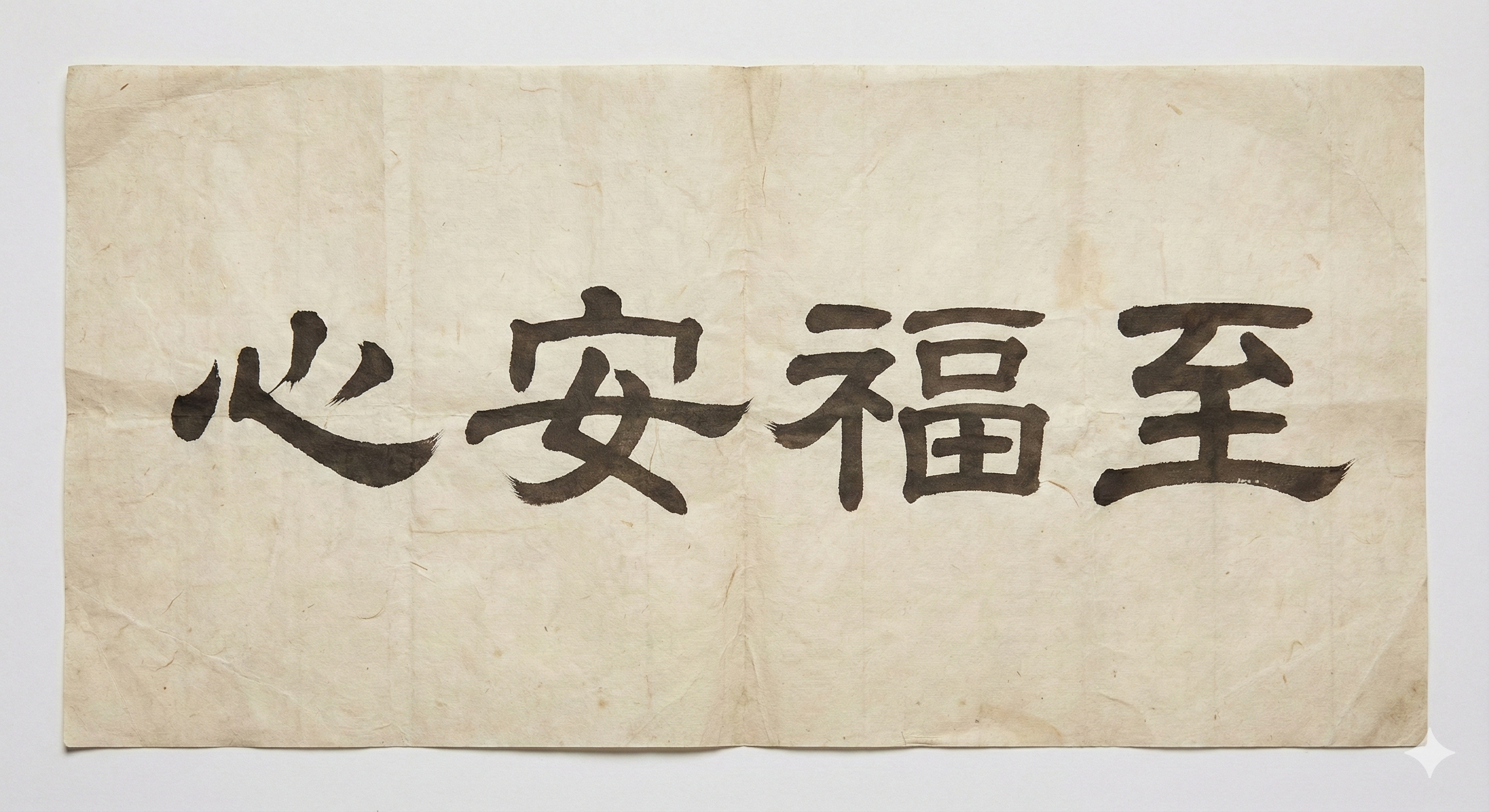
When reinterpreting safety and companionship, the calligraphy practice doesn't require writing specific content. Simply feel the rhythm of your hand, the support of your body, and the changes in your breathing. Safety doesn't necessarily come from never being apart; it can also come from being able to maintain a steady posture for a short while. Practice allowing companionship to slowly return from the external world to your body. Even a little bit counts. If you feel uncomfortable, stop. Give yourself some space. Please take it slow. Even a little bit counts. If you feel uncomfortable, stop. Give yourself some space. Please take it slow. Even a little bit counts.

○ Art Therapy Guidance
When you rediscover the meaning of safety and companionship, you can draw your feelings as images of different distances. Perhaps there are colors that suggest closeness, and others quiet blank spaces. Don't rush to judge whether it's good or bad; just observe: what makes you feel caught, and what makes you feel tense. The sense of security that is drawn will gradually become visible. It doesn't need to be perfect. If it makes you uncomfortable, stop. Even a little bit counts. Take it slow. It doesn't need to be perfect. If it makes you uncomfortable, stop. Even a little bit counts. Take it slow.
Please log in before submitting your drawings and feelings.

○ Diary Healing Suggestions
Please write down the sentence that touched you most today: Security doesn't mean never being left behind. Also, write down a small action, such as finding a form of companionship that doesn't rely on immediate responses from the other person: a memory, an object, a comforting word. Your journal doesn't need to be perfect; just observe it gradually, and companionship can grow from within. If you can only do a little today, please acknowledge that even a little counts. Keep your small actions light, so you have a real chance to do them tomorrow. This journal isn't an exam; it's a place where you can be understood. Take it slow; stability and security are more important than speed.
Please log in to use.
After improving your nonverbal communication skills, remind yourself that nodding, gestures, facial expressions, and writing are also effective forms of expression.