

Lesson 244: From "Silence" to "Gradually Increasing Volume" Exercise
Duration:70 minutes
Topic Introduction:Restoring your voice doesn't need to happen all at once; it should be done slowly, like turning a tuning knob. This lesson will guide you through "small to large" expression training, from breathing and pronunciation to increasing volume, allowing those who have been silent to gradually move towards clear and stable self-expression.
○ Psychological and physiological approaches to volume training
- Start with the breath:Speaking softly is not necessarily a sign of shyness; it may be due to suppressed airflow.
- Relaxation of physiological restrictions:Gradually practice releasing tension in the vocal area to improve the vocal channel.
- Expanding psychological boundaries:Every time you raise your voice, you are training yourself to believe that you deserve to be heard.
Lesson 244: From Silence to Gradually Increasing Volume (Practice, Click to Listen to the Reading, View Content)
Gradually increasing volume from silence is not about forcing vocalization, but a recovery path that respects the body's rhythms. Many people struggling with anxiety or selective mutism are not unable to speak, but their bodies freeze when forced to increase volume. The goal of this exercise is not to speak clearly all at once, but to treat volume as an adjustable parameter. The first step is to allow silence to exist; silence is not failure, but a starting point. When the body is allowed not to speak, tension actually decreases. The second key is to start with non-verbal sounds, such as soft exhalations, hums, or low vowels, to awaken the vocal system in a low-threat state. The third stage is from single syllables to words; choose the easiest syllables and pronounce them in a safe environment at an almost inaudible volume, aiming only for appearance, not clarity. The fourth point is volume gradient; increase only a small level each time, for example, from audible to audible to the other person, allowing the body to learn that change is controllable. The fifth stage is rhythm coordination; synchronize vocalization with breathing, speaking while exhaling to avoid tension caused by holding your breath. The sixth key is to record success; mark and affirm each increase in volume to allow the brain to form positive predictions. It is important to understand that increasing volume is not about willpower overcoming fear, but the result of a gradual accumulation of safety. When the body repeatedly experiences that speaking does not bring danger, the volume will naturally increase and the expression will recover accordingly.
▲ AI interaction: Are you ready to turn up the volume?
It doesn't take one step to go from silence to speaking out.
You can start by reading a sentence softly at home, and then gradually practice in a small group.
Let the "volume" increase little by little, just like opening a window.
Every attempt is a brave leap.
Click the button below to work with AI to create your own "Volume On Plan", including psychological support and training rhythm.
○ Practice from "silence" to "gradually increasing the volume" · Music guide
Gradient: lip shape → breathy voice → low voice → short sentence → complete sentence, each level is equipped with a fixed song.
Practicing in the most familiar and safest environment will increase your success rate and strengthen your confidence.
Record a short sentence of your own and play it back with background music to train your brain to get used to "hearing your own voice."
Every time you advance a level, give yourself a musical ceremony to acknowledge your progress.
○ Herbal Tea· Licorice Ginger Tea
Recommended drinks:Licorice Ginger Tea
Recommended reasons:It soothes the throat and boosts Yang energy, making it suitable for drinking before voice training.
practice:Boil 3g of licorice and 3 slices of ginger in water for 10 minutes and drink it warm.
○ Stable food and cumin rice JeeraRice (ID244)
During the phase of gradually increasing volume practice, the body needs gentle and rhythmic nourishment. Cumin rice, with its distinct aroma and consistent taste, symbolizes the gradual process of increasing volume from low to high. It is suitable to eat after practice to help the mind and body return to a grounded state.
Voice safety
Rhythm recovery
Open Recipe
◉ Indian Ayurvedic Dietary Therapy: Cumin Rice (ID 244)
In Ayurveda, raw rice is considered cooling and difficult to digest, but its properties are transformed through cooking with oil and adding spices. Cumin is known as the "guardian of the digestive system." Its unique earthy aroma stimulates the secretion of saliva and gastric juices. This simple Jeera Rice uses high heat to bring out the medicinal properties of cumin, transforming ordinary rice into a therapeutic food that relieves bloating and promotes absorption.
Promote digestion Eliminate bloating Ignite stomach fire
I. Recommended Dietary Therapy and Reasons
Recommended dishes:Classic Cumin Rice (Jeera Rice / Cumin Rice)
Recommended reasons:
1. Natural air vent valve:Cumin is rich in essential oils such as thymol, making it an excellent carminative. It can effectively break down gas bubbles in the intestines and relieve the discomfort of a bloated stomach after meals.
2. Boost metabolism:The combination of cumin and ghee can gently raise body temperature and metabolic rate. For those with a cold constitution who feel uncomfortable after eating anything cold, this warming dish is the best comfort.
3. Minimalist Deliciousness:No complicated curry is needed; the aroma of cumin seeds bursting in hot oil is enough to open up a closed appetite, making it perfect for those recovering from illness or experiencing a loss of appetite.
2. Recipe and Method
Recipe (Serves 2):
- 1 cup Basmati Rice
- 1 tablespoon of cumin seeds (use a generous amount; do not use cumin powder).
- Ghee 1–1.5 tablespoons (key to flavor)
- 1.5–2 cups of water (adjust according to rice type)
- sea salt (appropriate amount)
- (Optional) Finely chop cilantro leaves (sprinkle after cooking)
- (Optional) 1 green chili pepper (to stimulate the appetite; omit if you don't like it spicy)
practice:
- Soaking rice:Wash the long-grain rice, soak it for 20 minutes, and then drain the water. Draining is very important, otherwise it will stick to the pan when frying.
- Key step (sautéing):Heat the ghee in a pot. Once the oil is hot, add the cumin seeds. You will hear a crackling sound as the cumin seeds darken in color and release their aroma instantly.Notice:This step only takes a few seconds; be careful not to burn it.
- Fried rice:Quickly pour in the drained rice and stir-fry over medium heat for 1–2 minutes. Coat each grain of rice with cumin-flavored ghee until it becomes slightly translucent.
- Cooking rice:Pour in water and salt. Bring to a boil over high heat, and when small holes appear on the surface of the water, cover the pot with the lid.
- Braising:Simmer on the lowest heat for 10–12 minutes.
- Pine Rice:Turn off the heat and let it simmer for another 5 minutes. Open the lid and gently loosen the rice with a fork or spoon; you'll see cumin seeds evenly embedded in the white rice grains. Sprinkle with cilantro leaves and serve.
3. Small rituals for body and mind
Listen to the explosion:While making this dish, focus on the moment the cumin seeds crackle in the hot oil. This sound symbolizes the awakening of dormant energy and foreshadows the ignition of your digestive fire.
Earthy aroma:Take a deep breath of that unique, earthy aroma of cumin. It can ground your wandering thoughts and bring a sense of stability.
4. Dietary Therapy Experience Record
- Notice whether you experience the bloating you usually feel after eating carbohydrates after this meal.
- Observe whether there is burping or flatulence, as cumin helps "reduce pressure" on the stomach and intestines.
- Record the satisfaction of eating this dish alone; even without complicated side dishes, the rich layers of spices can satisfy the taste buds.
V. Instructional Videos (approximately 3–5 minutes)
◉ Video Title:Delicious like restaurant-quality cumin rice - foolproof recipe
6. Precautions
- Cumin seeds must be used:Please purchase whole cumin seeds, not cumin powder. Cumin powder will quickly turn bitter and black in hot oil, losing both its taste and its medicinal properties.
- To prevent burning:Cumin seeds change color very quickly after being put into the pot. If they turn black, they are burnt and will taste bitter, so you have to throw them away and start over.
- Styling suggestions:This dish is the king of versatility. In Ayurveda, the most classic pairing is to drizzle it with a spoonful of simple lentil soup (Dal), or to mix it with a little plain yogurt, making for a perfect light meal.
hint:For those who frequently order takeout or whose digestive system is fatigued due to greasy food, making a bowl of cumin rice on the weekend is the best "vacation" for their stomach and intestines.
○ Suggestions for Practicing Clerical Script in Chinese Calligraphy - Lesson 244
Written words:
Steady progress leads to long-term success
In-depth analysis:
The volume needs to be restored steadily and without rushing.
The horizontal extension and downward center of gravity of the clerical script make it very suitable for training a path from low-intensity to sustainable expression.
When you write, allowing each horizontal stroke to extend smoothly, you are learning to progress gradually on a physical level.
"Steady progress leads to long-term success" reminds you not to seek rapid progress but to exchange stability for long-term benefits.
Writing Techniques (Progressive Stable Version):
- Horizontal stroke progression:Each stroke slightly increases the training volume gradient.
- Stable structure:The downward center of gravity of the characters enhances the sense of security.
- Clear start and end points:Define clear boundaries for change.
- Breathing synchronization:Keep relaxed as you exhale as you put pen to paper.
- Repeat the writing:Let gradual progress become a bodily memory.
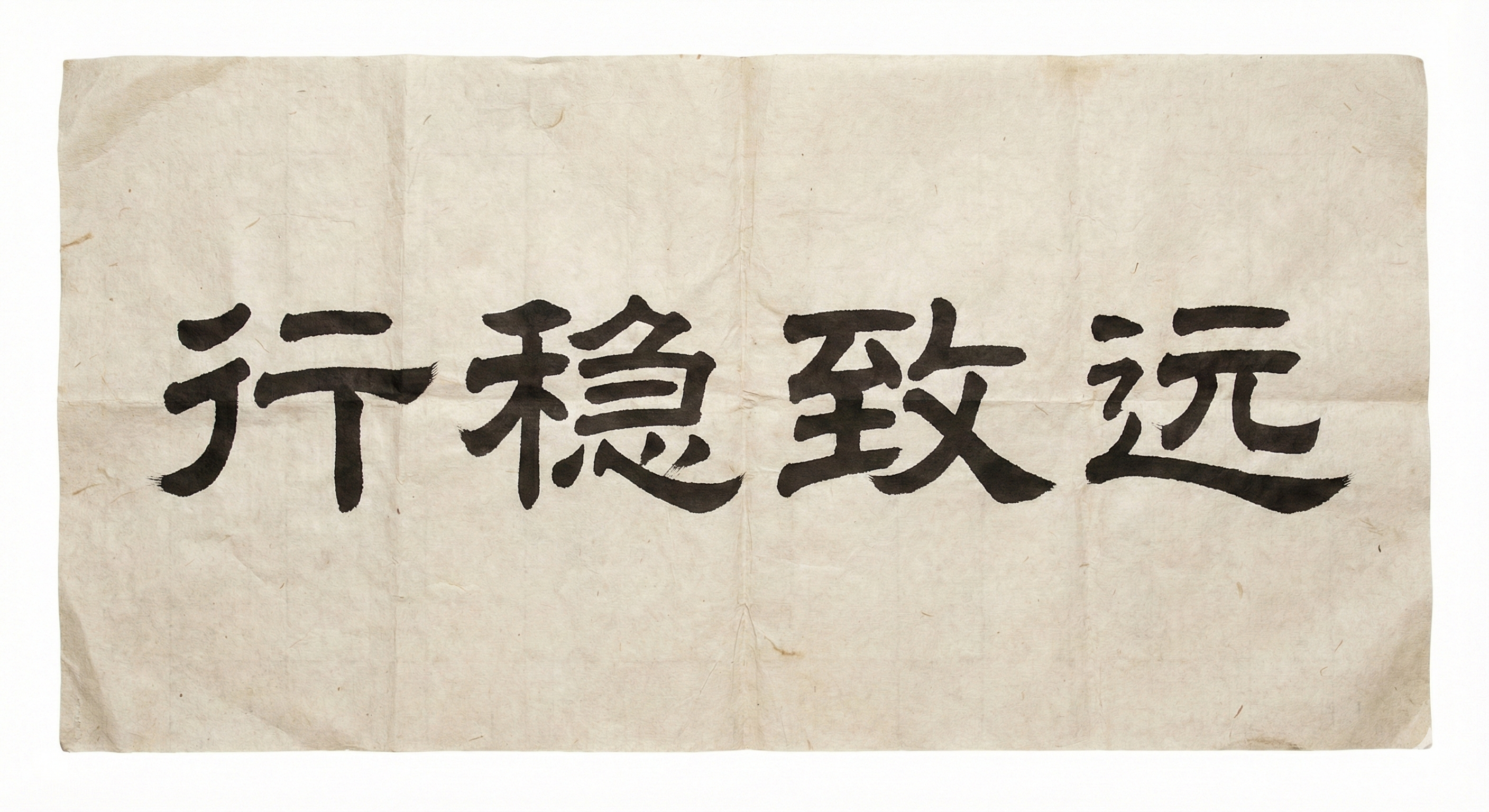
Image Healing: Guided Mandala Viewing - Lesson 244
Choose a mandala that unfolds layer by layer from the center outwards.
Let your gaze follow the gradual expansion of the hierarchy.
Feelings and expressions were gradually allowed to be expressed.
A mandala is not about drawing something, but about observing what you are doing and practicing the safe operation of volume.
The theme of this mandala is "The Gradual Opening of the Voice," symbolizing a steady recovery from silence to clarity.
◉ One gaze is sufficient; no repetition is required.

Lesson 244: From "Silence" to "Gradually Increasing Volume" Exercise
Objective: To allow the voice to gradually return, rather than to achieve a breakthrough all at once, replacing coercion with a gentle rhythm.
Steps: Draw a volume gradient strip, from gray to light blue to bright orange, and write "lip movement," "breathy sound," "whisper," "short sentence," and "complete expression" on it respectively. Color the area after completing each stage.
Please log in before submitting your drawings and feelings.
○ 244. Suggestions for a Practice Log: From "Silence" to "Gradually Increasing Volume"
① Set the volume level: Silent lip sync → Whisper to yourself → Whisper to someone familiar → Whispered words → Short sentences. Choose the easiest level for today.
② Progressive scenes: Start in the room → the door → the hallway → a quiet corner → the target location. After each step, stop and breathe three times before trying a word.
③ Record the curve: starting/peak/ending tension (0–10), and which step was most helpful (foot anchoring/pocket sentence/eyes falling on the object).
④ Retell and expand: Turn a spoken word into a short sentence; change the short sentence to another safe scenario and try again.
⑤ Be kind to fluctuations: If your voice gets stuck, allow yourself to pause and start over. Write down two ways to take care of yourself when you get stuck.
⑥ A small celebration: Give yourself a courage star or clap your hands three times. Every time you “voice over,” you’re teaching your brain: I can do it.
Please log in to use.
Voices don't have to surge to be powerful; even a small increase is a step closer to the world. You are already on your way.
 EN
EN  ZH
ZH  ES
ES  FR
FR  JA
JA