

Lesson 247: The Psychological and Physiological Mechanisms of Mutism
Duration:70 minutes
Topic Introduction:Selective mutism is not "unwilling to speak," but rather a state where the mind and body enter a high-alert mode in specific situations, temporarily shutting down the act of speaking. This lesson will guide you through understanding the physiological locking mechanism, psychological trigger chain, environmental factors, and why forcing someone to speak only deepens the silence. A deep understanding of the mechanism is the first step to unlocking the channels of expression.
○ Psychological triggering mechanisms of mutism
- Excessive perception of social threat:The brain labels "someone is watching me" and "I might say something wrong" as dangerous, leading to a decline in speech function.
- Enhanced evaluation sensitivity:Past experiences of being ridiculed, blamed, or rejected can teach a system that "silence equals safety."
- Potential shame implications:Silence is often accompanied by an inner narrative of "I'm not good enough" and "I'll be seen through," making it difficult to speak up.
Lesson 247: The Psychological and Physiological Mechanisms of Mutism (Click to listen to the reading and view the content)
Mutual aphasia is not simply the inability to speak, but a psychosomatic response mechanism in which the language system is temporarily shut down in specific situations. Psychologically, mutism often stems from high evaluation anxiety. When an individual anticipates being observed, evaluated, or rejected upon speaking, the brain activates protective inhibition to avoid potential threats. This inhibition is not voluntary but occurs automatically. Physiologically, language output requires the prefrontal cortex's planning and motor cortex to execute, along with the coordination of the autonomic nervous system. When the sympathetic nervous system is overactivated, the laryngeal muscles and breathing rhythm become stiff and contracted, making it difficult to produce sound. Many people mistakenly believe this is a personality problem or a lack of willpower, but in reality, it's the nervous system choosing a frozen mode under high pressure. Freezing doesn't equate to failure, but rather the body's perceived safest strategy. Understanding this is the starting point for healing. Mutism is not a refusal to communicate, but rather a lack of feeling safe. The key to recovery is not forcing speech, but gradually reducing threat signals, allowing the nervous system to relearn that speaking in front of others is feasible and safe. By stabilizing breathing to reduce bodily alertness, establishing presence through nonverbal expression, and gradually introducing low-intensity sounds, the brain will release its inhibition. It's crucial to remember that language is not the only value; you are gradually able to speak because you have first learned to calm your body. When a sense of security is established, the voice will naturally return. The end of silence is not forced expression, but the ability to choose to speak or not when needed—this is true freedom achieved through the harmony of mind and body.
▲ AI Interaction: Is Your Silence Protecting You?
Silence is not rejection, but a "life-saving strategy" that the mind and body automatically activate in specific environments.
You can start with small expressions: eye contact, nodding, and subtle gestures are all forms of communication.
Recognizing your silence is not about fighting it, but about cooperating with it and letting it gradually relax.
Click the button below to explore with AI the mechanisms behind why you can speak in some situations but not in others, and learn to build a safe expression gradient.
○ Mutual Aphasia - Music Therapy and Guidance
Choose music that slows down your breathing (low frequency and slow tempo are better) to help your body relax from tension.
While listening to music, gently open your mouth and then close it again, repeating this several times to practice the micro-movements that "activate the language muscles".
As your throat gradually relaxes, try making a soft humming sound to allow your body to allow the sound to return.
Herbal Tea - Sweet Wheat and Jujube Tea
Recommended drinks:Decoction of licorice, floating wheat, and jujube
Recommended reasons:Traditionally used to calm the nerves, relieve tension, and lower heart rate, it helps the body and mind transition from "rigid" to "relaxed".
practice:Boil 3g of licorice root, 10g of floating wheat, and 2 jujubes for 10 minutes and drink. It is gentle, soothing, and calming.
○ Stable Dietary Therapy - Pumpkin Spice Porridge (ID247)
During the stage of understanding the mechanisms of silencing, the body needs warm and gentle nourishment. The sweetness and mild spices of pumpkin help soothe the autonomic nervous system, making it suitable for consumption after studying or practicing to help the body transition from a tense mode to a safe mode.
Nerve soothing
Safe recovery
Open Recipe
◉ Indian Ayurvedic Dietary Therapy: Pumpkin and Spiced Brown Rice Porridge (ID 247)
Ayurveda believes that golden pumpkin is full of "the energy of the sun" and belongs to the Sattvic food category, bringing inner purity and joy. Although brown rice is difficult to digest, its rough nature is neutralized by water when it is cooked into porridge. Paired with warming spices such as cinnamon and cardamom, it not only warms the spleen and stomach but also promotes blood circulation, making it the best breakfast to nourish the body and mind in autumn and winter or when the body is weak.
Nourish the spleen and stomach Balance wind energy Gentle and calming
I. Recommended Dietary Therapy and Reasons
Recommended dishes:Heartwarming Pumpkin Brown Rice Porridge
Recommended reasons:
1. A "warm baby" for the spleen and stomach:Pumpkin is sweet and warm in nature, and enters the spleen and stomach meridians. It can replenish qi and repair damaged gastric mucosa. For those with "cold stomach" who experience pain after eating cold food, pumpkin is the best food therapy.
2. Soothe the nervous system:This porridge is rich in complex carbohydrates and magnesium (from brown rice). This combination helps stabilize blood sugar, prevents anxiety and tremors caused by low blood sugar, and provides a lasting sense of security.
3. Combustion aids that digest fire:The added ginger and cinnamon gently boost metabolism and prevent sweet foods from producing too much mucus (Kapha), ensuring that nutrients are fully absorbed by the body.
2. Recipe and Method
Recipe (Serves 2):
- 1/2 cup brown rice (must be soaked beforehand)
- 200g of old pumpkin (peeled and cut into small pieces) (the sweeter the better)
- 1 tablespoon of ghee
- Spice blend:
– 1/2 teaspoon cinnamon powder
– 1/2 teaspoon ginger powder (or fresh ginger paste)
– A small amount of mung bean powder (to relieve bloating)
– A pinch of nutmeg powder (to aid sleep and calm the nerves) - 4 cups of water or plant-based milk
- Brown sugar/maple syrup/dates as needed (to enhance sweetness)
practice:
- Preprocessing:Soak brown rice for at least 4 hours or overnight to soften the fiber and reduce the burden on the spleen and stomach. Cut the pumpkin into small cubes about 2 cm in size.
- Sautéed base:Heat ghee in a pot. Add minced ginger and sauté briefly until fragrant, then add diced pumpkin and stir-fry for 2 minutes to allow the pumpkin to release beta-carotene upon contact with the oil.
- mix:Pour in the drained brown rice, sprinkle in cinnamon powder and cardamom powder, stir-fry evenly, and smell the warm aroma of the spices.
- Boiling:Pour in water. Bring to a boil over high heat, then reduce to the lowest heat, cover, and simmer for 40–50 minutes.
- Fusion:When the water content decreases, the rice grains bloom, and the pumpkin softens, use the back of a spoon to crush the pumpkin and stir it into the porridge until it becomes a golden paste.
- Seasoning:Turn off the heat. Stir in brown sugar or maple syrup. If you like a creamy flavor, you can drizzle in some hot coconut milk at the end.
3. Small rituals for body and mind
Sun Contemplation:Looking at the golden porridge in the bowl, imagine it as liquid sunlight. As you drink it, a warm glow fills your abdomen (solar plexus), dispelling all cold and fear.
Aromatic Embrace:The aroma of cinnamon and pumpkin blends together like a warm embrace. Take a deep breath and tell yourself, "I am safe, I am nourished by the earth."“
4. Dietary Therapy Experience Record
- Record the warm feeling in your abdomen after eating; does it feel like there's a "hot water bottle" inside your stomach?
- Observe your emotional stability in the morning; this low-GI breakfast can usually keep you calm and composed until noon.
- Pay attention to your bowel movements; the high-fiber combination of pumpkin and brown rice helps to promote healthy bowel movements.
V. Instructional Videos (approximately 3–5 minutes)
◉ Video Title:A must-have for warming your stomach in autumn and winter: a comforting pumpkin and spice porridge
6. Precautions
- Brown rice digestion tips:If you have very weak digestion (and experience stomach pain after eating brown rice), it is recommended to use a high-speed blender to break the brown rice into smaller pieces before cooking, or extend the soaking time and cook it until it is very soft.
- Diabetic patients:Both pumpkin and brown rice are healthy, but their glycemic index will rise slightly when cooked into porridge. Please control the amount of sweetener used, or omit the sugar and utilize the natural sweetness of the pumpkin.
- Physical constitution contraindications:This porridge is very suitable for Vata (wind) and Pitta (fire) body types. However, for Kapha (water/earth) body types (prone to weight gain, heavy phlegm and dampness), it is recommended to reduce sweeteners and ghee, and add more ginger powder and cinnamon to boost metabolism.
hint:This is a breakfast dish that can be served as a dessert. If you want to increase the protein content, you can sprinkle some roasted walnuts or pumpkin seeds on top before serving.
○ Suggestions for Practicing Clerical Script in Chinese Calligraphy - Lesson 247
Written words:
Peace of mind and body
In-depth analysis:
Behind silence often lies a disconnect between mind and body.
The wide and stable structure and straight strokes of the clerical script make it very suitable for rebuilding internal order.
When you write down "peace of mind and body" stroke by stroke, you are sending a clear message to your body: I don't need to defend myself; I am being allowed to exist.
The prerequisite for language recovery is not courage but peace.
Writing skills (stable neural version):
- Horizontal strokes stabilized:Extending the horizontal line trains a sense of security.
- The vertical strokes fall gently:It symbolizes the gradual release of tension.
- Spacing is well-spaced:Don't restrict your own space.
- Rhythmic consistency:Avoid sudden changes in breathing speed; maintain a steady pace.
- Complete conclusion:Enhance the sense of completion and reduce residual freezing.
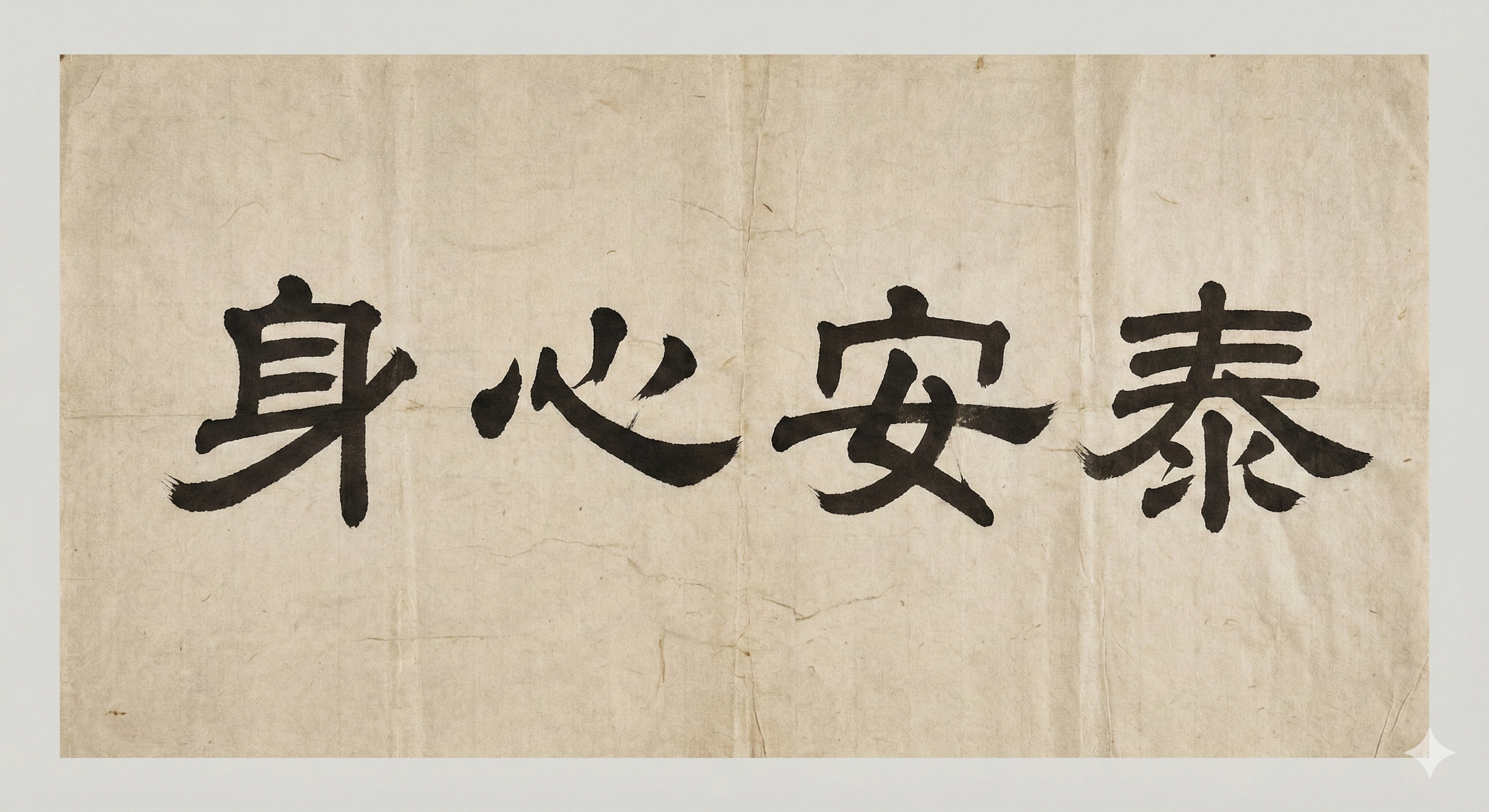
Image Healing: Guided Mandala Viewing - Lesson 247
Choose a mandala with a stable center and clear layers.
The gaze moves slowly from the outside in.
Feel that each layer is supporting the center.
Mandala drawing is not about drawing something, but about watching it. Through watching, you allow your nervous system to relearn stability and connection.
The theme of this lesson's mandala is the core of peace and tranquility, symbolizing the language system's return to the center of security.
◉ One gaze is sufficient; no repetition is required.

Lesson 247: The Psychological and Physiological Mechanisms of Mutism - Guided Drawing
Objective: To show you the true mechanism of "I don't not speak, but I can't express it," and to depict the inner freeze through images.
Steps: Draw three circles: the outer circle represents "environmental stress," the middle circle represents "physical reaction," and the inner circle represents "what you most want to say." When you're coloring, observe which circle is the hardest to paint on; that's where the most intense color is currently frozen.
Please log in before submitting your drawings and feelings.
○ 247. Psychological and Physiological Mechanisms of Mutism: Journal-Guided Approach
① In what situation did I feel a "choking sensation" today? List a specific scenario.
② What did you feel physically at the time? (Heartbeat, sweaty hands, stiffness, hot face, etc.)
③ What thoughts came to my mind? (e.g., "I will be seen," "I will make a mistake")
④ If silence is protection, what is it protecting me from?
⑤ Can I try a non-verbal alternative action? (Nodding, raising a hand, sticking a sticker, etc.)
⑥ Give yourself a gentle reminder: Silence is not failure, but rather the system learning security.
Please log in to use.
Silence doesn't mean you have no voice. Your voice is slowly returning to your body, and you are giving it time.
 EN
EN  ZH
ZH  ES
ES  FR
FR  JA
JA