

Lesson 265: Breaking the Language Perfectionism of "It's Terrible to Say the Wrong Thing"
Duration:70 minutes
Topic Introduction (Overview):
Many people are not incapable of speaking, but are firmly bound by the beliefs that "I must say it right the first time," "I cannot make mistakes," and "I will be laughed at if I say something wrong."
Behind linguistic perfectionism often lies childhood experiences of criticism, ridicule, and shame, or being required to speak cautiously in an insecure environment for a long time.
The purpose of this lesson is to help you, within your physical and mental limits, rediscover the sense of security that "it's okay to make mistakes" and "making mistakes won't bring disaster."
We will use phased practice to shift your language from "check-based expression" back to "natural expression," gradually making you believe:
Expression doesn't need to be perfect; communication is inherently a process of continuous refinement.
Lesson 265: Breaking Free from the "Mistake is Terrible" Language Perfectionism (Click to listen to the reading, view the content)
As language gradually recovers and begins to move towards more open situations, many people are repeatedly held back by a hidden barrier: the perfectionist mentality of "mistakes are disastrous." This state isn't just about pursuing accuracy, but equating every utterance with an irreversible judgment, as if inappropriate word choice, awkward tone, or prolonged pauses will have serious consequences. It's important to understand that perfectionism isn't about high standards, but a safety strategy; it attempts to avoid rejection by doing one's best beforehand. The first step is to recognize this internal rule: when you're about to speak, pay attention to whether the demands of "must say it right, can't stop, must finish in one go" arise in your mind—these aren't facts, but old defenses. The second step is to break down the real consequences of mistakes. Most errors in everyday communication are simply ignored or naturally corrected, rarely having lasting effects. The third step is to deliberately allow minor imperfections—for example, allowing a word to be used imprecisely, allowing a sentence to pause midway, letting the body experience that the world continues after the error occurs. The fourth step is to shift attention from the result to the process: focus on whether breathing is continuous and sound is produced, rather than whether the sentence is beautiful. The fifth step is to use repair rather than remediation: when you realize you've made a mistake, simply correct it or stop instead of rushing to explain, allowing language to return to its natural flow. The sixth step is self-affirmation after practice: tell yourself you've completed an expression, not whether you spoke well or not. The seventh step is long-term perspective reconstruction: the function of language is connection, not display. When connections are established, imperfections in details naturally lose their weight. Breaking down language perfectionism isn't about lowering standards, but about shifting the sense of security from the result back to the process. Only when you allow imperfection to exist will language truly become free and usable.
▲ AI Interaction: Making a mistake is not a disaster, it's a normal part of communication.
You can allow yourself to be imperfect.
You can allow yourself to express yourself in a clumsy way.
Errors are not defects, but evidence that communication actually occurred.
When you practice letting go of the pressure to “get it right the first time,” you regain freedom in language.
Click the button below to let AI help you identify the source of your "language perfectionism" and develop alternative beliefs.
Playing soft, rhythmic music before practice can help the brain shift from "self-monitoring mode" to "flow mode".
○ Western Healing Tea: Warm Apple Cinnamon Tea
Recommended reasons:Cinnamon has calming and warming properties, making it suitable for use before the "Perfectionist Loosening" exercise.
practice:Soak several apple slices and a small piece of cinnamon stick in hot water for 5 minutes.
○ Stable Dietary Therapy - Asari Miso Shiru (ID265)
During the period of loosening language perfectionism, the body needs gentle and non-irritating soothing comfort. The sweetness of clams and the fermentation temperature of miso can help relieve the inner tension caused by excessive self-demands. It is suitable to drink after communication practice, allowing the body to learn to relax in imperfection.
Allow errors
Mild decline
Open Recipe
◉ Asari Miso Shiru
As soon as the clams open in the broth, miso is added, creating a refreshing and balanced savory and sweet broth. The fermented miso, in synergy with the trace elements from the shellfish, promotes diuresis, detoxification, and nourishes the spleen and stomach.
Diuretic and detoxifying Strengthen the spleen and stomach Gentle fermentation
1. Recommended dishes and reasons
Recommended dishes:Asari Miso Shiru (ID 214)
Recommended reasons:The combination of fermentation and minerals can gently regulate the spleen and stomach and promote metabolism.
2. Recipe and Method
Ingredients (Serves 2–3):
- 400 g clams (spit sand)
- 700 ml kelp broth
- 1.5 tablespoons miso
- Chopped green onions
- 1 tablespoon sake (optional)
practice:
- Heat kelp broth to a simmer, add clams and sake, and cook over medium heat until they open.
- After turning off the heat, dissolve the miso in a small amount of hot soup and add it along the side of the pot.
- Sprinkle with chopped green onions and serve; avoid boiling to preserve the flavor and active ingredients.
3. Eating rituals
A glass of warm water before meals.
Drink slowly while warm.
Record abdominal comfort.
4. Experience Record
- Physical sensation (refreshing/full/warm).
- Post-meal mental and digestive scores.
- Record portion sizes and daily fruit, vegetable, and whole grain intake.
5. Tutorial Video (approximately 2–5 minutes)
◉ Video Title:Asari Miso Shiru · Refreshing and balancing
6. Precautions
- Those on a low-sodium diet should choose low-salt miso and reduce the amount used.
- Not suitable for people allergic to shellfish.
hint:Diet therapy is for daily care and does not replace individualized medical treatment. If you have allergies or chronic diseases, please consult a professional first.
○ Suggestions for Chinese Calligraphy and Seal Carving Practice - Lesson 265: Let Expression Return to Relaxation
The seal carving practice in this lesson is designed to help you step back from overexertion and self-judgment, allowing your body to experience a more stable rhythm rather than striving for perfection.
- Introduction to the characteristics of seal carving:
Seal carving does not emphasize symmetry or intricacy, but focuses on the continuity of the knife's feel and the overall spirit, allowing for natural deviations. - Written words:
Do not make trouble in a quiet place - Psychological Intention:
When you let go of the obsession with doing things right, your inner restlessness will naturally calm down, and your expression will become smoother. - Knife skills:
When wielding the knife, avoid excessive trimming; a single, decisive cut is sufficient to leave a natural mark on the stone surface. - Emotional transformation:
Transform the tension of "I can't make a mistake" into "This is already good enough".
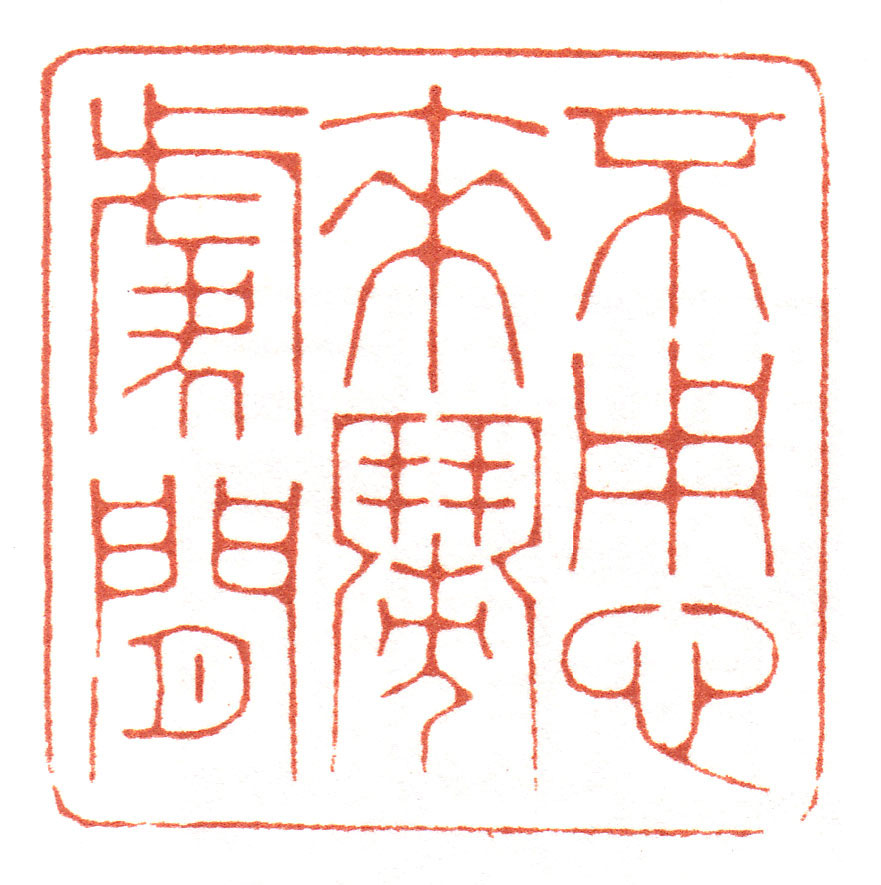
Image Healing: Guided Mandala Viewing - Lesson 265
Choose a mandala with free lines that does not strive for symmetry.
Let your gaze wander freely without trying to find the center.
When you notice any irregularities, pause for a moment and feel your body's reaction.
Mandala is not about drawing something, but about observing. In observing, you practice allowing imperfections to exist peacefully.
The theme of this lesson's mandala is a state of relaxation, symbolizing that when one no longer strives for correctness, language will flow naturally.
◉ One gaze is sufficient; no repetition is required.

Lesson 265: My Language "Allows Imperfection" Sketch
Objective: To loosen the perfectionist chains of language through painting.
step:
① Draw three irregular circles on the paper to symbolize "imperfect boundaries".
② Write down three "language mistakes" that you allow yourself to make inside the circle.
③ Write a calming saying outside the circle: "Making a mistake will not make me lose my value."“
Please log in before submitting your drawings and feelings.
○ 265. A Guide to Loosening Language Perfectionism (Journal)
① What sentence did I worry about saying the most today that I might "make a mistake"?
② Am I overthinking the idea that "making a mistake equals disaster"?
③ Which small mistake actually had no consequences?
④ What "imperfections" did I allow myself to make today?
⑤ What "slightly imperfect expressions" am I willing to practice tomorrow?
Please log in to use.
Language is not an exam; you don't need to get a perfect score.
When you allow yourself to make mistakes, you regain the freedom of expression.
 EN
EN  ZH
ZH  ES
ES  FR
FR  JA
JA