

Lesson 28: How to Maintain Minimal Self-Care During High-Pressure Days
Duration:95 minutes
Topic Introduction: During periods of high pressure, what we are most likely to give up is self-care. However, anxious individuals need "minimum care" the more stressed they are. This is not a luxury, but rather the foundation for maintaining psychological energy and functional life. This course helps you design a "simplified care system"—so that you are not completely disconnected even during your busiest, most tired, and most anxious times.
○ The "Minimum Care" Model: Three Levels
- Body layer:Even if you don't have time to exercise, you should still "take five breaths + drink water once".
- Psychological level:Allowing yourself to "only complete 60%" is a realistic and gentle way of treating yourself.
- Relationship layer:Before the day ends, say "That's enough for today" and stop being so hard on yourself.
Lesson 27: Explain "I'm anxious" to loved ones, not "I'm throwing a tantrum" 🎧 Click to watch/listen to the reading.
In close relationships, anxiety is often the easiest thing to misunderstand. You might become impatient, overreact, suddenly fall silent, or want to escape, but what the other person sees is simply, "Why are you so easily angered?" or "Why are you so difficult to get along with?" Over time, anxiety is labeled as "bad temper" or "emotionally unstable," and the relationship becomes strained due to misunderstandings.
In fact, many behaviors that appear to be temper tantrums are actually due to **anxiety overload**. When the nervous system is in a state of high alert, tolerance decreases significantly, and even small stimuli can trigger strong reactions. This doesn't mean you don't care about the other person; rather, your system simply doesn't have the capacity to process complex interactions.
The problem is that if anxiety isn't clearly articulated, it's automatically translated into aggression, indifference, or rejection. The other person becomes defensive, and you become even more repressed due to guilt or resentment. Thus, what could have been a understandable situation escalates into recurring relationship conflict.
The first step in explaining "I'm anxious" to someone close to you is to do it **in advance, not afterwards**. Don't wait until your emotions explode to explain; instead, in a relatively calm moment, use simple, specific language to say, "When I'm tense or anxious, my reactions may become rapid, and this isn't directed at you." This explanation isn't an excuse for your behavior, but rather provides the context for their understanding.
The second step is to distinguish between feelings and behavior. You can acknowledge the impact of the behavior while explaining the state itself. For example, "My tone was harsh just now, which was unfair to you; but I was actually very anxious and a little out of control at the time." This way, you neither deny the other person's feelings nor reduce yourself to "a person who is prone to anger."
The third step is to give the other person a signal that they can use. You can agree with someone close to you that when you say a certain keyword, it means you need some space or quiet. This isn't about giving the silent treatment, but rather a collaborative approach that prevents the relationship from clashing due to misunderstandings.
At the same time, allow the other person time to understand. Not everyone can immediately distinguish between anxiety and emotional reactions, especially when the relationship is affected. Repeated, consistent, and gentle communication is more important than a single explanation.
When you start describing your state as "I'm anxious," you're also cooling down relationships. You no longer need to express discomfort through defense or outbursts, but rather through verbal warnings. Over time, those close to you will learn to understand your reactions as a state, rather than an attitude.
This doesn't guarantee there will be no more conflict in the relationship, but it can reduce unnecessary harm. Once anxiety is acknowledged, there's no need to pretend it's temper. You can also remain authentic in the relationship instead of constantly blaming yourself or withdrawing.
○ Audio - "One-Minute Self-Regression" Micro-Care Exercise
Please play the audio and follow along:
- Close your eyes and whisper, "I am here now."“
- Inhale for 4 seconds, exhale for 6 seconds.
- Touch your chest with your hand to make sure you are still there.
○ Oriental Tea Therapy: Jasmine Dragon Pearl Refreshing and Calming Tea
Recommended reasons:Suitable for those working under high pressure. Jasmine soothes the nerves, while dragon pearls invigorate. The aroma helps restore awareness and prevents a "mechanical" daily routine.
practice:Take 3 grams of dragon pearls and a few jasmine flowers, steep in hot water for 2 minutes, close your eyes and smell the aroma before drinking.
○ Dietary Recommendation: Tomato, Tofu, and Egg Drop Soup
Under high pressure, the gastrointestinal tract is prone to tension. Tomatoes aid digestion, tofu balances acidity and alkalinity, and eggs replenish energy. A bowl of hot soup is like a "pause button" for the body.
Healing Recipes
/home2/lzxwhemy/public_html/arttao_org/wp-content/uploads/cookbook/tomato-tofu-egg-drop-soup.html(Alternatively, you could try relaxed="1" or use an existing filename.)○ Humanist Script of the Italian Renaissance - Lesson 28 Writing Exercises
Today's healing phrase:
Smooth and unhindered
In-depth analysis:
In high-pressure times, perfect self-care can become a new burden. The gentle rhythm of Humanist Script serves as a reminder: Minimal care is also genuine and effective care.
Writing Skills (Advanced Version):
- Short sentences on a single line:Reduce the pressure to complete tasks.
- Light pressure:Avoid consuming extra energy.
- Slightly wider line spacing:It symbolizes "allowing for slowness".
- Stop when finished:No additional tasks will be added.
- Once a day:Maintain the lowest possible pace.
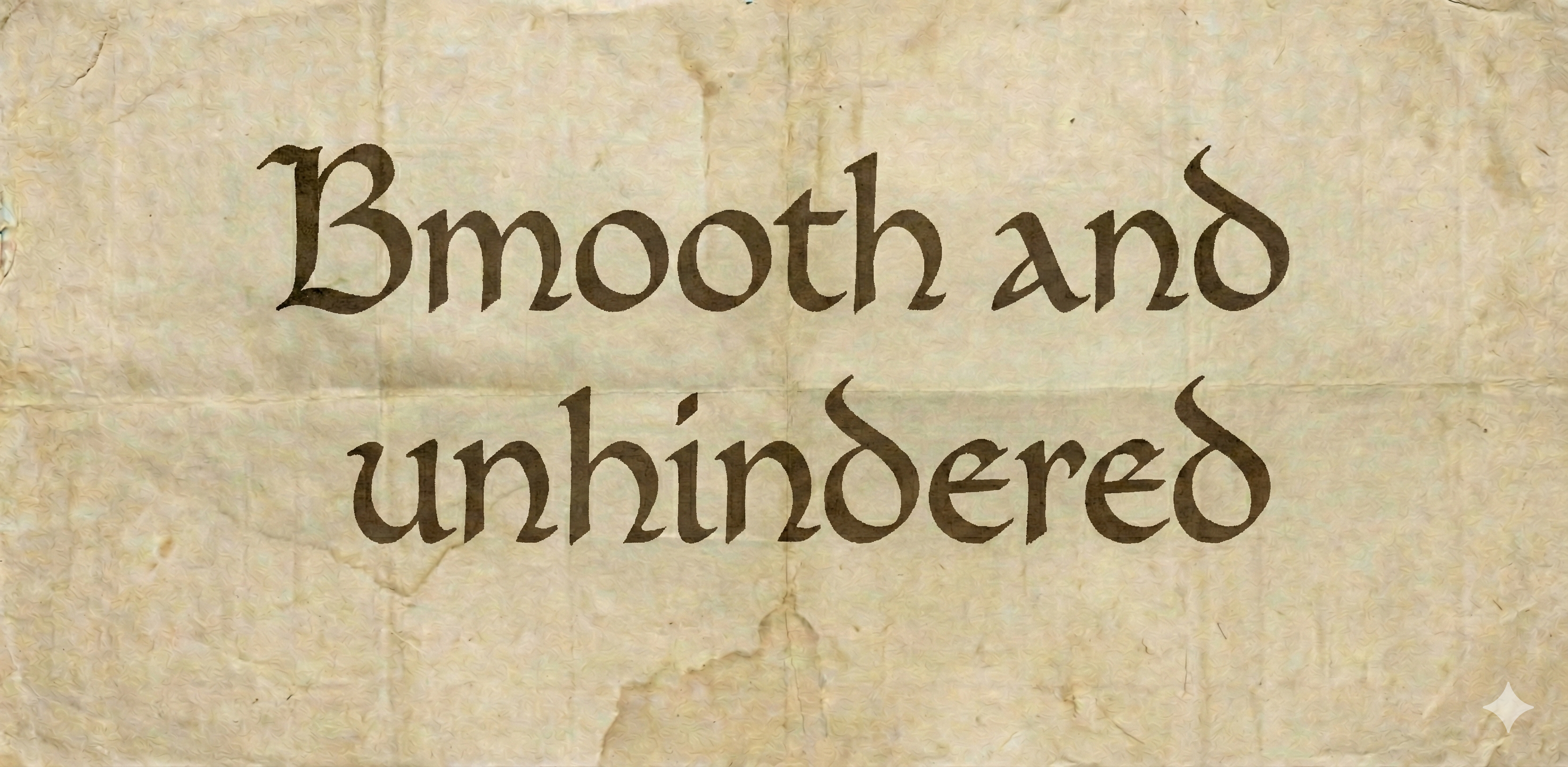
Image Healing: Mandala Stability Guidance 28
Each layer of geometry is a dialogue: you and yourself, you and the world, you and anxiety. Let it be seen, let it be understood, and it will eventually quiet down. Like the wind in the night, only warmth remains. Keep gazing, keep breathing, and peace is approaching.

Lesson 28: How to Maintain Minimal Self-Care During High-Pressure Days
Objective: To help maintain "micro-care" during periods of extreme stress, preventing oneself from completely collapsing.
Steps: Draw an "energy storage jar" and write down small, feasible daily actions: drink water, wash your face, stand in the sunlight. Use gold or orange accents to symbolize energy accumulation. Below the drawing, write a self-commitment: "Even if I can only do a little today, that's enough."“
Please log in before submitting your drawings and feelings.
○ 28. High-Pressure Care: Journaling Guidance Suggestions
① What was the most nerve-wracking moment for me today?
② Did I allow myself to rest for even a minute at that time?
③ Did I drink water/take deep breaths/eat a hot meal today?
④ Which "minimum care action" would I be willing to keep for myself?
⑤ The comforting sentence I want to write to myself is: "________".
Please log in to use.
In high-pressure times, the smallest care is the greatest source of resilience.
 EN
EN  ZH
ZH  ES
ES  FR
FR  JA
JA