

Lesson 297: Overcoming the Feeling of Emptiness and Inner Numbness
Duration:70 minutes
Topic Introduction (Overview):
In the recovery process from major depressive disorder, feelings of emptiness and numbness are often more painful than the low mood itself.
You may appear normal and continue living your life, but inside it feels like a part of you has been hollowed out.
Feelings become dulled; joy cannot enter, nor can sadness be felt; only a silent, gray sense of existence remains.
This state is not one of coldness or "lack of emotion," but rather a state of mind and body that develops under prolonged stress.“"Protective Off Mode"”:
When the emotional system becomes overly fatigued, the brain automatically shuts down some sensory channels to prevent further harm.
But at the same time, it also blocks connection, motivation, desire, interest and warmth, making you feel like you're disconnected from yourself.
This lesson will help you understand the psychological and neural mechanisms of the feeling of emptiness, through a series of subtle exercises—
Examples include sensory awareness techniques, micro-movements, tactile arousal, micro-emotional labeling exercises, and flexibility training.
It gradually helps you go from "not being able to feel" back to "being able to feel slightly", thereby reconnecting you with life.
The feeling of emptiness is not the end, but a quiet transitional zone before recovery.
Lesson 297: Overcoming Emptiness and Inner Numbness (Click to listen to the reading, view the content)
A feeling of emptiness and inner numbness doesn't mean you have no emotions. It's more like a self-protective mode that your emotional system enters after long-term depletion. When stress lasts too long, the brain temporarily lowers strong feelings to prevent you from being overwhelmed by pain. As a result, you experience a hollow, dull feeling, like living through glass, unable to muster any enthusiasm for anything, even sadness seems distant. This isn't you becoming indifferent; it's your system maintaining operation with minimal energy consumption. The first step out of numbness isn't forcing yourself to be happy, but rather bringing your senses back to your body. Numbness is often accompanied by a disconnection in bodily sensations. You can start with the simplest three-point positioning: the feeling of your feet touching the ground, the rise and fall of your breath, and the temperature changes in your fingers. Hold each point for only ten seconds, without judgment or explanation, just for confirmation. When you can steadily feel these faint signals, you are bringing yourself back from a floating state to reality. The second step is to establish small, definite echoes, allowing the system to regain confidence that actions will produce feedback. The biggest trap when numb is waiting to feel something before doing anything, but the path to recovery is the opposite. You need to do very small things first to get a response from the world, such as opening the curtains to let light into the room, drinking a sip of warm water to feel the temperature in your throat, or folding a piece of clothing to visually show order. These small echoes will gradually reactivate the closed circuits. The third step is to allow emotions to return in a very gentle way. Don't pursue intense emotions; just allow a little preference to emerge. Do you prefer sitting in a chair or on the sofa today? Do you prefer quiet or rhythmic sounds? Preferences are the embryonic form of emotions. When you respect your preferences, you are telling yourself, "I am still alive; I still have choices." Finally, remember that emptiness is not the end; it is a period of dormancy after overexertion. What you need to do is not to pull yourself up, but to replenish the system with safety and energy through gentle, continuous actions. When the body feels supported again, when actions re-emerge, and when preferences reappear, numbness will slowly dissipate like fog. You will suddenly find yourself able to feel a little bit of reality again on an ordinary morning, and that is the beginning of recovery.
▲ AI Interaction: Where does my "hollowness or numbness" come from?
Enter your recent feelings (e.g., emptiness, powerlessness, inability to be moved, lack of interest, feeling invisible). AI will help you:
① Analyze your type of emptiness (emotionally closed/feeling exhausted/overly repressed/avoidant/protective)
② Identify the link in the current "sensory system" that is being blocked.
③ Provide 3 "executable micro-awakening exercises"“
④ Help you establish a transition path from numbness to subtle sensations to light connections.
○ Musical Guidance: Slow String Music to Awaken Inner Warmth
Choose warm, deep string or piano music without a clear climax, allowing your body to gradually develop "micro-sensations" within it.
practise:
After the music starts, pay attention to which part of your body first feels a slight sensation.
It could be a slight warmth in the chest, warming of the palms, sore eyes, or a feeling of heaviness in the throat...
These are all signs that the numbness is loosening.
○ Western Healing Tea: Rose & Oatstraw Gentle Warmth Tea
Recommended reasons:The gentle scent of roses can gently awaken the emotional system, while oat grass stabilizes the nerves, allowing numbness to slowly and safely dissipate.
practice:Steep 2-3 dried rose petals and a small amount of oat grass in hot water for 5 minutes.
○ An Ding Dietary Therapy - Eucommia and Beef Bone Soup (ID297)
Hollowness and numbness often indicate that the body is in a state of deep depletion and insufficient support. Eucommia ulmoides warms and nourishes kidney qi, helping to restore internal support. Beef bone soup slowly and continuously replenishes minerals and collagen, allowing the nervous system to regain a sense of secure weight in its warmth and richness. This soup is suitable for drinking in the evening or morning, using time and temperature to gradually bring you back to your body, allowing you to return from floating to solidity, from numbness to sensation.
Internal support
Warmth recovery
Open Recipe
◉ Eucommia ulmoides and beef bone soup
Eucommia ulmoides nourishes the liver and kidneys, strengthening bones and tendons; while beef bones are rich in collagen and minerals. This rich, fragrant, and mellow soup is ideal for those experiencing weak waist and knees, or those who sit or stand for extended periods of time.
Nourishes the liver and kidneys Strengthen waist and knees Nourishes bones and muscles
1. Recommended soups and reasons
Recommended soups:Eucommia ulmoides and beef bone soup (ID 99)
Recommended reasons:Nourishes the liver and kidneys, strengthens the waist and knees, and relieves soreness and fatigue.
2. Recipe and Method
Ingredients (Serves 3–4):
- 900 g beef bones (chopped and blanched)
- Eucommia ulmoides 12 g (crushed)
- 4 slices of ginger
- 2.8 L of clean water
- 10 ml cooking wine (optional)
- a pinch of salt
practice:
- Blanch the beef bones to remove any blood foam. Add water to a casserole, add the beef bones and ginger slices (and cooking wine), bring to a boil over high heat, then simmer for 120 minutes.
- Add Eucommia ulmoides and simmer for 15-20 minutes, then season.
3. Small rituals for body and mind
Do 1 minute of back stretching before drinking.
Drink the soup first and then eat the meat, served with stir-fried vegetables.
The waist and knee soreness scores were recorded.
4. Experience Record
- Physical sensation (warmth/fullness/comfort).
- Chill intolerance and physical strength score.
- Record today's soup intake and other dietary combinations.
5. Tutorial Video (approximately 3–6 minutes)
◉ Video Title:Eucommia ulmoides and beef bone soup nourishes bones and muscles
6. Precautions
- Pregnant women and people with chronic diseases should follow the doctor's advice when using Eucommia ulmoides.
- People with hyperlipidemia should limit the amount of oil skimming.
- Reduce the frequency of bone soup during gout period.
hint:Diet therapy is daily care and does not replace individualized medical treatment.
○ Modern Calligraphy · Lesson 297 Writing Practice Suggestions
In-depth analysis:
The most common problem in a state of numbness is not writing poorly, but being unable to put pen to paper because you have no expectation or desire for lines. The value of modern art calligraphy lies in its ability to allow you to reconnect with your senses through minimal movement, starting from a state of numbness. When you are willing to let lines appear, even if they are faint and short, you are telling yourself that you can still have a little connection with the world. Writing is not about expressing emotions, but about using a channel to awaken them.
Writing Techniques (Awakening Version):
- Low-pressure light touch:Use the lightest pen pressure to draw lines, allowing your hand to adjust to the tactile feedback. Aim for appearance rather than beauty.
- Single repetition:Choose the simplest form and write it repeatedly, such as an arc, a small circle, or a short horizontal line. Build resonance through repetition.
- Slow continuous writing:Reducing pauses and connecting strokes slowly, one after another, allows the nervous system to perceive continuity, returning from disconnection to coherence.
- Leave space for breathing:After writing each set of text, pause for two seconds and glance at the blank space. Treat the blank space as a safe space, not as emptiness.
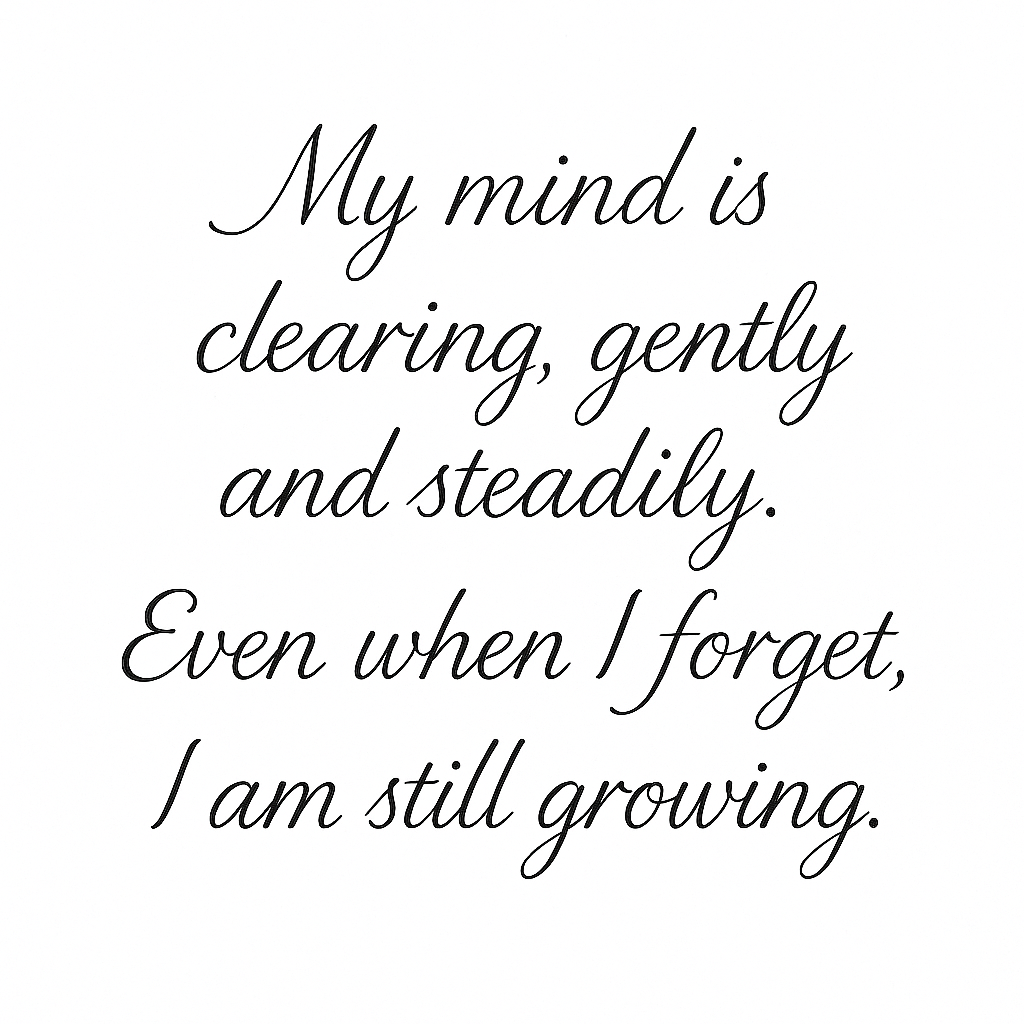
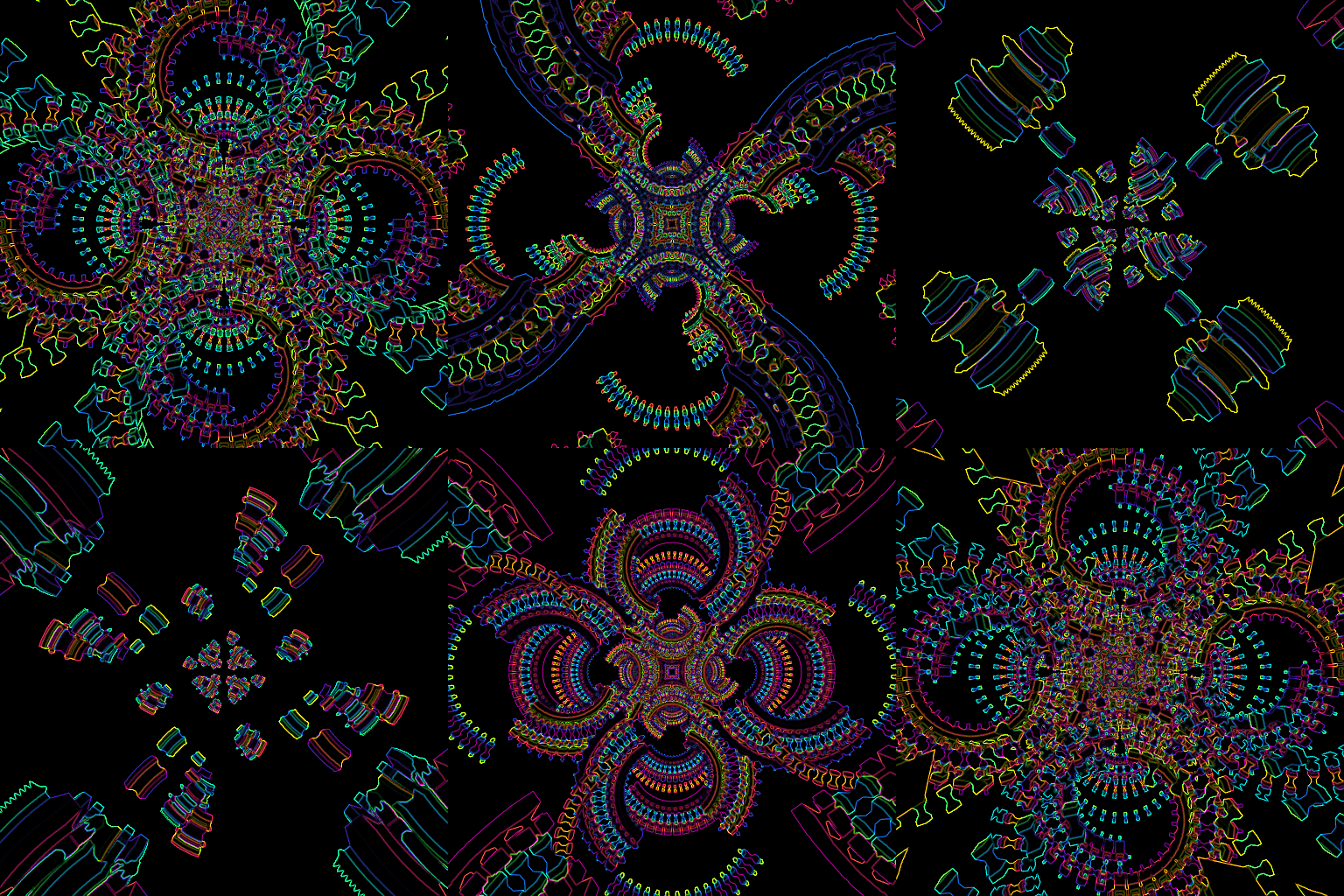
Image Healing: Mandala Stability Guidance 297
When you feel empty and numb, please choose a mandala with a clear center and unfolding outer layers. First, focus your gaze on the center point and hold it for three breaths. You don't need to understand it, just hold it. Then, let your gaze slowly move outward along the concentric circles, as if gently unfolding yourself from the empty center. If your attention wanders, return to the center point and start again. You will find that the repetition of the structure is building stability for you. When you can see a complete path, you are reconnecting the internal fractures back to continuity.
Traditional mandalas typically feature a harmonious and intricately varied circular structure, symbolizing wholeness and the cycle of life. By viewing mandala images, individuals can perceive inner peace and strength, achieving psychological balance.
◉ Gaze at the mandala twice while taking deep breaths.
Lesson 297: Micro-sensory Awakening Drawing Exercises
Purpose:It helps you rediscover the "weakest signals" of your body and emotions.
step:
① Draw a hollow circle to represent the "current feeling of numbness".
② Draw 5 small dots outside the circle and write the following on them: temperature, pressure, touch, breathing, and heartbeat.
③ Close your eyes and feel for 5 seconds. Which one will give you the "slight sensation" first?
④ Circle that small dot with a bright color.
⑤ Write a sentence next to it: Feelings begin to revive from here.
Please log in before submitting your drawings and feelings.
○ 297. Log Guidance
① Where was the most noticeable feeling of emptiness or numbness today? (Chest/Stomach/Head/Whole body)
② Which scenario most often triggers this sense of emptiness?
③ Did I feel anything “slightly different” today?
④ Which tiny movement makes me feel alive, even just a little bit?
⑤ What is the next step I am willing to take to restore my feelings?
Please log in to use.
Hollowness is not emptiness, but rather your inner self resting; feelings will slowly return to you.
 EN
EN  ZH
ZH  ES
ES  FR
FR  JA
JA