

Lesson 313: From Self-Deprecation to Gentle Acknowledgment
Duration:70 minutes
Topic Introduction (Overview):
In a state of depression, self-denial is often an "automatic response":
You've clearly tried your best, but you only see the parts of yourself that you "didn't do well."
You try to comfort yourself, but you're always overwhelmed by voices saying "You can't do it" or "You always fail."
This self-denial is not your true thought, but rather a feeling formed under long-term stress, trauma, and experiences of failure.
“The "internal critic model." It amplifies mistakes, filters out successes, and ignores your efforts.
It makes you mistakenly believe that "I am really not worth it".
But recovery isn't about forcibly suppressing negativity; it's about relearning a gentle form of acceptance.
Acknowledge your feelings, acknowledge that the difficulties are real, and acknowledge that you are already doing your best.
Acknowledgment itself is the beginning of healing.
This lesson will guide you from "automatic self-blame" to "self-understanding".
It allows you to practice talking to yourself in a gentler way and build a new inner response system.
Lesson 313: From Self-Deprecation to Gentle Acknowledgment (Click to listen, read/view content)
Self-doubt is often not because you're truly inadequate, but rather an internal protective mechanism formed during long-term stress, comparison, or traumatic experiences. It attempts to avoid further disappointment or hurt by preemptively belittling yourself. Over time, this voice becomes very familiar, almost like a genuine self-evaluation, making it difficult to acknowledge your efforts and existence in any situation. Moving from self-doubt to gentle acknowledgment doesn't mean instantly becoming confident, but rather learning to stop hurting yourself. The first step is to identify automatic patterns of negativity. You can pay attention to recurring internal phrases such as "I can't do it well," "I'm not worthy," and "I'll definitely fail." These are not facts, but reflections left by past experiences. The second step is to replace justification with acknowledgment. Gentle acknowledgment doesn't require refuting negativity, but rather giving an honest response to the current situation, such as "I'm really having a hard time right now," "I'm trying my best," and "This step wasn't easy for me." When you acknowledge instead of arguing, internal tension will significantly decrease. The third step is to shift your focus from evaluation to facts. Instead of judging yourself, see what you've done and what you've endured. Factual observation helps the brain detach from moral judgment. The fourth step is to practice maintaining consistent kindness towards yourself. Gentleness is not indulgence, but rather maintaining self-respect even in the face of failure, stagnation, or regression. When this attitude is repeatedly experienced, the voice of self-doubt gradually loses its dominance, and a more stable and authentic relationship with oneself slowly develops.
▲ AI Interaction: Why do I always doubt myself?
AI will help you:
① Find the root cause and formation mechanism of self-denial
② Distinguish between "emotional conclusions" and "the facts themselves".“
③ Practice gentle language substitution
④ Develop today's "self-acknowledgment practice"“
○ Audio - Gentle Acknowledgment Exercise
Play the audio and perform the "self-acceptance activating" training:
- Place one hand on your abdomen and feel the rise and fall of your breath.
- Listen to the rhythm in the audio with your eyes closed, without making any judgments.
- Whisper to yourself, "I'm already enduring it." Simply acknowledge it; there's no need to change it.
○ Chinese Tea Drinks: Rose and Red Date Soothing Tea
Recommended reasons:Roses soothe the liver, relieve depression, and calm emotions; red dates replenish qi and nourish the heart.
It is especially suitable for emotional patterns characterized by long-term self-blame, chest tightness, and frequent sighing.
It helps to release inner tension, criticism, and resentment.
practice:Steep 6 rosebuds and 3 red dates in boiling water for 8 minutes. Drink 1 cup daily.
○ Stable Dietary Therapy - Olive Oil Roasted Vegetables (ID313)
During periods of heightened self-doubt, the body often experiences both tension and fatigue. The gentle warmth of olive oil and the natural freshness of vegetables provide nourishment without adding burden. This nourishing dish symbolizes simple and authentic provision, reminding you that it doesn't need additional proof and deserves to be cherished.
Gentle Admit
Stable nourishment
Open Recipe
◉ Roasted Vegetables with Olive Oil
Zucchini, bell peppers, carrots, and onions are tossed with olive oil and herbs, then roasted until lightly caramelized and fragrant.
Rich in fiber Vanilla fragrance Color Balance
1. Recommended dishes and reasons
Recommended dishes:Olive Oil Roasted Vegetables (ID 165)
Recommended reasons:Olive oil promotes the absorption of fat-soluble nutrients; medium-temperature roasting enhances the sweetness and taste of vegetables.
2. Recipe and Method
Ingredients (Serves 2–3):
- 1 zucchini (rolled)
- 2 bell peppers (pieces)
- 1 carrot (slice)
- 1/2 onion (clove)
- 1.5 tablespoons extra virgin olive oil
- 1/2 tsp dried thyme/rosemary
- A pinch of black pepper
- 1/6 teaspoon salt (or not)
practice:
- [Preheat] Preheat the oven to 210℃; line the baking tray with baking paper.
- [Mix well] Mix the vegetables with the olive oil, herbs and pepper, and spread them into a single layer as much as possible.
- [Baking] Bake on the middle layer for 18-22 minutes, turning once halfway through, and it is done when the edges are slightly caramelized; add a very small amount of salt as needed after taking it out of the oven.
3. Eating rituals
Start by tasting the different vegetables for the difference in sweetness.
Record changes in the tenderness/softness of the mouth.
Evaluate the satiety curve by pairing with staple food.
4. Experience Record
- Physical sensation (refreshing/full/warm).
- Post-meal mental and digestive scores.
- Record portion sizes and daily fruit, vegetable, and whole grain intake.
5. Tutorial Video (approximately 3–6 minutes)
◉ Video Title:Olive Oil Roasted Vegetables · Sweet and Flavorful Layers
6. Precautions
- Those who need low sodium can omit salt.
- If you are sensitive to herbs, switch to black pepper + lemon zest.
- If you want it to be crispier, you can extend it for another 2-3 minutes and observe the coloring of the edges.
hint:Dietary therapy is for daily care and does not replace individualized medical treatment. If you have food allergies or chronic diseases, please consult a doctor first.
○ Seal Carving Practice Suggestions - Lesson 313: From Self-Doubt to Gentle Acknowledgment
The seal carving exercises in this lesson aim to help you shift your focus from self-criticism to reality, experiencing self-acknowledgment without belittling or exaggerating through a stable and powerful carving process.
- Introduction to the characteristics of seal carving:
Seal carving requires each stroke to be clear and unreversible, which helps to establish a sense of respect for one's own actions and existence. - Written words:
Maintain the heart of a gentleman and act like a man of integrity. - Psychological Intention:
Writing about having the heart of a gentleman and acting like a hero is a practice of maintaining integrity and gentleness internally, while being responsible in action. - Knife skills:
The pause before striking symbolizes recognizing the location and direction of the knife, and is a way of being aware of one's own self-evaluation before responding to it. - Emotional transformation:
Transform self-deprecation into a focus on the true direction of lines, allowing acknowledgment to return to reality.
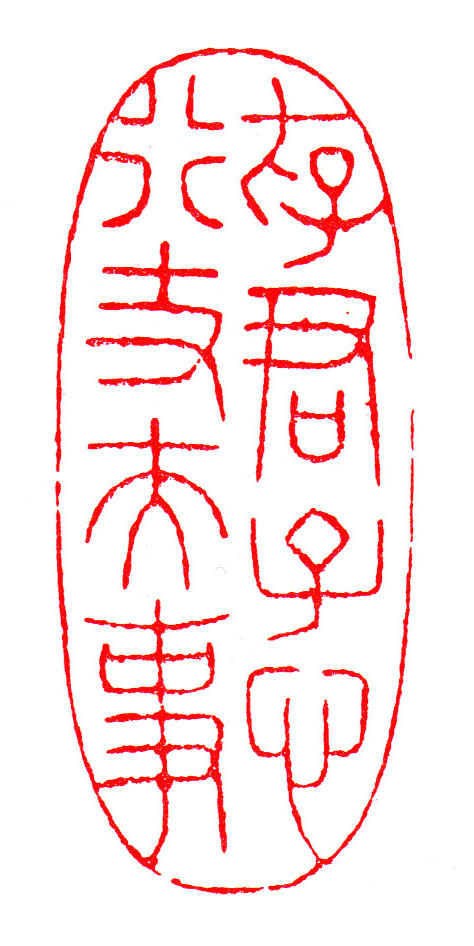
Image Healing: Guided Mandala Viewing 313
Please choose a set of mandala images with a clear center and soft lines to view. Focus your attention on the center and experience a state of non-judgment. Whenever self-doubt arises, simply bring your gaze back to the center of the image and practice gently but firmly acknowledging that you are here.
The central structure of a mandala helps establish an inner point of stability, shifting the self-relationship from denial to acceptance.
◉ Gaze at the mandala twice, while taking deep breaths.

Lesson 313: Draw the reason why I deserve to be treated gently.“
Purpose:It helps you to see your own value concretely, rather than abstractly thinking "I should be better".
step:
① Draw a small circle in the center of the paper and write your name on it.
② Draw four quadrants around the perimeter: Effort, Pain, Perseverance, and Growth.
③ In each quadrant, write down 3 reasons why I deserve to be treated gently.
④ Finally, draw a soft halo around the outer edge, symbolizing that you are finally willing to accept yourself.
Please log in before submitting your drawings and feelings.
○ 313. Log Guidance
① What is the self-negating sentence that I use most often today?
② What is it really trying to protect me from? (Fear? Anxiety? Fear of failure?)
③ What would it be if I expressed it in gentler language?
④ Why did I work so hard in the past? What am I willing to admit?
⑤ Write a sentence:
I am learning to stop attacking myself.
Please log in to use.
Gentleness doesn't make you weak; it helps you grow back to your true self.
 EN
EN  ZH
ZH  ES
ES  FR
FR  JA
JA