

Lesson 320: Summary and Consolidation: The Integrated Path to Depression Recovery
Duration:75 minutes
Topic Introduction (Overview):
By lesson 320, you have completed a full emotional recovery path:
From understanding depression, to rediscovering the body, sleep, social interaction, and sense of meaning, and then to establishing hope and direction for the future.
Recovery from depression is less of a "battle" and more of an "integration" process.
Integrate the body, integrate emotions, integrate experiences, integrate values, and integrate the future.
Many people believe that "ending the course equals complete recovery," but true recovery often involves:
● Recognize your own sensitivities
● Identify early signs of relapse
● Maintain a gentle attitude towards yourself
● Continuously adjust your lifestyle
● Establish small, sustainable habits
● Find your center even amidst fluctuations
Recovery from depression is not a straight line, but a spiral that rises with repeated setbacks.
This lesson will bring together all the strength you've built up between 302 and 319, allowing you to move forward with a more solid and integrated inner capacity.
You are not "going back to the past", but becoming a more complete and self-aware version of yourself.
Lesson 320: Summarizing and Consolidating the Integrated Path to Depression Recovery (Click to listen/read/view content)
Reaching this point in the recovery phase doesn't mean all problems are solved, but rather that you've traversed a real and challenging path. Recovery from depression isn't about completely eradicating a particular symptom, but about gradually building an internal system that can support your long-term life. Looking back, you may have experienced setbacks, stagnation, doubt, or even brief regressions, but these experiences have helped you learn how to understand and care for yourself, and how to move forward despite imperfections. The first step in integrating recovery is acknowledging that you've changed. Change isn't always obvious; it might manifest as earlier awareness of emotions, a greater willingness to seek help, less self-blame, or choosing to pause rather than push through difficulties. These are all evidence that recovery is underway. The second step is integrating the learned methods into your daily life, rather than treating them as emergency tools. Whether it's emotion journaling, physical regulation, boundary building, or self-talk, they only truly become a part of you when repeatedly used in daily life. The third step is accepting the openness of recovery. Low points may still occur in the future, but you are no longer unprepared. You have the ability to recognize signals, adjust your pace, and seek support again. The fourth step is viewing recovery as a long-term relationship, not a task. Your relationship with yourself determines whether recovery can be sustained. Integration truly occurs when you learn to treat yourself with respect, patience, and honesty. Remember, recovering from depression is not about returning to your past self, but about becoming someone who better understands vulnerability and knows how to care for the present moment. This path continues, and you are already on it.
▲ AI Interaction: Integrating Your Emotional Recovery Map
AI will help you:
① Summarize your key progress over the past few weeks/months
② Identify your most effective recovery tools (physical, cognitive, interpersonal, meaning, etc.)
③ Mark your "weak areas" and "stable areas"“
④ Create your own "Depression Recovery Map"
⑤ Design a consolidation plan for the next 30 days.
○ Audio - Integration and Stabilization Exercises
Play the audio and perform "recovery and integration" training:
- Sit comfortably and feel the connection between your feet and the ground.
- Listen to the rhythm of the audio and reflect on an important moment in your life.
- I whispered to myself, "I'm already on my way, and I will keep going."“
○ Chinese Tea Drinks: Licorice and Red Date Harmonizing and Calming Tea
Recommended reasons:The consolidation phase of recovery from depression requires "smooth breathing, a stable mind, and a peaceful spirit."
Licorice harmonizes the body, while red dates replenish qi and blood, making it the perfect ending to the "path of integration".
This tea can help you return to a calm state from tension, fatigue, and emotional fluctuations.
It symbolizes that you have the ability to recover on your own.
practice:Add 5 red dates and a little licorice root, simmer over low heat for 10 minutes.
○ Stable Dietary Therapy: Longan, Lotus Seed, and Lily Bulb Soup (ID320)
During the recovery and integration phase, the body needs gentle and inclusive nourishment. Longan nourishes the heart and spleen, while lotus seeds and lily bulbs calm the mind and soothe the nerves. This soup is suitable for consumption after a period of reflection or emotional fluctuations, helping the body return to a gentle and stable state. It symbolizes that integration is not about forcefully tightening, but about gently embracing.
Long-term stability
Warm and nourishing
Open Recipe
◉ Chinese Medicine Dietary Therapy: Longan, Lotus Seed, and Lily Soup
Longan nourishes the heart and spleen, lotus seeds strengthen the spleen and calm the mind, and lilies moisten the lungs and soothe the nerves. Cooking all three together creates a sweet, mellow soup suitable for those suffering from restlessness, insomnia, or mental overwork.
Nourishing the heart and calming the mind Improve insomnia Warm and soothing
1. Recommended soups and reasons
Recommended soups:Longan, Lotus Seed and Lily Soup
Recommended reasons:Nourish the heart and calm the mind, relieve anxiety, improve insomnia and forgetfulness.
2. Recipe and Method
Recipe (Serves 3–4):
- 20 g longan meat
- 50 g lotus seeds (core removed)
- 20–30 g dried lily bulbs (or 80 g fresh lily bulbs)
- 1.8 L of clean water
- A little rock sugar (optional)
practice:
- Soak lotus seeds and dried lily bulbs for 30–60 minutes in advance.
- Add water to a pot, add lotus seeds and lilies, boil over high heat, then simmer for 30 minutes.
- Add longan and a small amount of rock sugar and cook for another 5-8 minutes.
- Drink warm, preferably 1 hour before bedtime.
3. Small rituals for body and mind
Take half a bowl of warm water 1 hour before bedtime.
Put down the screen and do 5 minutes of abdominal breathing.
The time it took to fall asleep and the number of awakenings during the night were recorded.
4. Dietary Therapy Experience Record
- Physical sensation (warmth/relaxation/fullness).
- Mental and emotional (stability/focus).
- Record the ratio of today's soup to other staple foods.
5. Tutorial Video (approximately 5–8 minutes)
◉ Video Title:Longan, lotus seeds and lily soup - soothing and good sleep
6. Precautions
- People with diabetes or those controlling their sugar intake should reduce (or avoid) adding sweetness.
- People with damp heat and sticky mouth should not eat too sweet food.
- Follow doctor's advice during pregnancy.
hint:Diet therapy is daily care and cannot replace individualized medical treatment. If you have underlying diseases or long-term medication, please consult a doctor first.
○ Seal Carving Practice Suggestions · Lesson 320: Summary and Consolidation
The seal carving exercises in this lesson are designed to help you integrate through review, confirming the path you have already taken through a steady and continuous knife-carving process.
- Introduction to the characteristics of seal carving:
Seal carving emphasizes overall layout and patient progress, making it suitable for bearing the weight of a long journey. - Written words:
Walking and feeling conflicted - Psychological Intention:
Writing about the many setbacks along the way is an acknowledgment of the real journey. Moving forward is not always smooth, but it is still worth continuing. - Knife skills:
Maintaining a steady rhythm, without disrupting the overall picture due to minor adjustments, symbolizes inclusivity in retrospect. - Emotional transformation:
Transform your anxieties about regrets and shortcomings into respect for the process, and let experience become your support.
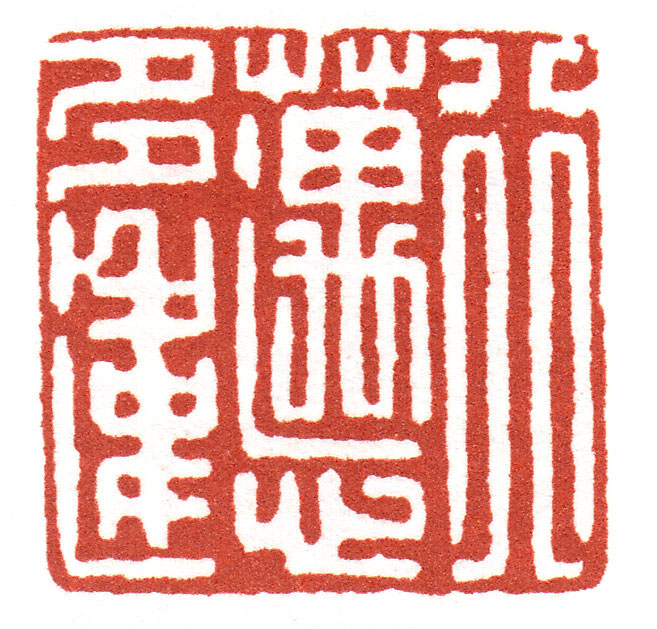
Image Healing: Guided Mandala Viewing 320
Please select a set of mandala images with a complete structure and a clear center for viewing. First, gaze at the center to feel a sense of wholeness, then slowly look around at the entire image, allowing it to help you integrate this stage of your experience.
The complete structure of a mandala helps the brain form a sense of closure, providing a stable and open conclusion to this stage of recovery.
◉ Gaze at the mandala twice, coordinating with natural breathing.

Lesson 320: Charting Your "Path to Integration"
Purpose:It helps you integrate all the power of 302–319 into a clear path to the future.
step:
① Draw a spiral on the paper.
② Write down the skills you have learned on the outer circle: relaxation, self-compassion, sense of meaning, social safety zone, etc.
③ Write down your most stable strengths in the inner circle: sleep, rhythm, body awareness.
④ Write the sentence in the center: "I can continue to recover."“
⑤ At the outermost end of the spiral, draw a small arrow pointing to the future.
Please log in before submitting your drawings and feelings.
○ 320. Log Guidance
① What are the three most noticeable changes in me over the past 30 days?
② What “sustainable recovery capabilities” do I already possess?
③ Which emotions or behaviors still require me to treat gently?
④ To consolidate my recovery, what "micro-habits" do I want to establish over the next 30 days?
⑤ Write a sentence:
I don't need to be perfect, I just need to keep moving forward.
Please log in to use.
This is not the end, but a new beginning. You now have all the foundation to continue living.
 EN
EN  ZH
ZH  ES
ES  FR
FR  JA
JA