

Lesson 43: The Body's Response Mechanisms to Social Anxiety
Duration:90 minutes
Topic Introduction:When we feel nervous, blush, sweat, and have a racing heart in social situations, it's not because we're "making a fool of ourselves," but because our bodies are executing an ancient survival program—the fight-or-flight or freeze response. This lesson helps you understand how your body reacts to social anxiety and learn to gently readjust your nervous system so that your body no longer perceives "the gaze of others" as a threat.
○ The physical loop of social anxiety
- 1. Alertness Activation:The amygdala misinterprets being "seen" as danger and releases adrenaline.
- 2. Physical stress:Heart rate rises, breathing becomes shallow, muscles tense, entering a "fight or flight" state.
- 3. Excessive self-awareness:Anxious individuals become even more panicked after sensing these changes, creating a vicious cycle.
○ Key strategies for restoring body balance
- Prolonged breathing:Each respiratory cycle is prolonged to 6-8 seconds, activating the parasympathetic nervous system.
- Grounding techniques:Pay attention to the contact between your feet and the ground, and shift your body's center of gravity downwards.
- Gentle awareness:Instead of fighting against the body, use gentle attention to ease tension.
Lesson 43: The Body's Response Mechanism to Social Anxiety 🎧 Click to watch/listen to the reading
When you find yourself in a crowd or are called upon to speak, your body often reacts before your reason. Your heart feels like it's going to leap out of your chest, your palms sweat, your throat feels like it's being choked by an invisible hand, your face burns, and even your stomach churns. Many people with social anxiety are not most afraid of socializing itself, but rather of these uncontrolled physiological reactions. In fact, this isn't your body working against you; quite the opposite, it's doing its utmost to protect you. This mechanism originates from the survival instinct of ancient humans and is known as the "fight or flight" response. When our amygdala detects a threat—here, it mistakenly equates "the gaze of others" with "the stare of a predator"—it instantly issues a level-one alert to the body. Adrenaline surges, blood rushes from the internal organs to the limbs for escape, causing cold hands and feet and stomach discomfort; breathing becomes rapid to obtain more oxygen, leading to chest tightness and dizziness; and the skin's blood vessels dilate to dissipate heat, making you appear flushed. The problem is that this life-saving mechanism in the primeval jungle becomes a burden in modern social situations. Worse still, we generate a "secondary fear" of these reactions: you feel blushing, worry about others seeing through your nervousness, leading to even greater anxiety, intensified blushing, and a vicious cycle. The first step to breaking this cycle is recognizing your body's lies. Remember, while these intense reactions are extremely uncomfortable, they are absolutely safe; they won't make you faint or go crazy. They are simply false alarms. Next time your heart races, try telling your body, "Thank you for protecting me, but I'm safe now and don't need to run away." Accept your body's tremors instead of trying to suppress them, and the storm will subside more quickly.
▲ AI Interaction: Listening to the Body's "Alarms"“
When social anxiety strikes, the body often reacts before the mind: blushing, trembling hands, stomach pain.
We're used to disliking these reactions, but they're actually our bodies trying to protect us.
Try talking to AI about the most common anxiety signals your body sends.
We can practice interpreting these signals not as "disasters," but as neutral "energy."
Learn to live with your body’s reactions, rather than trying to kill them.
Click the button below to practice "body scan" with AI and transform tension into awareness.
○ Audio - Reconstruction of Body Safety Signals
Play the audio track and perform "body soothing exercises":
- Place one hand on your chest and the other hand on your abdomen.
- As you inhale, tell yourself, "I am here." As you exhale, say, "I am safe."“
- Let your body relax slowly with each breath, and feel the support provided by gravity.
○ Eastern Tea Therapy: Osmanthus and Tangerine Peel Soothing Tea
Recommended reasons:Osmanthus is warm and soothing, while dried tangerine peel regulates qi and dispels dampness, making it suitable for relieving chest tightness and shortness of breath after social stress.
practice:Steep one piece of dried tangerine peel and a few osmanthus flowers in hot water. Smell the aroma three times before drinking to awaken a sense of security in the body.
○ Dietary Recommendation: Yam and Lily Bulb Soup for Calming the Mind
Yam strengthens the spleen and replenishes qi, while lily bulbs moisten the lungs and calm the mind, relieving stomach tension and shortness of breath caused by anxiety. Suitable for consumption before and after social occasions.
Open Recipe
◉ Traditional Chinese Medicine Diet Therapy: Yam and Lily Bulb Soup for Calming the Mind (ID 43)
Yam and Lily Bulb Soup is a sweet soup with a "gentle restorative" flavor. It features the delicate and soft texture of yam and the soothing and calming properties of lily bulbs, complemented by a small amount of red dates or goji berries for a mild sweetness. From a Traditional Chinese Medicine perspective, yam is often considered a mild food that strengthens the spleen and replenishes qi, nourishing the lungs and kidneys; lily bulbs are known for nourishing yin and moistening the lungs, calming the mind and soothing the nerves, making it suitable for people experiencing irritability, mild insomnia, excessive mental exertion, or those under chronic stress. This soup doesn't aim for a strong stimulating effect, but rather allows the body to gradually relax and replenish itself as it slowly drinks it.
Strengthen the spleen and nourish the heart Nourishes the lungs and calms the mind Soft sweet soup
I. Recommended Dietary Therapy and Reasons
Recommended dishes:Yam and Lily Bulb Soup for Calming the Mind (ID 35)
Recommended reasons: For those who struggle to "finish" at night, whose minds are constantly racing, or who experience emotional tension during the day, a warm, smooth, and not overly sweet yam and lily bulb soup can gently soothe the spleen, stomach, and nervous system 1-2 hours before bedtime. This is a welcome alternative to suppressing anxiety with oily, sugary snacks. Yam provides stable energy and a soft texture, while lily bulbs act as a calming ingredient, making this soup a perfect little ritual for "slowly settling down emotionally."
2. Recipe and Method
Recipe (1–2 servings):
- 120–150 g of fresh yam (net weight after peeling, cut into small pieces)
- 8–10 g of dried lily bulbs (or 20–30 g of fresh lily bulbs)
- 2-3 red dates (optional, pitted).
- A small handful of goji berries (optional)
- 500–600 ml of clean water
- 15–20 g of rock sugar (adjust to taste; a small amount of brown sugar can be substituted).
- Add a small amount of milk or unsweetened plant-based milk, 30–50 ml (optional, to increase smoothness).
practice:
- Wear disposable gloves when peeling yams to avoid skin irritation from the sap. After peeling, rinse quickly and cut into small pieces for later use.
- Rinse dried lily bulbs briefly with water and soak for 10–15 minutes; if using fresh lily bulbs, simply break them into small petals and wash them.
- Wash the red dates and goji berries separately. You can remove the pits from the red dates and cut them open a few times to help release their flavor.
- Add water, yam chunks, and red dates to a small pot. Bring to a boil over high heat, then reduce to low heat and simmer for about 12–15 minutes, or until the yam is soft.
- Add the lily bulbs and continue to simmer over low heat for 10–15 minutes, until the lily bulbs soften and the soup thickens slightly.
- For a smoother texture, turn off the heat and let it cool slightly before blending some or all of the yam and soup into a blender and then pouring it back into the pot to heat over low heat. If you prefer a more textured feel, you can mash only some of the yam.
- Add rock sugar and stir over low heat until completely dissolved. Then add goji berries and simmer for 2–3 minutes.
- To increase the smoothness, add a small amount of milk or plant-based milk at this point and heat gently until small bubbles just appear; there is no need to boil vigorously.
- After turning off the heat, cover and let it simmer for 3–5 minutes to allow the sweetness and aroma to blend better. Let it cool slightly until it is warm and palatable before serving.
3. Small rituals for body and mind
While peeling yams and separating lily petals, you can deliberately slow down and shift your attention from the screen and information flow back to the ingredients in your hands, allowing the pace of the day to slow down.
The process of the soup gradually thickening is itself a symbol of "from chaos to stability." You can stir it while taking a few deep breaths and briefly focus your attention on the subtle changes in the pot.
When you pick up the bowl, don't rush to drink it. Instead, whisper to yourself, "I allow myself to stop here for a while today." Then, drink the calming soup slowly and gently.
4. Dietary Therapy Experience Record
- Record the time of consumption (1–2 hours after dinner/before bedtime) and your mood at the time, such as anxiety level, irritability, and fatigue.
- Observe for subtle changes in mood, ease of falling asleep, and chest tightness within 1–2 hours after drinking the product.
- If you drink it regularly during several days of high stress, you can record your sleep quality, the number of times you wake up at night, and your mental state the next morning.
5. Tutorial Video (approximately 4–6 minutes)
◉ Video Title:Yam and Lily Bulb Soup for Calming the Mind - A bowl of gentle, sweet soup that soothes the soul.
6. Precautions
- Yam is neutral in nature and generally mild, but those who are allergic to its mucus or have experienced discomfort after eating it should try it cautiously in small amounts.
- Lily bulbs are moistening, so people with heavy phlegm and dampness or poor digestion are advised to reduce their intake and observe their gastrointestinal reactions.
- Sweet ingredients such as rock sugar and red dates should be included in the daily total sugar intake. People with blood sugar management should adjust the amount and frequency of consumption under the guidance of professionals.
hint:This recipe is a sample for daily relaxation and self-care and is not a substitute for professional medical diagnosis and treatment. If you experience persistent severe insomnia, mood swings, or significant physical discomfort, please seek medical attention promptly and follow your doctor's advice.
Lesson 43: Chinese Calligraphy - Suggestions for Writing Running Script
This lesson focuses on "body responses." Social anxiety often triggers a rapid heartbeat, muscle stiffness, or trembling hands, indicating that the body has activated its "fight or flight" mode. The fluidity of running script requires us to break this frozen state of the body and guide the body to rediscover rhythm through the flow of the brushstrokes.
Writing Instructions:
Pay attention to your shoulders and wrists. Shoulders tend to shrug when anxious; take a deep breath before writing and consciously "drop your shoulders and elbows." If your hand trembles slightly due to nervousness, don't try to force it; let the tremor become a natural undulation in the strokes. The turns in running script should be rounded, like a buffer when the body encounters pressure; learn to overcome strength with gentleness.
Written words:
Those who uphold truth will be blessed.
Motivational words:
The tension in your body is protecting you, while writing is telling your body: it's safe now, you can relax.
Writing Tips:
Coordinate your writing with your breathing: Inhale when you begin writing, and exhale when you move your pen. Let the ink flow with your breath, carrying away the tension accumulated in your muscles.
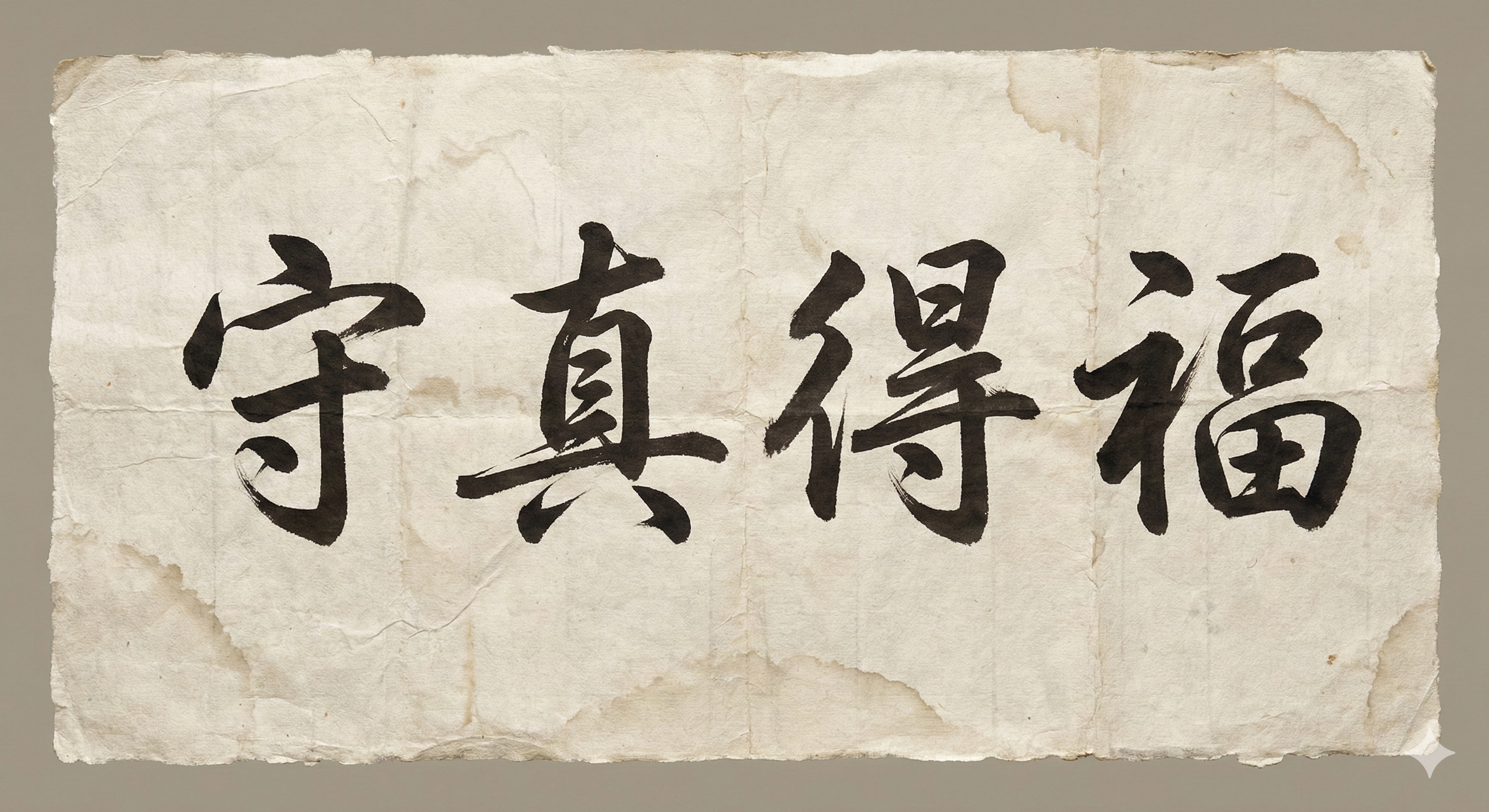
Image Healing: Mandala Stability Guidance 43
Feel your heartbeat; it may be as rapid as a drumbeat. Don't fight it; try to integrate this beat into the unfolding rhythm of the mandala. The center is your anchor of stability; each outward extension is a natural release of bodily energy. Your body is not a battlefield, but an instrument slowly returning to calm from its exhilarating state. Allow it to vibrate, and then watch it slowly still.
Traditional mandalas typically feature a harmonious and intricately varied circular structure, symbolizing the wholeness of the universe and the cycle of life. By viewing mandala images, individuals can perceive inner peace and strength, achieving psychological balance.
◉ Gaze at the mandala twice, while taking deep breaths.

Lesson 43: The Body's Response Mechanisms to Social Anxiety
Objective: To identify the body's reaction zones under social anxiety through drawing, and to learn to understand bodily signals in a visual way.
Steps: Draw an outline of a human body, and use colors to mark areas of tension: red for areas with a rapid heartbeat, orange for areas with rapid breathing, and blue for areas that are relatively calm. Then draw soft ripples at the top of the drawing to symbolize the rhythm of the body's recovery. After finishing, write the sentence: "I listen to my body, and I am not afraid of it."“
Please log in before submitting your drawings and feelings.
○ 43. Suggestions for using a body response log
① What is the first signal my body gives me when I feel social anxiety?
② How do I usually deal with this kind of tension?
③ Can I say "thank you for reminding me" to my body instead of "don't do that"?
④ Which breathing or movement helps me calm down faster?
⑤ Today I'm documenting the process of my body recovering.
⑥ Small steps for tomorrow: When feeling stressed, try telling yourself, "My body is helping me, not hurting me."
Please log in to use.
Understanding your body is about regaining a sense of security.
 EN
EN  ZH
ZH  ES
ES  FR
FR  JA
JA