

Lesson 519: Rebuilding Self-Trust and Sense of Rhythm

Course duration:70 minutes
This course will guide you to view recovery as a long-term, gentle, and adjustable process. Sleep, relationships, activities, therapy, diet, and self-support can all be part of the plan. The course will help you shift your focus from seeking a complete cure all at once to gradually returning to the path of self-care.
○ Course topic audio
Lesson 519: Rebuilding Self-Trust and Sense of Rhythm
Click to view the read-aloud text
Today, I want to gently guide you towards the topic of: establishing a long-term recovery plan. Recovery from anxiety and depression often isn't about suddenly being completely cured one day, but rather about repeatedly returning to self-care. Please don't demand that you immediately become the same as before, and don't let one setback negate all your efforts. A long-term recovery plan isn't a harsh to-do list, but a gentle map of life support. We can start with six areas: First, sleep: give yourself a repeatable bedtime transition and wake-up anchor. Second, physical health: maintain basic diet, hydration, light exposure, and light activity. Third, emotions: continue to record symptoms and triggers, learning to pause before they escalate. Fourth, relationships: maintain several safe connections and don't completely isolate yourself. Fifth, professional support: maintain communication with doctors, counselors, or other resources as needed. Sixth, self-talk: reduce aggression and increase support. Please write a minimum action for each item, not something too ambitious. For example, write three sentences every night, not a long journal entry every day; take a walk twice a week, not high-intensity exercise every day; contact someone when you're feeling very emotional, not to push yourself to the point of collapse. A plan only truly supports you if it can be followed. Please allow for adjustments to the plan, as recovery will have its ups and downs. You are not failing because of these fluctuations, but rather learning how to identify problems earlier and return to care more quickly. Remember, the most important thing about a long-term plan is not perfection, but the ability to return. Even if you take a few days off, you can start again. Recovery is not a straight line; it's more like a winding path. After reading, please write down the three most important things in your long-term recovery plan, the more specific the better.

AI Healing Q&A
○ AI Healing Q&A: When you want to create a long-term recovery plan, you can let AI help you organize it from six aspects: sleep, body, emotions, relationships, professional support, and self-language. AI will help you break down the plan into actionable daily actions, so that recovery is no longer a distant goal, but a path you can return to every day.

○ Music therapy guidance
○ Music Therapy Guidance: When establishing a long-term recovery plan, you can prepare fixed music for different times of day. Morning music helps you start, daytime music accompanies your actions, and evening music helps you wrap up. Don't treat music as a task, but as a reminder to yourself to return to your roots. Gentle melodies repeated over a long period will gradually become part of the recovery process.

○East-West Healing Tea Drinks
○ Longjing tea and chamomile tea: When establishing a long-term recovery plan, incorporate tea into your daily rhythm. Start the day with Longjing tea to help you begin, and finish the day with chamomile tea. They are not tasks, but gentle reminders: recovery can begin with small acts of care repeated each day.
○ Healing Recipes
Lesson 519: Developing a Long-Term Recovery Plan
○ Healing Recipe: Sesame Lemon Tofu: When establishing a long-term recovery plan, sesame lemon tofu can be a light meal option. The tofu is soft, the sesame aroma is mild, and the lemon adds a refreshing touch. It's suitable for repeated inclusion in daily life, becoming a sustainable little act of care. Recovery isn't about exerting yourself all at once, but about getting back little by little each day.
Open the healing recipe
◉ Japanese Dietary Therapy: Sesame Lemon Tofu
I. Recommended Dietary Therapy and Reasons
Recommended dishes:Sesame and lemon tofu (with a comforting aroma)
Recommended reasons:This lesson establishes a long-term recovery plan. Simple and repeatable dietary therapies are suitable for inclusion in daily life, emphasizing consistency rather than special treatments.
2. Recipe and Method
Recipe (1–2 servings):
- 1 block of soft tofu
- 1 teaspoon of sesame paste
- 1 teaspoon lemon juice
- A little light soy sauce
- A small amount of warm water
practice:
- Wash the main ingredients thoroughly. Prepare the parts that need to be peeled, sliced, or shredded by cutting them into small, easy-to-eat pieces.
- After mixing the sesame paste, add lemon juice and drizzle it over the tofu.
- Keep the seasoning light, with less salt and sugar, and avoid using strong flavors that overpower the ingredients, making it easier for the body to accept.
- During the preparation process, you can slow down your movements and treat washing, cutting, boiling, and mixing as a small exercise to bring your attention back to the present moment.
- After serving, let it cool slightly to a comfortable temperature before eating to avoid putting extra strain on your body if it's too hot or too cold.
- Take your first bite slowly, savoring the aroma, temperature, and texture before letting your body decide whether to continue.
- If you have a poor appetite that day, you can eat a small amount. There is no need to force yourself to finish it. The key is to let your body know that you are being taken care of.
3. Small rituals for body and mind
When preparing sesame lemon tofu, you can first arrange the ingredients neatly so you can see their colors, shapes, and light textures. This small action can help your attention gradually shift from anxiety, depression, or recurring worries back to the present moment.
While waiting for your food to finish, give yourself three slow breaths. You don't need to immediately explain all your emotions or solve all your problems; just let your body know that you are safe at this moment.
When you take your first bite, focus on the temperature, aroma, and soft texture. You can gently tell yourself: I'm taking care of myself; I'm willing to slow down; I can start over.
4. Dietary Therapy Experience Record
- Record the time of consumption: whether it is breakfast, lunch, dinner, or a meal to settle down after emotional fluctuations.
- Observe changes in stomach comfort, body temperature, mental stability, and mood intensity within 30–60 minutes after consumption.
- If you consume it on days when you feel particularly anxious or down, you can keep track of whether it helps you slow down or gives your body a greater sense of security.
V. Instructional Videos (approximately 3–5 minutes)
Video Title:Sesame Lemon Tofu: Japanese Refreshing Food Therapy and Emotional Calming
6. Precautions
- Dietary therapy should be done in small, light portions, and adjusted according to the body's reaction. It is not recommended to force yourself to finish a meal when you are feeling unwell.
- If you are allergic to seaweed, soy products, eggs, fish, tea, or citrus fruits, please choose suitable alternatives.
- Those with sensitive stomachs, pregnant women, those with chronic diseases, or those currently taking medication should prioritize following the advice of medical professionals and nutritionists.
hint:This recipe is for daily physical and mental well-being and is not a substitute for any medical diagnosis or treatment. If you experience emotional distress, noticeable or persistent physical symptoms, please seek professional help promptly.

Mandala Viewing Healing
When establishing a long-term recovery plan, you can choose a fixed mandala for daily regression practice. Look at it for just one minute each day and ask yourself: sleep, body, relationships, and emotions—which area needs attention today? Long-term recovery doesn't rely on a single effort, but on repeated returns.
● AI Dynamic Geometric Vision Focus and Emotion Regulation Engine ●
AI Dynamic Geometric Vision Focus and Emotion Regulation Engine · v7.0.0
Before we begin, I'd like to know how you feel right now.
There is no standard answer; just choose the one that best reflects how you feel right now.
The experience is over. Tell us how you feel now.
There is still no standard answer; just choose the one that best reflects how you feel right now.
#FF5252
After the fluorescent line crawling is completed and stopped, first select a color, then click on the closed area in the graphic to fill in the color.
AI Digital Mandala Interactive Focus Engine
A–Z Free Selection · Layered Lines · 60 Color Fills
AI Digital Mandala Static Focus EngineAZ Image Coloring · 60 Colors

○ Calligraphy and engraving therapy practice
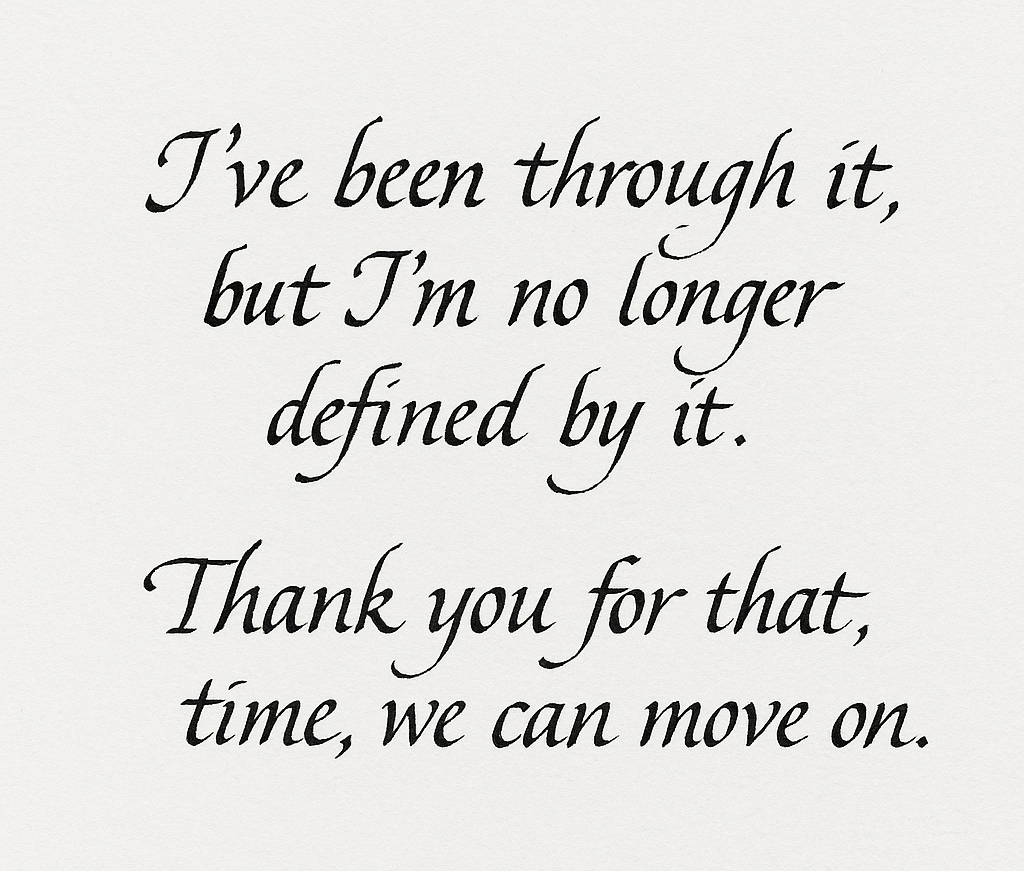
This calligraphy and seal engraving exercise has no specific content and does not require perfect character formation. When facing the challenge of rebuilding self-confidence and rhythm, please focus your attention on holding the pen, placing the pen, pausing, and breathing, allowing the repetitive hand movements to gradually calm your nerves. Trust is not something that can be regained all at once; it will slowly accumulate into a new rhythm with each gentle completion. Please take it slow. The focus of the exercise is not on how many strokes you complete, but on retaining a reliable sense of stability in each stroke, gently accompanying yourself through today.

○ Art Therapy Guidance
Please draw a path for long-term recovery, not a straight line; it can have curves, pauses, and points of reversal. Draw small symbols for sleep, diet, relationships, activities, and professional support along the path. This exercise reminds you that recovery is not a one-time event, but a series of returns. Finally, color in the area you most want to care for today.
Please log in before submitting your drawings and feelings.

○ Diary Healing Suggestions
Please write down three small areas from your long-term recovery plan, such as sleep, physical health, relationships, professional support, or self-talk. Each area should be accompanied by only one small action. Don't write anything too ambitious; the easier it is to repeat, the better. Finally, remind yourself: recovery isn't a one-time event, but a series of comings and goings.
Please log in to use.
May you gradually return to a more stable, clear-headed, and gentler version of yourself through today's practice.