

Lesson 6: Reviewing what we've learned and building a "self-care system"“
Duration:70 minutes
Topic Introduction:After completing the previous lessons, you'll have mastered skills like emotional regulation, rhythm building, and language reconstruction. This lesson will help you review what you've learned and integrate these scattered pieces of knowledge and practice into a "self-care system"—a self-support program you can activate at any time in your daily life.
○ What are the components of a self-care system?
- Emotional Awareness:Discover your inner fluctuations in time and use emotional naming to alleviate distress.
- Rhythm and Structure:Establish a daily ritual, a calming process before waking up and going to bed.
- Supported languages:Talk to yourself using words of encouragement rather than words of blame.
Lesson 6: Reviewing Learning and Building a "Self-Care System" 🎧 Click to watch/listen to the reading.
Imagine your life as a house, and you as its caretaker. Generalized anxiety disorder is like an overly concerned and nagging neighbor—constantly knocking on your door to remind you "something might happen," "be careful," and "don't forget to worry." Without your own self-care system, this neighbor might occupy your doorstep 24/7.
Step 1: Establish a "Psychological Living Room"“
This is your inner comfort zone. It can be a real corner—with a soft sofa, fragrant tea, or a warm blanket; or it can be a scene in your mind—the beach, the forest, your favorite café. It's a place you can "hide in" to relax anytime, helping your brain press the pause button.
Step Two: Set up an "Emotional First Aid Kit"“
No bandages or iodine are needed. This first-aid kit contains simple tricks to quickly soothe you: take three deep breaths, play a calming song, cuddle your pet, or touch a cool glass of water to feel the present moment. These small actions act like a firewall for your emotions, preventing the sparks of anxiety from turning into a raging inferno.
Step 3: Develop a habit of "mental fitness"
Just like the body, the mind also needs exercise. Writing a gratitude journal, meditation, and regular exercise can all help build up your stress-resistance "muscle." Don't worry about imperfections; consistency is more important than perfection—even five minutes a day is like recharging your brain.
Step 4: Recruit a "support team"“
Friends, family, therapists, even that colleague who always sends funny emojis can be members of your team. If you're anxious and prefer solitude, the internet can help temper your anxiety. Remember, seeking help isn't weakness; it's smart self-protection.
Step 5: Set up an "information filter"“
Anxiety often uses up upsetting news and social media to scare you, so you need to be like a gatekeeper—filtering information only, allowing only beneficial, truthful, and controllable information in, and preventing your emotions from being hijacked by unnecessary negative energy.
When these elements are combined, your self-care system acts like a gentle shield, allowing you to avoid confronting anxiety head-on every time, instead providing a safe and flexible "life war room." It won't make anxiety disappear instantly, but it will give you ways to close the door, make a cup of tea, or even laugh when it comes.
▲ AI interaction: Would you like to try a new relaxation exercise?
These six lessons have been a journey, and you’ve come a long way.
Looking back, you learned to recognize anxiety, relax yourself, and establish a rhythm.
These are your "care tools."
They will continue to accompany you in the future.
Remember, you can always return to these exercises and find peace.
Click the button below to explore CBT introductory exercises suitable for you with AI and receive personalized suggestions based on your pace.
○ Review learning and build a "self-care system" · Music guidance
Music can help you relieve the pressure of being watched.
When you feel like you are clumsy in the eyes of others, let the melody tell you: "You are good."
In the singing, you will find that the world is not so harsh.
Music allows you to slowly calm down and dare to breathe.
Oriental Healing Tea Biluochun Tea
Recommended drinks:Biluochun tea
Recommended reasons:Refreshing and invigorating, it helps to reset the rhythm and clear emotional noise. It is suitable for drinking when activating the daily care system.
practice:3 grams of Biluochun tea, brew with 85°C hot water for 2 minutes, and add water 2 to 3 times.
Puls – Barley Porridge
In ancient Rome, semolina was a staple food for soldiers and civilians alike, symbolizing a natural, simple approach to food. Made with a thick base of barley or wheat and spiced with a touch of olive oil and herbs, it offers a rustic, filling flavor. Rich in dietary fiber and slow-release carbohydrates, it helps maintain energy and aids digestion. Reinventing this recipe today not only pays homage to history but also celebrates the transition to natural, minimally processed grains in our modern diet, helping us reconnect with nature. Whether enjoyed as a breakfast or dinner side dish, it's a healthy choice with a classic flavor.
High in fiber
Energy stability
Healing Recipes
/home2/lzxwhemy/public_html/arttao_org/wp-content/uploads/cookbook/puls-barley-porridge.html(Please confirm that pulls-barley-porridge.html has been uploaded)
Lesson 6: Chinese Calligraphy: Regular Script - Control of Brushstroke Strength
Regular script does not pursue exaggerated strength, but emphasizes "controllable strength". This lesson trains the even output of brushstrokes, rather than simply exerting force.
Writing Instructions:
When using a pen, avoid pressing down hard on the penholder with your fingers; the force should be gradually transferred from your shoulder and arm to the tip of the pen.
Maintain a steady pressure during the writing process, avoiding sudden changes in pressure, so that the strokes convey a restrained yet continuous sense of power.
Written words:
Light in the heart
Motivational words:
True power is not about being tense, but about always being in control.
Writing Tips:
If you find your hands are tense or your shoulders are stiff, stop writing immediately to relax before continuing to practice. Avoid forcing yourself to write when you are tense.
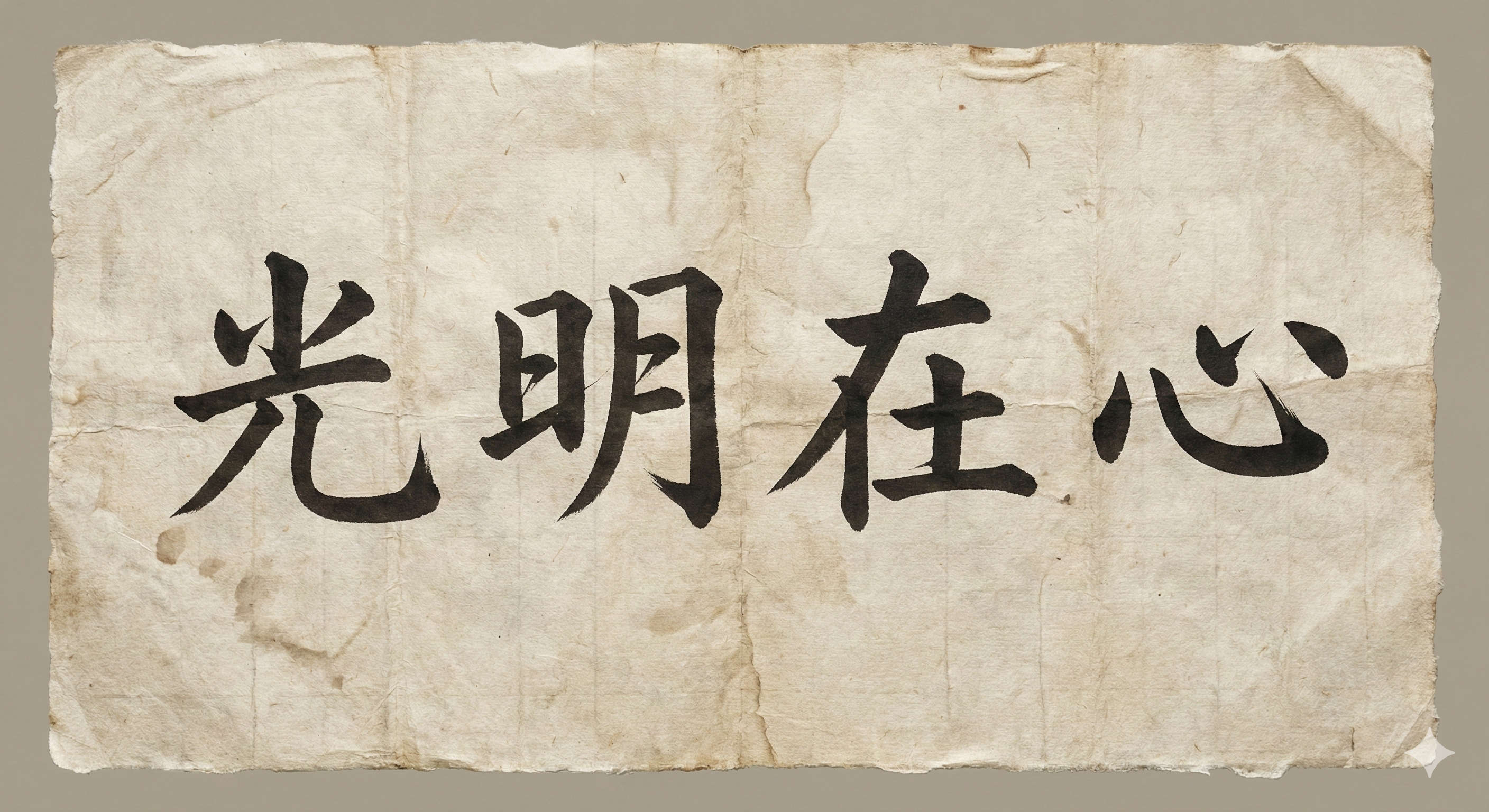
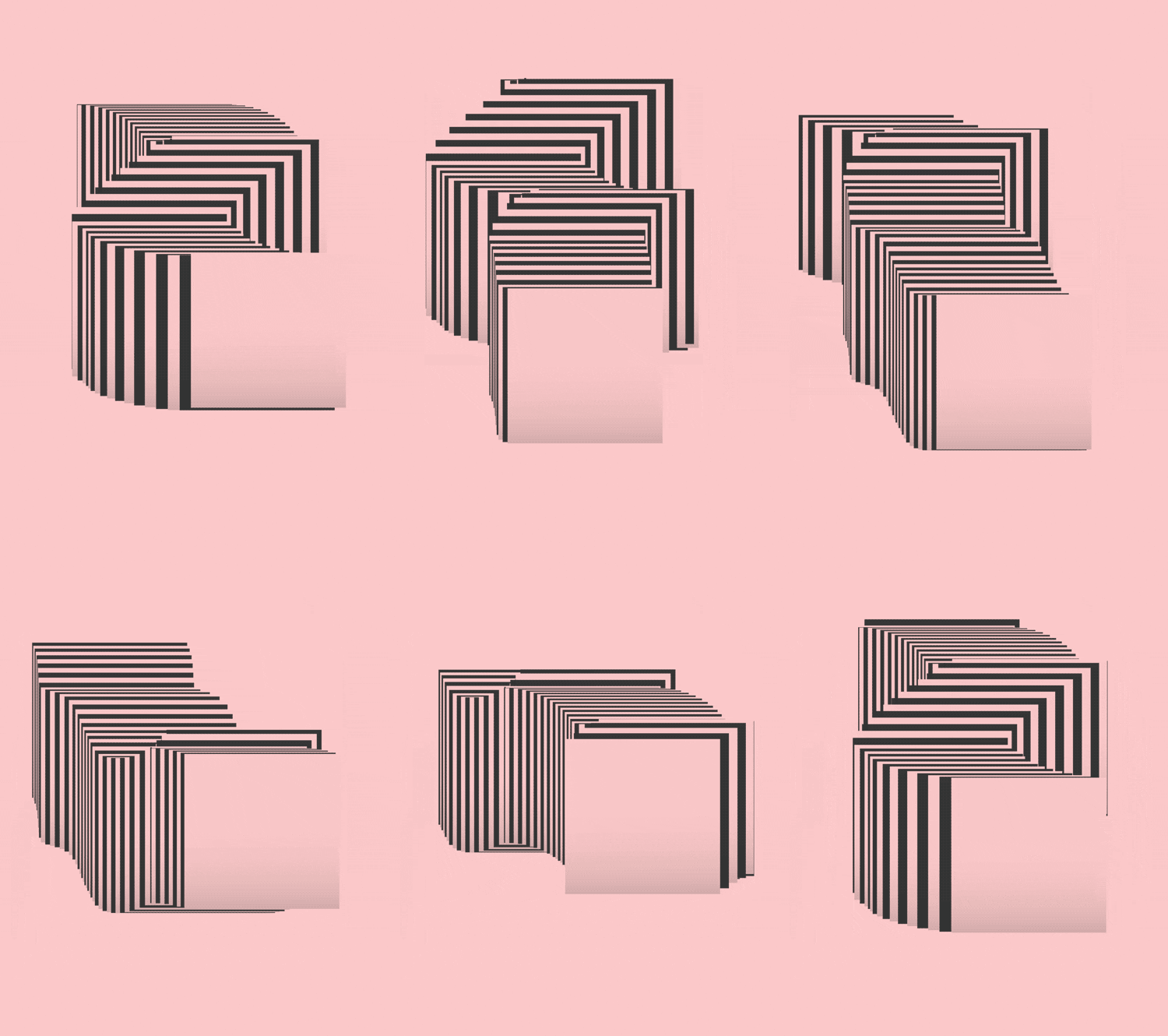
Image Healing: Mandala Stability Guidance 06
In this swirling mandala, you no longer need to chase answers. Let your gaze wander along the geometric lines, and your breathing become rounded and gentle. Anxiety is but a fleeting breeze, and you stand firmly in its center, as steady as a mountain. Align your body with the rhythm of light, and let your heart return to the initial stillness of your breath. In this stable rhythm, grow safely and naturally.
Traditional mandalas typically feature symmetry and complex geometric structures, symbolizing the wholeness of the universe and the cycle of life. By drawing traditional mandalas, individuals can perceive inner peace and strength, achieving psychological balance.
◉ Please stare and watch twice.
Lesson 6: The Worst-Case Scenario Diagram
Objective: To externalize the mindset of repeatedly "anticipating the worst-case scenario" into a structure diagram, thereby helping to reduce its sense of pressure.
Steps: Draw a branching tree diagram, starting with the central concern and extending outwards with the concept of "what if...". Write the consequences of each event on each branch, using colors to distinguish between "controllable" and "uncontrollable". Finally, write a practical action at the outermost layer, such as "I could contact someone then" or "That's a future problem."
Please log in before submitting your drawings and feelings.
○ 6. Review your learning and build a "self-care system" journal guidance suggestions
① Review the key takeaways from steps 1-5: most effective relaxation techniques/most common triggers/most practical alternative ideas.
② Create a "Self-Care Menu" of 5-7 items: including a 2-minute quick version and a 10-minute standard version.
③ My “SOP for dealing with fluctuations”: warning signal → step one (breathing/walking) → step two (cognitive reappraisal) → step three (seeking help).
④ Support system list: contactable people/channels and a template for asking for help.
⑤ One-week “minimum sustainable” goal (quantifiable) and reward method.
⑥ Review agreement: Spend 2 minutes every night at a fixed time to check execution and make adjustments.
Please log in to use.
Self-care isn't a luxury; it's essential psychological nourishment. May you build your own stable system based on what you've learned.
 EN
EN  ZH
ZH  ES
ES  FR
FR  JA
JA