

Lesson 601: What is “drug- or substance-induced depression”?
Duration:70 minutes
Topic Introduction:Certain medications (such as hormones and sedatives) or substances (such as alcohol and drugs) can cause mood swings, chronic lows, or even severe depression. This course will help you understand the causes, mechanisms, identification, and reversibility of drug-induced depression, as well as explore safe coping strategies.
○ Three types of substances that may cause depression
- Drugs:
For example, corticosteroids, birth control pills, certain antihypertensive drugs, etc., can cause depression if they are discontinued for a long time or suddenly. - Addictive substances:
Such as alcohol, marijuana, and sedatives, which affect the brain's neurotransmitters. - Withdrawal reaction of stimulant drugs:
For example, amphetamines can cause a severe period of depression after discontinuation of use.
▲ AI interaction: Do you suspect that a certain drug or substance has affected your mood?
Some drugs or substances can affect our mood inadvertently.
This isn't weakness, it's brain chemistry at work.
Please write down any drugs or substances you have recently used and record any changes in your mood.
Remind yourself: knowing is the first step to safety.
Conclusion: I am learning to understand my body’s language and not blame myself.
Click the button below to have AI sort out your medication history and recent emotional state to explore whether there are clues to "substance-induced depression."
○ Music Guide for Drug/Substance-Related Depression
Some lows come from passive neurotransmitter reprogramming, not weakness of will. Knowing the cause can help you feel less guilty.
In Relaxation Music, list a timeline of recent medication/substance use and mood swings to make the clues visible.
Write down your questions as a list to discuss with your doctor: possibilities, alternatives, warning signs, and treatments.
Set up "three stable things" for yourself: regular sleep, adequate drinking water, and light exercise as a foundation.
Music reminds you: knowing and connecting will turn fog into a path you can walk on.
Cocoa Healing Coconut Cocoa Tea
Recommended drinks:Coconut Cocoa Tea
Recommended reasons:Natural cocoa helps regulate neurotransmitters, and coconut tea enhances nerve stability, making it suitable for auxiliary use during drug-induced mood swings.
practice:Combine 150ml coconut milk, 50ml milk, and 1 tbsp cocoa powder, cook over low heat until combined, and add honey to taste.
○ Cucumber Avocado Salad
Diced cucumber and avocado are lightly tossed with olive oil, lemon juice, and a pinch of salt. A refreshing and hydrating dish with high-quality fats, this light-weight side dish is perfect for hot weather.
Healing Recipes
/home2/lzxwhemy/public_html/arttao_org/wp-content/uploads/cookbook/huang-gua-niu-you-guo-sha-la.html(Please confirm that the following has been uploaded: huang-gua-niu-you-guo-sha-la.html)
Mental Healing: Mental Mandala Meditation Text 38
Draw a spiral of interwoven gold and white, symbolizing "sublimation." From the inside out, from darkness to light. Draw the lines with your breath, and you will discover that spiritual growth is not a journey, but a return to one's true self.
Sublimation is the journey of consciousness home.
Spiritual mandalas are commonly used in religious and spiritual practices, and their patterns and shapes symbolize spiritual growth, awakening, and spiritual connection. By drawing spiritual mandalas, individuals can explore their connection with the universe, divinity, or higher beings, and achieve psychological and spiritual healing.
○ Modern art calligraphy practice
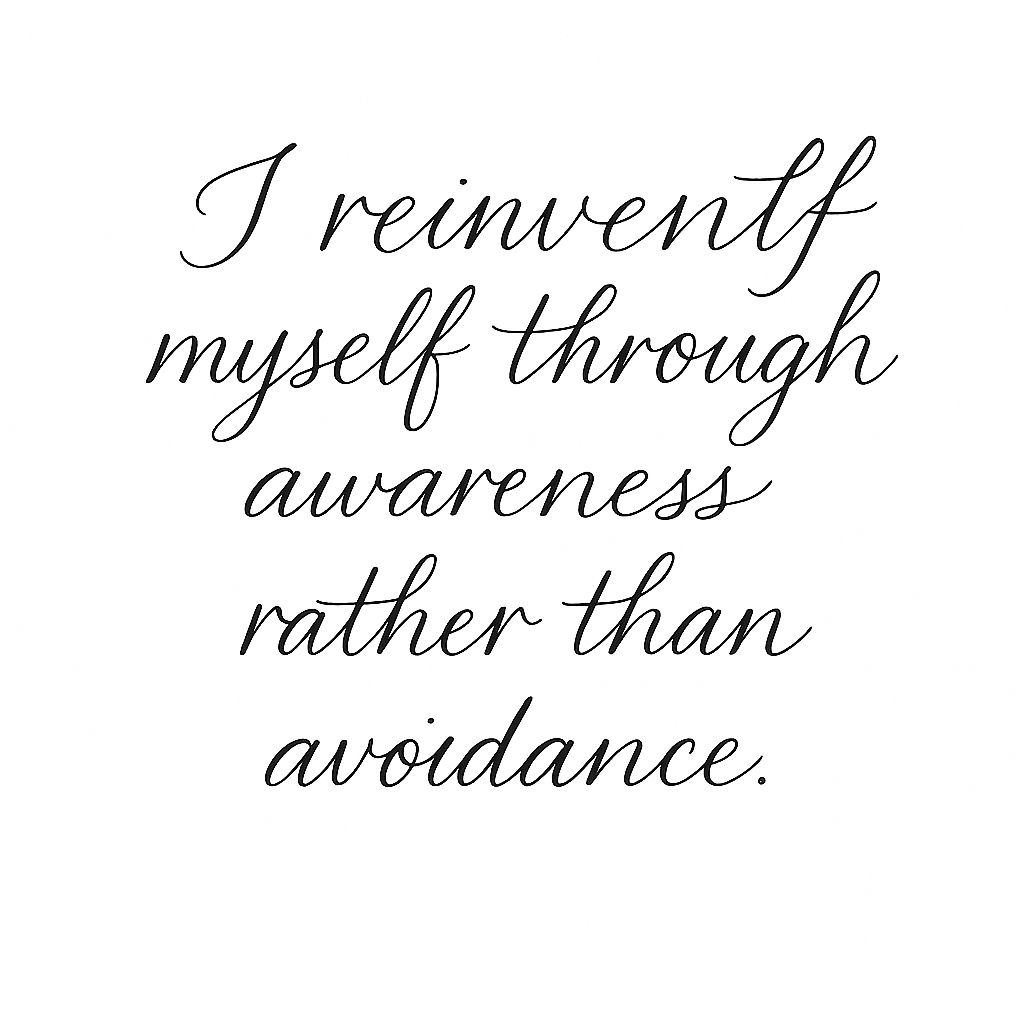
Clear Understanding and Determination to Recover: Writing a Personal Declaration
Purpose: To repeatedly write a promise with slow, elegant strokes as a daily ritual to regain inner peace and focus.
Steps: Write the exercise phrase in the center of a piece of paper and trace the lines while maintaining steady breathing; place the paper in a location where you often need stability (desk, mirror, bedside table). Exercise phrase: "I rebuilt myself through awareness rather than avoidance".“
Lesson 601: What is “drug- or substance-induced depression”?
Objective: To understand how certain drugs or substances may directly affect the emotional center and cause depression.
Steps: Draw a circle that gradually darkens to represent the emotional changes after the drug enters the body. Draw a backlight outside the circle to represent awareness. Write: "My emotions are not the fault of themselves, but rather influenced by the chemicals."“
Please log in before submitting your drawings and feelings.
○ 601. What is "drug- or substance-induced depression"? · Journaling guidance suggestions
① Write down the drugs and substances you currently/recently use (including alcohol, caffeine, etc.), and record the dosage and time of use.
② Mood - Timeline: The periods of depression/irritability/fatigue in the past two weeks, compared with the time of medication use/intake.
③ Question list: The side effect I am most worried about is ××; I hope the doctor can explain ××; What should I do if ×× occurs?
④ Safety Card: List emergency help signals and contact information, take a photo and save it for quick access.
⑤ Daily homeostasis: Regular sleep, diet, and water intake serve as the foundation for treatment.
⑥ Conclusion: Being informed and keeping records make me feel more in control and safer.
Please log in to use.
Not all darkness originates within you. But the light of clarity—that must come from within yourself.
 EN
EN  ZH
ZH  ES
ES  FR
FR  JA
JA