

Lesson 677: Practice Methods for "Living in the Present Moment"

Course duration:70 minutes
This lesson revolves around "practice methods for living in the present moment," helping learners reduce rumination, worry, and self-denial through mindfulness and simple physical exercises. The course guides participants to observe their breath, the ground beneath their feet, objects in their hands, light coming through the window, and sounds in the present moment. The focus is not on denying the past or future, but on finding a place to return to and rest in the present when emotions are dragged away by memories and worries. The learning process begins with identifying a small action that can be completed today, followed by recording changes in the body, emotions, and relationships, transforming caregiving from vague anxiety into stable, actionable support. The goal of this lesson is to transform unseen emotional cues into concrete steps that can be discussed, shared, and adjusted.
○ Course topic audio
Lesson 677: Practice Methods for "Living in the Present Moment"
Click to view the read-aloud text
This lesson focuses on "Practice Methods for 'Living in the Present Moment'." It teaches how to reduce rumination, worry, and self-doubt through breathing, touch, the sound of your feet hitting the ground, and auditory observation. Depression and cognitive changes in old age are often not expressed as directly as they were in youth. Some older adults won't say they're sad, but rather that they experience physical pain, sleep problems, loss of appetite, forgetfulness, a lack of motivation, or suddenly become irritable, silent, or prone to crying. Family members often interpret these changes as signs of aging, bad temper, or stubbornness, missing the emotional signals that truly require support. This lesson aims to help you observe these behaviors within the context of your body, emotions, relationships, and daily rhythms. When learning, start by looking for clues: dwelling on the past, worrying about the future, restlessness, and a racing mind. These clues don't necessarily lead to a fixed conclusion, but they remind us that the low mood in older adults needs to be carefully observed. Don't rush to criticize or simply offer platitudes. A more effective approach is to first acknowledge the feelings, then observe the changes, and finally choose a small, specific act of support. The first step is to establish gentle observation. Please write down when this change started, and whether there has been any recent illness, pain, medication change, loss, sleep disturbance, reduced activity, or family conflict. Observation is not interrogation or assigning blame, but rather providing a path for understanding emotions. The second step is to reduce the expression of stress. Instead of "Why are you like this again?", try "I've noticed you've been a little different lately"; instead of "Don't overthink it," try "This might really be a big deal for you"; instead of "Cheer up," try "Let's do something small first." With softer language, older adults are more likely to come out of their defensiveness and express their true needs. The third step is to complete a manageable exercise. Do a one-minute present moment exercise, observing three objects you see, two sounds, and one breath. This action doesn't need to be drastic, nor does it need to immediately improve the entire situation. For late-onset depression, stable repetition is more important than a single drastic change. A fixed wake-up time, a glass of water, a moment of sunlight, a short phone call, or a slow walk can all become entry points for the nervous system to regain a sense of security. If you experience progressively worsening depression, significant confusion, sudden cognitive decline, refusal to eat or drink, severe insomnia, or expressions of suicidal ideation or reluctance to burden others, please contact an in-person doctor, mental health professional, or emergency resources immediately. The exercises in this course are suitable for daily understanding and care support and cannot replace medical diagnosis, medication evaluation, or crisis management. After reading aloud, please write down three points: First, what was the most noteworthy signal today? Second, what is the one sentence the elderly person or caregiver most needs to be understood? Third, what is a small supportive action you can take within the next 24 hours? You are not learning to make aging easier, but rather to be more perceptive, more supportive, and more sustainably at peace amidst difficulties. Simply reducing blame, increasing listening, and taking one stable action each day is already repairing relationships and protecting the mind.

AI Healing Q&A
If you'd like to ask the AI questions about "living in the present moment" practice methods, you can start by writing down your recent physical sensations, mood changes, sleep patterns, and family interactions. Please don't rush to judge who's right or wrong, and avoid placing the elderly person or caregiver in a blame-shifting position. You can ask the AI to help organize possible clues, key observations, communication issues, and next care options. Focus on safe, stable, and sustainable small steps, allowing caregiving to gradually return to real life. After practicing, record one feeling, one physical signal, and one gentle action that can be continued. If mood or cognitive changes significantly worsen, please contact a professional in person immediately to ensure safety.

○ Music therapy guidance
When practicing music therapy using the "Living in the Present Moment" method, please choose music with a steady rhythm, soft timbre, and low volume. First, sit firmly, listening to the melody enter and exit, without chasing emotions or forcing yourself to be happy. If the music evokes memories, simply acknowledge their presence gently, then bring your attention back to your breath, palms, and soles of your feet. Focus on small, safe, stable, and sustainable steps, allowing care to gradually return to real life. After the practice, record a feeling, a bodily signal, and a gentle action that can be continued. If emotional or cognitive changes significantly worsen, please contact an in-person professional immediately, prioritizing your safety.

○East-West Healing Tea Drinks
○ Healing Tea: Vanilla Rose Tea. Introduction: Vanilla has calming and warming properties, and when combined with the aromatic components of rose, it can alleviate low mood and anxiety caused by depression. Vanilla rose tea helps soothe nerves, improve mood, and regulate emotions, making it suitable for drinking during stressful times. Instructions: Place one spoonful each of vanilla and rose petals in hot water and steep for 5-10 minutes. Add honey to taste. Drink once daily to help relax nerves, improve mood, and reduce anxiety and depressive symptoms.
○ Healing Recipes
Honey Rye Porridge
Honey rye porridge is made by slow-cooking rye into a porridge and then adding a small amount of honey for flavor. It is suitable for breakfast or a light evening meal. Rye provides the aroma of grains and a stable feeling of fullness, while honey provides a mild sweetness that can improve the mouthfeel when appetite is low. The porridge is warm and soft, making it suitable for older adults who have a heavier digestive burden. Eating a small bowl slowly is also a way to stabilize your rhythm. When preparing it, it is recommended to use less oil and salt, and to keep the texture as soft as possible for easy chewing and swallowing. You can eat it with warm tea and slowly observe your appetite, mood, and physical comfort. Its focus is not on complex nourishment, but on helping older adults rebuild a sense of security in each meal through regular meals, a gentle aroma, and sustainable nutrition.

Mandala Viewing Healing
When viewing a mandala, keep the practice of "living in the present moment" in mind, but don't rush to analyze the pattern. Start with the center, then slowly move towards the outer ring, feeling the sense of stability brought by the lines, repetition, and colors. If you experience feelings of sadness, nostalgia, or worry, imagine them as passing clouds; allow yourself to simply observe, not to try to solve everything. Focus on small, safe, stable, and sustainable steps, allowing care to gradually return to real life. After the practice, record a feeling, a physical signal, and a gentle action that can be continued. If emotional or cognitive changes significantly worsen, contact a professional in person immediately, prioritizing your safety.
● AI Dynamic Geometric Vision Focus and Emotion Regulation Engine ●
AI Dynamic Geometric Vision Focus and Emotion Regulation Engine · v7.0.0
Before we begin, I'd like to know how you feel right now.
There is no standard answer; just choose the one that best reflects how you feel right now.
The experience is over. Tell us how you feel now.
There is still no standard answer; just choose the one that best reflects how you feel right now.
#FF5252
After the fluorescent line crawling is completed and stopped, first select a color, then click on the closed area in the graphic to fill in the color.
AI Digital Mandala Interactive Focus Engine
A–Z Free Selection · Layered Lines · 60 Color Fills
AI Digital Mandala Static Focus EngineAZ Image Coloring · 60 Colors

○ Calligraphy and engraving therapy practice
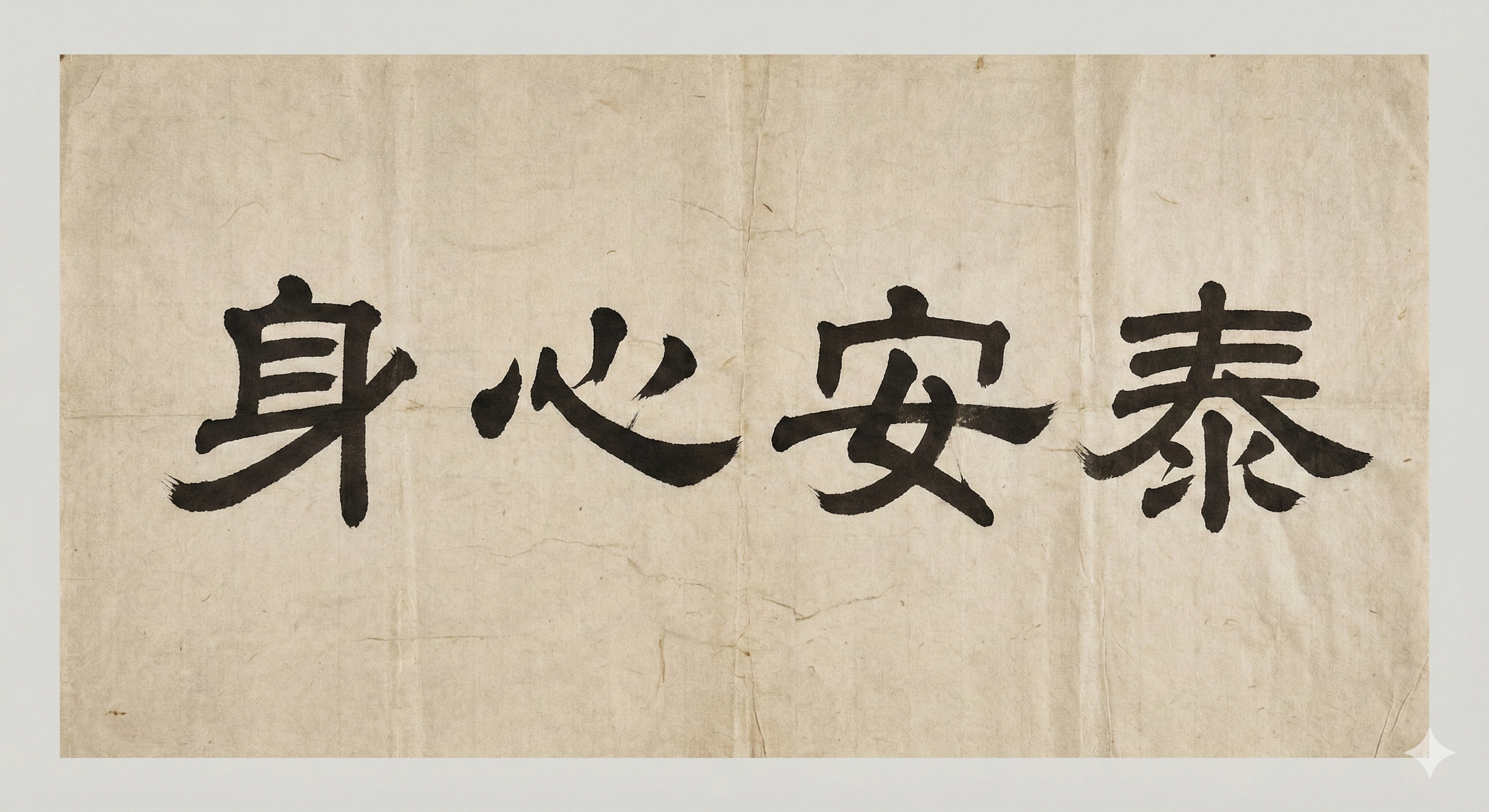
Please engage in a quiet writing or engraving therapy exercise based on the "Living in the Present Moment" practice method, without specifying any particular words, shapes, or content. The focus is not on writing well, but on slowing down your hands, eyes, breathing, and rhythm. Each stroke or engraving can be a gentle pause, helping your body return from tension to stability. Focus on small, safe, stable, and sustainable steps, allowing care to gradually return to real life. After the exercise, record a feeling, a bodily signal, and a gentle action that can be continued. If emotional or cognitive changes significantly worsen, please contact an in-person professional immediately, prioritizing your safety.

○ Art Therapy Guidance
Art therapy can begin with the feelings evoked by practicing "living in the present moment." It doesn't need to be realistic or explained to others. Please choose gentle colors and use lines, shapes, or simple forms to express your physical state, emotional state, and areas needing care today. After completion, simply look at the artwork; do not judge its quality. Focus on safe, stable, and sustainable small steps, allowing care to gradually return to your daily life. After the practice, record a feeling, a bodily signal, and a gentle action that can be continued. If your emotions or cognitive changes significantly worsen, please contact an in-person professional immediately, prioritizing your safety.
Please log in before submitting your drawings and feelings.

○ Diary Healing Suggestions
For the journaling exercise, please write down four parts based on the "Living in the Present Moment" practice method: What happened today? How did my body feel? What am I truly worried about or needing? What small action can I take next? The writing doesn't need to be long or elaborate. Please treat the journal as a place to accompany yourself, not a place to judge yourself. Please focus on safe, stable, and sustainable small steps, allowing care to gradually return to real life. After the exercise, you can record a feeling, a physical signal, and a gentle action that can be continued. If emotional or cognitive changes significantly worsen, please contact an in-person professional immediately to ensure your safety.
Please log in to use.
May you gradually return to a more stable, clear-headed, and gentler version of yourself through today's practice.