

Lesson 742: Identifying Cognitive Misconceptions Behind Hoarding Behavior
Duration:70 minutes
Topic Introduction:This course helps you identify typical cognitive distortions in hoarding disorder, including erroneous beliefs such as "I'll need it in the future," "I'll regret throwing it away," and "items represent value," and achieve psychological release through cognitive reconstruction exercises.
○ Three common misconceptions about hoarding
- Disaster Anticipation Type:Worrying about not having it when you need it in the future and ignoring the actual probability of use.
- Items are value-based:I believe that the more I have, the more important I am.
- Throwing away = disrespectful:Personalize items, give them moral meaning, and make them difficult to discard.
▲ AI Interaction: Write down the reason why you are reluctant to let go
Today, pick an item you haven’t used in a long time and write down why you’re keeping it.
Then ask: Has it actually worked in the past year?
Try to rewrite your thoughts: "Memory is not in the object, but in my heart."
Conclusion: When cognition changes, the magic power of the item will also weaken.
Click the button below to discuss with AI whether the underlying belief is a cognitive distortion and rewrite the alternative belief.
○ Identifying the cognitive misunderstandings behind hoarding behavior · Music therapy
Thoughts like "I'll need it later" and "It's a shame to throw it away" often hold us back. Play a lighthearted melody to help open your mind.
Is it really necessary to pick an item you haven't used in a year and write about it while listening?
Use the melody to support your rewriting of "can't bear to let go" into "I can preserve memories in other ways."
Conclusion: When your thinking changes, objects will no longer have the power to bind you.
○ Oriental healing tea
Recommended drinks:Lapsang Souchong
Recommended reasons:It has the effect of calming the mind, relieving depression, and warming the spleen and stomach. It is suitable for drinking before tidying up the space and realizing cognitive misunderstandings.
usage:Take 3g of Zhengshan Xiaozhong tea, brew it with 90℃ hot water, and drink it alone in a quiet manner, which helps to stabilize thinking.
○ Adenophora, Polygonatum and Duck Soup
It nourishes Yin and moisturizes dryness, providing a nourishing yet non-greasy effect. It improves dry coughs with minimal phlegm, dry mouth and nose, and throat discomfort. It gently supports physical strength and immunity, making it suitable for those exposed to air conditioning or seasonal dryness as a robust daily maintenance option.
immune support
Drying friendly
Healing Recipes
/home2/lzxwhemy/public_html/arttao_org/wp-content/uploads/cookbook/sha-shen-yu-zhu-lao-ya-tang.html) (Please confirm that it has been uploaded: sha-shen-yu-zhu-lao-ya-tang.html)
🎨 Color Mandala Healing
Through the color mandala practice, stubborn and clinging cognitive patterns are visualized and gently released on the canvas.
- Alternative Beliefs Diagram:Write the phrase "Replace old beliefs" in the center of the mandala.
- Cognitive Liberation Diagram:The shape that symbolizes being bound gradually becomes transparent and expands.
- Clearing up misunderstandings:Each time you identify a cognitive misconception, cover it with a color.
[mandala_course_114_safe]
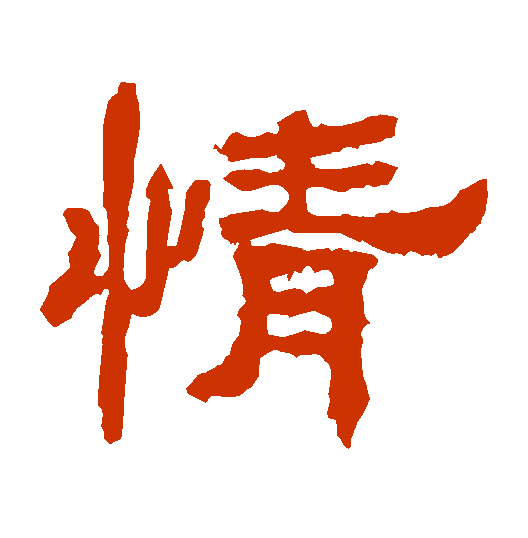
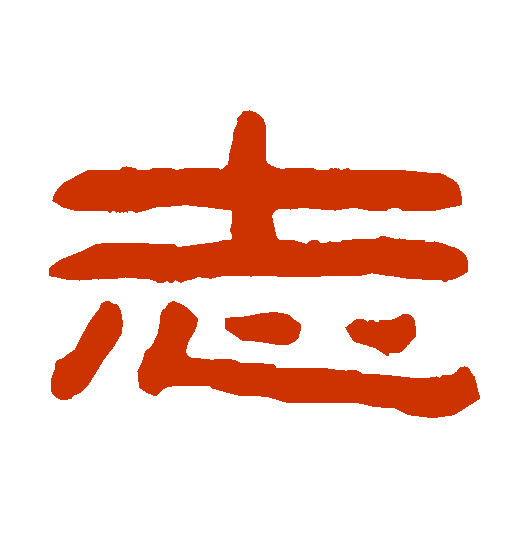
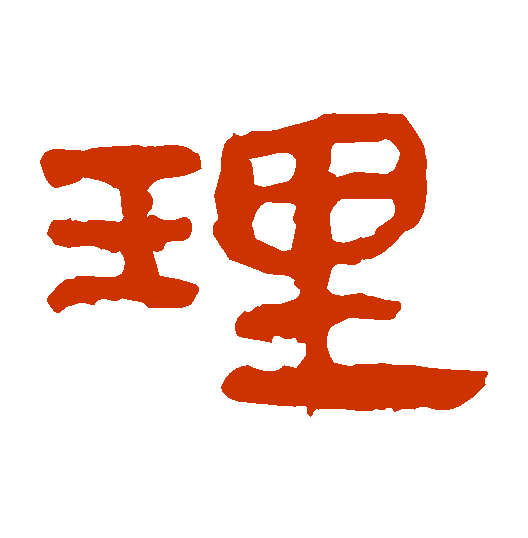
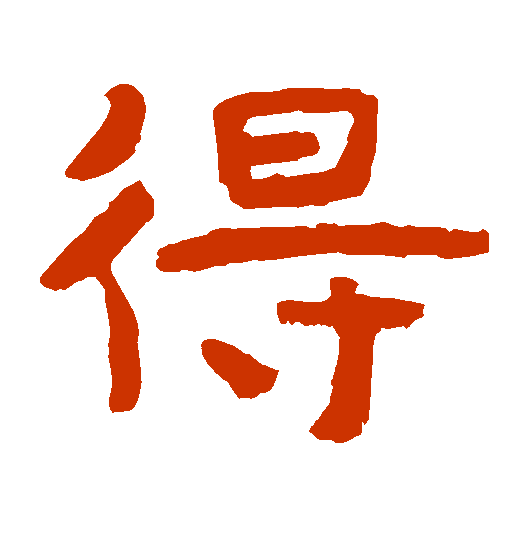
○ Seal Script· Chinese Calligraphy Practice
This lesson suggests writing the word "releasing thoughts." Practicing "letting go of beliefs" while writing can help transform deep-rooted misconceptions.
Practice sentences:
“"Restrained emotions and a peaceful mind"
Emotions Restrained · Peace of Mind and Clear Conscience”
It is recommended to copy three times a day, coordinating with the rhythm of breathing, and each stroke is a "cognitive cleansing".




Lesson 742: Identifying Cognitive Misconceptions Behind Hoarding Behavior
Objective: To identify cognitive traps such as "it loses its meaning if it is discarded" and "it may be useful in the future".
Steps: Draw two boxes, one labeled "Needs" and the other "Worries". Draw items representing "emotional burdens" into the "Worries" box. Next to the "Needs" box, write: "I have the right to choose what to keep." The process of drawing itself is the starting point for a mental restructuring.
Please log in before submitting your drawings and feelings.
○ 742. Identifying Cognitive Misconceptions Behind Hoarding Behavior: Log-Guided Suggestions
① Catch three misunderstandings: “I will definitely use it in the future”, “What a pity/waste”, “This is unique”.
② Reality check: Have you used it in the past year? If not, use "photos + stories" instead of physical storage.
③ Reduce the fear of regret: Set a "buyback budget cap" to transform uncertainty into a concrete safety net.
④ Set a “good enough standard”: frequency of use > scarcity; achievability > perfect preservation.
⑤ Write down the most helpful alternative thought of the day and stick it in the storage area.
⑥ Conclusion: When beliefs are tested, the magic of an object will fade.
Please log in to use.
Thoughts change the space, beliefs determine how you live - to clean up things, start by cleaning up your cognition.
 EN
EN  ZH
ZH  ES
ES  FR
FR  JA
JA