

Lesson 781: Understanding the Manifestations and Psychological Mechanisms of Trichotillomania
Duration:70 minutes
Topic Introduction:Trichotillomania is an impulse control disorder in which patients pull out their hair, eyebrows, eyelashes, and other hair, often unconsciously or in anxiety-provoking situations. This lesson will help you identify the psychological cycles, triggers, and relief pathways of this behavior.
○ Psychological and behavioral mechanisms of trichotillomania
- Emotional precursors:Often triggered by anxiety, boredom, stress or depression.
- Automation loop:Many of the movements occur unconsciously, accompanied by a temporary sense of relief.
- Negative reinforcement:Removal brings temporary relief, which reinforces the repetition of the behavior and creates an addictive loop.
▲ AI interaction: Do you remember which emotion most likely makes you “start pulling out”?
Trichotillomania isn't just a bad habit; it's often a way to relieve stress. Try writing down the last time you pulled your hair out, including the time, place, and emotions at the time.
Observe the triggers that precede the urge, such as nervousness, boredom, or anxiety.
Tell yourself: This doesn’t mean I’m weak, but I need a gentler outlet.
In the process of recording, you will gradually discover patterns and lay the first step for change.
Conclusion: Understanding is the beginning of acceptance, not blame.
Click the button below to help AI identify the emotions and situational patterns behind your hair-plucking behavior.
○ Understanding the manifestations and psychological mechanisms of trichotillomania · Music therapy
Play a quiet and steady melody to help you recognize the urge to pull out your hair. Music acts like a small light, helping you see the emotions and physical tension that are triggering it.
Try to record a scene of hair pulling, using music as the background, and transform complex self-blame into gentle understanding.
The melody reminds you: impulse is not everything you are, it is just an outlet for stress.
Conclusion: With the company of music, you will gradually learn to coexist peacefully with impulses.
○ Oriental healing tea
Recommended drinks:Chrysanthemum and wolfberry tea
Recommended reasons:It clears the liver and improves eyesight, relieves anxiety and inflammation, and is suitable for use when you are feeling restless or have tense hands.
usage:6 chrysanthemum flowers and 10 wolfberries, brew with warm water, drink in the afternoon or evening.
Honeysuckle, Chrysanthemum and Pork Liver Soup
It clears heat, soothes, nourishes blood, and improves eyesight, while also replenishing iron and relieving visual fatigue. It's suitable for those who stay up late, stare at screens for extended periods, or are prone to getting angry. Its refreshing, non-greasy flavor helps stabilize mood and focus.
Nourishing blood and protecting eyes
Iron Support
Healing Recipes
/home2/lzxwhemy/public_html/arttao_org/wp-content/uploads/cookbook/jin-yin-hua-ju-hua-zhu-gan-tang.html) (Please confirm that it has been uploaded: jin-yin-hua-ju-hua-zhu-gan-tang.html)
🎨 Mandala Healing Practice
By drawing a color mandala, the urge to pull out hair is transformed into "alternative self-regulation" and a gentle and regular release mechanism is established.
- Impulse Release Chart:Use lines to express the path the fingers want to draw, and use colors to transform them into flexible forms.
- Calm Center Image:In the center area, draw the imagery and halo that symbolizes the "quiet hands."
- Emotional reconstruction diagram:Visualize emotions such as anxiety and irritability, and cover the "soothing layer" with color blocks.
[mandala_course_119_safe]
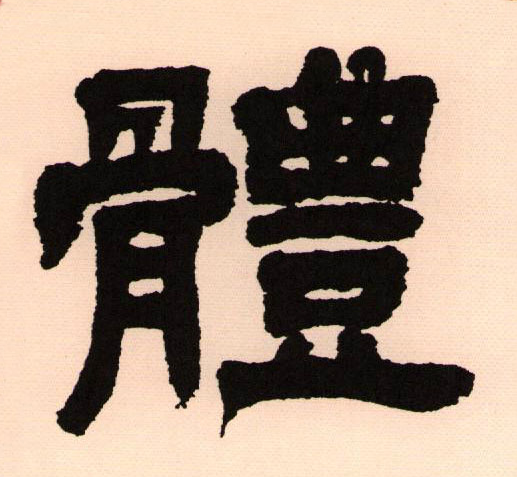
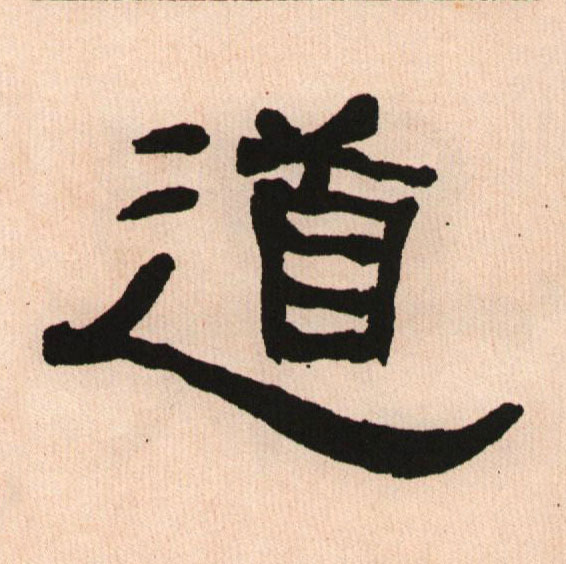
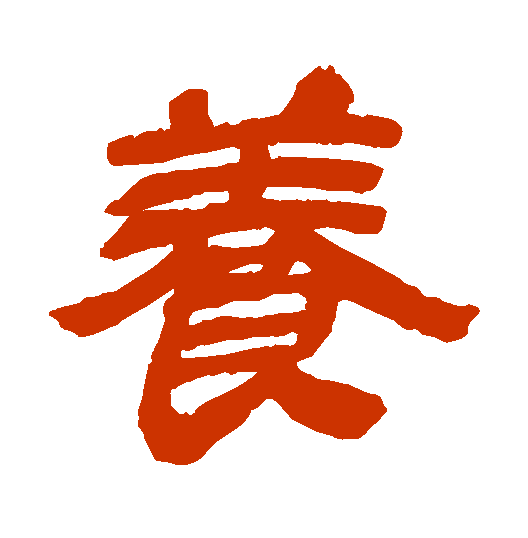
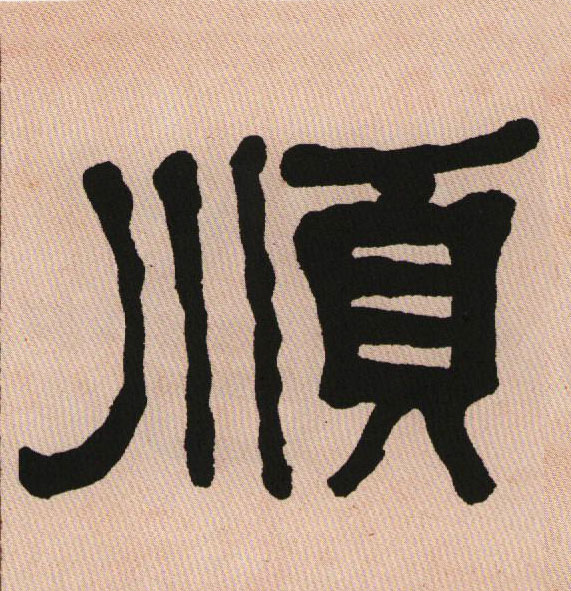
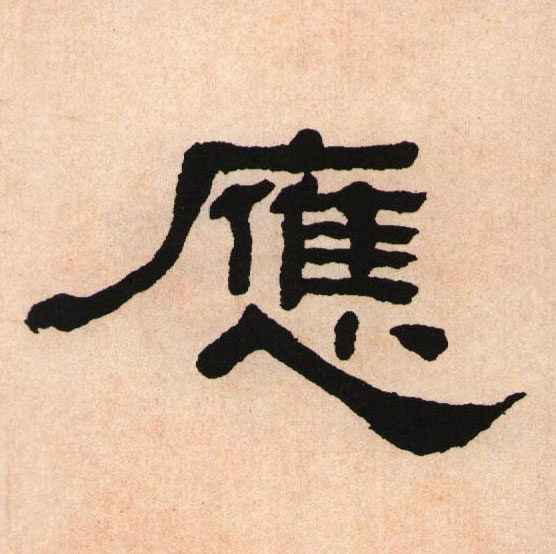
○ Seal Script· Chinese Calligraphy Practice
It is recommended to practice the three characters "Tao", "Shun" and "Ran" to balance impulsive actions through the focused writing process.
Practice sentences:
“"Embrace the Dao and Nourish Life, Follow the Nature"
Follow the Dao for Health · Conform to Nature”
Write it down every morning and evening, breathing slowly, and anchoring a stable state on paper and pen.



Lesson 781: Understanding the Manifestations and Psychological Mechanisms of Trichotillomania
Objective: To understand the impulses and psychological cycle of trichotillomania.
Steps: Draw a pair of hands, one gently touching the hair or eyebrows, the other outstretched towards the light. Write below the drawing: "I am learning to replace impulse with awareness." This drawing shows you that there is a path to choose between the body's automatic reactions and rational intervention.
Please log in before submitting your drawings and feelings.
○ 781. Understanding the Manifestations and Psychological Mechanisms of Trichotillomania • Journaling Guidance Suggestions
① Reconstruct the scene: the time, place, what you were doing when the urge/behavior of hair pulling occurred today, and your emotions and thoughts in the previous minute.
② Body radar: finger position, muscle tension points, breathing depth, heart rate, each with a score of 0-10, no evaluation, only recording.
③ Behavioral function: What did this hair plucking experience help me achieve/avoid? (Relaxation, distraction, fighting emptiness) Write it down truthfully.
④ Trigger chain: event → thought → emotion → impulse → behavior → consequence. Draw an arrow to mark the strongest link.
⑤ Today’s Commitment: Choose one aspect as a practice point (such as naming emotions or delaying for 1 minute).
⑥ Conclusion: I am not a symptom. I am learning to see and gently intervene in my behavior chain.
Please log in to use.
The power of your hands can be used to hurt or to create. Which one do you choose?
 EN
EN  ZH
ZH  ES
ES  FR
FR  JA
JA