

Lesson 782: Identifying and Adjusting Cognitive Misconceptions about Trichotillomania
Duration:70 minutes
Topic Introduction:This course helps you identify common cognitive errors in trichotillomania, such as "I can't control myself", "I feel better only when I pull it out", "I can only calm down this way", etc., and through cognitive reconstruction exercises, you can establish a way of thinking that is more conducive to self-control and repair.
○ Three major cognitive misunderstandings and response logic
- Catastrophizing Misconceptions:You may think that “once you pull it out, you can’t stop,” but in fact it is just a temporary strengthening.
- Emotional Absolutism:Believing that "it will be easier if you pull it out" ignores the possibility of other adjustment methods.
- Identity-fixed thinking:Equating “I have trichotillomania” with “I’ll never change” ignores growth resilience.
▲ AI Interaction: Write down the “reasons for plucking hair” you have ever said, and let’s challenge it together
Thoughts like “I can’t control it” and “I feel better only when I pluck my hair” often make us sink deeper.
Please record the three thoughts that come to you most often today and write down the evidence and counter-evidence for each.
Try rephrasing it with a gentle alternative: "I'm nervous right now, but I can take a deep breath and decide later."
Repeat several times, allowing your body to feel the slight changes brought about by the alternative language.
Conclusion: When thinking is corrected, the constraints of the mind will gradually loosen.
Click the button below to help AI identify whether your daily hair-pulling beliefs are true and try alternative belief training.
○ Identification and adjustment of cognitive misunderstandings about trichotillomania · Music therapy
When you feel that "it takes a little pulling to relax", please play a piano piece softly and let the rhythm take away this automatic thought.
In the melody, rewrite "I can't control it" into "I can stop first, listen to the song, and then decide."
Write down this gentle alternative thought and feel how the music allows the tension in your body to gradually relax.
Conclusion: Music reminds you that thoughts are not commands, but a melody that can be rewritten.
○ Oriental healing tea
Recommended drinks:Licorice Ginger Tea
Recommended reasons:It warms the stomach, soothes the mind and is suitable for drinking when you are troubled by thoughts or experiencing an outburst of cold emotions.
usage:Brew 3 slices of licorice and 3 slices of ginger in boiling water for 15 minutes and drink after meals or at night.
○ Bamboo Leaf and Winter Melon Soup
It clears the mind, relieves restlessness, promotes diuresis, and reduces swelling, leaving a feeling of lightness and refreshment. It's ideal for managing daily symptoms of damp heat, fatigue, and thirst, and serves as a gentle hydration and balance solution for summer or high-temperature environments.
Diuretic and swelling-reducing
Light and refreshing
Healing Recipes
/home2/lzxwhemy/public_html/arttao_org/wp-content/uploads/cookbook/zhu-ye-dong-gua-tang.html(Please confirm that the file has been uploaded: zhu-ye-dong-gua-tang.html)
🎨 Mandala·Cognitive Reconstruction Exercise
Externalizing false beliefs into images and then constructing a "new belief totem" with colors and shapes is an art therapy method of cognitive transformation.
- Belief Challenge Chart:Write the old belief in the center and draw symbols of its rebuttal or replacement in the outer circle.
- Balanced Beliefs Diagram:Draw a structure that represents “I can regulate my emotions” and add totemic keywords.
- Release circuit diagram:Use a graphic to simulate the forward path of “hair-pulling urge → pause → alternative behavior”.
[mandala_course_120_safe]
○ Seal Script· Chinese Calligraphy Practice
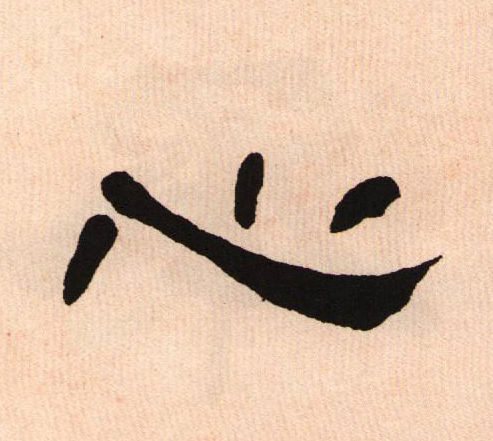
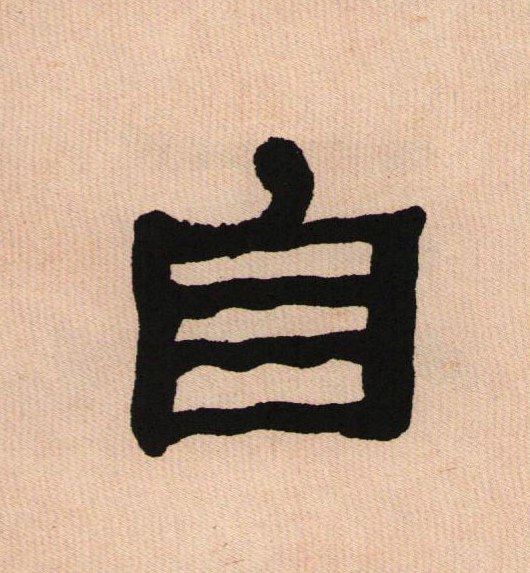
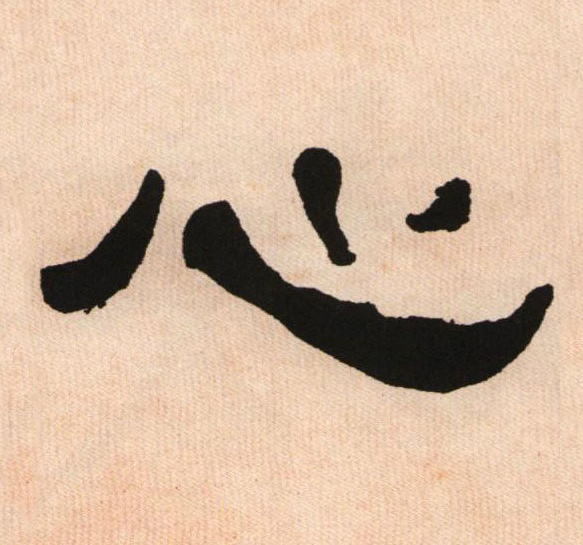
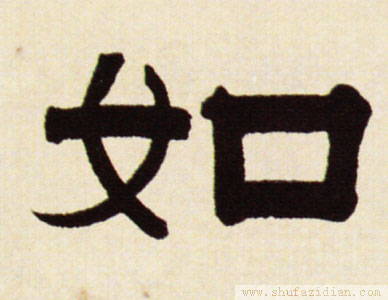
This lesson recommends writing the characters "观," "守," and "一." It's recommended that after practicing cognitive adjustment, you deepen your internalization of new beliefs through writing.
Practice sentences:
“"Observe your mind and find freedom; guard your mind as one."
Observe the Mind Freely · Keep the Heart Steady”
Writing twice a day, accompanied by a slow breathing rhythm, helps integrate cognitive and emotional responses.




Lesson 782: Identifying and Adjusting Cognitive Misconceptions about Trichotillomania
Objective: To become aware of erroneous beliefs such as "I can't control myself" or "I'm weird".
Steps: Draw a thought bubble and write down frequently occurring negative thoughts. Draw a halo around the bubble and write a new statement: "I am learning, not failing." Let drawing become a ritual of cognitive restructuring, replacing self-blame with understanding.
Please log in before submitting your drawings and feelings.
○ 782. Identification and Adjustment of Cognitive Misconceptions about Trichotillomania: Suggestions for Journaling
① Capture three automatic thoughts: such as “I can’t control it,” “It will be more uncomfortable if I don’t pull out the hair,” and “Only pulling out the hair can provide relief.”
② Evidence table: Write down 2 pieces of supporting/refuting/unclear evidence for each sentence, separating facts from feelings.
③ Gentle rewrite: Change "must be removed immediately" to "I can take a minute to replace it and then decide." Read it three times and feel the changes in your body.
④ Result comparison: record the subsequent feeling after “not removing” and observe whether the discomfort subsides naturally.
⑤ Save the most useful alternative thinking sentence and write it on a note on your phone as a reminder.
⑥ Conclusion: Thoughts are not orders. I can choose a narrative method that is kinder to myself.
Please log in to use.
Change starts with a thought, or with every stroke of your pen.
 EN
EN  ZH
ZH  ES
ES  FR
FR  JA
JA