

Lesson 79: Relapse Doesn't Mean Failure—Maintaining and Revisiting Social Anxiety
Duration:70 minutes
Topic Introduction:
The improvement in social anxiety is not linear, but rather progresses in a fluctuating manner.
Sometimes you've worked really hard and practiced until you're more stable, but one day you suddenly get nervous again, back down, and start ruminating: "Am I back to square one?"“
This fluctuation is not a failure; it is the nervous system relearning "safety."
This lesson will help you understand the nature of relapse and how to maintain stability amidst fluctuations, rather than being brought back to square one by a single setback.
Why is relapse part of the healing process?
- The old pathways of the nervous system remain:The mind and body will automatically revert to old reactions under stress, fatigue, or unfamiliar situations.
- Relapse means "the brain is testing the solidity of new skills":Every small fluctuation presents an opportunity for consolidation and reconnection.
- Your progress will not be wiped out by one setback:The exercises you did and the sense of security you built are still there.
Lesson 79: Relapse Doesn't Mean Failure: Maintaining and Revisiting Social Anxiety (Click to listen to the reading)
When social anxiety resurfaces after a relatively stable period, you might immediately experience intense feelings of frustration, feeling that previous efforts have been overturned and even doubting whether you are truly incapable of change. However, relapse does not equate to failure; it's more like a warning signal from the body when faced with new situational stress or resource constraints. Social anxiety itself is not a linear upward path but rather a learning process accompanied by fluctuations. From a psychological perspective, the nervous system does not permanently update itself all at once; it needs to repeatedly verify safety at different stages. When fatigue, conflict, changes, or high-pressure environments occur in life, old reaction patterns may temporarily revert. This is not regression but rather the system testing its boundaries. What truly matters is not whether a relapse occurs, but how you respond to it. If you immediately blame and deny yourself when a relapse occurs, your body will only reaffirm the danger and intensify its defenses. However, if you can recognize that this is a phase that needs maintenance rather than a restart, the intensity of the fear of failure will significantly decrease. Maintenance means you begin to replace judgment with awareness and impulsiveness with adjustment. You can reflect on your recent state to see if you neglected rest, overexposed yourself, or depleted your boundaries. Reflection is not about dwelling on the past but about re-understanding your current needs. Long-term change in social anxiety does not depend on never being stressed again but on knowing how to take care of yourself when stress arises. You already have the experience and tools; relapse is just a reminder to use them again. When you see relapse as part of the process rather than as evidence that negates everything, stability will return to your body more quickly. You haven't failed; you're just continuing to learn how to live with yourself.
▲ AI Interaction: What is your first reaction when a relapse occurs?
Do you immediately blame yourself and negate all your previous efforts?
A relapse is not a regression, but a reminder that your system needs more security, not more blame.
You can start over from a small point instead of starting over from scratch.
Now tell the AI: Which "fluctuation" frustrated you the most? Let's break it down together.
When a relapse occurs, the body becomes tense and breathing becomes rapid. Music can first stabilize the body and then stabilize the emotions.
Choose gentle, slow-paced melodies to soothe the body's fluctuations rather than amplify them.
○ Eastern Healing Tea - Anji White Tea
Recommended drinks:Anji White Tea
Recommended reasons:It has a light, mild, and non-irritating aroma, making it suitable as a "soothing drink on relapse days." It can help the mind return to a stable inner space.
practice:Use water at around 80℃ to gently float and quickly pour the tea, keeping the tea soup sweet and not bitter.
○ Stable Dietary Therapy - Honey Roasted Carrots (ID79)
When experiencing relapses or emotional fluctuations, the body is often exhausted and in need of gentle affirmation. The natural sweetness of carrots becomes even more mellow after baking, while the gentle energy of honey can help restore inner stability and a sense of trust. This dish is suitable for consumption when feeling frustrated or doubting oneself, reminding the body that change is not being denied but rather accumulating slowly. It symbolizes the patience and warmth to continue nourishing oneself amidst setbacks.
Restore confidence
Stable rhythm
Open Recipe
◉ Stable Dietary Therapy - Honey Roasted Carrots (ID 79)
Honey-roasted carrots are a naturally sweet, warm, and comforting dish. As the carrots roast, they slowly release their own sweet aroma, developing a slightly charred sheen on the surface while remaining soft and tender inside. The touch of honey isn't added to increase sweetness, but rather to enhance the caramelized flavor of the carrots. This dish is perfect as a side dish for a light dinner, a comforting meal when you're a little hungry, or a comforting treat to soothe a feeling of low spirits and crave something gentle, providing a sense of calm and warmth.
Naturally sweet Warm roasted vegetables Gentle energy replenishment
I. Recommended Dietary Therapy and Reasons
Recommended dishes:Honey-roasted carrots (ID 79)
Recommended reasons: Carrots have a natural sweetness and a mild texture. The caramelization process during roasting concentrates their aroma and reduces the "cold" feeling when eaten raw. Honey forms a thin caramel layer during roasting, making the flavor softer and more comforting. This simple roasted vegetable dish is especially suitable for when the weather is getting cooler, you're feeling tired, stressed, or have a poor appetite, allowing you to regain warmth and a sense of security.
2. Recipe and Method
Recipe (Serves 2):
- 250–300 g carrots (cut into chunks or thick strips)
- 1–1.5 teaspoons of honey
- 1 teaspoon of olive oil
- a pinch of salt
- A pinch of black pepper (optional)
- A touch of rosemary or thyme (optional, to add aroma)
practice:
- Preheat oven to 190°C (375°F).
- Cut carrots into strips or chunks, wash them, and pat them dry.
- Place the carrots in a large bowl, add olive oil, honey, salt, and black pepper, and mix well so that each piece of carrot is evenly coated with oil and honey.
- Spread the carrots evenly on the baking sheet, making sure they don't overlap to avoid affecting caramelization.
- Bake in the oven for 20–28 minutes, turning gently once halfway through to ensure even heating.
- For a more caramelized finish, increase the temperature to 200°C for the last 3–5 minutes and bake until the surface is lightly browned.
- After removing from the heat, sprinkle with a small amount of rosemary or thyme as a garnish, and enjoy while still warm.
3. Small rituals for body and mind
When tossing carrots with honey and olive oil, slow down a bit and focus on the color and texture of the ingredients, allowing yourself to temporarily escape the hectic pace.
During the baking process, observe the light and aroma rising from the oven, and treat this as a quiet moment of companionship.
As I took the first bite, I savored the soft fibers of the carrot and the subtle sweetness of the caramelized honey, and gently told myself, "I deserve this warmth."“
4. Dietary Therapy Experience Record
- Record the time of consumption, your physical and mental state on that day, and whether you feel tense or tired.
- After eating, observe for 20–40 minutes, paying attention to body warmth, stomach comfort, and emotional relaxation.
- If you use this dish for several consecutive days when you are under a lot of emotional stress or have a poor appetite, you can record how much it helps to stabilize your overall mood.
V. Instructional video (approximately 3–4 minutes)
◉ Video Title:Honey-roasted carrots: A gentle, warm caramelization.
6. Precautions
- Honey is not very heat-resistant, so it should not be heated to a high temperature to avoid burning it and making it bitter.
- If strict blood sugar control is required, the amount of honey can be reduced or omitted entirely.
- The baking time for carrots can be adjusted according to their size; if they are cut into thicker pieces, the baking time can be extended accordingly.
hint:This recipe is for mental and physical well-being and daily dietary reference only, and does not replace medical advice. In case of special circumstances, please seek professional advice.
○ Modern Calligraphy · Lesson 79 Writing Practice Suggestions
In-depth analysis:
Many students break down when their anxiety relapses: "How did I end up back where I started?"“
In fact, healing is not a straight line, but a process...“"Spiral"”.
You feel like you've returned to the starting point, but in reality, you're already in a higher dimension.
The core practice of modern art calligraphy is the continuous spiral line.
Those seemingly repetitive circles are not spinning in place, but rather accumulating momentum to write the next, longer word.
Writing Skills (Advanced Version):
- Continuous Coils:Practice drawing continuous elliptical circles (like a spring). Don't stop on one circle; let the momentum carry you into the next. This symbolizes that even when things decline, life continues to flow.
- Muscle memory:Don't panic when your hand feels rusty or shaky. Trust your muscle memory. The feeling will return quickly once you pick up the pen again. The skill hasn't disappeared; it's just temporarily dormant.
- Elasticity:Feel the elasticity of the pen tip when drawing circles—press down and bounce back. Relapse of anxiety is like a spring being compressed; it also contains the force of rebounding upwards.
- Forgiving Retrace:Some modern font styles allow lines to wrap around and overlap. If you feel you've "regressed," treat it as a "rewind" to deepen the impression and add depth to the design.
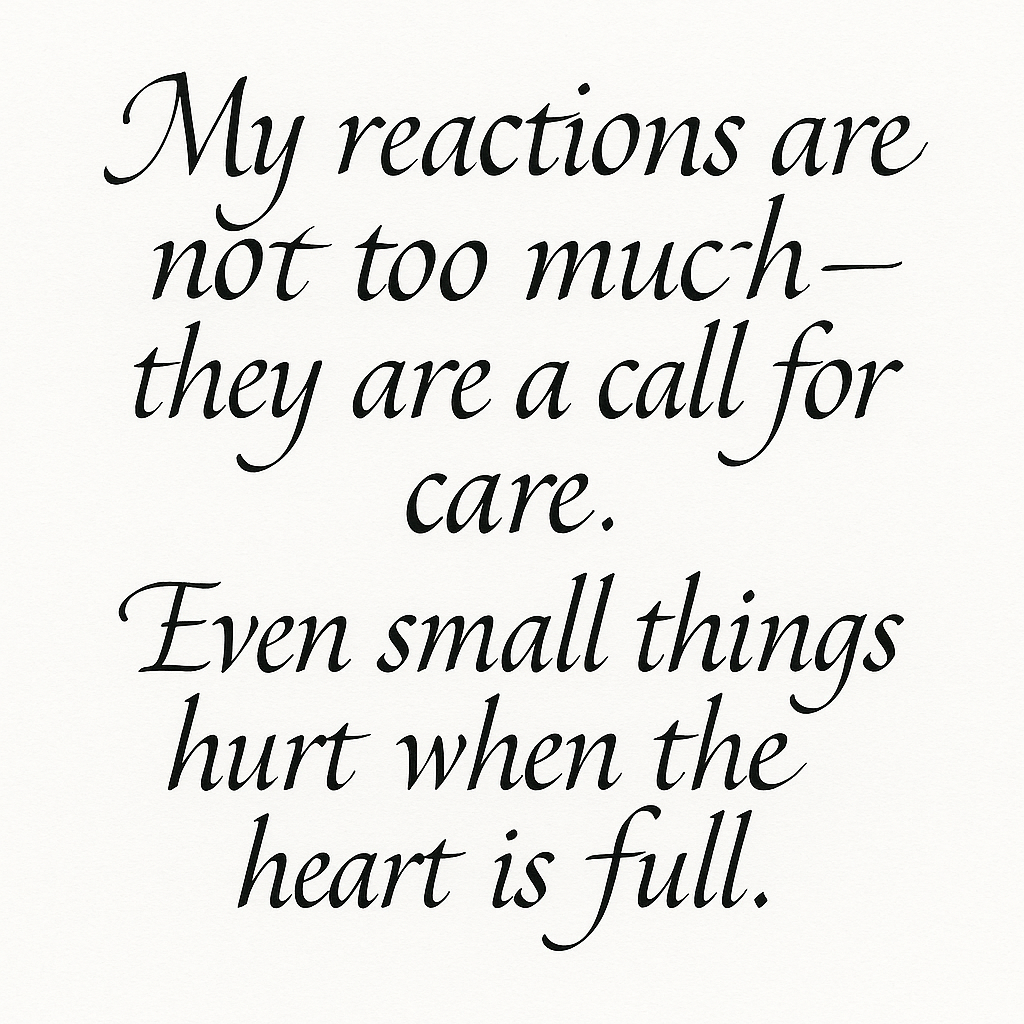
Image Healing: Mandala Stability Guidance 79
Please gaze upon the spiral structure of the mandala. If you only look at a part, you'll feel the lines constantly receding and turning. But if you consider the whole picture, you'll discover it's an expanding universe. Every time you feel, "I've encountered the same old problem again," you're actually taking another step on the spiral staircase. You look down, and the scenery seems the same (the same fear), but you're actually standing at a higher level. You possess experiences and awareness you didn't have before. This isn't a fall; it's a spiral ascent.
Traditional mandalas typically feature a harmonious and intricately varied circular structure, symbolizing the wholeness of the universe and the cycle of life. By viewing mandala images, individuals can perceive inner peace and strength, achieving psychological balance.
◉ Gaze at the mandala twice, while taking deep breaths.
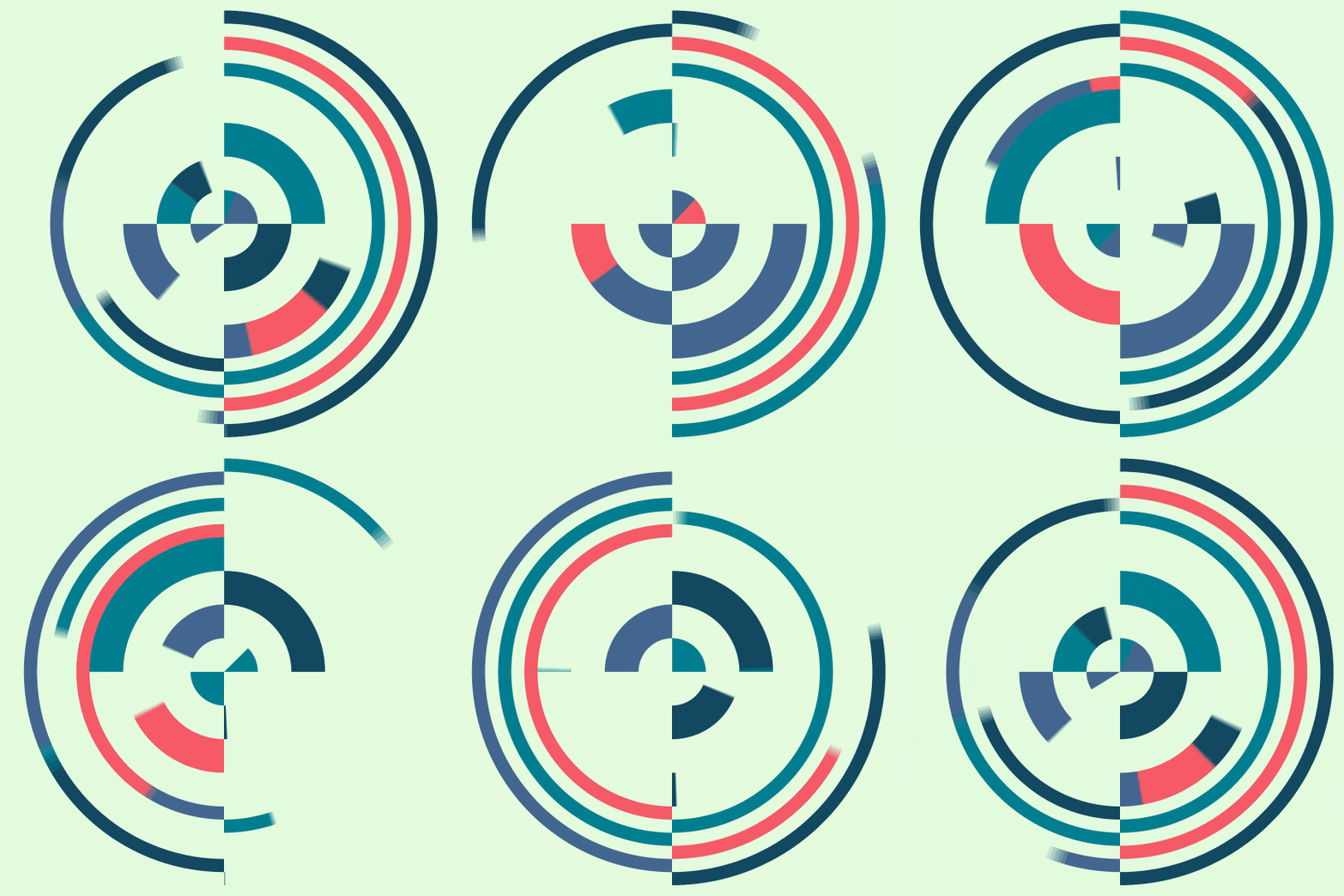
Lesson 79: The "Stable Circuit Diagram" During Relapse“
① Guiding drawing actions:Draw a small circle as your "stabilizing point," then draw several outer rings to represent fluctuations, connecting the center with soft lines to show yourself: I still have a path back to stability.
② Guiding drawing actions:Use two colors, a darker one to depict the "core strength" and a lighter one to depict the "recurring ripples," so that the image shows the ripples spreading but not taking away the center.
Please log in before submitting your drawings and feelings.
○ 79. Relapse - Journal-Guided Recommendations
① In what context did today's fluctuations occur? Can I describe it as a specific instance?
② What was the first thing I said to myself? Did these words help me?
③ If I view relapse as "the body seeking stability," how would I reinterpret it?
④ What small action can make me feel safe again? For example, taking a deep breath, walking around, or drinking a sip of warm water.
⑤ Evaluate the current stability using a scale of 0–10, and write down the sentence "I am still a force in progress".
Please log in to use.
Relapse is not failure, but part of the integration process. You are learning how to remain stable amidst fluctuations—which is more powerful than no fluctuations at all.
 EN
EN  ZH
ZH  ES
ES  FR
FR  JA
JA