
Lesson 811: Emotion Regulation and Self-Soothing Techniques

Course duration:70 minutes
This lesson teaches you some emotion regulation and self-soothing techniques, including breathing, tactile soothing, gentle self-talk, and physical relaxation. When impulses arise, you can first take care of your tense body instead of rushing to blame yourself.
○ Course topic audio
Lesson 811: Emotion Regulation and Self-Soothing Techniques
Click to view the read-aloud text
When emotions run high, the body often reacts first. Shallow breathing, tense shoulders, and restless fingers can all push you to the brink of plucking hairs. Instead of immediately trying to reason with your body, try soothing your body: slow breathing, warm water, soft touches, and gentle pressure on your palms. Regarding "emotional regulation and self-soothing techniques," you can start by asking yourself three gentle questions: What are my most common triggers right now? What is the smallest alternative I can do? How can I talk to myself without hurting myself further? You can think of today's exercise as a small act of self-care, not an exam or a judgment. Set a low-barrier goal for yourself, such as observing only one impulse, delaying it by only ten seconds, writing down only one sentence, or preparing only one alternative tool. The smaller the goal, the easier it is to actually achieve; each successful achievement gives you more evidence of your ability. If you experience frustration, shame, or the urge to give up, don't rush to criticize yourself. These reactions are common and indicate that you are touching the core of an old habit. You can stop, take a sip of water, relax your shoulders, and tell yourself: This is a little difficult for me, but I don't need to hurt myself to get through this moment. Change is usually not linear. Doing well today, only to falter tomorrow, doesn't mean all your previous efforts have been wasted. Every time you're willing to start anew, you're training for a new path. Focus on concrete actions, not on drawing conclusions about yourself. You're not someone who needs fixing; you're someone learning to take care of yourself. When it's over, give yourself a gentle ending. Wash your hands, tidy your desk, write down a small progress note, or put alternative tools where they're easily accessible tomorrow. Let your body know that you've done something today, and that's something worth recognizing. Taking it slow doesn't mean standing still; it means you're finally starting to move forward in a way that doesn't harm you. Carefully consider these small efforts; they're helping you gradually regain a sense of security for your body and control over your life. As long as you're willing to see yourself more clearly and protect your body a little more, change is already happening. Today doesn't have to be perfect; simply being willing to start is great. Remember, small practices aren't perfunctory; they're giving your nervous system a chance to relearn. Just pausing a little longer today, protecting your body a little more, is already a step closer to being completely swept away by impulse.

AI Healing Q&A
Focusing on emotion regulation and self-soothing techniques, AI-powered healing Q&A accompanies learners through gentle questions and answers, helping them sort out their troubles, triggers, misunderstandings, and next steps. It doesn't replace professional therapy, but rather helps clarify complex feelings, making practice more relevant to real life and reducing isolation and shame. It also reminds us that recovery can begin gently, allowing our mind and body to slowly return to a stable state. It helps us retain even the small steps we can take today.
○ Music therapy guidance
Music therapy, guided by techniques for emotional regulation and self-soothing, uses calm, gentle, and rhythmically clear sounds to help the body gradually relax from tension and impulsiveness. While listening, place your hands in a safe position and follow your breath, allowing your emotions a harmless outlet. Remind yourself that recovery can begin gently. Let your mind and body slowly return to a state of peace. Make the most of every small step you can take today.

○East-West Healing Tea Drinks
Lavender lemon tea combines the calming aroma of lavender with the refreshing tartness of lemon, making it suitable for anxiety, insomnia, and stress-induced mood swings. Steep one spoonful of dried lavender flowers for 5 to 10 minutes, then add lemon juice and honey. Enjoy it at night to relax your mind and body.
○ Healing Recipes
○ Motherwort porridge
Motherwort porridge has a light herbal fragrance, making it a suitable dietary reminder for those focusing on mood regulation. It emphasizes smoothness, relaxation, and bodily rhythms, helping learners understand that emotions are not the enemy, but rather signals that need to be seen and channeled. However, it should be consumed with caution, taking into account individual constitution and physical condition.
Open the healing recipe
◉ Eastern Food Therapy · Porridge · 31. Motherwort Porridge
I. Recommended Dietary Therapy and Reasons
Recommended dishes:Motherwort porridge
Recommended reasons: Motherwort porridge has a light herbal fragrance, making it a suitable dietary reminder for those focusing on mood regulation. It emphasizes smoothness, relaxation, and bodily rhythms, helping learners understand that emotions are not the enemy, but rather signals that need to be seen and channeled. However, it should be consumed with caution, taking into account individual constitution and physical condition.
2. Recipe and Method
Recipe (1–2 servings):
- Motherwort 5 g
- 50 g japonica rice
- 750 ml of clean water
- Two red dates (optional)
- A little brown sugar, optional
practice:
- Wash the motherwort, boil it in water for 10 minutes, then extract the juice and remove the residue.
- Wash the rice and add motherwort juice and an appropriate amount of water.
- Simmer over low heat for 30 minutes until the rice is soft and tender.
- You can add red dates and cook for another 5 minutes.
- Add a small amount of brown sugar as needed.
3. Small rituals for body and mind
When processing herbs, remind yourself that your emotions need to be channeled, not suppressed.
When stirring the porridge, imagine that the tension can be gradually released.
Record whether your body feels more relaxed after consuming the food, and avoid using the recipe as a compulsive solution.
4. Dietary Therapy Experience Record
- Record the time of consumption, whether it is breakfast, lunch, dinner, or physical and mental care when impulses, fatigue, or anxiety are rising.
- Observe the changes in satiety, stomach comfort, body relaxation, and intensity of hair-plucking urge within 30–60 minutes after consumption.
- Record whether this recipe helps you delay impulses, stabilize your emotions, or more gently return to your bodily sensations.
V. Instructional Videos (approximately 3–5 minutes)
Video Title:Motherwort Porridge: A Traditional Chinese Medicine Recipe for Healing and Dietary Therapy
6. Precautions
- Pregnant women, those with excessive menstrual flow, or those experiencing bleeding problems should not consume this product without medical advice.
- Motherwort has herbal properties; long-term use requires consultation with a professional.
- People with low blood pressure or weak constitution should exercise caution.
- Stop immediately if it becomes unbearable.
hint:This recipe is for daily physical and mental well-being and is not a substitute for any medical diagnosis or treatment. If you have allergies, chronic illnesses, are pregnant, are taking special medications, or require low-sodium or low-sugar diets, please prioritize following the advice of your healthcare provider and nutritionist.

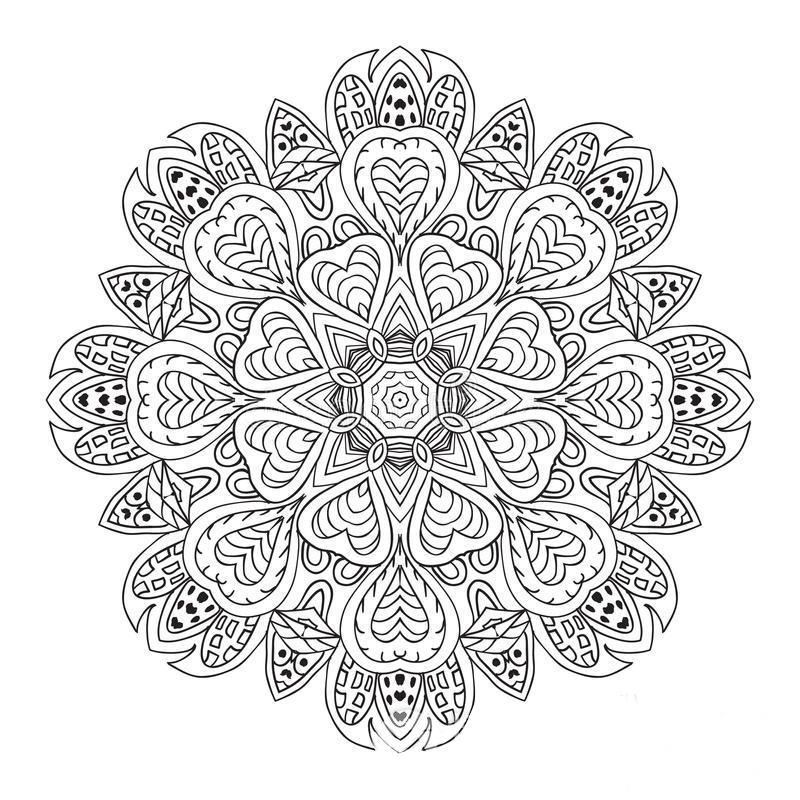
Mandala Viewing Healing
Mandala visualization therapy, combined with emotional regulation and self-soothing techniques, simply involves quietly observing the shapes, colors, and central structure; drawing or completing a work is not required. While viewing, focus your attention on your breathing, eye movement, and bodily sensations, allowing your mind to gradually return from tension to stability. Remind yourself that recovery can begin gently. Let your mind and body slowly return to a peaceful state. Reserve even the small steps you can take today.
● AI Dynamic Geometric Vision Focus and Emotion Regulation Engine ●
AI Dynamic Geometric Vision Focus and Emotion Regulation Engine · v7.0.0
Before we begin, I'd like to know how you feel right now.
There is no standard answer; just choose the one that best reflects how you feel right now.
The experience is over. Tell us how you feel now.
There is still no standard answer; just choose the one that best reflects how you feel right now.
#FF5252
After the fluorescent line crawling is completed and stopped, first select a color, then click on the closed area in the graphic to fill in the color.
AI Digital Mandala Interactive Focus Engine
A–Z Free Selection · Layered Lines · 60 Color Fills
AI Digital Mandala Static Focus EngineAZ Image Coloring · 60 Colors

○ Calligraphy and engraving therapy practice
The healing practice of calligraphy and engraving, combined with emotional regulation and self-soothing techniques, uses slow, clear, and repetitive strokes or engraving movements to place the energy in the hands. The focus is not on writing beautifully, but on transforming the hands from automatic, harmful movements to expressive gestures with boundaries, rhythm, and care. It also reminds oneself that recovery can begin gently. Let the mind and body slowly return to a stable state. Reserve even the small steps you can take today.


○ Art Therapy Guidance
Art therapy, guided by techniques for emotional regulation and self-soothing, uses lines, colors, textures, and body contours to express unspoken impulses, shame, tension, or feelings of repair. The artwork doesn't need to be aesthetically pleasing; it simply needs to help externalize emotions safely, providing a gentle outlet for inner pressure. It also reminds us that recovery can begin gently. Let your mind and body slowly return to a stable state. Keep a record of the small steps you can take today.
Please log in before submitting your drawings and feelings.

○ Diary Healing Suggestions
Journaling therapy suggests combining it with emotion regulation and self-soothing techniques to record today's triggers, physical signals, alternative actions, emotional changes, and a small, positive step forward. Writing is not about judging yourself, but about gently observing patterns and preparing for an earlier pause next time. It also reminds you that recovery can begin gently. Let your mind and body slowly return to a stable state. Record every small step you can take today.
Please log in to use.
May you gradually return to a more stable, clear-headed, and gentler version of yourself through today's practice.