

Lesson 842: Identifying and Adjusting Cognitive Misconceptions Behind Impulsive Behavior
Duration:70 minutes
Topic Introduction:Impulsive behavior isn't simply about impulse itself; it often hides distorted thought patterns. This lesson will help you identify and adjust these errors, transitioning from automatic reactions to conscious choices.
○ Common Impulsive Cognitive Misconceptions
- Catastrophic thinking:“If I didn’t do this, I would feel worse.”
- Absolute belief:“I have to do it now or I’ll miss my chance.”
- Labeled negation:"I'm the one who can't control myself. I fail anyway."
▲ AI interaction: Record your typical thoughts before your most recent impulse
Many times, impulsive behavior stems from distorted thoughts, such as "I must do it now" and "It will be worse if I don't do it."
Write down the three thoughts that come to you most often today and examine each one to see if they have any basis in fact.
Then find a gentle alternative expression for each thought.
Repeat this three times and feel your body slowly relax.
Conclusion: Thoughts are not commands, they can be reinterpreted.
Click the button below to help AI identify these cognitive errors and design new alternative sentences.
○ Identifying and adjusting the cognitive misunderstandings behind impulsive behavior · Music therapy
Sometimes we get caught up in the need to “do it now.” Play a piece of piano music and use it as a gentle mirror.
In music, write down your most common impulsive thoughts and rewrite them one by one into softer expressions.
Let the melody help you transform "I can't control it" into "I can stop first, listen to the song and then decide."
The ups and downs of the music are a reminder: thoughts are not commands, but beats that can be adjusted.
Conclusion: When the mind is gentler, the heart will become lighter.
○ Oriental healing tea
Recommended drinks:Longan and Red Date Tea
Recommended reasons:It replenishes blood and calms the mind, relieves tension and irritability, and helps maintain a calm mood during cognitive training.
usage:10g longan, 3 red dates, brew with warm water for 10 minutes, drink before going to bed or during the impulse period.
○ Shepherd's Purse and Wolfberry Chicken Soup
Gently nourishes the liver, improves eyesight, and supports the immune system. It relieves visual fatigue and stamina, promoting mental clarity and endurance. It's ideal for families experiencing stressful periods, irregular schedules, or seasonal changes.
Gentle and nourishing
immune support
Healing Recipes
/home2/lzxwhemy/public_html/arttao_org/wp-content/uploads/cookbook/ji-cai-gou-qi-ji-tang.html(Please confirm that the following has been uploaded: ji-cai-gou-qi-ji-tang.html)
🎨 Color Mandala·Thinking Transformation Visual Exercise
Through graphics and colors, fixed cognitive misunderstandings are deconstructed and reorganized, and a flexible thinking system is gradually established.
- Belief Hierarchy Diagram:Draw a picture of the core beliefs behind your impulsive behavior and label them as “True or Not.”
- Alternative Mantra:Write "I can have other ideas" layer by layer in the picture and outline it with a gentle color.
- Cognitive Reconstruction Map:Graphically visualize the process of “old thinking → alternative expression → emotional change” to form a visual memory anchor.
[mandala_course_140_safe]
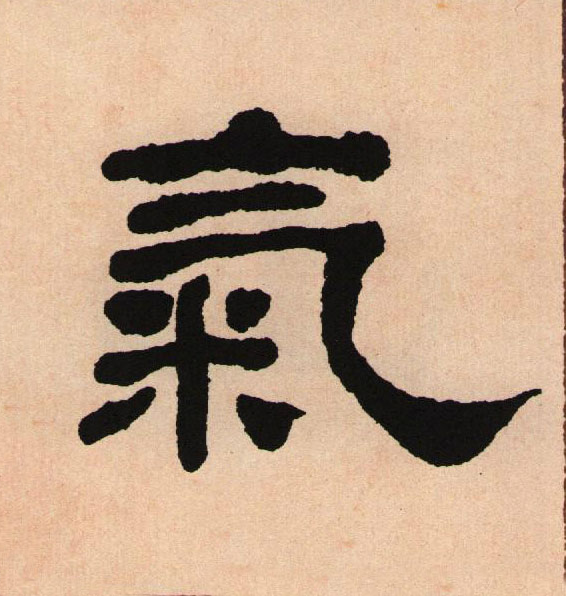
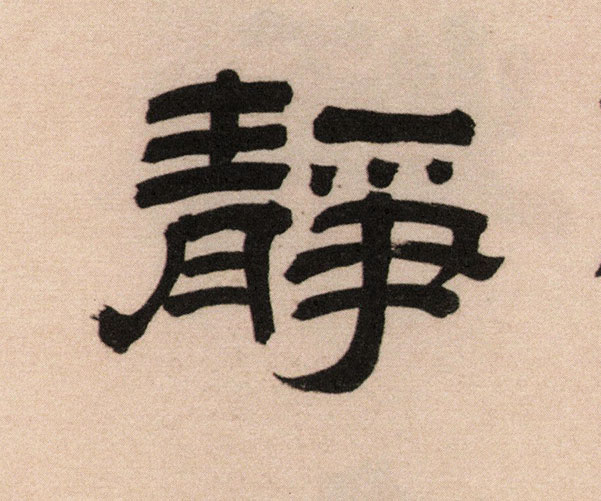
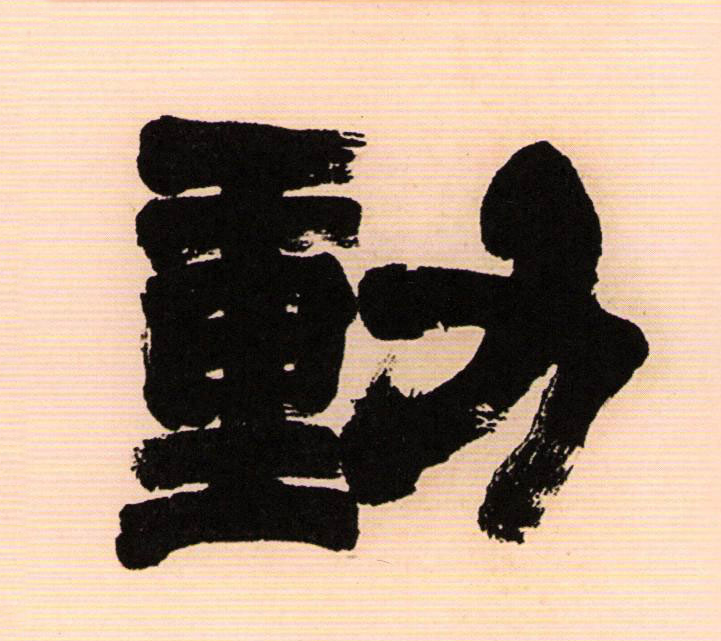
○ Seal Script· Chinese Calligraphy Practice
This lesson recommends writing the three characters "宁", "静" and "气" to train the path transition from "thought to belief".
Practice sentences:
“"Calm your mind and use stillness to control movement"
Calm the Heart and Steady the Breath · Stillness Controls Movement”
It is recommended to read the sentences softly while writing to strengthen the integration of text and consciousness.





Lesson 842: Identifying and Adjusting Cognitive Misconceptions Behind Impulsive Behavior
Objective: To become aware of thought patterns such as "I absolutely have to do it" and "I cannot bear it if I do not act immediately".
Steps: Draw a bubble, write down these thoughts, and then gently draw a soft halo around it. Write: "I can stop first and then decide." Drawing makes "thoughts" more concrete, helping you find space and choice in your vision.
Please log in before submitting your drawings and feelings.
○ 842. Identifying and Adjusting Cognitive Biases Behind Impulsive Behavior: Journal-Guided Suggestions
① Capture three automatic thoughts: such as “If I don’t do it now, it will be more uncomfortable”, “I can’t control it”, “This is the only way to feel relieved”.
② Evidence verification: Write 2 pieces of evidence each for each sentence, supporting/refuting/uncertain, to separate feelings from facts.
③ Gentle rewrite: Replace “must do it immediately” with “wait 90 seconds before deciding”, read it three times, and observe the changes in your body.
④ Result Record: Did the discomfort subside naturally after the delay? Use a score of 0–10 to mark the difference before and after.
⑤ Save the most powerful alternative sentence and make it into your phone lock screen or a note so you can read it at any time.
⑥ Conclusion: Thoughts are not orders; when certainty decreases, impulses will have loopholes to leak.
Please log in to use.
To change your behavior, start by changing your thoughts; to change your thoughts, start by identifying misconceptions.
 EN
EN  ZH
ZH  ES
ES  FR
FR  JA
JA