

Lesson 843: Mastering Specific Behavioral Techniques for Impulse Control
Duration:70 minutes
Topic Introduction:This course focuses on practical impulse control techniques to help you take effective actions like delaying, replacing, and regulating impulses when they strike, rather than falling into automatic reactions. You will build your own behavioral intervention toolbox.
○ Three types of impulse control techniques (delay/substitution/relaxation)
- Delay Tips:Count down to 10 seconds, stand up and walk around, and set a "pause action" cue card.
- Alternative techniques:Replace impulsive behavior with holding a rubber ball, drawing circles, tearing paper, or applying cold compresses.
- Relaxation techniques:4-4-4 breathing technique, apply a hot towel to your face, and smell your favorite scent.
▲ AI Interaction: What impulse control methods have you tried? How effective are they?
When the urge arises, try to "delay for a minute" and use your breathing to help you get through it.
You can also choose an alternative action: such as squeezing the rubber ball, writing a sentence, or leaving the scene.
After completion, record the changes in impulse intensity and compare the differences before and after.
You will find that impulses are not unchangeable.
Conclusion: Every little trick is a new buffer zone between you and impulse.
Click the button below to work with AI to customize an "Impulse Control Behavior Checklist" that suits your situation.
○ Mastering specific behavioral techniques for impulse control and music therapy
Impulse is like a sudden drumbeat, making you want to get up immediately. Play a slow song and take a deep breath before the chorus.
You can turn impulses into actions by tapping your fingers, gently squeezing objects, or walking a few steps to the rhythm.
With the accompaniment of music, record the changes in the intensity of the impulse and you will find that it is easier to weaken than you think.
Conclusion: When melody and movement meet, it is a gentle alternative path.
○ Oriental healing tea
Recommended drinks:Longan and Red Date Tea
Recommended reasons:It nourishes the heart and calms the mind, regulates mood swings, and can be consumed as a "stabilization ritual" before and after an impulse.
usage:10g longan and 3 red dates, boil for 10 minutes and drink while warm.
○ Wolfberry and Chrysanthemum Soup
This nourishes the liver and vital essence, brightens the eyes, and relieves dryness and soreness caused by prolonged screen time and reading, helping to stabilize focus. This refreshing and gentle drink promotes a relaxing mood, making it a perfect evening snack for eye protection.
Soothing eyes
Refreshing and relaxing
Healing Recipes
/home2/lzxwhemy/public_html/arttao_org/wp-content/uploads/cookbook/gou-qi-ju-hua-geng.html(Please confirm that the file has been uploaded: gou-qi-ju-hua-geng.html)
🎨 Color Mandala·Behavior Control Path Diagram
Convert the process of "impulse → pause → replacement → release" into a visual image to help you establish an "automatic interruption system".
- Pause Path Map:Build three circles in the mandala: Impulse Center → Pause Strategy → Alternatives.
- Behavioral Substitution Diagram:Draw five alternative actions that you like or use frequently and color-code them.
- Daily Stability Chart:Every successful control adds a touch of color to the picture and establishes positive feedback.
[mandala_course_133_safe]
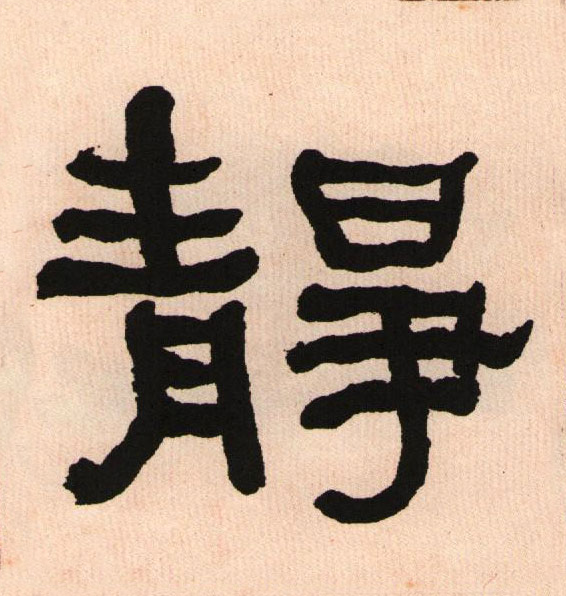
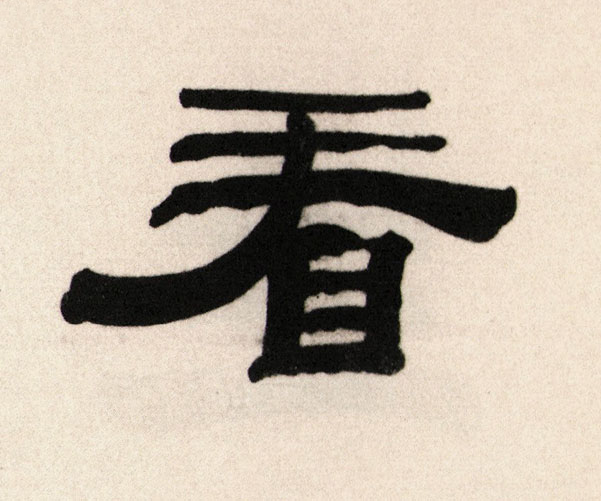
○ Seal Script· Chinese Calligraphy Practice
It is recommended to write the three words "raise", "leisure" and "settlement" to strengthen the behavioral awareness of "slow down, change and stabilize".
Practice sentences:
“"Cultivate tranquility and mind, and leisurely observe the changing world."
Practice Stillness to Nourish Spirit · Watch Clouds Drift Leisurely. "”
Combine deep breathing with focused writing to establish the start button for behavioral awareness.






Lesson 843: Mastering Specific Behavioral Techniques for Impulse Control
Objective: To establish synchronized self-control of body and mind through specific exercises.
Steps: Draw a hand lightly clenched into a fist and then opened, symbolizing "energy control." Draw the sequence of actions: awareness—breathing—release. Write down: "I can choose how to respond, rather than be dominated by my reactions." Let the image serve as a visual reminder for self-control practice.
Please log in before submitting your drawings and feelings.
○ 843. Mastering specific behavioral techniques for impulse control: Journal-guided suggestions
① Delayed timing: When the impulse is ≥ 4/10, set the timer to 90 seconds and only do four beats of inhalation and six beats of exhalation × 4 rounds.
② Alternative actions: Choose one of the following: busy hands (pinching/pouncing/pressing points), walking 30 steps, or cold/warm compress for 30 seconds.
③ Situation adjustment: Leave the high-trigger position/move the "inducing object" out of sight and create a buffer zone for yourself.
④ Self-dialogue: Use the second person to gently remind yourself: “You are practicing, not failing.”
⑤ Review sheet: record the starting intensity, ending intensity, and most effective techniques, and reuse them next time.
⑥ Conclusion: Skills are like muscles, they come with practice; the more specific they are, the more likely they are to catch you in the critical moment.
Please log in to use.
Every pause and replacement you make is a step towards inner freedom.
 EN
EN  ZH
ZH  ES
ES  FR
FR  JA
JA