

Lesson 86: Retrospective Analysis and Fear Reconstruction
Duration:70 minutes
Topic Introduction:
After exposure practice, the brain automatically "reviews" the activity: Where did I go wrong? Was I embarrassed by being seen? Did others notice my nervousness?
Without the right review methods, this process can reignite your anxiety and even make you afraid to continue practicing.
The goal of this lesson is to teach you how to transform the process of reviewing your experiences from "amplifying fear" to "rebuilding safety," so that your practice becomes more stable rather than more frantic.
○ Key Steps in Reviewing and Reconstructing Fear
- 1. Separate facts from feelings:The brain exaggerates feelings and mistakes them for facts; the two need to be separated.
- 2. Find out "What I accomplished": A post-mortem review should not only focus on shortcomings, but also record the actions you took to improve.
- 3. Rewrite fear using a "reconstructed language":For example, replace "I must look weird" with "I was a little nervous, but I still managed to hold on."
Lesson 86: Review and Fear Reconstruction (Click to listen to the reading, view the content)
Debriefing isn't about repeatedly dwelling on what went wrong; it's about reinterpreting the experience. Many people, after exposure or social exercises, unconsciously engage in self-judgment, constantly replaying tense moments, magnifying mistakes in details, and ignoring what they've already accomplished. This kind of debriefing only reinforces fear, rather than alleviating it. Truly helpful debriefing focuses not on performance but on the process: what your body experienced, how the fear changed, and what choices you made that differed from the past. Psychologically, fear is persistent because the brain constantly uses old explanatory frameworks to understand new experiences. If every debriefing points to "I still can't do it," the nervous system will only maintain the existing alarm. The core of fear reconstruction lies in providing new meaning to the experience. When reviewing a practice, focus on the facts: I entered the situation, my fear increased, but I didn't immediately escape; I completed the stay, and my fear subsequently fluctuated. This narrative gradually replaces catastrophic interpretations, allowing the brain to see different outcomes. Debriefing is also a process of redistributing responsibility. You don't need to be responsible for the emergence of fear, but you can be responsible for your choices. When you acknowledge that the emergence of fear is normal, and you still acted, the dominance of fear decreases. Fear reconstruction isn't about denying discomfort, but rather putting it back in its proper place; it's simply part of the experience, not a conclusion. Through repeated such reviews, the brain gradually updates its assessment of risk, shifting from a sense of necessity to one of tolerability. The significance of review lies not in summarizing lessons learned, but in reinforcing new safe memories. True fear reconstruction only begins when you learn to look back at yourself with support rather than aggression.
▲ AI Interaction: Which practice session would you like to review together?
Tell the AI about your most recent social or exposure exercise, including the moment you felt most nervous.
AI will help you break down "facts vs. feelings".
It also helps you rewrite your fear language into more solid and realistic expressions.
Listening to music for a few minutes before reviewing can help stabilize the body and prevent the brain from amplifying negative thoughts while under tension.
A quiet, rhythmic sound field can reduce self-attacks and make the review process more objective and gentle.
○ Eastern Healing Tea - Anji White Tea
Recommended drinks:Anji White Tea
Recommended reasons:A light fragrance can clear your mind and help you avoid over-processing emotions when reviewing a situation.
practice:Steep in 80℃ water for 1–2 minutes; suitable for drinking before or after reviewing a performance.
○ Stable Nutrition - Grapefruit Oatmeal Warm Bowl (ID86)
During the debriefing and emotional integration phase, the body needs a gentle yet continuous nourishment. The softness of oats can stabilize the nervous system, helping emotions settle down gradually, while the refreshing aroma of grapefruit brings a sense of clarity and renewal without being stimulating. This warm bowl is suitable for consumption after debriefing practice, allowing the body to feel safe during reflection and helping new understandings to be truly absorbed. It symbolizes moving forward gently and integrating without being harsh in reflection.
Gentle repair
Update your understanding
Open Recipe
◉ Stable Diet Therapy · Warm Grapefruit Oatmeal Bowl (ID 86)
The Warm Yuzu Oatmeal Bowl is a light and comforting breakfast or light dinner with a delicate aroma. The smooth texture of the warm oatmeal complements the fruity aroma of yuzu, creating a "warm yet refreshing" quality that is both soothing and light. The aroma of yuzu peel and pulp diffuses in the steam, making the whole bowl of oatmeal seem to glow, perfect for when you're feeling down, have a poor appetite, or need a gentle boost.
Warm and light breakfast The fruity aroma is bright and clear. Smooth and comfortable
I. Recommended Dietary Therapy and Reasons
Recommended dishes:Warm grapefruit oatmeal bowl (ID 86)
Recommended reasons: Whole grain oats provide stable energy without the heaviness of a staple food; the aroma of grapefruit makes this warm dish even lighter and easier to eat, especially suitable for those with poor appetite, fatigue, or on cold, gloomy days. Grapefruit is often considered a fruit with invigorating and refreshing properties in East Asian cuisine. Adding it to warm porridge not only balances the richness of the oats but also provides a subtle sense of awakening. The overall sweetness is naturally mild, making it suitable as a light main meal during recovery and nourishment.
2. Recipe and Method
Recipe (1–2 servings):
- 40–50 g of instant or stirred oatmeal
- 250–300 ml of water or milk/plant-based milk
- 40–60 g of grapefruit pulp (without membrane)
- A small amount of grapefruit peel (be sure to only use the yellow outer layer).
- 1 teaspoon of honey (adjust to taste)
- A small amount of chopped nuts (optional, for garnish)
- A pinch of salt (optional, for flavor).
practice:
- After peeling the grapefruit flesh, remove the white membrane and cut it into small pieces; scrape off a small amount of the yellow peel and set aside.
- Add water or milk to a small saucepan, pour in the oatmeal, heat over medium heat and stir gently.
- When the oats have softened and thickened slightly, add grapefruit pulp and a little bit of zest to infuse the flavor.
- Add honey as needed to adjust the flavor. To enhance the flavor profile, add a very small amount of salt.
- Continue simmering over low heat for 1–2 minutes, until the grapefruit aroma is released into the oats, then turn off the heat.
- Pour into a bowl, and you can sprinkle with chopped nuts as a garnish, or add a small amount of grapefruit pulp to enhance the aroma.
3. Small rituals for body and mind
When peeling grapefruit, keep your movements gentle and savor the moment the grapefruit aroma rises, as a small reminder to yourself: "I deserve a little bit of light."“
While cooking oatmeal, make the stirring motion a steady rhythm, and slow down your breathing, as if to gently cool down your mind.
When you pick up the bowl, don't rush to take the first sip. First, take a deep breath of the hot air and let the aroma of grapefruit enter your nasal cavity. Then, tell yourself in your heart, "Take your time."“
4. Dietary Therapy Experience Record
- Record the context of consumption: after waking up in the morning, after a tiring dinner, or as a small ritual on a day off.
- Observe the changes in body warmth, mental alertness, and satiety within 30 minutes after consumption.
- If you continue to use this dish during a recovery period or a period of stress, you can record how well it helps with sleep, stabilizing energy, and mood.
V. Instructional video (approximately 3–4 minutes)
◉ Video Title:Warm Grapefruit Oatmeal Bowl - A bowl of light, warm, and comforting fruity aroma.
6. Precautions
- Use only a moderate amount of grapefruit peel, taking only the yellow outer layer to avoid the white part which can cause bitterness.
- If you have a sensitive stomach, you can cut the grapefruit pulp into smaller pieces to make it easier to slide into your mouth with the oatmeal.
- Honey should be added after the heat is turned off to avoid high temperatures destroying its flavor and nutrients.
hint:This recipe is for daily physical and mental well-being and is not a substitute for medical diagnosis and treatment. If you have special dietary restrictions or gastrointestinal discomfort, please follow professional advice.
○ Modern Calligraphy · Lesson 86 Writing Practice Suggestions
The topic of this lesson:Retrospective analysis and fear reconstruction—it's just a term, not a monster.
In-depth analysis:
Post-exposure debriefing is crucial. You'll discover: "The disasters I expected (like fainting or being laughed at) didn't happen."“
Now, we need to "reconstruct" that object of fear.
In modern calligraphy, the same word can be written in a ferocious "cursive" style or in an elegant "copperplate" style.
The task of this lesson is to rewrite the word that once represented a nightmare (such as Spider, Crowd, Elevator) in the gentlest and most beautiful font you know.
Watching it become pleasing to the eye on paper tells the brain: it is no longer a threatening signal, it is now just a set of beautiful lines.
Writing Techniques (Revised Version):
- Word-by-word analysis (Explosion View):Break down that terrifying word. For example, S – n – a – k – e. Maximize the distance between the letters. When they are no longer tightly packed together, the oppressive feeling is diluted. They become isolated letters, no longer a unified "monster."
- Softening filter:Deliberately smooth out all the sharp edges. If the word contains sharp letters like 't' or 'k', replace straight lines with rounded wavy lines. Give the word a "soft-focus filter" to visually remove its aggressiveness.
- Floral Integration:Around the word of fear, draw delicate vines or leaves (flourishing). Even let the leaves pass through the letters. This symbolizes that the beauty of life (flowers and plants) can coexist peacefully with this existence (the object of fear), and it cannot destroy the beauty of the picture.
- The Power of the Full Stop:After writing this word, solemnly draw a rounded period. This represents the conclusion of the review: "It happened, it's over, and I'm fine."“
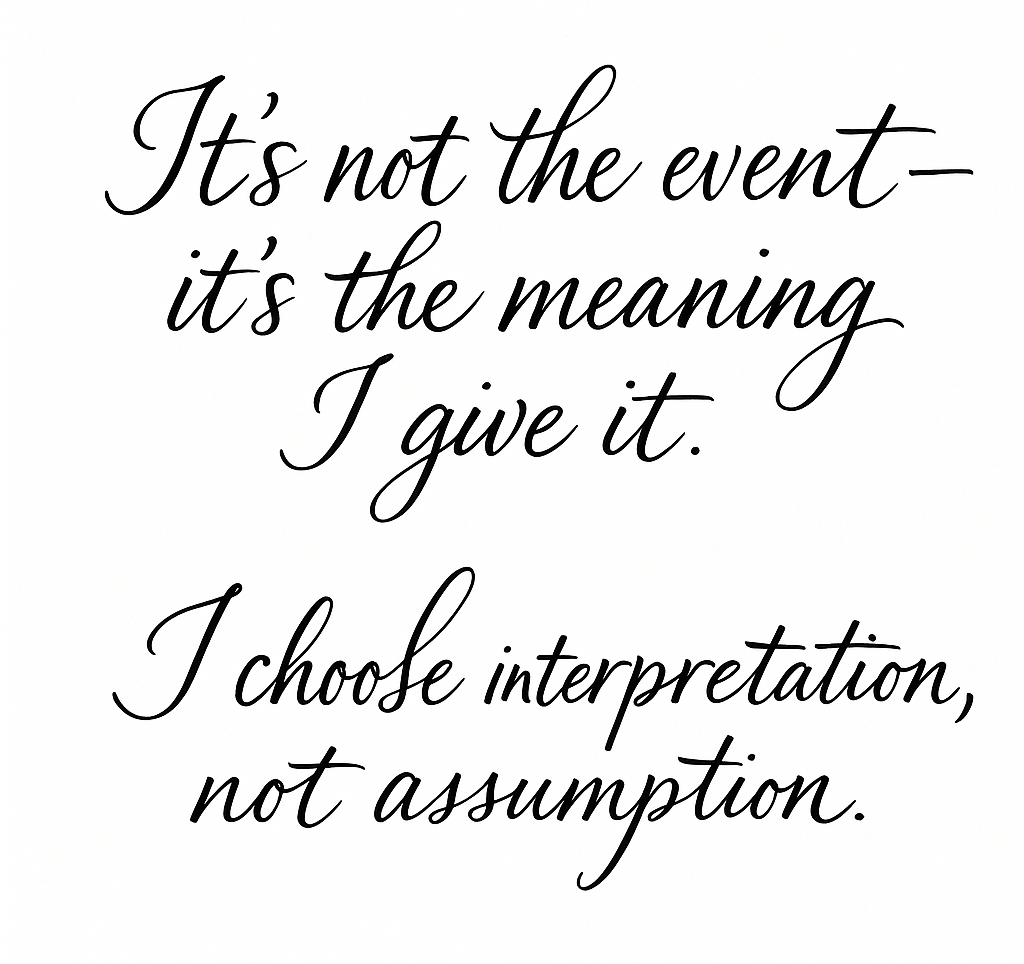
Image Healing: Mandala Stability Guidance 86
During the debriefing phase, look at the mandala again. Perhaps before you saw it as a net or a trap. Now, try "cognitive reconstruction": look at its intricate geometry. Those lines aren't there to trap you, but to support a balanced pattern. In your mind, break down the fearful event you just experienced into pieces and place them into the grid of the mandala. You see, once the fear is broken down and put back in its place, it becomes a piece of the puzzle in this grand picture of order. It is no longer the source of chaos; it is part of the order.
Traditional mandalas typically feature a harmonious and intricately varied circular structure, symbolizing the wholeness of the universe and the cycle of life. By viewing mandala images, individuals can perceive inner peace and strength, achieving psychological balance.
◉ Gaze at the mandala twice, while taking deep breaths.
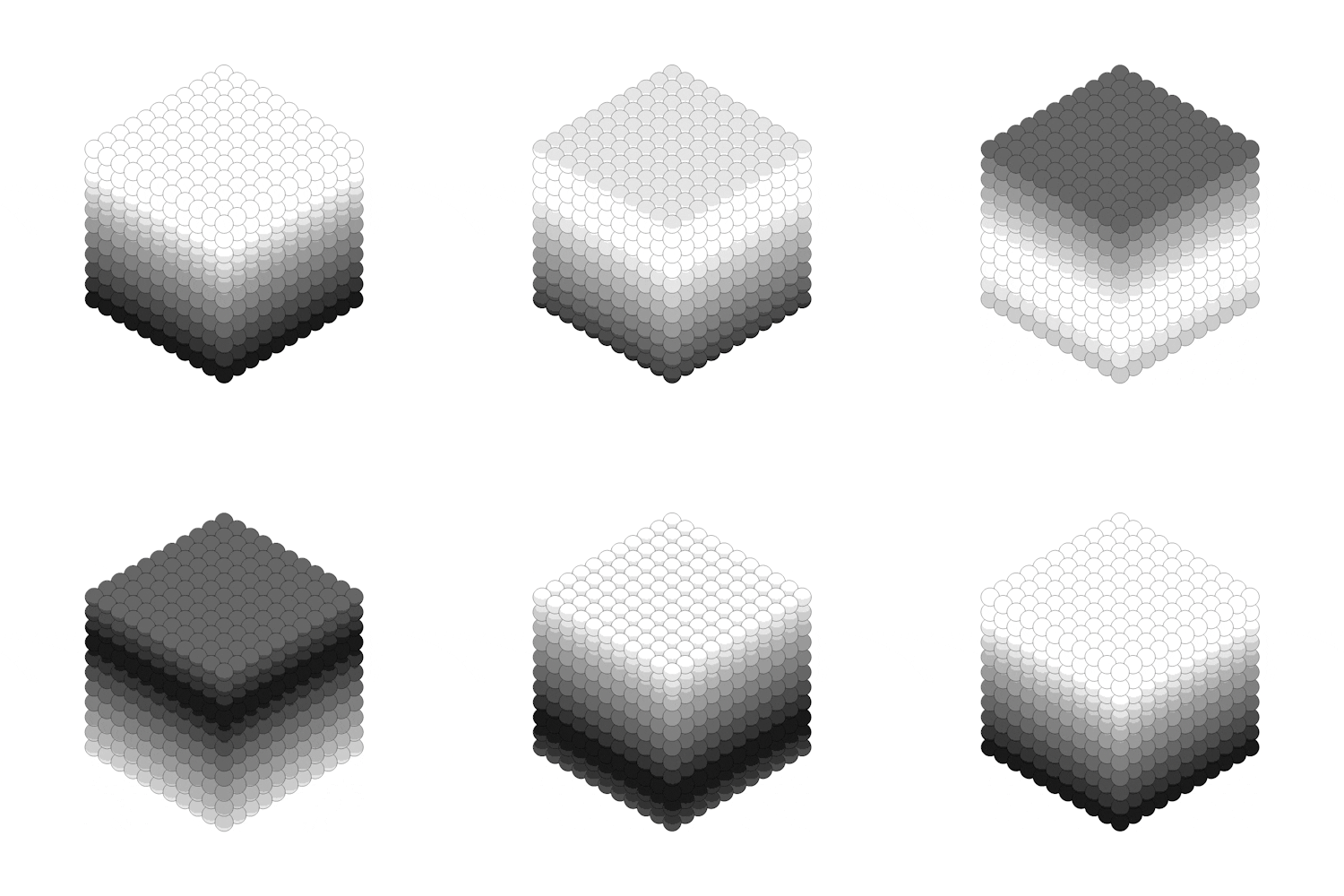
Lesson 86: The Visual Path of Fear Reconstruction
① Guiding drawing actions:Draw a path that gradually transitions from chaotic lines to orderly lines, symbolizing the shift of fear from "magnification" to "clarification".
② Guiding drawing actions:Adding soft color blocks along the path represents a "sense of stability after reinterpretation," helping the brain re-encode emotional information.
Please log in before submitting your drawings and feelings.
○ 86. Retrospective and Reconstruction: Log-Guided Suggestions
① What was the most nerve-wracking moment during today's exposure exercise? What was the truth? What did I feel?
② What approach behaviors did I complete? (Even if they were small)
③ What kind of more realistic and neutral narrative can I rewrite the original "fear language" into?
④ What rhythm do I hope to maintain in the next practice session? (Slower/steadier/Breathe first)
Please log in to use.
The purpose of reviewing is not to find fault, but to give fear a chance to be understood anew.
Every reconstruction is a step in regaining control of your brain.
 EN
EN  ZH
ZH  ES
ES  FR
FR  JA
JA