

Lesson 905: Emotion Regulation and Stress Management Techniques
Duration:75 minutes
Topic Introduction:This course will introduce effective techniques for emotion regulation and stress management, helping participants identify and manage emotional fluctuations and mitigate the negative effects of stress. Participants will learn how to improve emotional resilience through breathing exercises, meditation, cognitive adjustments, and other methods, and practice how to effectively cope with stress.
○ Emotional regulation and stress management
- Emotion Recognition:Learn to identify and understand your own emotions, understand the root causes of emotional fluctuations, and find effective ways to regulate them.
- Identifying stressors:Explore common sources of stress in life and analyze how these stresses affect your mood and mental health.
- Emotion Regulation Skills:Learn cognitive behavioral techniques, deep breathing, meditation, and other methods to regulate emotions and reduce anxiety and anger.
- Stress management methods:Learn how to cope with everyday stress through strategies like time management, prioritization, relaxation techniques, and more.
▲ AI Interaction: How to Identify and Manage Emotions and Stress
Emotions are like the tide; learning to manage them is practicing paddling. Write down three things that cause you stress today.
Mark the importance and controllability respectively, and start with a small thing that is "important and controllable".
Incorporate deep breathing or short bursts of exercise to see if your mood improves.
Conclusion: Small actions are evidence that you are taking control of your life again.
Click the button below to discuss with AI how to identify and manage emotional fluctuations and stressors to help yourself improve emotional resilience and restore balance.
○ Emotional regulation and stress management skills · Music therapy
Stress is like a rapid drumbeat, disrupting your breathing. Play some soothing music and breathe in on four beats and out on six beats.
As you listen, write down the three things that stress you out most today and think about which of them you can control.
Music helps you prioritize and allows stress to fade away.
Conclusion: The melody reminds you that rhythm can be regained.
🍵 Recommended drinks
Recommended reasons:Certain teas can help relax the body and relieve stress, especially when you're feeling stressed. Today's recommended drink:
Recommended drinks:Rose tea is believed to have mood-soothing, stress-relieving, and calming effects. Its petals are rich in antioxidants, which can help alleviate low mood caused by depression or anxiety and improve mental health.
Directions: Steep 1 teaspoon of rose petals in hot water for 5-10 minutes. Honey can be added before drinking. Drinking 1-2 cups daily can help relieve stress and improve mood.
○ Black rice sesame soup
Black rice anthocyanins and plant iron, combined with black sesame fatty acids, replenish micronutrients and nourish hair and skin. This rich, non-greasy drink helps maintain endurance and emotional balance, making it ideal for warming the stomach in the morning or for a light recharge after an overworked day.
Nourishes hair and skin
Endurance
Healing Recipes
/home2/lzxwhemy/public_html/arttao_org/wp-content/uploads/cookbook/hei-mi-zhi-ma-geng.html(Please confirm that hei-mi-zhi-ma-geng.html has been uploaded)
🎨 Dream Mandala
Dream Healing: Dream Mandala Musings 05 · The Garden Behind the Door
Draw a floral pattern with light green and gold dots. The garden in the dream symbolizes a healing field of the subconscious. Let the colors bloom naturally, and remember: beauty always appears after fear.
The garden of dreams is a haven for the heart.

○ Humanistic calligraphy writing practice
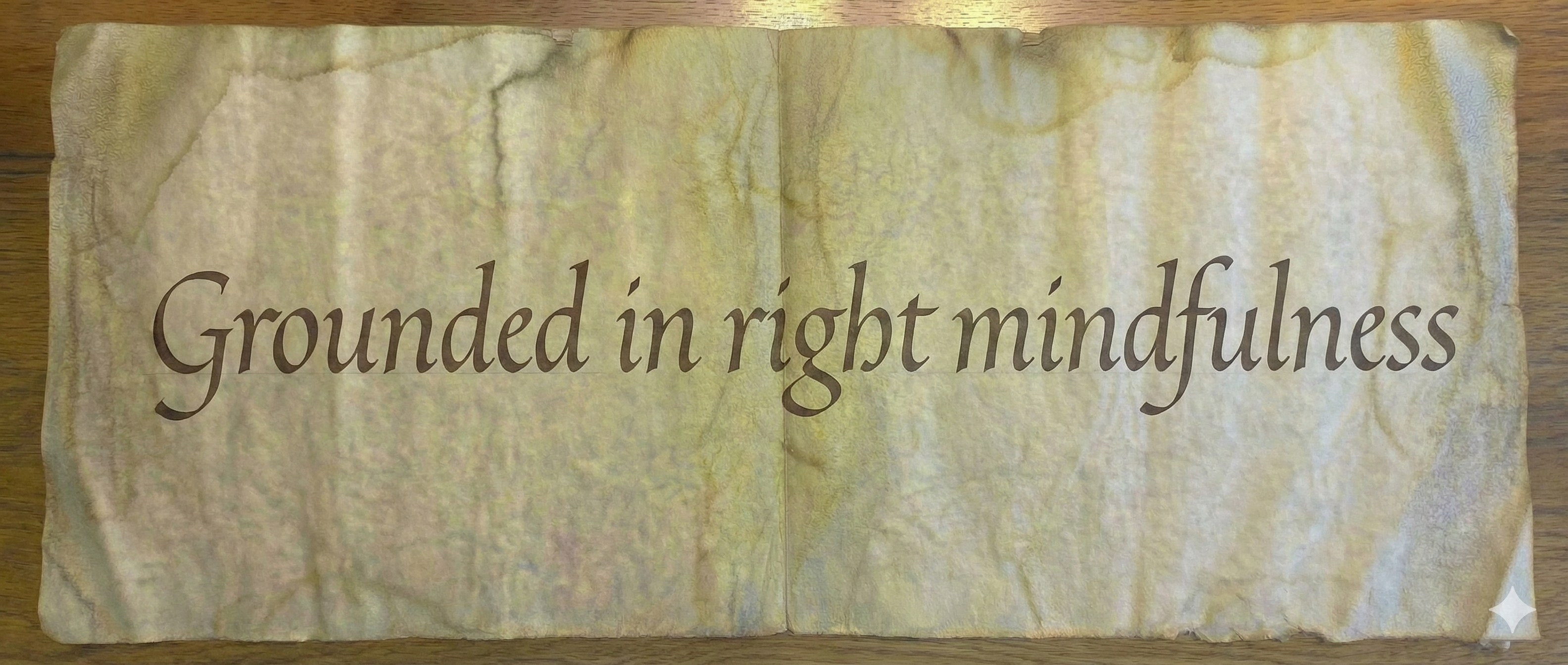
Humanist calligraphy from the Italian Renaissance is characterized by elegant, flowing, and balanced letterforms. The intense focus and meticulousness of writing can help regulate emotions, relieve anxiety, and restore emotional stability. The rhythm and harmony between letters during writing can bring psychological relaxation and satisfaction, while also inspiring creativity and inner peace.
Tips and suggestions:
- Written words:
I honor my own rhythm and no longer force myself. - Writing Tips:
When writing this sentence, it's recommended to proceed with a natural, relaxed rhythm. Perfection or consistency aren't the primary concern; the focus is on experiencing a connection with your inner rhythm during the writing process. Stay aware of any urges to finish quickly or to achieve perfection. If so, gently remind yourself to let go of these inner drives and return to the present moment. Writing should reflect a sense of flow and freedom. - Daily recommendations:
Rewrite this sentence daily in Humanist Script as a ritual to practice respecting your own rhythm. It's recommended to take a few deep breaths before writing and begin the writing process slowly. If you notice a sense of impatience or compulsion during the process, gently slow down and reconnect with your breath and pen. Through daily practice, you can gradually let go of critical self-image and the rhythm of life, cultivating a more gentle and relaxed inner relationship.
Lesson 905: Emotion Regulation and Stress Management Techniques
Objective: To practice emotion regulation and energy balance through visual means.
Steps: Draw a wave, using color to express varying intensities of emotion. Then, draw a stable horizon below the wave, symbolizing breath and awareness. Let the drawing help you see that the "wave" can come and go.
Please log in before submitting your drawings and feelings.
○ 905. Emotion Regulation and Stress Management Techniques: Journaling Guidance Suggestions
① Three stressors today: importance/controllability 0-10 each, prioritize “controllable and important”.
② Adjustment toolkit: Breathing/Muscle relaxation/Mindfulness of the five senses/Short-term exercise. Try each for 2 minutes and choose the most effective one.
③ Rhythm plan: sleep - diet - activity - connection, write down “low-energy version” goals and ensure that you can achieve them.
④ Load limit: Set a limit for yourself in work and social activities, and take the initiative to pause before exceeding the limit rather than passively collapse.
⑤ Evening review: score changes/effective tools/minor adjustments for tomorrow.
⑥ Conclusion: Rules are the skeleton of a sense of security, which stands up slowly.
Please log in to use.
Through this course, you will be able to better understand emotion regulation and stress management techniques, and learn how to regulate and restore physical and mental balance through painting, diet therapy and herbal tea.
 EN
EN  ZH
ZH  ES
ES  FR
FR  JA
JA