

Lesson 943: Causes of the Pre-Acute Disorder
Duration:75 minutes
Topic Introduction:This course will explore the causes of pre-acute disorders and help students understand how various internal and external factors work together to lead to the occurrence of acute disorders. By understanding the causes, students can better identify risk factors, take preventive measures, and learn how to effectively cope with potential psychological distress.
○ Causes of the early stage of acute disorder
- Genetic factors:Understand how genetics plays a role in the development of acute disorders, including the impact of genetic susceptibility and family history on individuals.
- Environmental pressure:Explore how environmental stress in life leads to a decline in an individual's psychological endurance, thereby triggering the occurrence of acute disorders.
- Psychological trauma:Analyze how traumatic events (such as major losses, accidents, violence, etc.) affect mental health and become triggers for early acute disorders.
- Lack of social support:Explore how lack of social support and isolation can exacerbate anxiety and stress in individuals, increasing the risk of acute disorders.
- Physiological factors:Study how physiological factors, such as hormonal changes and neurotransmitter imbalances, contribute to the development of acute disorders.
▲ AI Interaction: How to identify the early causes of acute disorders and prevent them
Please try to sort out a triggering experience: event - thought - emotion - reaction.
Write them down like a chain to help you understand how the conflict occurred.
When you can see the links in the chain, you have the opportunity to intervene next time.
Write a new explanation: "I'm not incompetent, I'm just learning to adjust."
Conclusion: Understanding the causes is the beginning of regaining a sense of control.
Click the button below to discuss the causes of pre-acute disorders with AI, and learn how to identify potential risk factors and take preventive measures.
○ Causes of early acute disorders · Music therapy
Play a song with clear layers, unraveling events, thoughts, emotions, and physical reactions like a clue.
Write down your trigger point in the first paragraph; write down your most recurring thought in the second paragraph; and write a softer alternative for the chorus.
Let the bass remind you that the ground is still beneath your feet and that you are supported.
Conclusion: The division of music tracks makes complexity clear; when the cause is heard, there is an entry point for adjustment.
🍵 Recommended drinks
Recommended reasons:The choice of drink can help alleviate the physiological response to stress and anxiety that occurs before an acute disorder. Today's recommended drink:
Recommended drinks:Jasmine tea is known for its elegant aroma and is suitable for relieving mood swings caused by tension and anxiety. Jasmine tea helps soothe nerves, relax the mind, and is rich in antioxidants that can boost immunity.
Directions: Steep 1 teaspoon of dried jasmine flowers and tea leaves in hot water for 5 minutes. You can add a little honey when drinking to help regulate mood and reduce stress.
Roasted broccoli with olive oil
Broccoli's vitamin C and glucosinolate antioxidants, combined with olive oil's monounsaturated fat, promote the absorption of fat-soluble nutrients and reduce inflammation. This refreshing and chewy dish is a perfect side dish for eye protection and immune health.
monounsaturated fat
immune support
Healing Recipes
/home2/lzxwhemy/public_html/arttao_org/wp-content/uploads/cookbook/kao-xi-lan-hua-pei-gan-lan-you.html(Please confirm that the following has been uploaded: kao-xi-lan-hua-pei-gan-lan-you.html)
🎨 Dream Mandala
Dream Healing: Dream Mandala Musings 09 · The Silent Room
Draw a circle enclosed by a pale gray square. The room in the dream symbolizes inner space. Silence is not emptiness, but the unheard voice of the heart. Listen to yourself in silence.
The silence of dreams is the language of the soul.

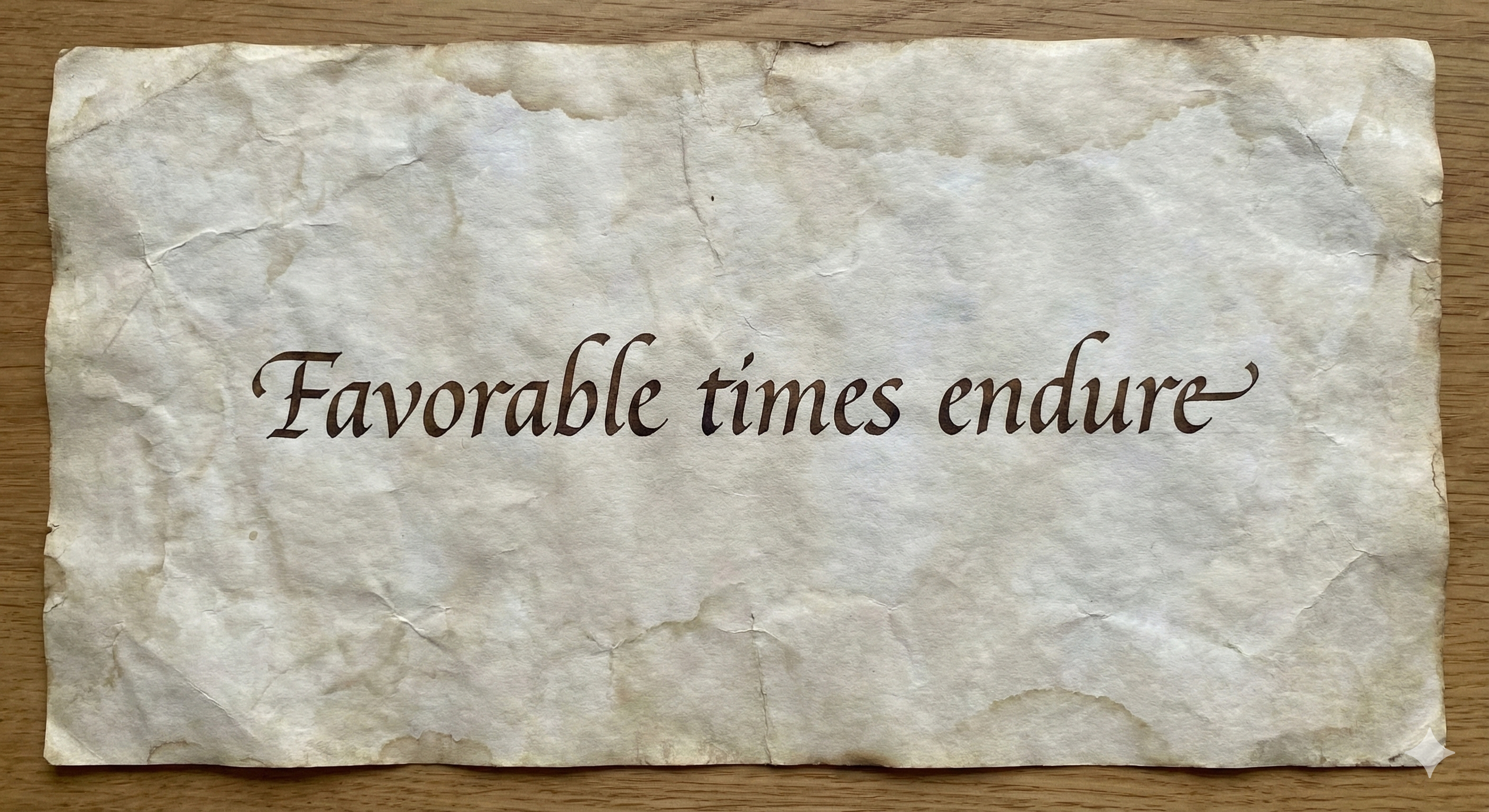
○ Humanistic calligraphy writing practice
Humanist calligraphy from the Italian Renaissance is characterized by elegant, flowing, and balanced letterforms. The intense focus and meticulousness of writing can help regulate emotions, relieve anxiety, and restore emotional stability. The rhythm and harmony between letters during writing can bring psychological relaxation and satisfaction, while also inspiring creativity and inner peace.
Tips and suggestions:
- Written words:
I allow myself to feel all emotions and accept them with kindness. - Writing Tips:
When writing this sentence, it's recommended to use open, gentle brushstrokes, reflecting acceptance and tolerance of all emotions. Keep your breathing natural and flowing, and each stroke can be seen as a message of inner acceptance. If you notice feelings of resistance or discomfort while writing, gently acknowledge them and continue to incorporate them into the writing experience with a steady rhythm. Writing is not just a technical act; it is also a process of establishing a understanding dialogue with your own emotions. - Daily recommendations:
Recite this sentence daily using Humanist Script as a ritual to practice emotional acceptance. This is especially recommended during times of emotional upheaval, helping you to not suppress your emotions but rather experience them with tenderness. Long-term practice can help improve your emotional regulation skills, enhance self-understanding and inner stability, and gradually cultivate a mindset of openness and non-resistance to all emotions.
Lesson 943: Causes of the Pre-Acute Disorder
Objective: To understand the triggering factors and psychological response chain of acute stress through drawing.
Steps: Draw a small circle to represent the "event," and extend multiple lines outward from it, connecting emotions such as "fear," "helplessness," "confusion," and "isolation." Let the direction and intensity of the lines reflect the tension and diffusion within your heart.
Please log in before submitting your drawings and feelings.
○ 943. Causes of the Acute Pre-Disorder Phase: Journaling Recommendations
① Trigger chain: event → automatic thought → emotion → body → behavior. Write down the most typical chain of your day one by one.
② Cognitive Magnifier: Rewrite “I feel unsafe” to “I feel unsafe right now, but this place is relatively under control.” Feel the change in intensity.
③ Protection Factor: List three resources (people/skills/places) you already have and make them your backup.
④ Minimal Change: Choose one link in the chain and make a minor adjustment (e.g., reword the idea or change the environment). Record the results.
⑤ Self-compassion: Give yourself the affirmation that “I have tried my best in the face of difficulties.”
⑥ Conclusion: To understand the cause is not to dig up the past, but to find the button for intervention.
Please log in to use.
Through this course, you will be able to better understand the causes of pre-acute disorders and learn how to regulate and restore physical and mental balance through painting, diet therapy and herbal teas.
 EN
EN  ZH
ZH  ES
ES  FR
FR  JA
JA