

Lesson 944: Diagnosis and Assessment of Sudden Interruptions
Duration:75 minutes
Topic Introduction:This course will introduce the diagnosis and assessment of sudden interruptions (such as acute psychological disorders and mood swings), helping participants understand how to identify symptoms of sudden interruptions and conduct accurate assessments. Participants will also learn how to use standard assessment tools to develop personalized intervention and treatment plans.
○ Diagnosis and evaluation of sudden outages
- Diagnostic criteria:Learn how to categorize symptoms of sudden interruptions according to criteria such as the DSM-5 and understand the basis for diagnosis.
- Symptom Assessment:Explore how to assess the severity, frequency, and impact of symptoms on individual functioning, including changes in mood, behavior, cognition, etc.
- Assessment Tools:Introduce commonly used assessment tools (such as scales, questionnaires, etc.) to help students systematically evaluate the clinical manifestations of sudden interruptions.
- Personalized Assessment:Learn how to develop a personalized assessment and intervention plan to help alleviate symptoms, based on your individual situation.
▲ AI Interaction: How to diagnose and evaluate the symptoms of sudden interruptions
Diagnosis and assessment are not labels, but a mirror that helps you see your current situation.
Please write down your sleep, diet, and mood swings over the past three days.
Try to rate them lightly, not as criticism, but as observation.
Writing it down can help you spot patterns and provide a reference for professional support.
Conclusion: Assessment is about navigation, not conviction.
Click the button below to discuss with AI how to identify unexpected disruptions and develop response strategies through effective diagnostic tools and assessment criteria.
○ Diagnosis and assessment of sudden interruptions · Music therapy
The diagnosis and assessment process can be stressful. Play some calming music in the background to keep you company.
Write down the changes you've made in sleeping, eating, and socializing in the melody.
Let the notes remind you: this is observation, not criticism.
Conclusion: Music makes self-assessment more gentle and helps you see where you need attention.
🍵 Recommended drinks
Herbal tea therapy:Suitable for alleviating the emotional turmoil and anxiety caused by sudden interruptions, helping students relax and restore their mental balance. Today's recommended drink:
Recommended drinks:Citrus flower tea is loved for its refreshing and sweet taste. It has a relaxing and soothing effect, and is especially helpful in relieving low mood and anxiety caused by depression.
Directions: Add 2-3 dried citrus blossoms to warm water and steep for 5-10 minutes each time. Suitable for drinking when you need to relax, especially at night, as it helps improve sleep quality.
○ Nut and Fruit Oatmeal Energy Balls
Oats, nuts, and dried fruit provide complex carbohydrates and healthy fats for a portable and stable energy boost. Fiber and micronutrients work together to support your gut and mood. Perfect for commuting, pre- and post-workout fueling, and overtime.
Steady-state release
High fiber friendly
Healing Recipes
/home2/lzxwhemy/public_html/arttao_org/wp-content/uploads/cookbook/jian-guo-shui-guo-yan-mai-neng-liang-qiu.html(Please confirm that the following has been uploaded: jian-guo-shui-guo-yan-mai-neng-liang-qiu.html)
🎨 Dream Mandala
Dream Healing: Dream Mandala Imagery 10 - Recurring Dreams
Draw a cyclical circle in gray-blue. Repeated dreams symbolize unresolved themes. While drawing, observe: which emotion keeps recurring? Recognizing it is the beginning of liberation.
The recurrence of dreams is the heart's cry for help.

○ Humanistic calligraphy writing practice
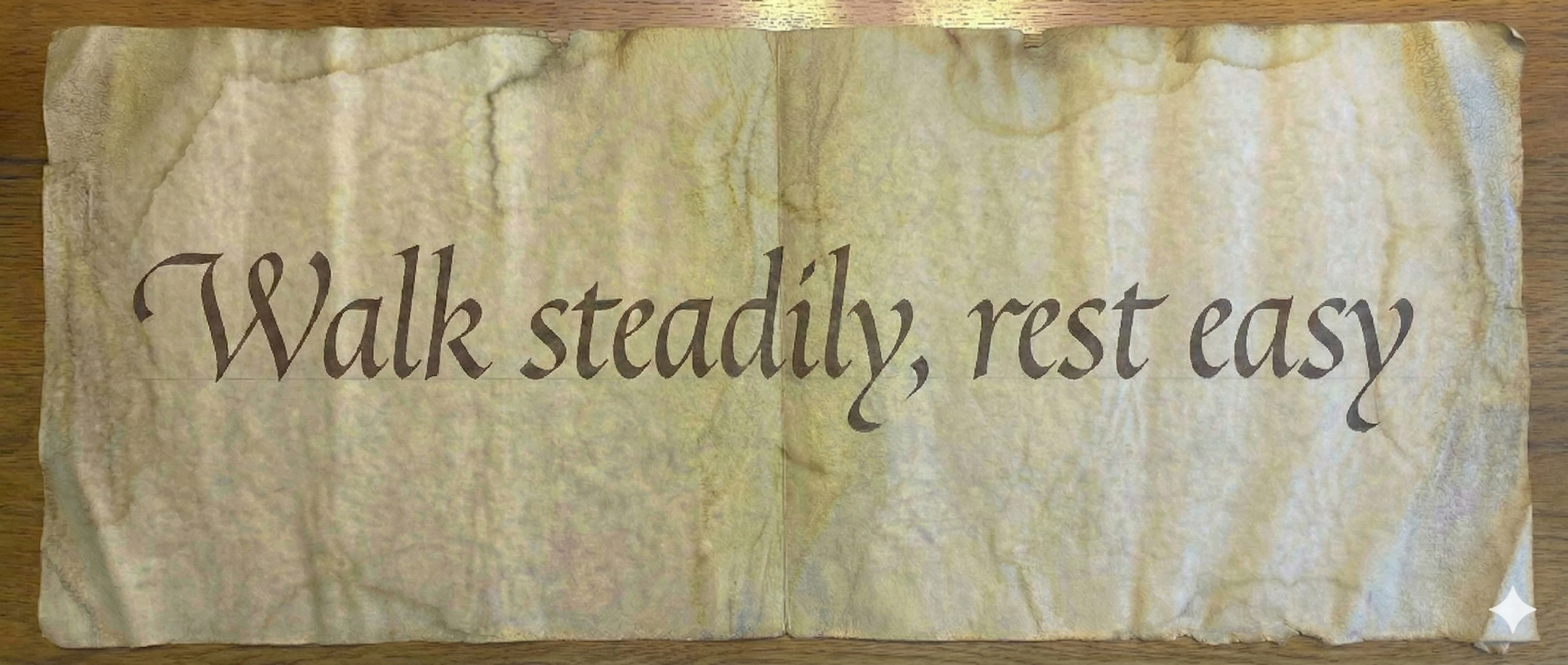
Humanist calligraphy from the Italian Renaissance is characterized by elegant, flowing, and balanced letterforms. The intense focus and meticulousness of writing can help regulate emotions, relieve anxiety, and restore emotional stability. The rhythm and harmony between letters during writing can bring psychological relaxation and satisfaction, while also inspiring creativity and inner peace.
Tips and suggestions:
- Written words:
I have the power to change my thoughts and my life. - Writing Tips:
When writing this phrase, it's recommended to use steady, powerful strokes, maintaining full, clear character shapes and a clear structure, symbolizing confidence in self-control and change. Maintain even, steady breathing, and consciously imbue each stroke with the inner image of "I have power." If doubt or feelings of powerlessness arise during the process, gently acknowledge them and respond with a firm, rhythmic brushstroke to reinforce this positive self-suggestion. - Daily recommendations:
Recite this sentence daily using Humanist Script as an exercise to strengthen your sense of self-empowerment. It's recommended to proactively write when feeling lost or lacking motivation to help reactivate your inner sense of control. Long-term practice can help break fixed mindsets, strengthen your confidence and ability to make positive changes, and support personal growth and self-realization.
Lesson 944: Diagnosis and Assessment of Sudden Interruptions
Objective: To help myself understand that "sudden interruption" is not a permanent state, but a signal that can be identified and recovered.
Steps: Draw a cut line, leaving a blank space in the middle to symbolize the moment of interruption. Extend the line at both ends with soft colors to represent the possibility of reconnection. Tell yourself: I still have the ability to return to the present moment.
Please log in before submitting your drawings and feelings.
○ 944. Diagnosis and Assessment of Sudden Interruptions: Log-Guided Recommendations
① Today’s self-assessment: Score each of the affected areas (sleep/food/work/relationships) from 0 to 10 points, and mark the two areas that are most affected.
② Risk screening: Do you have thoughts of harming yourself or others? If so, please write down a list of professionals/relatives and friends you can contact.
③ Trigger record sheet: time - environment - thought - reaction, complete at least two items to form traceable data.
④ Stabilization plan: Set up a three-step process of "pause-breathe-seek help" for high-risk periods.
⑤ Professional links: Write down the channels and time periods for the services (hotline/outpatient clinic/online consultation) you would like to know about.
⑥ Conclusion: Evaluation is not about scoring your life, but about preparing a map for the next step.
Please log in to use.
Through this course, you will be able to better understand the diagnosis and assessment of sudden interruptions, and learn how to regulate and restore physical and mental balance through painting, diet therapy, and herbal teas.
 EN
EN  ZH
ZH  ES
ES  FR
FR  JA
JA