

Lesson 945: Treatment of Acute Stress Disorder

Duration:70 minutes
Topic Introduction:This lesson introduces common treatment approaches in the early stages of acute disorder, including short-term psychological intervention, supportive communication, sleep regulation, physical stabilization exercises, and medication when necessary. The focus of treatment is to first stabilize the mind and body, and then gradually restore order. Through concise explanations and gentle exercises, you can organize chaotic experiences into clearer cues, reduce self-blame, and slowly find a recovery rhythm that suits you.
○ Course Topic Audio
Lesson 945: Treatment of Acute Stress Disorder
Click to view the read-aloud text
Today we'll learn about "Treatment in the Pre-Acute Phase of Disorders." Please slow your breathing and acknowledge that you're simply entering a gentle lesson. You don't need to solve everything immediately, nor do you need to force yourself to appear calm. Treatment in the pre-acute phase of disorders typically prioritizes stabilization and includes supportive talk, short-term crisis intervention, sleep and physical regulation, medication if necessary, and subsequent professional evaluation. Treatment isn't about forcing you to repeatedly talk about your pain, but about helping your mind and body regain order within safe limits. If you experience chest tightness, a rapid heartbeat, a blank mind, or a desire to escape while listening, please pause, observe your surroundings, feel the support of your feet and the chair, and remind yourself: I am learning now, not reliving danger. The focus of this lesson is to help you clarify your confusion, see your reactions as ways your mind and body have protected you, and begin recovering with small, manageable actions. After the lesson, you can write down: What do I need most right now? What is the minimum care I can provide today? Don't rush to prove you're better, and don't compare yourself to others' recovery speed. Recovery from acute stress is often like the tide, sometimes receding, sometimes rising again—this doesn't mean failure. Allow your body to reconfirm safety at its own pace, allow your emotions to be seen, and allow support to gradually enter. Today, completing even a small action—like drinking a sip of warm water, turning off a trigger, contacting a trusted person, or sitting quietly for a few minutes—is already a step towards stability. Set your goals small for today; simply being willing to take care of yourself a little is already a step towards stability. You can treat this learning period as a gentle resting place; you don't need to understand everything at once, just get to know yourself a little better with each listening session. If a word triggers a reaction, take care of your body first before deciding whether to continue; being able to pause is itself a mature form of self-protection. Remember, recovery from acute stress isn't a linear process, nor is it an exam; it's more like rebuilding a safe path, where each step can be small.

AI Healing Q&A
Treatment isn't about pushing you back into pain, nor is it about demanding you be strong immediately. You can share your worries, expectations, and concerns about seeking help here. The system will gently introduce common support methods and help you plan your next steps, but a specific treatment plan still requires evaluation by a doctor or psychologist. Take care of yourself first. Do just a little today. Don't force yourself. Put safety first. You are not alone. May you be supported. You can pause now. Take it slow. Take care of yourself first. Do just a little today.

○ Music therapy guidance
Anxiety before and after therapy is common. Please choose music that feels gentle, believable, and non-stimulating to help you gradually relax from your tension. While listening, you can place your hands on your chest or abdomen and feel the rhythm. The music is not the therapy itself, but rather a supportive element that helps you safely enter the process. Take care of yourself first. Do just a little today. Don't push yourself. Safety first. You are not alone. May you be supported. You can pause now. Take it slow. Take care of yourself first. Do just a little today.

○Eastern and Western Healing Teas
This lesson's recommended tea for healing is Lapsang Souchong. In conjunction with the lesson on "Treatment of Acute Disorders in the Pre-Treatment Stage," tea drinking can serve as a small ritual to calm the body, slow down, and return to the present moment. This cup of tea is not a substitute for treatment, but rather a gentle support to help the body find balance between learning, breathing adjustments, and self-care. Tea Introduction: Lapsang Souchong is a traditional black tea from Wuyi Mountain, renowned for its unique smoky aroma. The tea liquor is bright red, with a rich flavor and a pleasant woody smoky taste. Lapsang Souchong is rich in antioxidants, which can help cleanse the body of toxins, promote digestion, and relieve stress and anxiety. Preparation Method: Take 1 teaspoon of Lapsang Souchong and steep in 90°C hot water for 4-5 minutes. Add a small amount of sugar or milk to taste before drinking. Suitable for morning consumption to help boost energy and improve mood.
○ Healing Recipes
Mediterranean Diet: Herbed Mushrooms
This healing recipe suggests Herbed Mushrooms, a Mediterranean-inspired dish, to complement the "Early Stages of Acute Disorders" lesson, helping the body return to a more stable, gentle, and manageable rhythm after the course. It's characterized by its low-burden nature, mild aroma, and suitability as a light meal after emotional stress, ideal for a gentle recovery after the course. When preparing and eating, slow down, appreciating the colors, temperature, aroma, and feeling of fullness; let the meal become a small act of soothing care for your mind and body.
Open the healing recipe
◉ Mediterranean Diet: Herbed Mushrooms
I. Recommended Dietary Therapy and Reasons
Recommended dishes:Greek roasted mushrooms (Herbed Mushrooms)
Recommended reasons:Greek-style baked mushrooms are a suitable healing recipe for Lesson 945, "Treatment for the Pre-Acute Stress Period." Lessons related to acute stress emphasize stability, low stimulation, repeatability, and ease of execution; therefore, this recipe focuses on gentle ingredients, clear steps, and moderate satiety. It can help learners bring their attention back to their bodies after lesson practice, appreciating the temperature, aroma, color, and texture of the food, providing a little daily care for a tense nervous system. Low-calorie, mildly aromatic, and suitable as a light meal after emotional stress, it is ideal as a light recovery meal after learning, reflection, or emotional fluctuations.
2. Recipe and Method
Recipe (1–2 servings):
- 250g of mushrooms
- 1.5 tablespoons of olive oil
- A little minced garlic
- 1 teaspoon lemon juice
- A little parsley
- At least a few dried beef
- A pinch of black pepper
- A pinch of sea salt
practice:
- Wipe the mushrooms clean or rinse them quickly and drain them; cut larger ones in half.
- Mix olive oil, minced garlic, lemon juice, parsley, oregano, black pepper, and sea salt together.
- Mix the mushrooms and seasoning sauce thoroughly.
- Preheat oven to 200°C and spread mushrooms on a baking tray.
- Bake for 15–18 minutes, until the mushrooms release their juices and shrink slightly.
- Sprinkle with a little parsley after baking and serve warm.
3. Small rituals for body and mind
Before preparing Greek-style roasted mushrooms, you can arrange the ingredients in order to make the table clear, simple, and predictable.
Slow down your hand movements when handling ingredients, feel the rhythm between cutting, mixing, stewing, and grilling, and let your attention return from chaotic thoughts to physical actions.
When you take your first bite, pause for a few seconds to savor the temperature, aroma, and feeling of fullness, and remind yourself: I am taking care of my body in a simple way.
4. Dietary Therapy Experience Record
- Recording the time of consumption: is it before or after the course, or as a supplement after emotional fluctuations?
- Observe changes in stomach burden, fullness, body temperature, and mental state within 30–60 minutes after consumption.
- If you choose a similar mild diet several times in a row, you can record whether there is any improvement in sleep, stress levels, appetite, and mood stability.
V. Instructional Videos (approximately 3–5 minutes)
◉ Video Title:Greek Baked Mushrooms: A Healing Recipe for Physical and Mental Recovery
6. Precautions
- If you have a weak appetite during an acute stress period, you can eat a small amount first and do not have to force yourself to eat the whole serving.
- If you are allergic to seafood, dairy products, nuts, beans, gluten, or certain herbs, please substitute ingredients accordingly.
- Seasoning should be light, avoiding excessive saltiness, spiciness, or sweetness to reduce irritation to the nervous system and stomach.
- If you are taking medication, have a chronic illness, are pregnant, or have special dietary restrictions, please prioritize following the advice of your doctor or nutritionist.
hint:This recipe is for daily physical and mental well-being and is not a substitute for any medical diagnosis or treatment. If you have special nutritional restrictions, chronic diseases, or are currently undergoing treatment, please prioritize following the advice of your healthcare provider and nutritionist.

○Mandala Healing
When viewing this mandala, please focus your gaze on the most comforting spot first, then slowly look around. Regarding the treatment of acute stress disorder, you can observe your expectations, fears, and questions about treatment from a safe distance. If your body tenses up, pause for a few seconds, look around the room, and bring yourself back to the present moment. Take care of yourself first. Do just a little today. Don't push yourself. Put safety first. You are not alone. May you be supported. You can pause now. Please take your time.
● AI Dynamic Geometric Vision Focus and Emotion Regulation Engine ●
AI Dynamic Geometric Vision Focus and Emotion Regulation Engine · v7.0.0
Before we begin, I'd like to know how you feel right now.
There is no standard answer; just choose the one that best reflects how you feel right now.
The experience is over. Tell us how you feel now.
There is still no standard answer; just choose the one that best reflects how you feel right now.
#FF5252
After the fluorescent line crawling is completed and stopped, first select a color, then click on the closed area in the graphic to fill in the color.
AI Digital Mandala Static Focus EngineAZ Image Coloring · 60 Colors
AI Digital Mandala Interactive Focus Engine
A–Z Free Selection · Layered Lines · 60 Color Fills

○ Calligraphy and engraving therapy practice
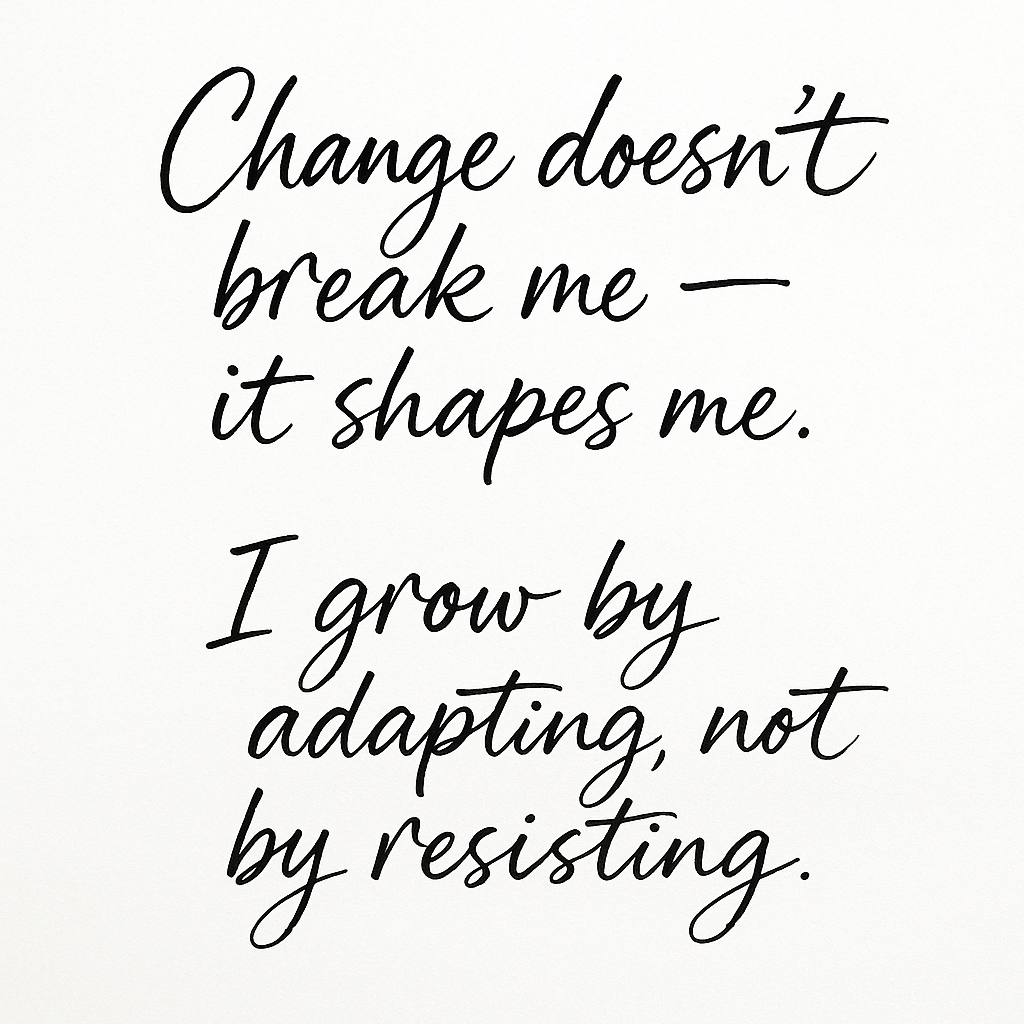
It's normal to feel worried when facing treatment. Don't practice for too long today; just do a short, manageable calligraphy exercise. Each stroke should be a reminder to yourself: I can slowly approach support, but I can also maintain boundaries. Healing doesn't require immediately reaching the deepest point. Take care of yourself first. Do just a little today. Don't push yourself too hard. Put safety first. You are not alone. May you be supported. You can pause now. Please take it slow. Take care of yourself first. Do just a little today. Don't push yourself too hard.

○ Art Therapy Guidance
When drawing, you don't need to make it look beautiful, nor do you need to explain it to others. This lesson, "Treatment in the Pre-Acute Stage of Disorders," will help you approach a sense of stability during therapy. You are free to choose colors, lines, and shapes, putting your inner tension, heaviness, chaos, or emptiness onto the paper without rushing to judge. Today's focus is not on completing the artwork, but on allowing your inner feelings to be seen and placed. Please keep the drawing free, gentle, and able to stop at any time. Please take your time. Please take your time. Please take your time.
Please log in before submitting your drawings and feelings.

○ Diary Healing Suggestions
When writing in your journal, gently ask yourself first: In the lesson on "Treatment in the Pre-Acute Phase of Disorders," which sentence, which physical reaction, or which feeling resonated with you the most? Focusing on understanding the direction of stability in therapy, write down the most authentic point of today—it doesn't need to be complete or elaborate. Then write down a small action you're willing to try, such as pausing for a moment, drinking water, breathing, tidying up your environment, or contacting a supporter. Let words be companions, not demands. Treat this writing as gentle companionship. Let today's record be gentle, honest, and stopable. Allow yourself to slowly move towards stability.
Please log in to use.
May you gradually return to a more stable, clear-headed, and gentler version of yourself through today's practice.