

Lesson 968: Coordinating Responses to Team or Group Incidents
Duration:70 minutes
Topic Introduction:This course explains how to coordinate responses to team or group incidents, including unified messaging, tiered support, role allocation, and a stable communication rhythm. Group crises do not require one person to bear full responsibility; rather, they require clear collaboration. The course will guide you to view your own reactions in a more moderate way, distinguish between present safety and past shocks, and try to establish small, stable steps that can be implemented today.
○ Course Topic Audio
Lesson 968: Coordinating Responses to Team or Group Incidents
Click to view the read-aloud text
Today we'll learn about "Coordinating and Responding to Team or Group Incidents." First, slow your breathing and acknowledge that you're entering a gentle lesson. You don't need to solve everything immediately, nor do you need to force yourself to appear calm. Team or group incidents can cause stress to circulate among multiple people, easily leading to confusion, blame, silence, or distorted information. Responding requires clear division of labor, unified messaging, tiered support, and a consistent communication rhythm. No one needs to bear full responsibility; simply staying stable in your role will reduce collective tension. If you experience chest tightness, a racing heart, a blank mind, or a desire to escape while listening, pause, observe your surroundings, feel the support of your feet and chair, and remind yourself: I am learning, not reliving a dangerous situation. The focus of this lesson is to help you clarify confusion, view your reactions as ways your body and mind have protected you, and begin recovering with small, manageable actions. After the lesson, you can write down: What do I need most right now? What is the minimum care I can provide today? Don't rush to prove you're better, and don't compare yourself to others' recovery speed. Recovery from acute stress is often like the tide, sometimes receding, sometimes rising again—this doesn't mean failure. Allow your body to reconfirm safety at its own pace, allow your emotions to be seen, and allow support to gradually enter. Today, completing even a small action—like drinking a sip of warm water, turning off a trigger, contacting a trusted person, or sitting quietly for a few minutes—is already a step towards stability. Set your goals small for today; simply being willing to take care of yourself a little is already a step towards stability. You can treat this learning period as a gentle resting place; you don't need to understand everything at once, just get to know yourself a little better with each listening session. If a word triggers a reaction, take care of your body first before deciding whether to continue; being able to pause is itself a mature form of self-protection. Remember, recovery from acute stress isn't a linear process, nor is it an exam; it's more like rebuilding a safe path, where each step can be small.
AI Healing Q&A
In the aftermath of a mass incident, people are prone to confusion, blaming each other, or not knowing who should do what. Here, you can clarify your role, boundaries of responsibility, and the support you need most. The system will assist you in organizing information and planning your next steps, but for safety, legal, or medical issues, please contact the relevant professionals. Take your time. Take care of yourself first. Do just a little today. Don't push yourself too hard. Put safety first. You are not alone. May you be supported. You can pause now. Take your time. Take care of yourself first.

○ Music therapy guidance
After a team or group incident, everyone's voices can be mixed. A moment of quiet music can serve as a signal to pause, allowing everyone a minute to calm down. Then, discuss tasks, responsibilities, and support. Music cannot replace coordination, but it can help the group gradually restore order from chaos. Please take your time. Take care of yourself first. Do only a little today. Don't push yourself too hard. Safety first. You are not alone. May you be supported. It's okay to pause now. Please take your time. Take care of yourself first.

○Eastern and Western Healing Teas
This lesson's suggested healing tea: Golden Milk with Milk Chocolate. In conjunction with the lesson on "Coordinating and Managing Team or Group Events," this tea can serve as a small ritual to calm the body, slow down, and return to the present moment. This tea is not a substitute for treatment, but rather a gentle support to help the body find balance between learning, breathing exercises, and self-care. Tea Description: The combination of chocolate and turmeric adds a rich flavor to the Golden Milk. Dark chocolate is rich in antioxidants and amino acids, which help improve mood and enhance brain function. Combined with the anti-inflammatory properties of turmeric, it not only enhances the taste of the Golden Milk but also strengthens its mood-regulating and stress-relieving effects. Preparation: Heat 250ml of milk, add 1/2 teaspoon of turmeric powder and 1 small piece of dark chocolate, and stir until the chocolate melts. Honey can be added to taste. Drink every evening to help relax the body, relieve anxiety, and improve mental health.
○ Healing Recipes
Chinese Food Therapy - Soups - Longan Peanut Soup
This healing recipe suggests choosing a Chinese medicinal soup—Longan Peanut Soup—to complement the lesson on "Coordinating and Managing Team or Group Events," helping the body return to a more stable, gentle, and manageable rhythm after learning. It is characterized by its sweet and filling flavor, replenishing energy, and is suitable for those recovering from anger or fear, as well as for a light recovery after the course. When preparing and eating, slow down, appreciating the color, temperature, aroma, and feeling of fullness, allowing the meal to become a source of peace.
Open the healing recipe
◉ Chinese Food Therapy · Soup · Longan Peanut Soup
I. Recommended Dietary Therapy and Reasons
Recommended dishes:Longan Peanut Soup
Recommended reasons:Longan and peanut soup is a suitable healing recipe for Lesson 968, "Coordinating and Responding to Team or Group Events." Acute stress-related lessons emphasize stability, low stimulation, repeatability, and ease of execution; therefore, this recipe focuses on gentle ingredients, clear steps, and moderate satiety. It can help learners bring their attention back to their bodies after the lesson, appreciating the temperature, aroma, color, and texture of the food, providing a little daily care for a tense nervous system. Sweet, filling, and energy-boosting, it's suitable after anger or fear, and serves as a light recovery meal after learning, reflection, or emotional fluctuations.
2. Recipe and Method
Recipe (1–2 servings):
- 8 dried longan fruits
- 40 g of peanuts
- 4 red dates
- 30g glutinous rice
- 800 ml of clean water
- A little rock sugar, optional
practice:
- Soak the peanuts in advance and remove the pits from the red dates.
- Rinse the glutinous rice thoroughly.
- Add peanuts, glutinous rice and water to a pot and simmer over low heat for 35 minutes.
- Add longan and red dates, and cook for another 12 minutes.
- Cook until the soup is smooth, then season.
- Eat warm, and do not serve in large quantities.
3. Small rituals for body and mind
Before preparing longan and peanut soup, you can arrange the ingredients in order to make the table clear, simple, and predictable.
Slow down your hand movements when handling ingredients, feel the rhythm between cutting, mixing, stewing, and grilling, and let your attention return from chaotic thoughts to physical actions.
When you take your first bite, pause for a few seconds to savor the temperature, aroma, and feeling of fullness, and remind yourself: I am taking care of my body in a simple way.
4. Dietary Therapy Experience Record
- Recording the time of consumption: is it before or after the course, or as a supplement after emotional fluctuations?
- Observe changes in stomach burden, fullness, body temperature, and mental state within 30–60 minutes after consumption.
- If you choose a similar mild diet several times in a row, you can record whether there is any improvement in sleep, stress levels, appetite, and mood stability.
V. Instructional Videos (approximately 3–5 minutes)
◉ Video Title:Longan and Peanut Soup: A healing recipe suitable for physical and mental recovery.
6. Precautions
- If you have a weak appetite during an acute stress period, you can eat a small amount first and do not have to force yourself to eat the whole serving.
- If you are allergic to seafood, dairy products, nuts, beans, gluten, or certain herbs, please substitute ingredients accordingly.
- Seasoning should be light, avoiding excessive saltiness, spiciness, or sweetness to reduce irritation to the nervous system and stomach.
- If you are taking medication, have a chronic illness, are pregnant, or have special dietary restrictions, please prioritize following the advice of your doctor or nutritionist.
hint:This recipe is for daily physical and mental well-being and is not a substitute for any medical diagnosis or treatment. If you have special nutritional restrictions, chronic diseases, or are currently undergoing treatment, please prioritize following the advice of your healthcare provider and nutritionist.

○Mandala Healing
When looking at the mandala today, please slow your breathing and don't strive for immediate calm. Focusing on "coordinating responses to team or group events," you can see different lines returning to their proper places, reminding you that group responses require order and pauses. If emotions intensify, please stop, touch the table or chair, and prioritize safety. Take it slow. Take care of yourself first. Do only a little today. Don't force yourself. Put safety first. You are not alone. May you be supported. You can pause now. Take it slow.
● AI Dynamic Geometric Vision Focus and Emotion Regulation Engine ●
AI Dynamic Geometric Vision Focus and Emotion Regulation Engine · v7.0.0
Before we begin, I'd like to know how you feel right now.
There is no standard answer; just choose the one that best reflects how you feel right now.
The experience is over. Tell us how you feel now.
There is still no standard answer; just choose the one that best reflects how you feel right now.
#FF5252
After the fluorescent line crawling is completed and stopped, first select a color, then click on the closed area in the graphic to fill in the color.
AI Digital Mandala Static Focus EngineAZ Image Coloring · 60 Colors
AI Digital Mandala Interactive Focus Engine
A–Z Free Selection · Layered Lines · 60 Color Fills

○ Calligraphy and engraving therapy practice
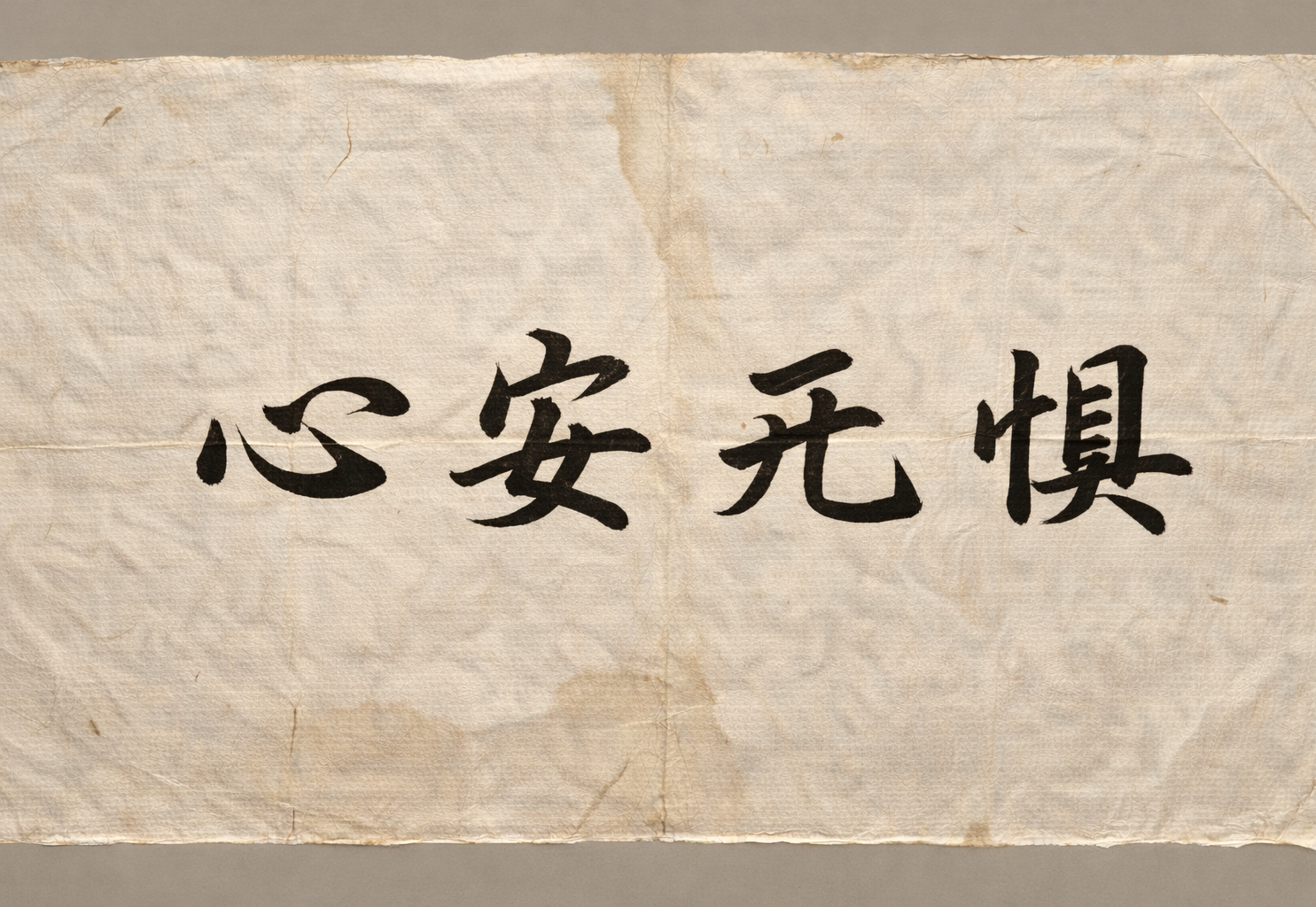
In the aftermath of a mass incident, people are easily overwhelmed by information and responsibility. When practicing, please only do your small section, don't take on the entire page. This action reminds you: coordination requires boundaries and order; it's not about one person carrying everything. Calm yourself down first to participate more clearly. Please take your time. Take care of yourself first. Do only a little today. Don't push yourself. Put safety first. You are not alone. May you be supported. You can pause now. Please take your time. Take care of yourself first. Do only a little today.

○ Art Therapy Guidance
You can use lines, blocks of color, or shapes to gently express vague feelings, complementing the lesson on "Coordinating and Responding to Team or Group Events" to help you stabilize the rhythm of group responses. You are free to choose colors, lines, and shapes to put your inner tension, heaviness, chaos, or emptiness onto the paper, without rushing to judgment. If the image makes you uncomfortable, you can pause, touch the table, and then slowly return. Please keep drawing free, gentle, and something you can stop at any time. Please take your time. Please take your time.
Please log in before submitting your drawings and feelings.

○ Diary Healing Suggestions
Write down the most impactful point from today's lesson, and gently record your genuine reactions when coordinating team or group responses, in conjunction with the lesson on "Coordinating and Responding to Team or Group Events." It doesn't have to be a long paragraph; don't worry about being organized. Next, write down a small action you'd like to try—make it light, achievable, and manageable. If you find it difficult to write, pause, look at your surroundings, and then continue. Treat this writing as a gentle companion. Make today's record gentle, honest, and stopable. Allow yourself to slowly move towards stability. Treat this writing as a gentle companion.
Please log in to use.
May you gradually return to a more stable, clear-headed, and gentler version of yourself through today's practice.